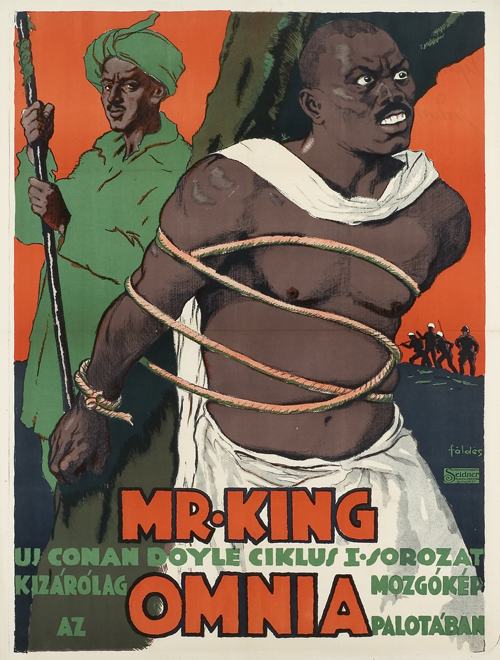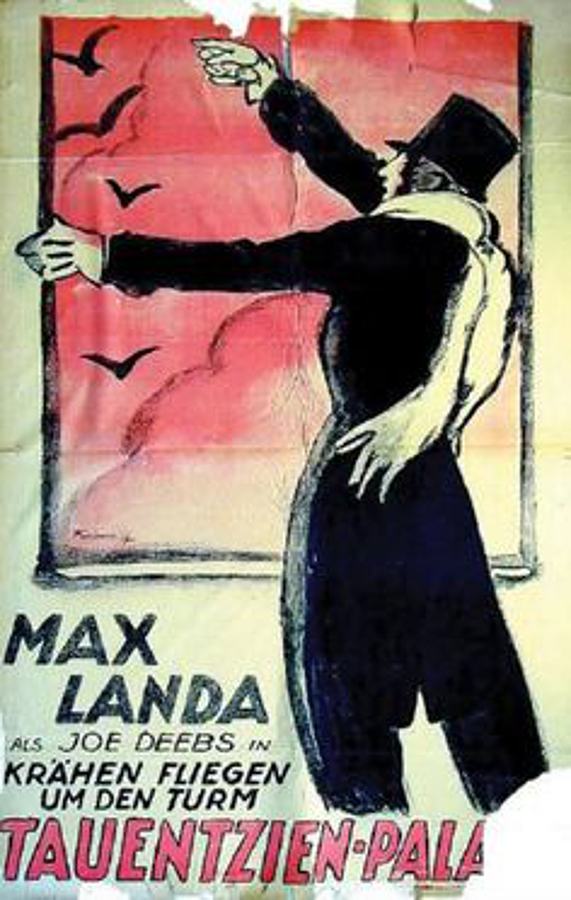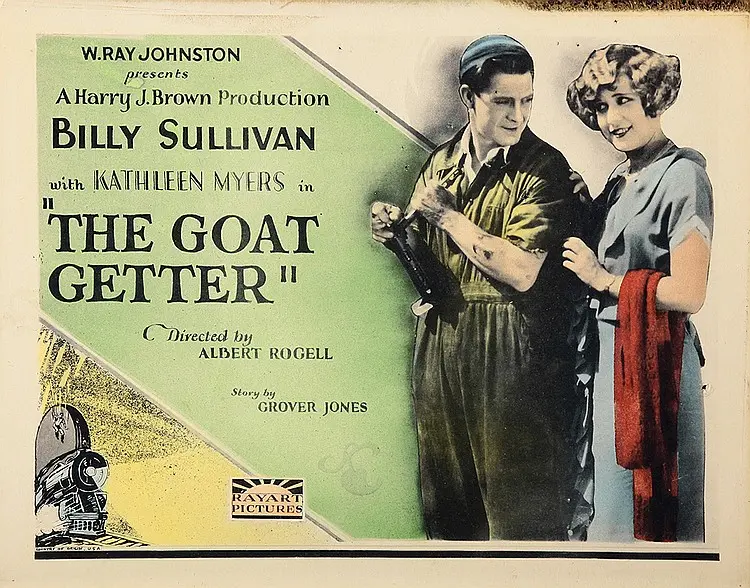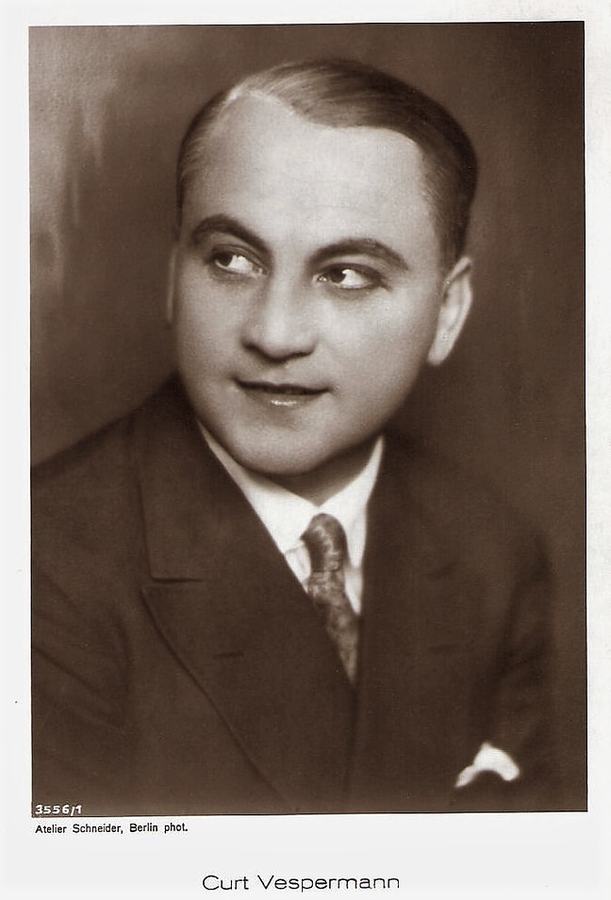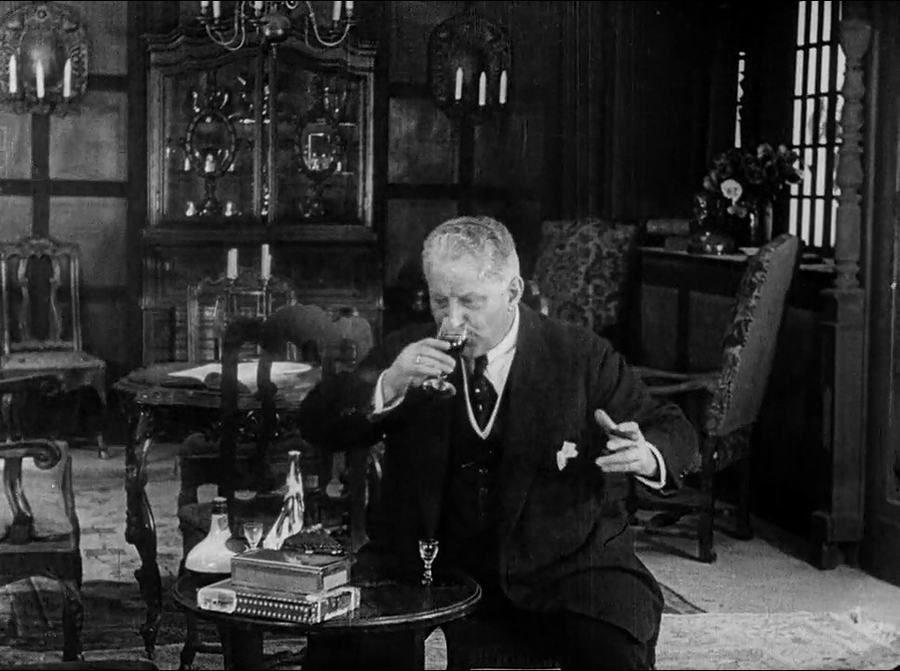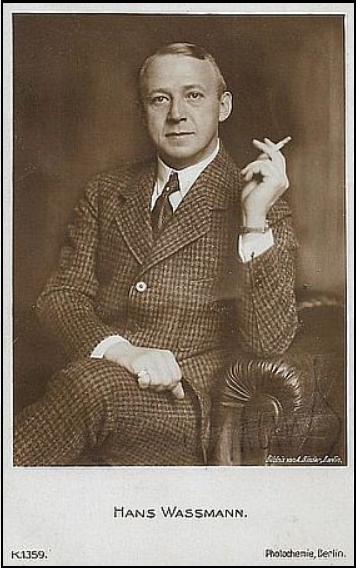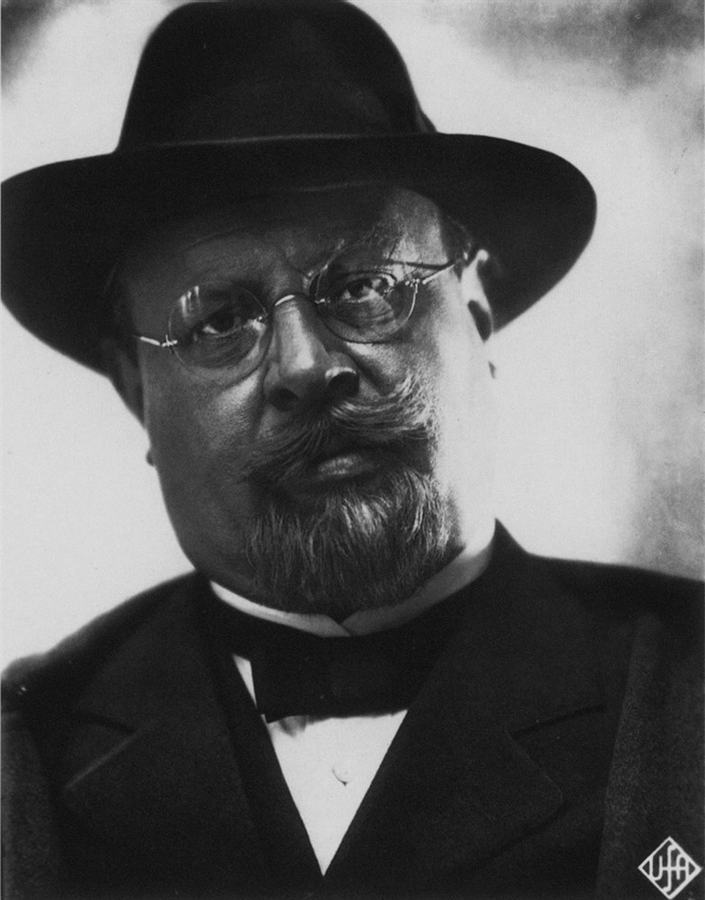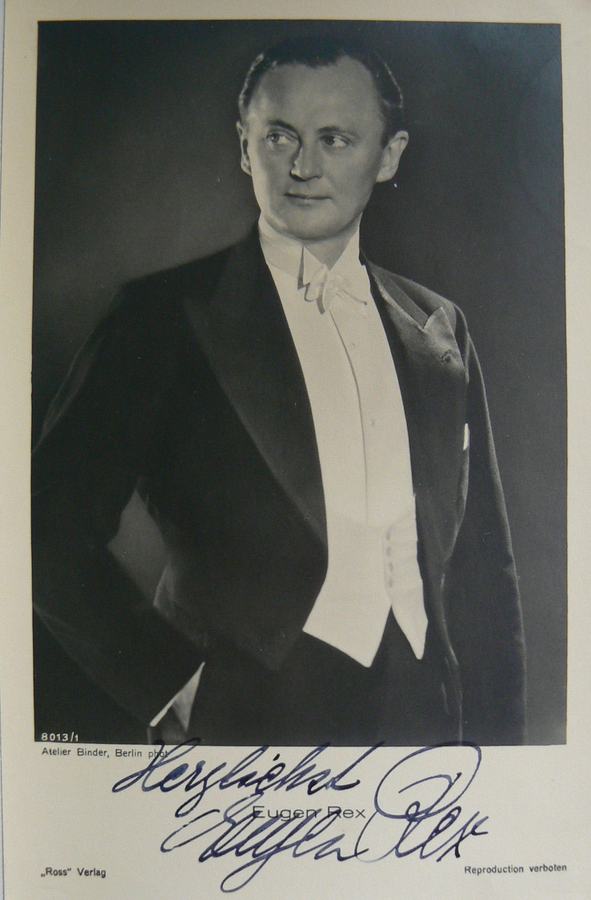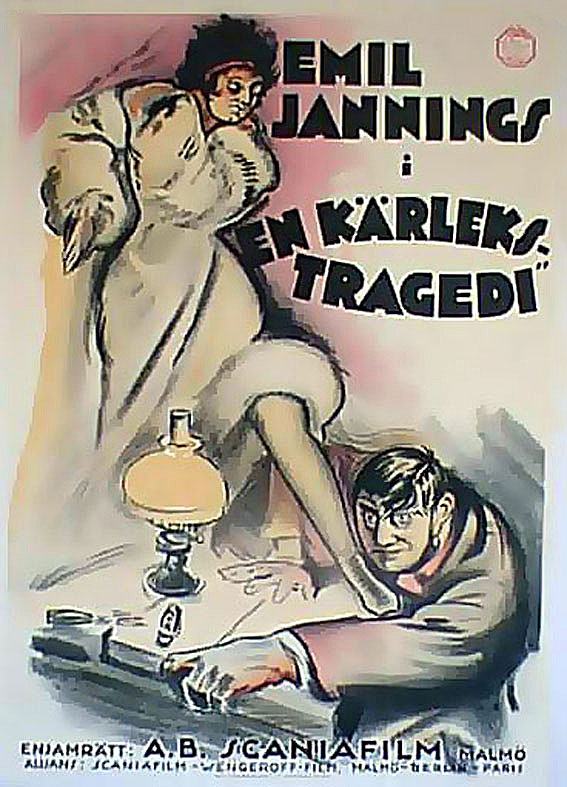
In the pantheon of Weimar-era cinema, few works possess the sheer gravitational pull of Joe May’s 1923 magnum opus, The Tragedy of Love. This isn't merely a film; it is a sprawling, four-act interrogation of the soul, a celluloid behemoth that captures a society teetering on the edge of existential collapse. While ma...
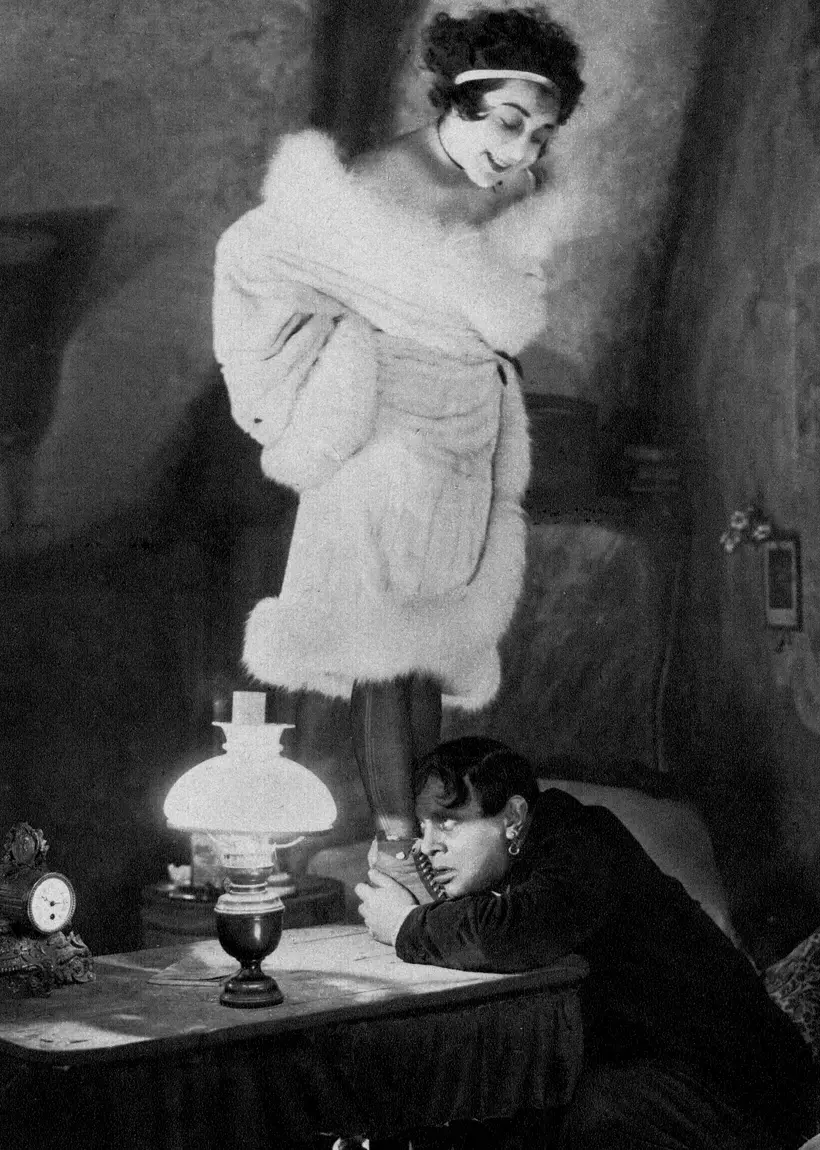
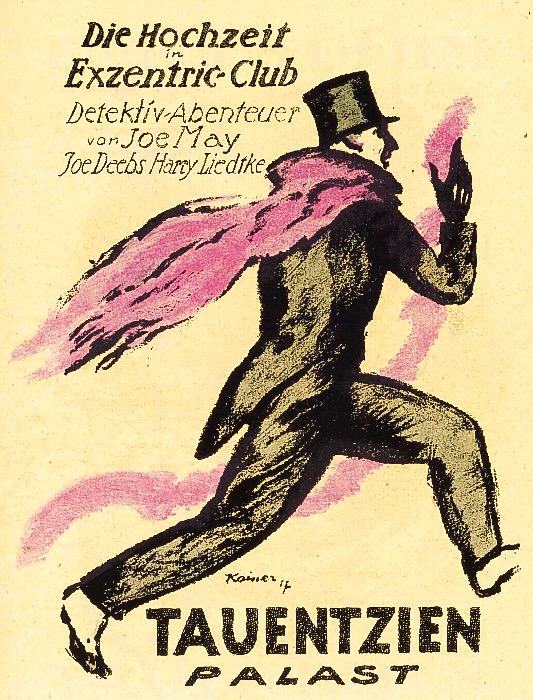
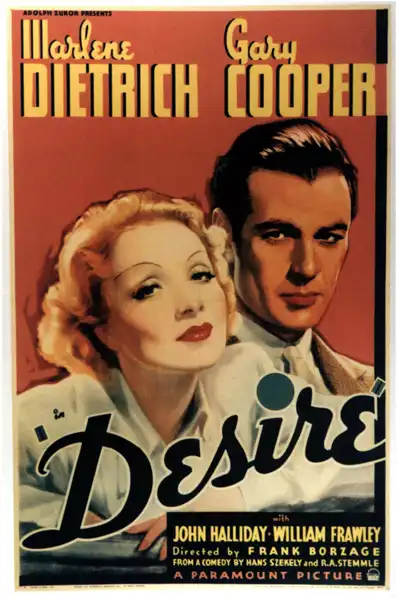
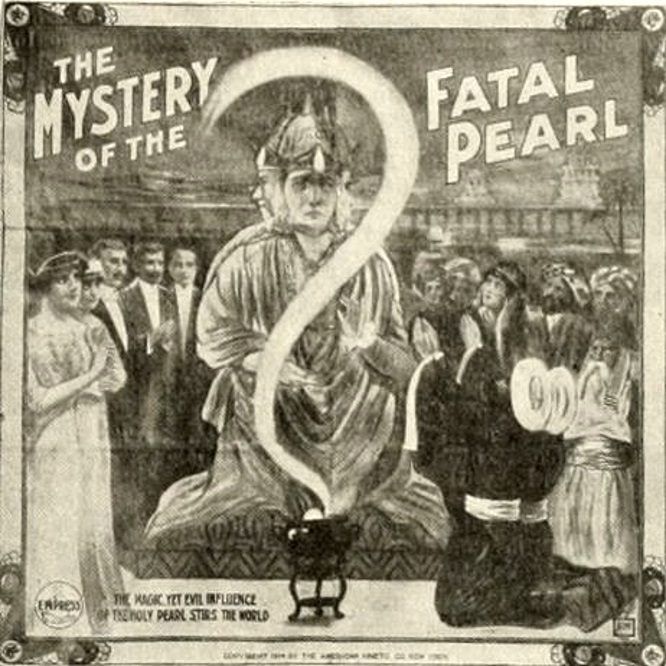
production_art

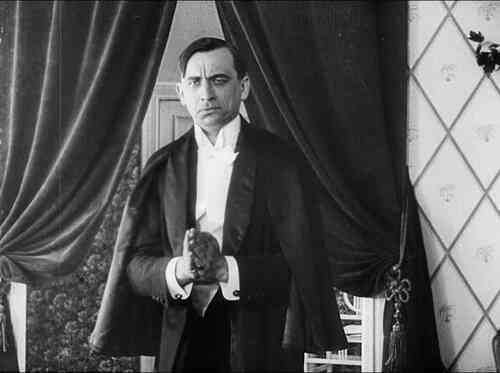
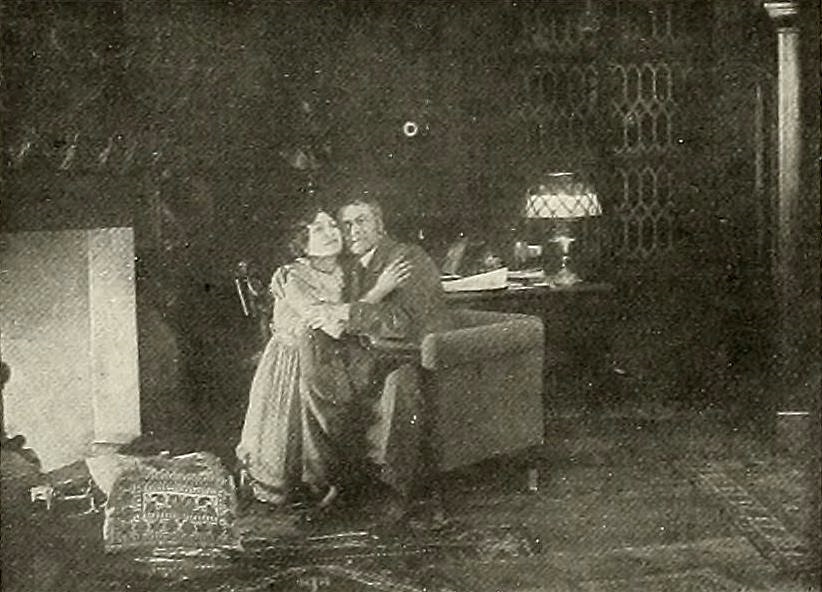
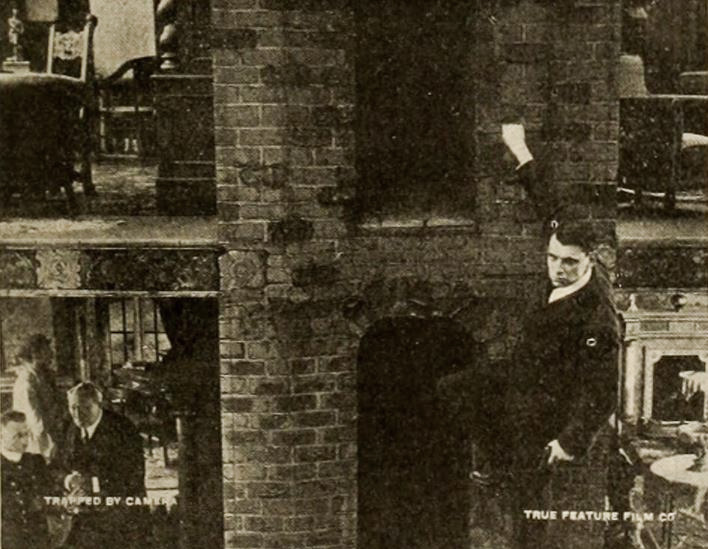
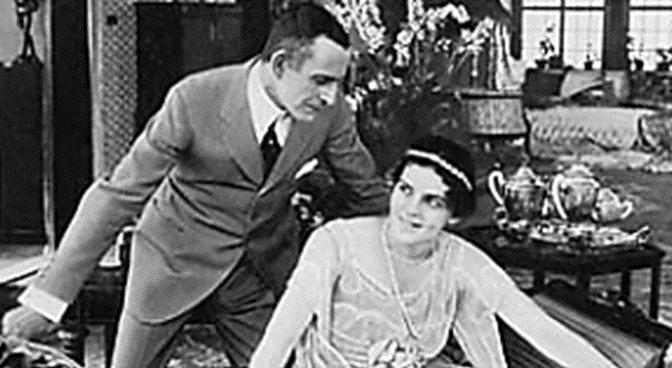
still_frame
Comparing the cinematic DNA and archive impact of two defining moments in cult history.
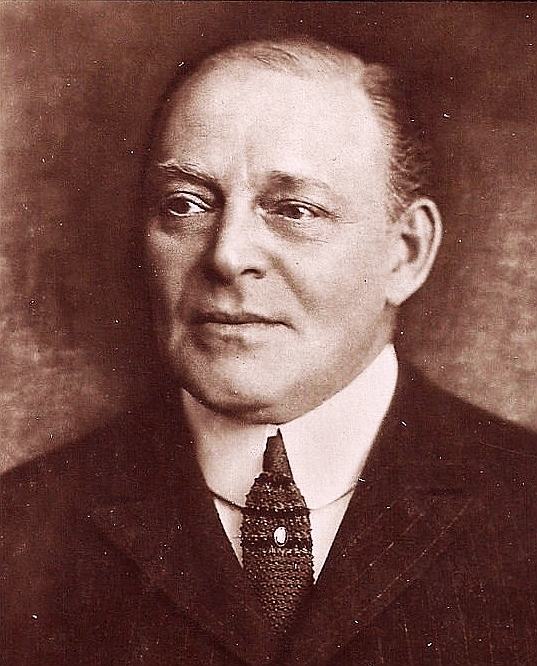
Joe May
Joe May
Community
Log in to comment.
" In the pantheon of Weimar-era cinema, few works possess the sheer gravitational pull of Joe May’s 1923 magnum opus, The Tragedy of Love. This isn't merely a film; it is a sprawling, four-act interrogation of the soul, a celluloid behemoth that captures a society teetering on the edge of existential collapse. While many modern viewers might find the silent era's pacing a challenge, May’s direction provides a rhythmic pulse that feels remarkably contemporary. The film operates as a bridge betwee..."
Leo Birinsky, Adolf Lantz
Germany