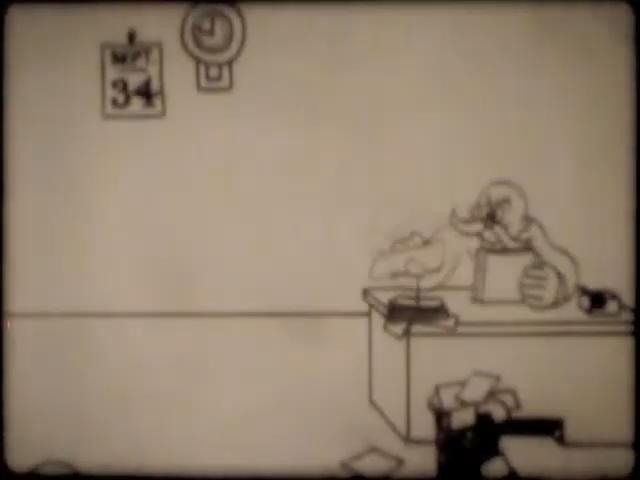
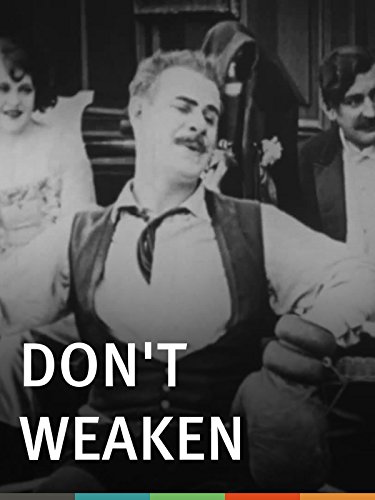
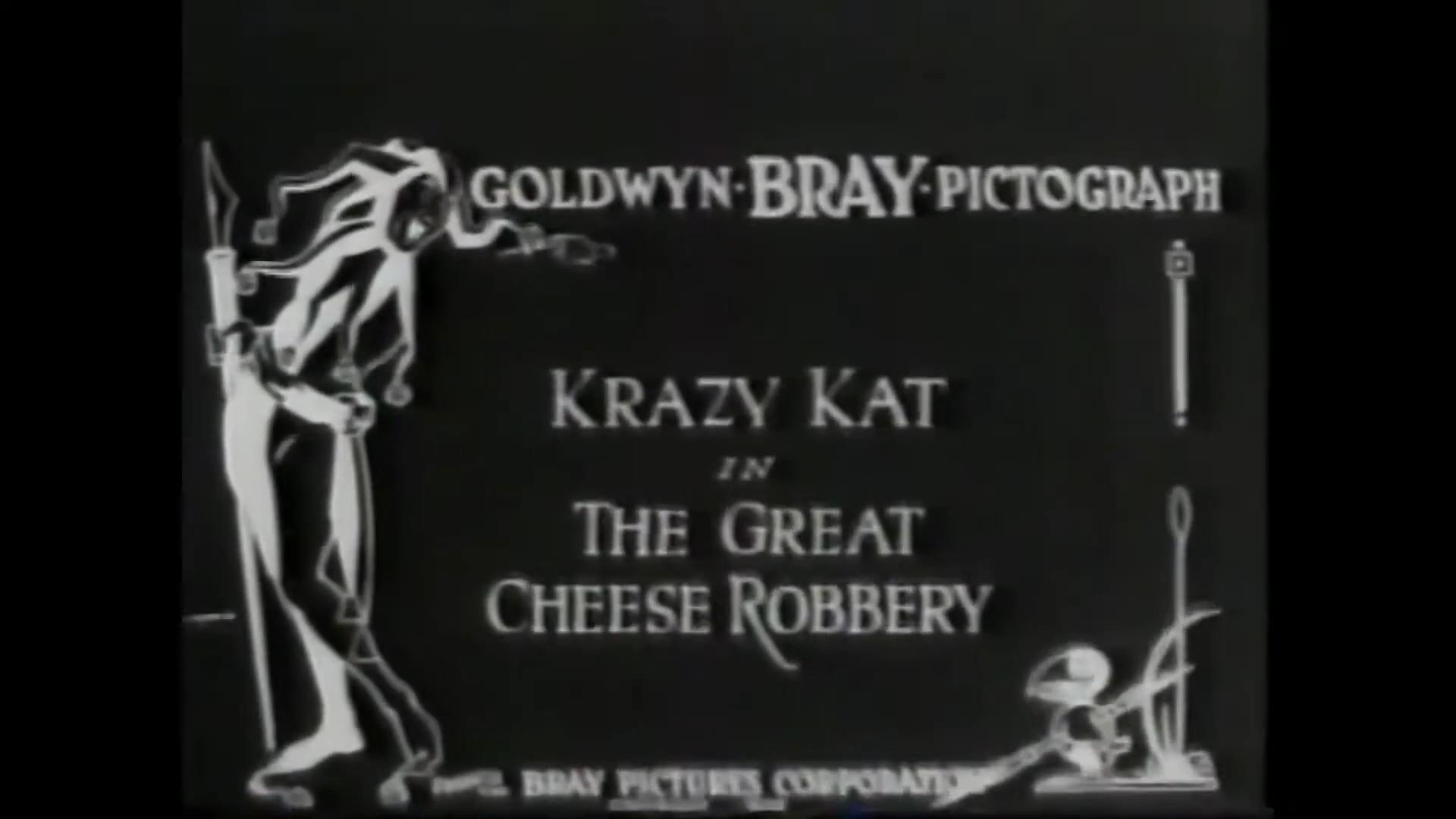
A man reads in the newspaper that Bolsheviks are on the loose and that the public should beware of odd acting strangers. He spots a pipe smoking man holding what he believes is a bomb, and thinks he must be one of the Bolsheviks.
Walt Hoban
United States
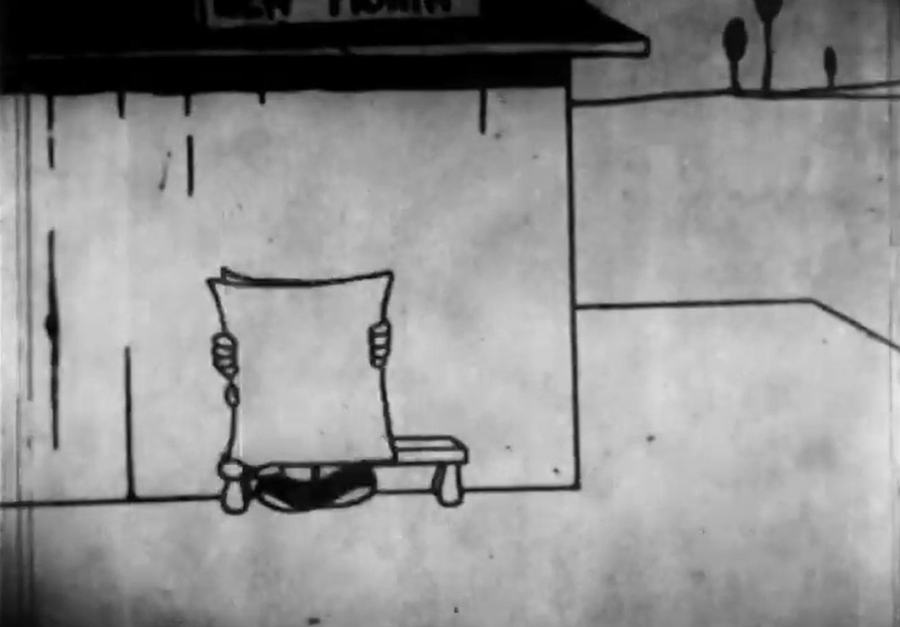
Imagine a city whose geography is stitched from nightmares: newsprint storm-clouds, trolley bells that clang like jailhouse doors, and a skyline as jagged as broken gin bottles. Into this fever dream lurches our anonymous hero, a man whose morning paper has already detonated inside his skull. The headline—BOLSHEVIKS ...
Comparing the cinematic DNA and archive impact of two defining moments in cult history.
Walt Hoban
Unknown Director
Community
Log in to comment.
" Imagine a city whose geography is stitched from nightmares: newsprint storm-clouds, trolley bells that clang like jailhouse doors, and a skyline as jagged as broken gin bottles. Into this fever dream lurches our anonymous hero, a man whose morning paper has already detonated inside his skull. The headline—BOLSHEVIKS LOOSE—detonates in 96-point Gothic, and suddenly every stranger wears the phantom beard of revolution. Walt Hoban, pulling triple duty as writer and star, plays this average Joe li..."
1920 · IMDb 5
Unknown Director
Deep dive into the cult classic
Discover similar cinematic experiences
A Directorial Spotlight on Walt Hoban