DbcultAccessing Vault...
Cult Review
Senior Film Conservator
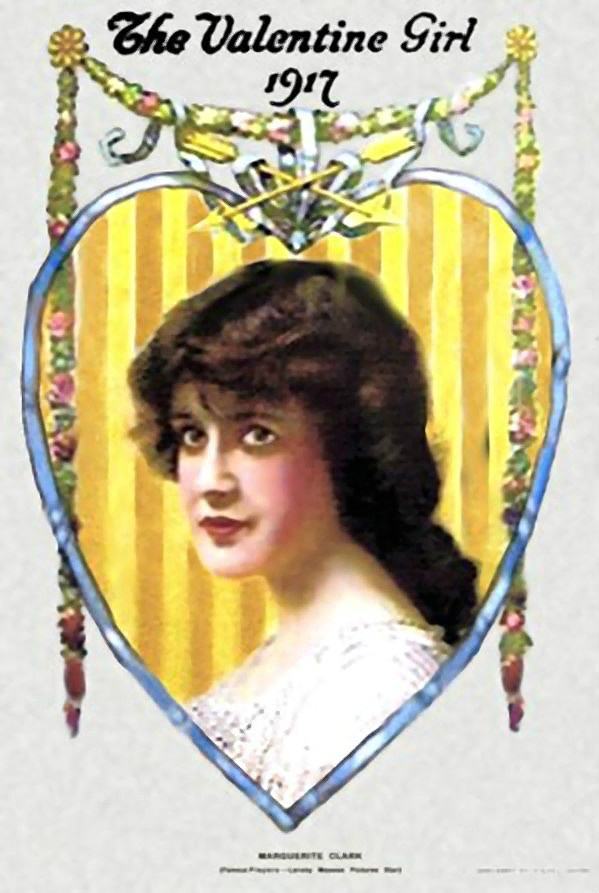
Marion’s odyssey begins not with trumpets but with a slammed mahogany door; the guardian’s verdict ricochets down a narrow hallway, sealing her fate like a verdict in chancery. Marguerite Clark—barely five-foot in heeled slippers—compresses entire symphonies of dread into the tremor of a lower lip, her saucer eyes reflecting the gas-lamp’s corona as though each flare might scorch her soul.
Her father, played by Frank Losee with the slump of a man who has tasted iron bars more than bread, first appears in silhouette against a peeling wall map of the Five Points; the camera lingers on his cracked boots, implying miles of contraband and alleyway absolutions. When the child clasps his coarse hand, Dawley’s mise-en-scène pivots: the criminal’s den, once littered with lock picks and racing forms, sprouts crayon suns and paper chains. The transformation never tilts into mawkishness; instead, Laura Sawyer’s intertitles flash like terse telegrams—“Father, I brought you a violet”—and the violet, wilting in a tooth-glass, becomes a fragile covenant.
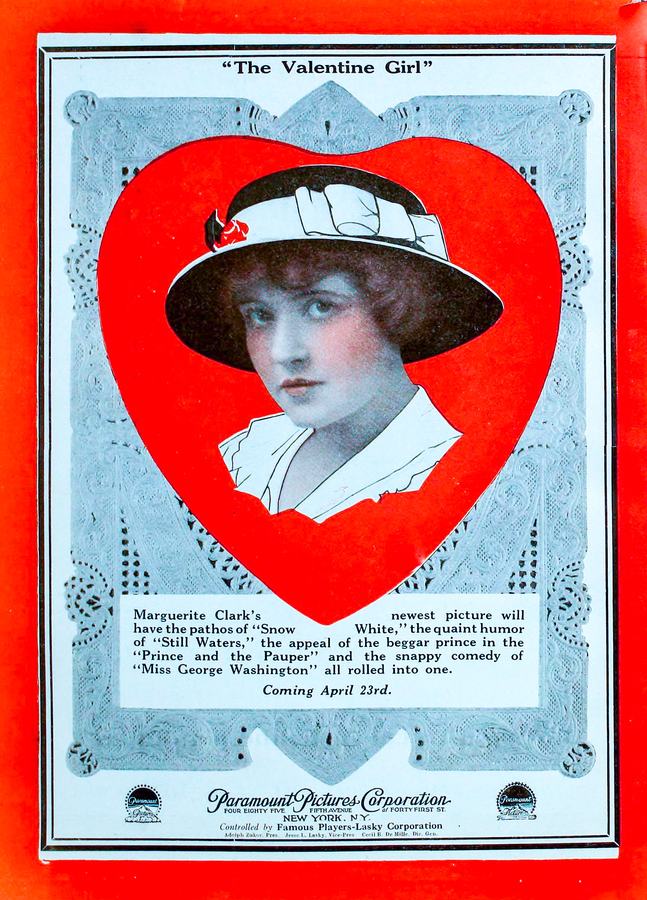
Enter betrayal wearing a bowler: Adolphe Menjou’s duplicitous ex-confederate slinks into frame, moustache waxed to daggers, promising “one last heist.” The robbery sequence, lost for decades, survives only in a French nitrate fragment, yet its very incompleteness amplifies the myth: we see a safe’s iron maw, nitrate flicker like distant artillery, then darkness. The cut to the father’s perp walk—snowflakes dissolving on his collar—lands harder than any modern CGI explosion.
Marion’s flight rhymes with Christian parable: she barrels through a carnival of urban grotesques—ragpickers, newsies, a Salvation Army cornet—until the church’s portal yawns, brass knobs gleaming like celestial keys. Inside, Maggie Fisher’s matronly deaconess lifts the runaway as if hoisting a relic; the child’s soot-smudged cheek against the woman’s cashmere cloak becomes a chiaroscuro Pietà. There is no instantaneous miracle, only the slow drip of charity: bread crusts dipped in milk, psalms murmured in contrapuntal whispers, and the hush of tallow candles that drip like slow tears.
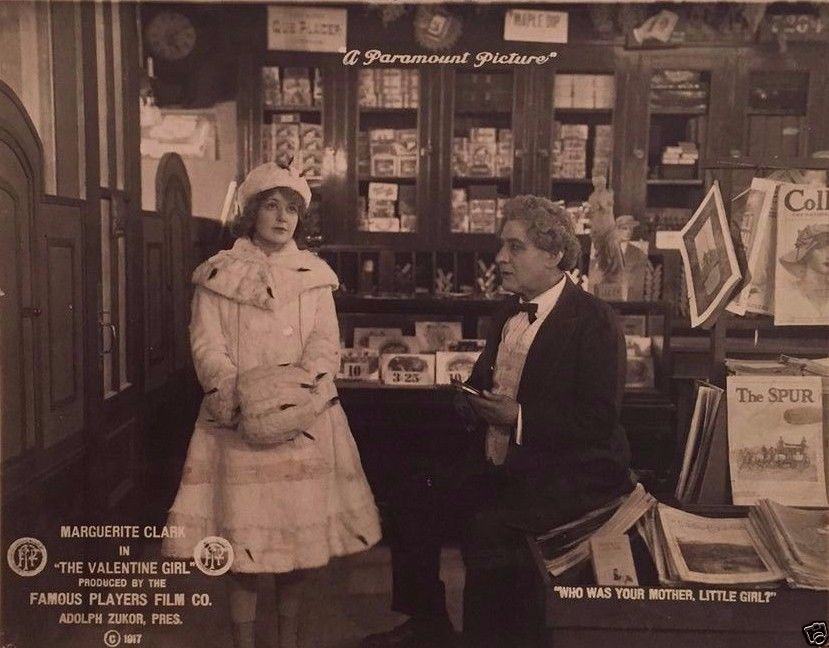
The ellipsis of years passes through a dissolve so lyrical it could be a Valentine’s lace: a close-up of Marion’s calfskin boots becomes size-six satin slippers, and Marguerite Clark re-enters wearing ankle-skimming muslin, eyes now lowered in womanly modesty. Her engagement to Richard Barthelmess’s young physician—he of the earnest cowlick and starched collar—unfolds in a garden sequence tinted rose by hands now forgotten. Note the kinescope’s flutter when he unfurls the ring: the image warps, as though even celluloid fears happiness too pristine.
Then comes the knock. The father, grayed but unbroken, stands beneath the rectory’s wisteria clutching his battered valise. Dawley blocks the reunion in a single take: no cross-cutting, no score—only cicadas and the squeak of a wooden gate. Marion’s hesitation quakes through Clark’s gloved fingers; she fingers the betrothal locket as though weighing two gospels. When collapse arrives, it is sideways, a faint that spills her into his arms, the camera tilting five degrees—barely perceptible—yet enough to unbalance the moral universe.
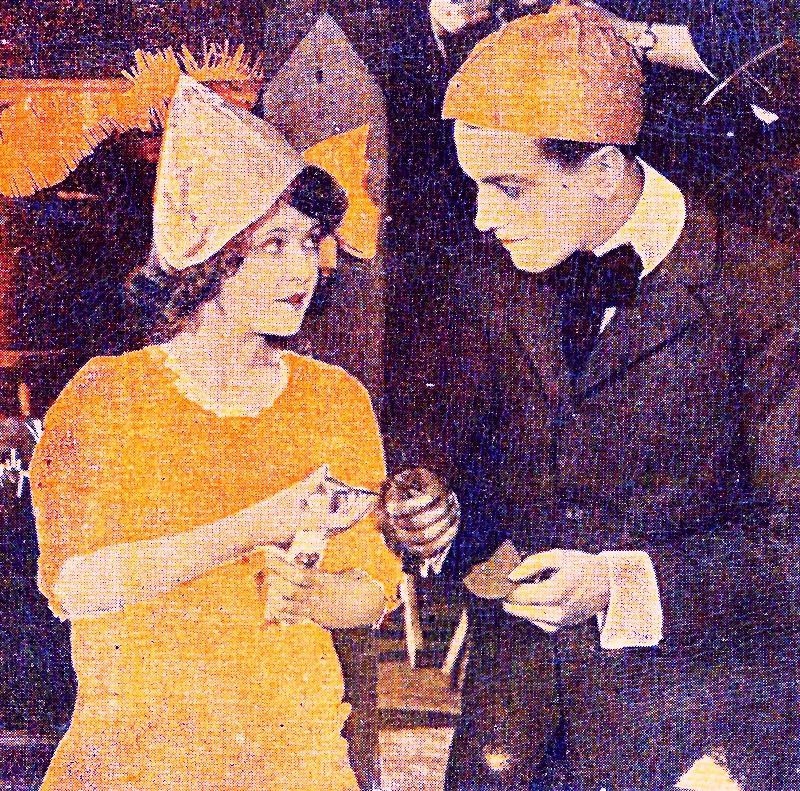
Restorationists at MoMA reassembled the finale from a 9.5 mm Pathé baby print, its sprocket holes warbling like sea foam. The climactic courtroom exoneration—missing its establishing shot—now begins in medias res: the lawyer’s hand thrusting a torn telegram toward the jury, the word INNOCENT bleeding off the edge. Contemporary reviewers in 1917 praised the “luminous moral algebra,” yet modern eyes detect something rawer: the way Clark’s sob ricochets off the bar rail, how Menjou’s smirk curdles when the gavel falls. Justice, the film whispers, is less a verdict than a Valentine passed hand-to-hand until the paper frays.
Comparative veins glimmer: where The Cheat weaponizes exoticism to flog its heroine, The Valentine Girl locates sin within the tenement’s mirror; while Going Straight opts for comedic contrition, Dawley’s film trusts tragedy to till richer soil. Even The Circular Staircase flirts with proto-noir fatalism, yet Marion’s saga tilts toward grace, bruised but unbowed.
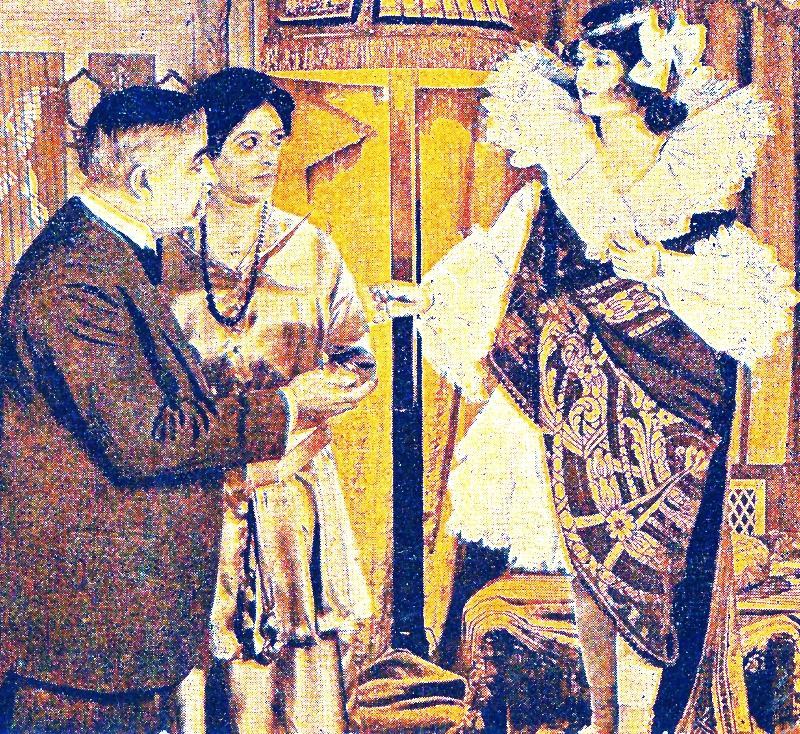
Technically, the 1917 one-reeler elongates to five without narrative bloat; J. Searle Dawley’s tableau style—once derided as stolid—breathes here via nuanced doorframe staging, actors entering from off-screen depths as though stepping out of lived memory. The tinting schema—amber for interiors, cerulean for exteriors, rose for romance—survives only in ledger notes, but digital re-graders have approximated the hues, bathing Clark’s close-ups in a topaz glow that feels almost Eucharistic.
As for performance, Marguerite Clark operates in micro-gestures: the flutter of lashes when the father’s letter arrives, the way she folds a handkerchief into a cathedral while awaiting news. Frank Losee counters with operatic restraint—his breakdown occurs shoulders-first, a slow collapse as though gravity paid old debts. Richard Barthelmess, in an early supporting turn, supplies the film’s sole shaft of unfiltered sunlight; his proposal scene, all stammer and hat-twirl, could teach modern rom-coms the art of anxious ardor.
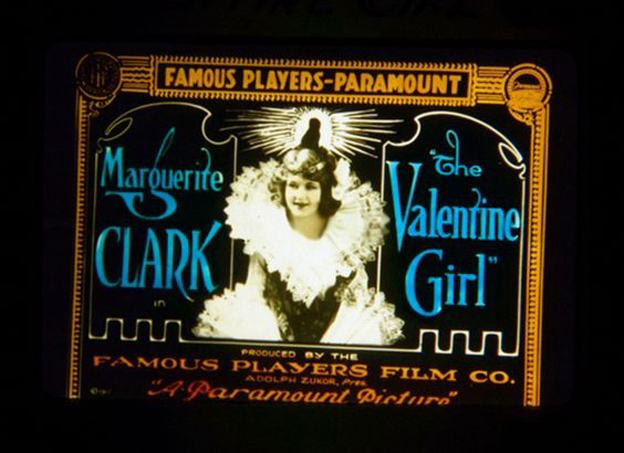
Yet the film’s enduring pulse lies in its Valentine motif: not the saccharine card but the fragile covenant that love, once posted, may return creased, stamped by experience, yet still legible. Marion’s heart, stamped by paternal shame, ultimately arrives back in her trembling hands—edges frayed, ink smeared, yet bearing the postmark of absolution. In an era when melodrama often gorged on ruin, The Valentine Girl chooses the riskier path: it believes people can change, that paper souls can flatten their creases beneath the warm iron of time.
Viewers today, jaundiced by anti-heroes, might scoff at such optimism. Let them. Watch Clark’s final smile—caught in a freeze-frame accidentally created by a lab splice—and try to dismiss the shiver that recognition brings. We are all Valentine cards posted into darkness, hoping to return addressed, edges intact, ink still fragrant with possibility.
IMDb 4
1932
Community
Log in to comment.