DbcultAccessing Vault...
6.4/10
Senior Film Conservator
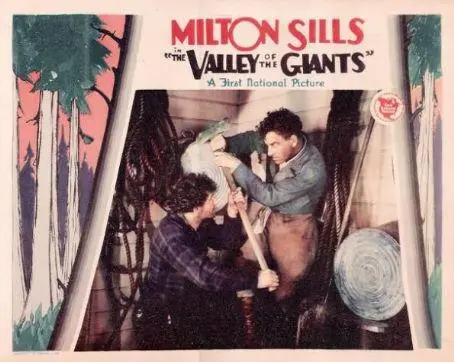
A definitive 6.4/10 rating for a film that redefined the boundaries of cult cinema. The Valley of the Giants remains a cornerstone of transgressive art.
Is this film worth watching today? Short answer: Yes, but only if you have a genuine appreciation for the rugged, physical storytelling of the late silent era. This film is for the preservationist at heart and those who enjoy the archetypal 'man vs. industry' struggle; it is NOT for viewers who require modern pacing or psychological ambiguity.
This film works because it utilizes the natural scale of the California Redwoods to create a sense of awe that no studio set could ever replicate. This film fails because the central romance feels secondary to the industrial conflict, leaving the emotional stakes feeling slightly lopsided. You should watch it if you want to see Milton Sills at the height of his powers as a leading man of action.
The 1927 iteration of The Valley of the Giants is a fascinating artifact of a time when cinema was discovering the power of the great outdoors. Unlike the stagey dramas of the early 1910s, this film breathes. You can almost smell the pine needles and the fresh-cut timber. It is worth watching for the sheer scale of its production. When you see a giant tree fall, it is not a miniature; it is a multi-ton giant crashing through the brush. This visceral reality is something modern CGI often fails to capture. It works. But it’s flawed. The narrative structure is a bit predictable, yet the conviction of the cast carries it through the slower moments.
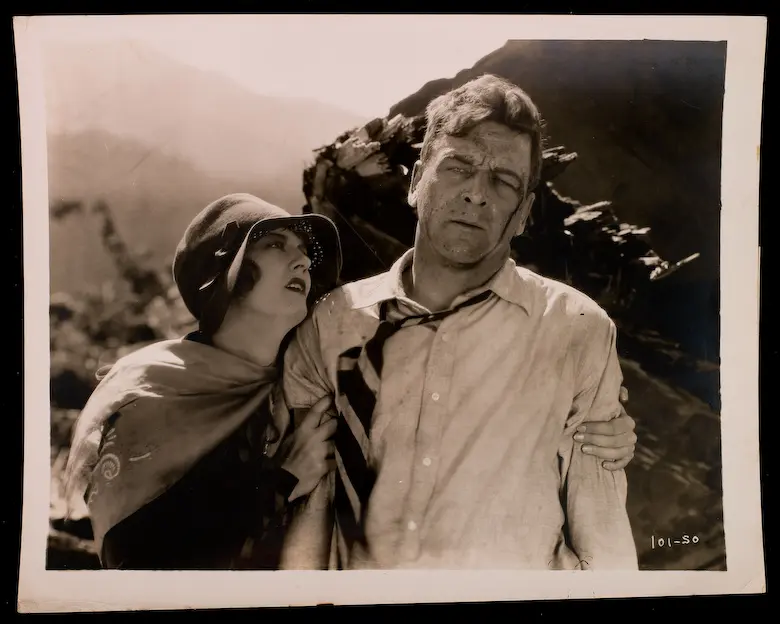
Milton Sills plays Bryce Cardigan with a stoic, brick-wall intensity that was the hallmark of 1920s heroism. He doesn't just act; he occupies the space. In the scene where he first confronts the railroad owner’s men near the clearing, his posture alone conveys a man who is an extension of the forest itself. His performance reminds me of the ruggedness found in Lederstrumpf, where the environment is not just a backdrop but a primary antagonist. Sills has a way of looking at a tree that makes you believe he knows every ring inside it.
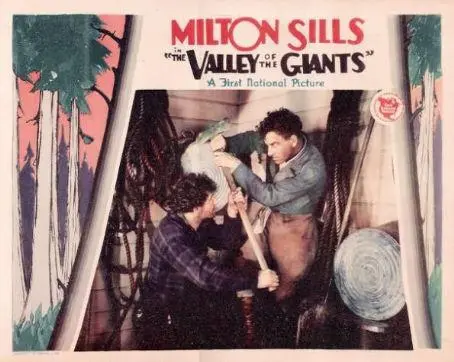
The cinematography by the uncredited camera team is surprisingly sophisticated. They use long shots to emphasize the insignificance of the human figures against the ancient trees. There is a specific moment where the camera tilts up—and up, and up—to follow the height of a Redwood, and for a 1927 audience, this must have been a dizzying experience. It’s a brute of a film. The wood is real. The drama is thick. It lacks the polish of a film like Tea for Three, but it replaces that sophistication with raw, unadulterated power.
At its core, the film is about the clash between two different types of American dreams. On one side, you have the railroad owner, representing the relentless march of industrial progress and the desire to connect the world at any cost. On the other, you have Bryce, who views the land as a sacred trust. This theme is handled with surprising nuance for a silent melodrama. While the tycoon is clearly the villain, his motivations are grounded in the economic realities of the time. This isn't just a mustache-twirling villainy; it’s a systemic one.
The supporting cast, particularly Lon Poff and Doris Kenyon, provide the necessary friction to keep the plot moving. Kenyon, as the love interest caught in the middle, does what she can with a somewhat limited role. Her character is a ward, a legal possession of the antagonist, which adds a layer of 'damsel in distress' tropes that haven't aged particularly well. However, her chemistry with Sills during the quiet moments in the valley provides a necessary respite from the high-stakes corporate maneuvering. It’s a bit like the tension found in The Secret Orchard, where personal secrets threaten to upend social standing.
The 1927 version of The Valley of the Giants is significant because it represents the peak of the silent 'Northwoods' subgenre. It captures a specific American anxiety about the disappearing frontier. By using actual locations and high-budget action sequences, it set a standard for how outdoor epics should look and feel. It moved away from the interior-heavy dramas like Wife Against Wife and took the audience into the wild. The film proved that the environment could be a character as compelling as any human actor.
The pacing of the film is deliberate. It doesn't rush to the climax. Instead, it builds the world of the Cardigan family and the mechanics of the timber industry. We see the logistics of the logging camps, the danger of the work, and the social hierarchy of the woodsmen. This attention to detail makes the eventual sabotage and railroad battles feel earned. If you’ve seen The Gasoline Trail, you’ll recognize the same interest in the 'how' of industry, not just the 'why'.
However, the tone can be jarring. It shifts from sweeping environmental majesty to gritty industrial sabotage, and then suddenly into a soft-focus romance. The transition between the high-octane train sequences and the tender scenes in the valley can feel like two different movies fighting for dominance. In many ways, it’s as tonally diverse as Number 17, though it lacks the comedic elements of that later thriller. The film is at its best when it stays in the dirt and the sawdust.
Pros:
The location shooting is genuinely breathtaking even by today's standards. Milton Sills gives a powerful, grounded performance that anchors the film’s more melodramatic tendencies. The industrial conflict is surprisingly relevant to modern discussions about land use and corporate greed. The train and logging stunts are performed with a terrifying lack of safety gear, giving them an edge that modern films lack.
Cons:
The villain is a bit one-dimensional, lacking the complexity of antagonists in films like Bad Company. The pacing in the second act drags as the film focuses heavily on legal disputes over land rights. Some of the secondary characters are indistinguishable from one another, serving only as background filler for the logging camp scenes.
The Valley of the Giants (1927) is a towering achievement of silent cinema that deserves more recognition than it currently receives. It is a film of immense physical beauty and thematic weight. While it occasionally stumbles over its own melodramatic feet, the core conflict remains compelling. It is a testament to the power of the land and the men who would die to protect it. If you can look past the flickering frame and the absence of sound, you will find a story that is as sturdy and enduring as the trees it depicts. It isn't perfect, but it is essential for anyone wanting to understand the evolution of the American action hero. It stands tall. It demands respect. It is a piece of history that still has something to say about the cost of the ground we stand on.
IMDb —
1927
Community
Log in to comment.