DbcultAccessing Vault...
7.4/10
Senior Film Conservator
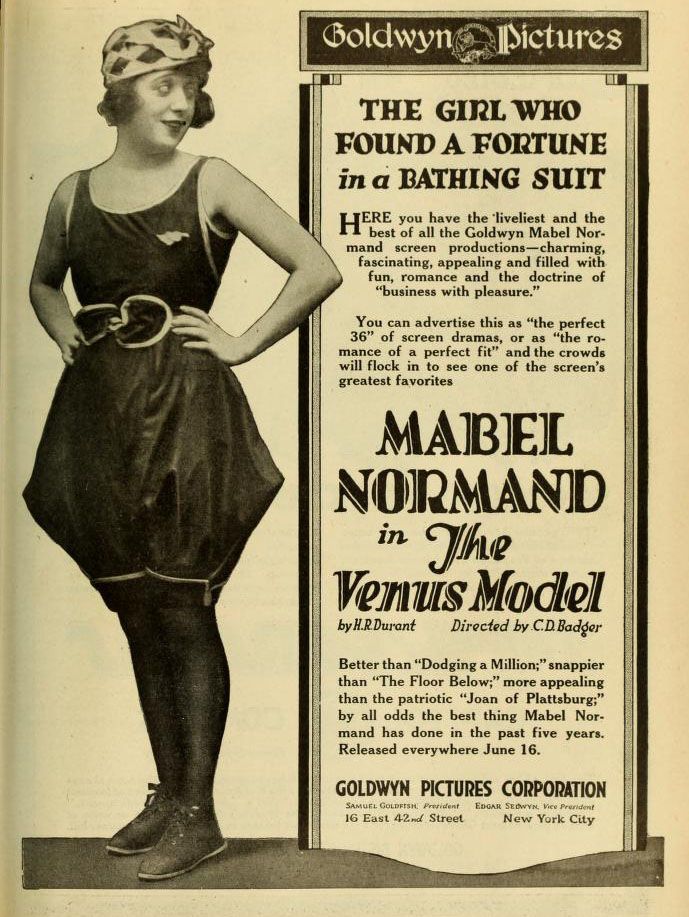
A definitive 7.4/10 rating for a film that redefined the boundaries of cult cinema. The Venus Model remains a cornerstone of transgressive art.
Step back into an era when cinema spoke through grand gestures and evocative intertitles, where the flicker of celluloid ignited imaginations and set trends. In 1918, a film emerged from the nascent Hollywood dream factory, not just as a narrative, but as a cultural commentary on innovation, resilience, and the transformative power of a single, well-placed idea. That film was "The Venus Model", a production that, while perhaps not as widely celebrated as some of its contemporaries today, offers a fascinating window into the societal anxieties and burgeoning freedoms of its time. It’s a story spun from the threads of financial peril, romantic entanglement, and, rather unexpectedly, the revolutionary design of a bathing suit. Far from being a mere trifle, this silent gem posits fashion as a potent force, capable of pulling an entire enterprise back from the brink and, in doing so, weaving a tale of personal triumph and romantic redemption.
At the heart of this sartorial drama is a young lady whose name, unfortunately, is often lost to the mists of time in plot summaries, but whose spirit is brought vibrantly to life by the inimitable Mabel Normand. Normand, a titan of early cinema, embodies the resourceful protagonist with an effortless charm and an underlying strength that truly elevates the material. Her character is not merely a damsel in distress or a passive love interest; she is the engine of the narrative, a creative force whose ingenuity is the linchpin for both commercial success and emotional fulfillment. In an era where female roles, particularly in silent films, could often lean towards archetypes of fragility or seduction, Normand’s portrayal here is refreshingly dynamic. She’s observant, intelligent, and possesses a keen understanding of both design and human nature. Her performance, conveyed through the nuanced expressions and eloquent physicality characteristic of silent film acting, allows us to feel her determination, her flashes of inspiration, and the quiet dignity with which she approaches both her professional and personal challenges.
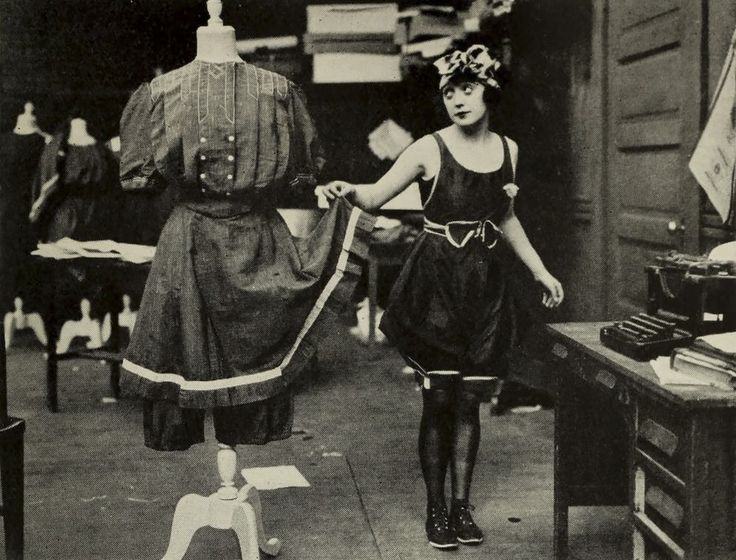
The central MacGuffin, if one can call it that, is the bathing suit itself. But to dismiss it as a mere plot device would be to miss the profound symbolic weight it carries within the film’s narrative. This isn't just any bathing suit; it's a revolutionary design, a garment conceived with an eye towards both aesthetics and practicality, capturing the spirit of a new age where women were increasingly active and seeking attire that reflected their evolving roles. The film beautifully articulates how this singular creation becomes the beacon of hope for an employer (portrayed by Edward Elkas) teetering on the precipice of financial disaster. The impending ruin of the business isn't just a backdrop; it’s a palpable threat that underscores the urgency and importance of our protagonist’s creative genius. The stakes feel genuinely high, lending a thrilling commercial drama element that complements the romantic undertones. This focus on a tangible product, born from the protagonist's skill, grounds the narrative in a relatable reality, making her eventual triumph all the more satisfying. It echoes, in a way, the entrepreneurial spirit seen in films like Hoarded Assets, where financial stakes drive much of the drama, though here, the solution comes from creative innovation rather than hidden fortunes.
As the business fortunes begin to turn, another narrative thread unfurls: the burgeoning romance between our protagonist and the employer’s son, played with a compelling mixture of charm and vulnerability by Rod La Rocque. Their connection feels organic, a natural outgrowth of shared purpose and proximity, but it's quickly complicated by a looming shadow: a romantic scandal threatening to engulf La Rocque's character. In 1918, a "romantic scandal" was not a trivial matter; it could mean social ostracization, professional ruin, and a lasting stain on one's reputation. The film wisely doesn't delve into gratuitous details, allowing the implications of such a predicament to hang heavy in the air, creating a palpable tension. This element adds another layer of complexity to the protagonist’s journey. Not only must she save the business, but she must also navigate the treacherous waters of love with a man whose future is imperiled by past indiscretions. It’s a testament to the film's nuanced writing (by J. Clarkson Miller and Harry R. Durant) that these two seemingly disparate plotlines – business rescue and romantic crisis – are so deftly interwoven, each influencing and escalating the other. The societal judgment faced by La Rocque’s character resonates with the themes of reputation and moral rectitude explored in films like The Morals of Hilda or even the dramatic consequences of relationships in The Fatal Wedding, albeit through a different lens.
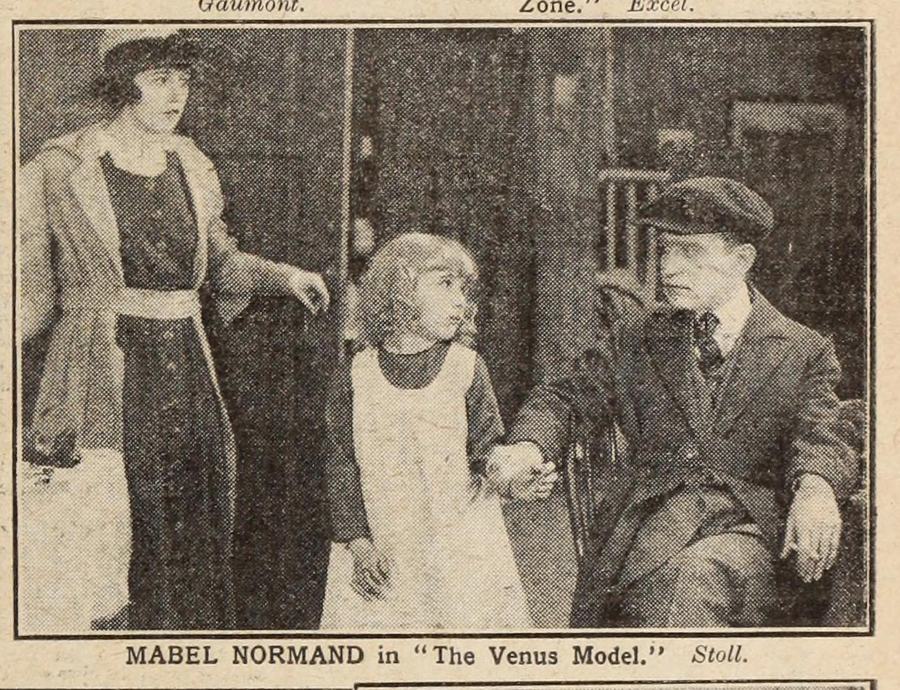
While Normand and La Rocque command the screen, the film is ably supported by a strong ensemble cast. Edward Elkas as the beleaguered employer, for instance, perfectly conveys the weight of impending failure and the subsequent relief, often without the need for intertitles, relying solely on his expressive physicality. Other performances, from Una Trevelyn to Albert Hackett, Nadia Gary, Alec B. Francis, Alfred Hickman, and Edward Boulden, contribute to the rich tapestry of the film's world, each adding depth and context to the central drama. The direction, while perhaps not overtly flashy, is remarkably effective for its time. It understands the power of visual storytelling, utilizing close-ups to capture emotional intensity and wider shots to establish the bustling world of early 20th-century commerce and society. The pacing is deliberate yet engaging, allowing the narrative to unfold naturally, building suspense around both the financial and romantic predicaments. The film’s ability to maintain narrative coherence and emotional resonance without spoken dialogue is a testament to the sophisticated craft of silent era filmmaking, where every gesture, every set piece, and every intertitle had to carry significant weight.
"The Venus Model" is more than just a charming romance or a business drama; it's a subtle yet powerful exploration of themes that resonate even today. At its core is the idea of female agency. Our protagonist, through her talent and initiative, is the architect of her own destiny and, crucially, the savior of others. This stands in stark contrast to many portrayals of women in early cinema and aligns her more closely with independent spirits found in films like Miss George Washington, where female characters exhibit remarkable resourcefulness. The film also champions innovation, showcasing how a fresh idea, even in something as seemingly mundane as swimwear, can disrupt an industry and create new opportunities. This celebration of creativity over stagnant tradition is a timeless message. Furthermore, it delves into the societal pressures surrounding reputation and redemption. The son's scandal isn't merely a plot point; it's a commentary on the unforgiving nature of public opinion and the desperate measures one might take to salvage a tarnished name. The film ultimately suggests that true redemption comes not from hiding secrets, but from facing them, often with the support of those who truly believe in you.
Watching "The Venus Model" today is not merely an exercise in historical appreciation; it’s an opportunity to connect with narratives that, despite their antiquated presentation, speak to enduring human experiences. The film's portrayal of a struggling business, the challenges of innovation, the complexities of love, and the weight of public perception are all elements that remain relevant. It reminds us that the concerns of people a century ago, while expressed differently, were fundamentally similar to our own. The visual language of silent film, with its emphasis on exaggerated expressions and symbolic gestures, offers a unique aesthetic experience, one that encourages active interpretation and engagement from the viewer. It's a testament to the power of pure cinematic storytelling, unburdened by dialogue, relying instead on the universal language of human emotion and visual poetry. Comparing it to other films of its era, one might see echoes of the social commentary in Are They Born or Made? or the intricate character dynamics of The Checkmate, but "The Venus Model" carves out its own distinct niche through its charming blend of fashion, romance, and entrepreneurial spirit.
In conclusion, "The Venus Model" stands as a captivating example of early 20th-century cinema's ability to entertain, inspire, and subtly comment on the societal shifts of its time. It's a film that celebrates the power of individual creativity, the resilience of the human spirit, and the redemptive qualities of both love and ingenuity. Mabel Normand's performance is a particular highlight, anchoring the narrative with her compelling blend of charm and inner strength. While the film might not possess the dramatic gravitas of a Revolución orozquista or the intricate emotional tapestry of a A tanítónö, its unique blend of fashion-forward thinking, romantic intrigue, and business acumen makes it a thoroughly enjoyable and insightful watch. It reminds us that sometimes, the most unexpected solutions can arise from the simplest ideas, and that even in the face of scandal and ruin, a little ingenuity and a lot of heart can truly save the day. For aficionados of silent film, fashion history, or simply well-crafted narratives, "The Venus Model" is a delightful discovery, a shimmering piece of cinematic history that continues to enchant and inform.
IMDb 5.6
1934
Community
Log in to comment.