DbcultAccessing Vault...
6.6/10
Senior Film Conservator
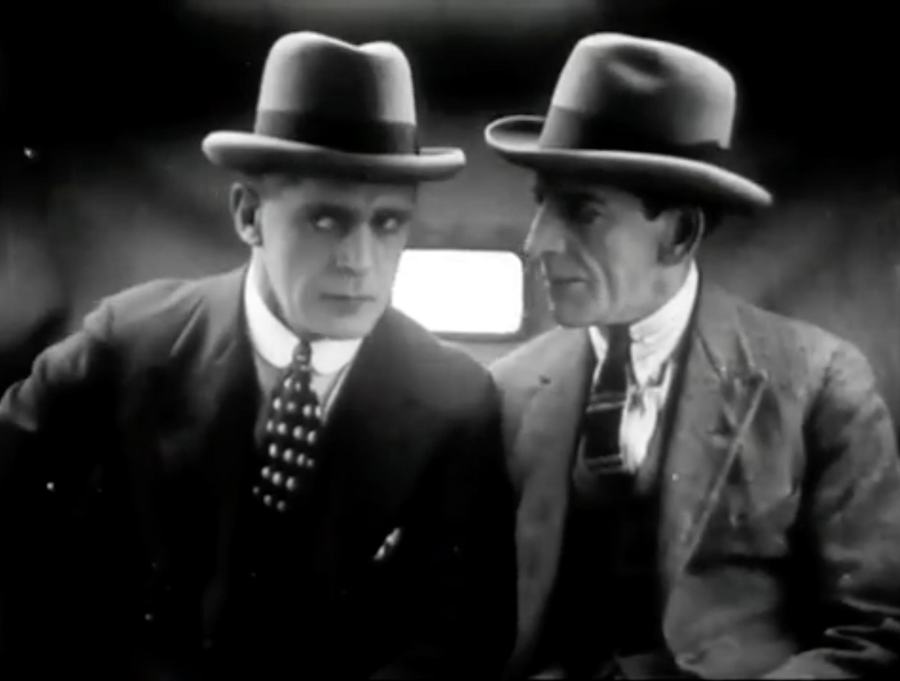
A definitive 6.6/10 rating for a film that redefined the boundaries of cult cinema. The West Case remains a cornerstone of transgressive art.
Stepping into the world of ‘The West Case’ is akin to peeling back the layers of a forgotten epoch, a time when cinema was still finding its voice, yet already captivated audiences with thrilling serials and enigmatic villains. This particular installment, the second in a series, plunges us headfirst into a nocturnal maelstrom of paranoia and international intrigue, a narrative fabric woven with the threads of scientific genius, racial anxieties, and the ever-present shadow of one of pulp fiction's most enduring antagonists. The film, a product of its era, reflects both the nascent artistry of silent storytelling and the cultural biases that regrettably colored much of its popular entertainment. It’s a fascinating, if sometimes troubling, artifact that demands a nuanced examination.
The premise, delivered with the urgency of a midnight alarm, immediately grabs the viewer. Inventor F. N. West, a figure of intellectual prowess and presumably, societal importance, makes a frantic, disoriented call to the police. His house, a sanctuary of innovation, has been breached, not by common thugs, but by ‘china-men’—a term loaded with the xenophobic undertones prevalent in popular culture, largely fueled by the very literary source material this film draws from. Before he can elaborate, West succumbs to a bizarre, narcoleptic state, leaving the authorities, and us, to piece together the fragments of a nightmare. This sudden incapacitation is a brilliant, albeit convenient, plot device, instantly heightening the mystery and ratcheting up the stakes. It’s a classic serial maneuver, designed to leave audiences breathlessly anticipating the next chapter, much like the cliffhangers that defined serials such as ‘The Perils of Pauline’, albeit with a darker, more sinister undercurrent.
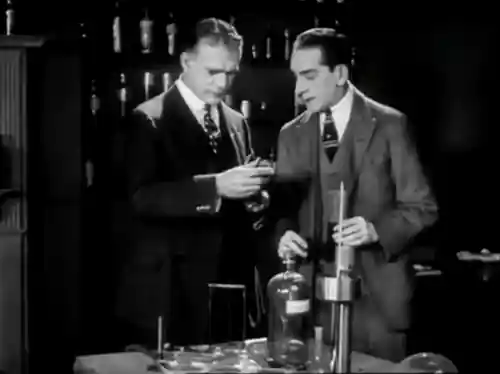
The central question, posed with an almost conspiratorial whisper, asks if the infamous Fu-Manchu has stolen West’s plans. This immediate leap to a specific, super-villainous culprit is not accidental. It grounds the narrative in a pre-existing universe, one crafted by the prolific Sax Rohmer, whose influence as one of the writers is palpably felt. Rohmer’s creation, the diabolical Dr. Fu-Manchu, was the embodiment of the ‘Yellow Peril’ trope, a figure of immense intelligence and ruthless cunning, always seeking to undermine Western civilization. For contemporary audiences, the mere mention of his name would have conjured images of secret societies, exotic poisons, and elaborate schemes. This film, therefore, doesn't just present a mystery; it taps into a wellspring of cultural anxieties, leveraging pre-established fears to generate suspense.
The performances, as is often the case with early silent cinema, rely heavily on exaggerated physicality and facial expressions to convey emotion and intent. Joan Clarkson, a prominent figure of the era, likely brings a sense of earnestness or perhaps defiance to her role, which, given the context of a potentially kidnapped inventor and a shadowy antagonist, might involve her character in the subsequent investigation or rescue efforts. Frank Wilson, who also contributed to the writing, would have had a unique insight into his character's motivations, translating intellectual understanding into visual performance. Wingold Lawrence, Humberston Wright, Fred Paul, and H. Agar Lyons, each stalwarts of the silent screen, would have contributed to the ensemble, painting a picture of a society grappling with unseen threats. Their acting, while perhaps appearing melodramatic to modern eyes, was the lingua franca of cinematic communication at the time, a ballet of gestures and gazes designed to transcend the absence of spoken dialogue.
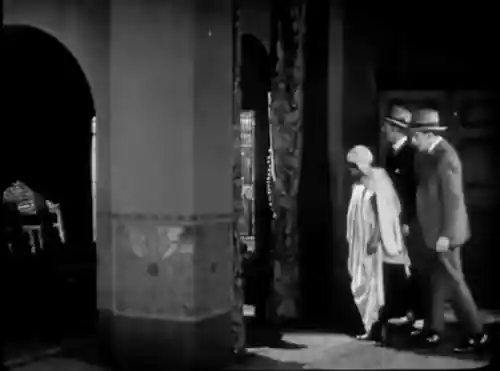
A.E. Coleby, both writer and director, played a crucial role in shaping the visual narrative and pacing. Directing a serial episode requires a keen understanding of suspense building, knowing precisely when to reveal and when to withhold. The challenge lies in maintaining narrative momentum across multiple installments, ensuring each episode delivers a satisfying, yet incomplete, arc. The visual language of ‘The West Case’ would have been paramount: the stark shadows of West's invaded home, the frantic gesticulations of the police, the unsettling stillness of the inventor's unconscious form. These visual cues, coupled with intertitles, were the primary tools for conveying the intricate plot points and emotional beats. One can imagine the use of close-ups to emphasize a key clue or a character's shock, or long shots to establish the ominous atmosphere of the setting, techniques that were still evolving but already effective.
The writing collaboration between Frank Wilson, A.E. Coleby, and Sax Rohmer is particularly intriguing. Rohmer’s literary universe provided the foundation, injecting the story with its distinctive blend of exoticism and peril. Wilson and Coleby were then tasked with translating this verbose, descriptive prose into a visual medium, a process that demanded ingenuity and a deep understanding of cinematic storytelling. They had to distil complex plots and character motivations into actions and expressions, ensuring the narrative remained coherent and compelling without the benefit of extensive dialogue. The episode’s focus on a high-stakes theft of intellectual property, rather than merely a physical attack, elevates the conflict beyond simple crime, positioning it as a battle of wits and technological supremacy, a theme that resonates even in contemporary thrillers.
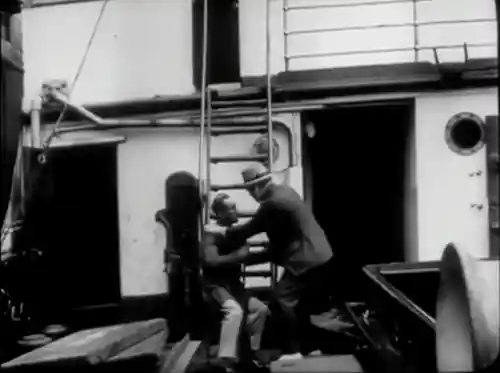
Beyond the immediate thrills, ‘The West Case’ offers a fascinating glimpse into the cultural anxieties of the early 20th century. The figure of the 'china-men' as invaders, driven by a shadowy mastermind, speaks volumes about the prevalent fears of the 'other' and the perceived threat to Western scientific and cultural dominance. While such portrayals are rightly condemned today for their racist foundations, understanding their historical context is crucial for a complete appreciation of the film as a cultural document. It’s a stark reminder of how popular entertainment can both reflect and reinforce societal prejudices. This aspect makes the film not just a piece of entertainment, but a subject for sociological study, revealing the complex interplay between media, public perception, and international relations.
Comparing it to other films of the era, the serial nature of ‘The West Case’ places it firmly within a popular genre that thrived on episodic releases. While ‘Ultus 5: The Secret of the Night’ might explore similar themes of pulp heroism and secret machinations, ‘The West Case’ distinguishes itself through its specific focus on scientific espionage and the insidious threat of an intellectual adversary. The film’s narrative structure, designed to propel audiences from one week to the next, relies heavily on establishing a powerful hook and an unresolved tension, a formula perfected in these early serials. The immediate aftermath of West’s collapse, with the police arriving to a scene of unsettling ambiguity, serves as a potent example of this technique.
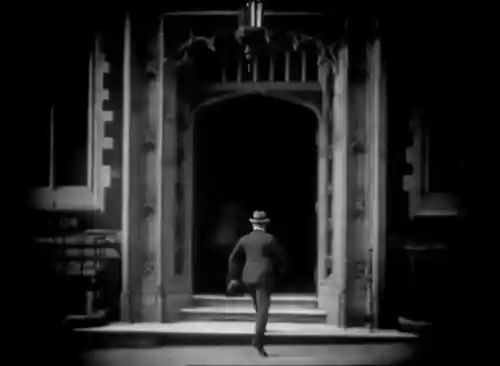
The technical execution, though limited by the technology of the time, would have aimed for maximum impact. Lighting, for instance, would have been crucial in establishing the mood—perhaps stark, high-contrast lighting to emphasize the mystery and danger, creating deep shadows where unseen threats could lurk. The editing would have been precise, cutting between the frantic call, the arrival of the police, and the unconscious inventor, building a sense of urgency and suspense. Even the set design, depicting West’s home as a place of both intellectual brilliance and sudden vulnerability, would have been carefully crafted to convey these dual aspects. These elements, combined, form a cohesive cinematic experience that, despite its age, still possesses a certain raw power to intrigue.
One must also consider the role of the audience in this equation. In an era before widespread radio and television, cinema was a powerful communal experience, and serials like ‘The West Case’ provided a shared weekly ritual of excitement and anticipation. The discussions in lobbies and queues about what might happen next, or who could possibly defeat such a cunning villain, would have been as much a part of the cinematic experience as the film itself. This interactive element, where the audience actively speculated and engaged with the ongoing narrative, fostered a deep connection with the characters and their plight. The collective gasp at West’s sudden collapse, and the shared dread of Fu-Manchu’s potential triumph, would have been palpable.
The thematic undercurrents are also worth exploring. Beyond the obvious xenophobia, there's a theme of vulnerability of genius. West, despite his brilliance, is rendered utterly helpless, his intellect no shield against a cunning adversary. This speaks to a broader societal fear: that even the most advanced minds and technologies could be compromised by hidden, malevolent forces. It’s a narrative that plays on the anxieties of progress, suggesting that every new invention brings with it new vulnerabilities. This vulnerability, coupled with the mysterious narcoleptic state, adds a layer of psychological complexity to what might otherwise be a straightforward detective story. The mind itself becomes a battleground, not just the physical world.
The choice to feature 'china-men' as the perceived invaders, rather than generic villains, is a deliberate one, rooted deeply in the cultural landscape of the time. This specific portrayal, while problematic by modern standards, was a common trope in early 20th-century adventure and mystery fiction, often used to signify an external, exotic, and existential threat to Western values and security. The film’s reliance on this trope highlights the need for contemporary viewers to engage with historical cinema critically, acknowledging its artistic merit while simultaneously dissecting its social implications. It serves as a historical document that, while entertaining, also reflects the less savory aspects of its originating culture. Other films, like ‘Public Be Damned’, might have explored societal dangers from within, but ‘The West Case’ firmly points outwards.
In conclusion, ‘The West Case’ is more than just an early cinematic thriller; it's a window into the narrative conventions, cultural biases, and technical innovations of its era. The episode’s core mystery—the invaded inventor, the strange narcolepsy, and the looming question of Fu-Manchu’s involvement—is crafted with an undeniable flair for suspense, characteristic of the serial format. While its portrayal of certain ethnic groups is undoubtedly a relic of a less enlightened time, the film’s ability to captivate and intrigue through visual storytelling and a compelling plot remains noteworthy. It stands as a testament to the enduring power of mystery and the human fascination with the unknown, reminding us of cinema's humble yet ambitious beginnings, where every flicker of light on screen promised a new adventure and a fresh enigma to unravel.
IMDb —
1916
Community
Log in to comment.