DbcultAccessing Vault...
Cult Review
Senior Film Conservator
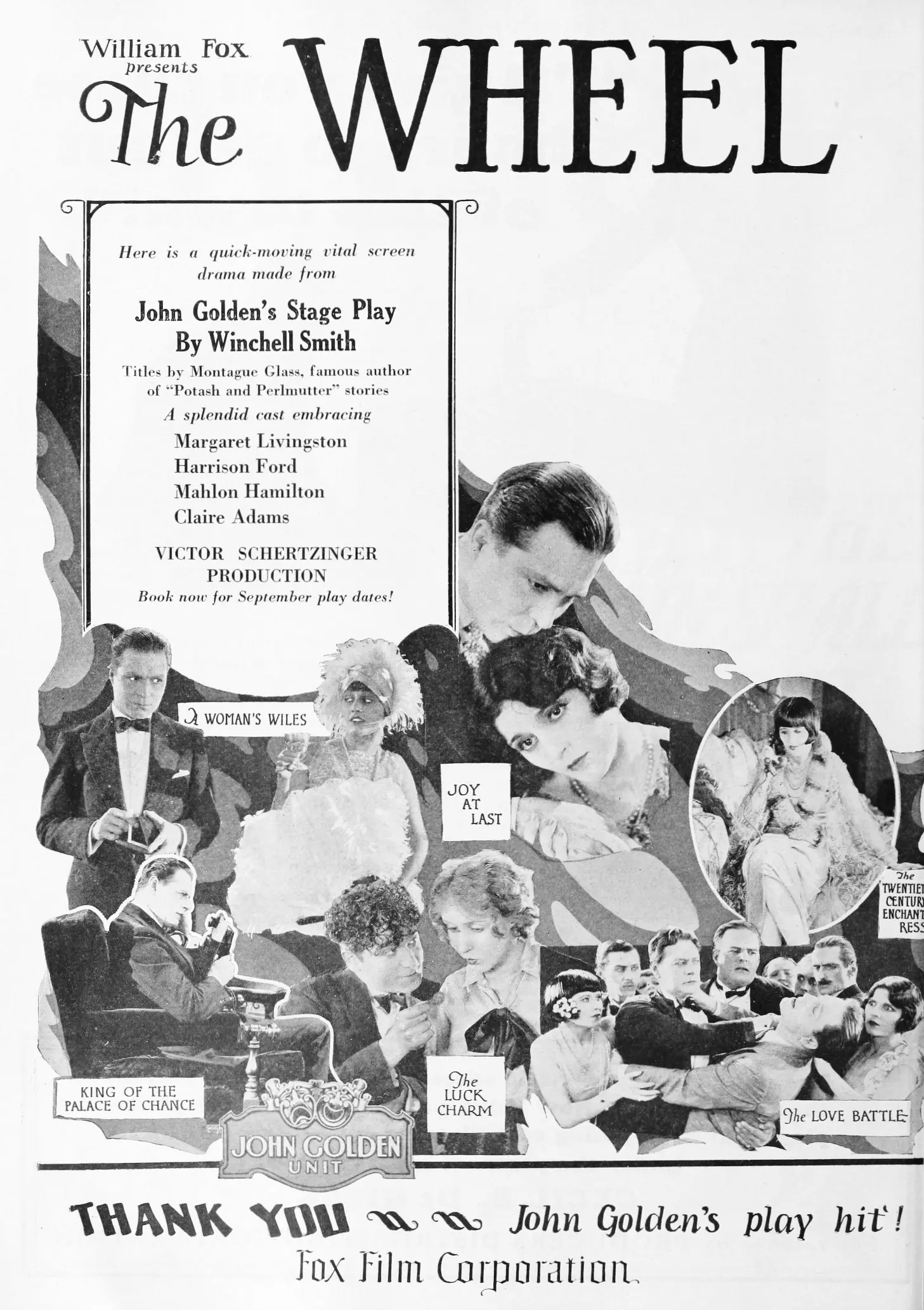
In the silent film era, 'The Wheel' (1925) emerges as a cinematic paragon, weaving a complex narrative that probes the human condition, societal pressures, and the redemptive power of love. This film, a lesser-known gem, warrants critical examination for its thoughtful exploration of themes that remain pertinently relevant today.
The story centers around Ted Morton, the scion of a wealthy banking family, whose life of indulgence is upended by a series of catastrophic events. His reckless behavior at the roulette table, which results in significant financial losses, sets off a chain reaction of consequences that force him to confront the impermanence of his privileged existence. The turbulent dynamics between Ted and his parents, who are desperate to see him settle down with a suitable partner, serve as a catalyst for the plot's progression.
Ted's decision to fabricate a marriage to Kate O'Hara, a milliner of modest means, is a pivotal moment in the film. This rash decision, motivated by a desire to appease his parents, ultimately leads to his downfall. When his parents reject Kate due to her perceived inferior social standing, Ted, in a gesture of defiance, proceeds with the union. This act of rebellion precipitates a period of financial hardship, as his father disowns him, cutting him off from the family's wealth.
Ted's resilience in the face of adversity is noteworthy, as he secures employment as an automobile salesman. However, his vulnerability is exploited by Eddie Baker, a malicious acquaintance with a grudge, who lures Ted back to the roulette table. The ensuing losses prompt a desperate attempt to recoup the funds, which only serves to exacerbate his woes when Kate, in a misguided effort to help, loses an additional substantial sum on a horse bet.
The film's climactic confrontation occurs when Ted misconstrues Baker's actions as evidence of an illicit affair between Baker and Kate. This misinterpretation culminates in a violent confrontation, which, paradoxically, paves the way for the Mortons' eventual acceptance of Kate and Ted's reconciliation. The redemptive arc of the narrative is thus complete, as Ted and Kate emerge from their trials with a deeper understanding of themselves and each other.
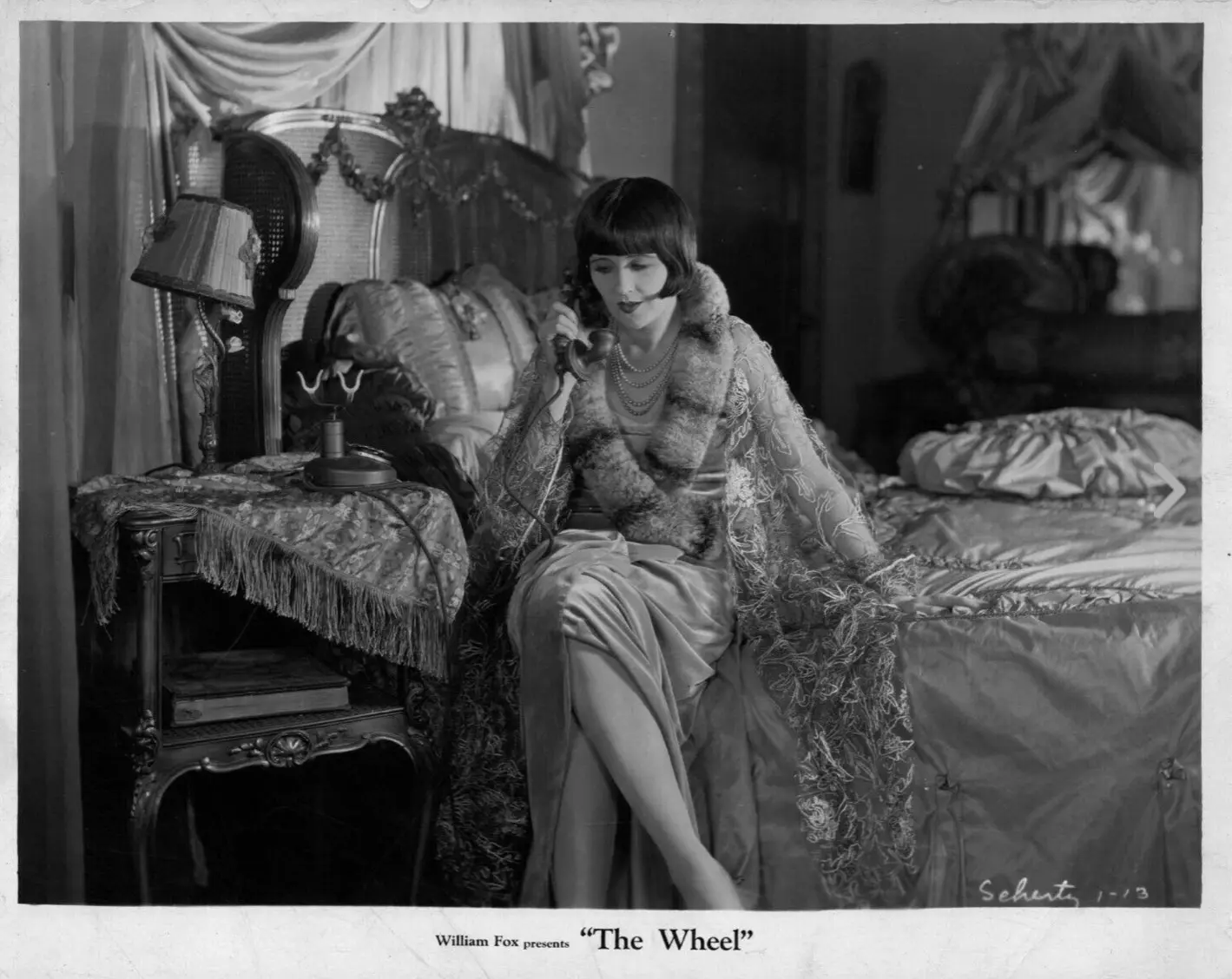
In comparison to other films of the era, such as The Willow Tree and The Winchester Woman, 'The Wheel' stands out for its nuanced portrayal of societal pressures and the constraints they impose on individuals. The film's thoughtful exploration of themes such as class, identity, and redemption resonates with contemporary audiences, lending it a timeless quality that transcends the silent film era.
The performances of the cast, including Erin La Bissoniere, Julia Swayne Gordon, and David Torrence, are noteworthy for their emotional depth and sensitivity. The cinematography, while characteristic of the era, demonstrates a keen visual storytelling sensibility, effectively conveying the narrative's emotional resonance.
In conclusion, 'The Wheel' (1925) is a masterful cinematic achievement that warrants critical recognition for its thought-provoking exploration of the human condition. This film, a hidden gem of the silent era, offers a rich and rewarding viewing experience, replete with themes and motifs that continue to resonate with contemporary audiences.
For those interested in exploring the film's historical context, comparisons can be drawn with other notable works of the era, such as Blutschande, Should William Tell?, and The Belle of Kenosha. These films, while distinct in their narratives, share a common concern with exploring the complexities of human relationships and societal expectations.
Ultimately, 'The Wheel' (1925) stands as a testament to the enduring power of cinema to illuminate the human experience, offering a poignant and thought-provoking exploration of fate, redemption, and social class.
IMDb —
1926
Community
Log in to comment.