DbcultAccessing Vault...
Cult Review
Senior Film Conservator
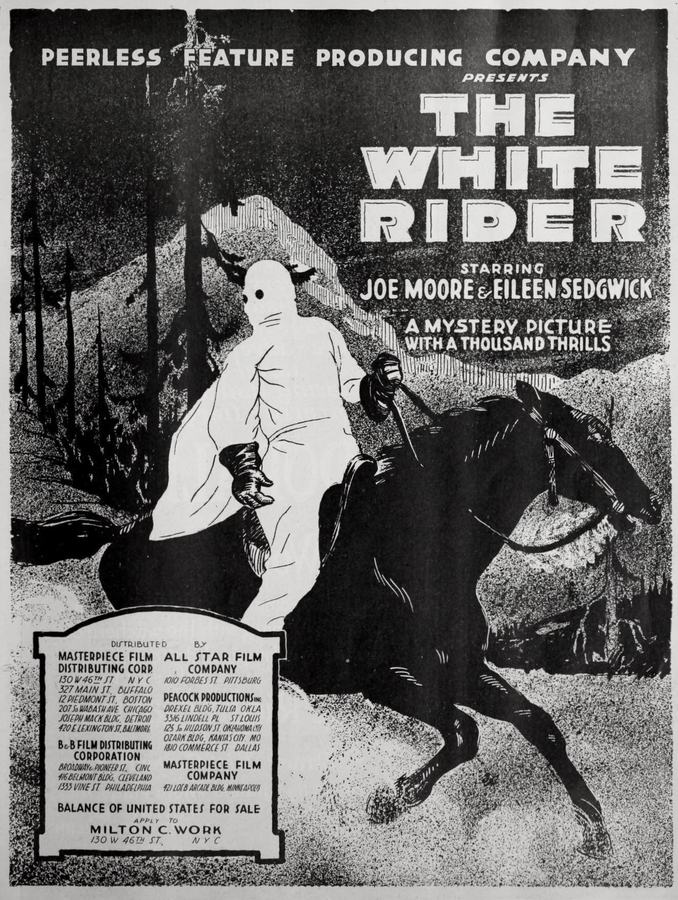
Rawhide’s dusty main street, baked to ceramic hardness, functions as a moral litmus paper: one step and your hue is revealed. William James Craft, juggling writing and second-unit directing chores, treats the boom town like a diorama inside a child’s fever dream—swinging saloon doors that flap like dying crows, a assay office glowing with infernal lamplight, mine shafts yawning like tragic throats. The film’s résumé may promise routine oater tropes, yet the execution veers into expressionist hiccups: shadows pitched at forty-five degrees, a horizon that tilts just enough to unnerve, intertitles lettered in jittery copperplate that echo Grade’s forged signatures. The cumulative effect is less Smashing Barriers knockabout serial than sidewinding parable—Calvinist tract in chaps.
Cinematographer Robert Gray, armed with gauze, mirrors, and a stubborn sun, spins arsenic into aurelian light. Daybreak scenes bloom through over-exposure, turning desert quartz into galaxies; night interiors swim in aquatint murk, faces carved by kerosene haloes. Note the moment the White Rider’s cloak unfurls against a moonlit adobe wall: the fabric catches the wind, becomes a Rothko rectangle of negative space, swallowing light while reflecting it—an economical trick that prefigures the spiritual silhouette of Eyes of the Soul.
Robert Craft’s Chauncey Day wields timidity like a stiletto—soft voice, downward gaze, yet the camera keeps finding his pulse in tight close-ups that betray preternatural vigilance. Compare his minimalist stillness to the flamboyant villainy of Joe Harris’s Jackson Grade, a man who enters every frame as though storming an opera house. Between these poles, Eileen Sedgwick’s Jewel Brand radiates pragmatic warmth; her laughter is never ornamental, it is the very sound of community rebuilding itself.
Craft’s script, lean as a coyote, wastes no scene. Each reel functions like a ledger line: debts accumulate, interest compounds, until the Rider’s revelation balances the books. The extortion scheme—$95,000 skimmed from a $100,000 claim—works as both plot engine and moral yardstick. When the masked avenger waves the authentic deed, the moment lands less as surprise than cosmic recalibration; justice here is arithmetic, not sentiment.
Though originally scored by itinerant pianists, modern festival screenings prove the film works even without accompaniment; its silences are pregnant, the hiss of grain itself becomes a percussive presence. Watch how Craft engineers pauses: after Grade’s staged death, a full seven-second intertitle of blackness allows the audience to marinate in dread—an eternity in 1921 runtime economy.
Unlike the dithering heiresses of The General's Children, Jewel Brand wields a rifle, tends bar, and negotiates ore prices without batting a lash. Her affection for Chauncey germinates not from rescue but from recognition: she spots the steel filament inside his diffident carriage long before the mask comes off. Their final two-shot—hands overlapping on a fence rail—delivers more erotic charge than any clinch in Desire.
For decades the only print languished in a Belgian asylum archive, mislabeled as hygiene reel. A 2018 4K photochemical resurrection by the EYE Institute reveals latent detail: every pore, every frayed hatband. Streaming on niche platforms, the film still trails algorithmic obscurity behind more flamboyant cousins like The Secret Code, yet its stealth influence surfaces in everything from Lone Ranger radio tropes to Nolan’s masked avenger mythos.
The White Rider gallops beyond nostalgia into the realm of ethical fable, proving that a nickelodeon budget can outclass megabuck spectacles when vision is fierce and conscience sharper than a Colt barrel. Seek it out; let its photochemical dusk settle on your retinas. You’ll exit blinking into daylight, newly suspicious of every ledger you ever sign.
IMDb —
1921
Community
Log in to comment.