DbcultAccessing Vault...
Cult Review
Senior Film Conservator
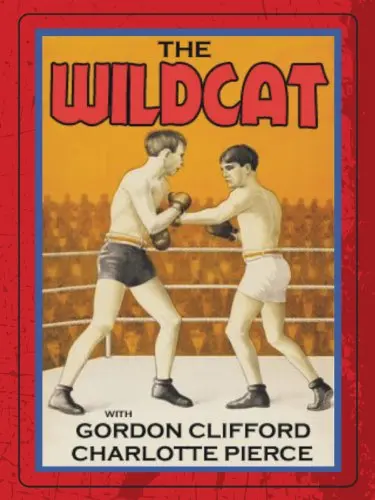
Is The Wildcat (1925) worth your time in the modern era? Short answer: yes, but only if you approach it as a historical artifact of independent filmmaking rather than a polished masterpiece.
This film is for the dedicated silent cinema enthusiast who enjoys seeing the evolution of the 'redemption' trope; it is not for the casual viewer who requires high-octane pacing or sophisticated narrative structures. It occupies a strange middle ground between a character study and a crime procedural, and while it doesn't always land its punches, the effort is visible in every frame.
1) This film works because the location shooting at the ranch provides a visceral sense of isolation that elevates the boxer's internal struggle from mere melodrama to a tangible battle against his environment.
2) This film fails because the introduction of the stolen jewels subplot feels like a narrative afterthought, clashing with the grounded, gritty tone of the first two acts and creating a disjointed viewing experience.
3) You should watch it if you are interested in the 'nature as a cure' motif that dominated 1920s American storytelling, or if you want to see a rare example of a 1920s sports drama that prioritizes the athlete's psyche over the sport itself.
The Wildcat is a film that seems to be at war with its own identity. In the first act, we are presented with a surprisingly dark look at the underbelly of professional sports. Unlike the more polished Lady Windermere's Fan, which deals in the high-society drama of the era, The Wildcat starts in the smoke-filled rooms and booze-soaked parties of the urban boxing circuit. Dick Carter’s performance as the embattled boxer is noteworthy not for its subtlety, but for its raw physicality. He moves like a man who is constantly looking for an exit, capturing the frantic energy of an addict before the term was commonly used in cinematic narratives.
The transition to the ranch is where the film finds its breath. The cinematography shifts from tight, claustrophobic interiors to wide, sweeping shots of the rugged landscape. This isn't the romanticized West seen in some contemporary features; it's a harsh, dusty reality. The contrast is sharp. It works. But it’s flawed. The pacing slows to a crawl as we watch the rehabilitation process, which, while realistic, lacks the dramatic tension needed to sustain a feature-length runtime without the later introduction of the crime elements.
Arthur Millett delivers a standout performance as the manager. He avoids the typical 'greedy promoter' clichés, instead playing the role with a sense of desperate loyalty. There is a specific scene where he pours out a bottle of the boxer's hidden stash; the look of disappointment on his face is more effective than any title card could ever be. It reminds me of the emotional weight found in Her Silent Sacrifice, where the stakes are deeply personal rather than purely external.
Charlotte Pierce, as the ranch girl, provides the necessary emotional anchor for the second half of the film. While her character is somewhat underwritten—serving primarily as a reward for the boxer's sobriety—Pierce brings a level of grit to the role. She isn't just a damsel; she is a product of her environment. When the stolen jewels enter the plot, she handles the shift into action-heroine territory with more grace than the script perhaps deserves. Compared to the lightheartedness of Puppy Love, the romance here feels earned through shared hardship.
Technically, The Wildcat is a mixed bag. The lighting in the ranch scenes utilizes natural sunlight to great effect, creating harsh shadows that mirror the boxer's internal conflict. However, the editing is often jarring. Transitions between the serene ranch life and the mounting tension of the jewel heist feel abrupt. It lacks the fluid visual storytelling seen in Sången om den eldröda blomman, which used its natural settings to create a more cohesive atmosphere.
The 'wildcat' of the title refers as much to the boxer's temperament as it does to the predatory nature of the criminals he eventually faces. The film's insistence on including a crime subplot is its biggest weakness. It feels like the producers didn't trust the audience to stay engaged with a pure redemption story. This was a common issue in mid-20s independent cinema, where genre-blending was often used as a safety net. We see similar tonal shifts in films like The Frame-Up, where the central premise is occasionally eclipsed by unnecessary plot complications.
Does The Wildcat (1925) offer a rewarding experience for modern audiences?
Yes, provided you are looking for a window into the transition of silent film storytelling. It offers a unique look at the 'fallen athlete' archetype and features strong location work that predates the more famous westerns of the 1930s. It is a gritty, unpolished gem that rewards patience but punishes those looking for a standard action flick.
One of the most surprising elements of The Wildcat is its treatment of the 'manager' character. In most boxing films, the manager is a parasite. Here, he is a savior. This subversion of the trope adds a layer of warmth to an otherwise cold and dusty film. It suggests a brotherhood that is often absent in the 'every man for himself' world of early crime dramas like The Libertine. It’s a small detail, but it changes the entire emotional resonance of the boxer's journey.
The Wildcat is a fascinating failure. It attempts to weave together a sensitive story of recovery with a high-stakes crime thriller, and while the threads don't always hold together, the individual strands are compelling. It lacks the polish of A Certain Rich Man, but it makes up for it with a sense of grit and genuine perspiration. It’s a film that smells of dust and cheap whiskey. It is a reminder that even in 1925, filmmakers were struggling with the balance between character and spectacle. Watch it for the performances and the scenery, but be prepared for a narrative that occasionally loses its way in the sagebrush.
IMDb —
1928
Community
Log in to comment.