DbcultAccessing Vault...
Cult Review
Senior Film Conservator
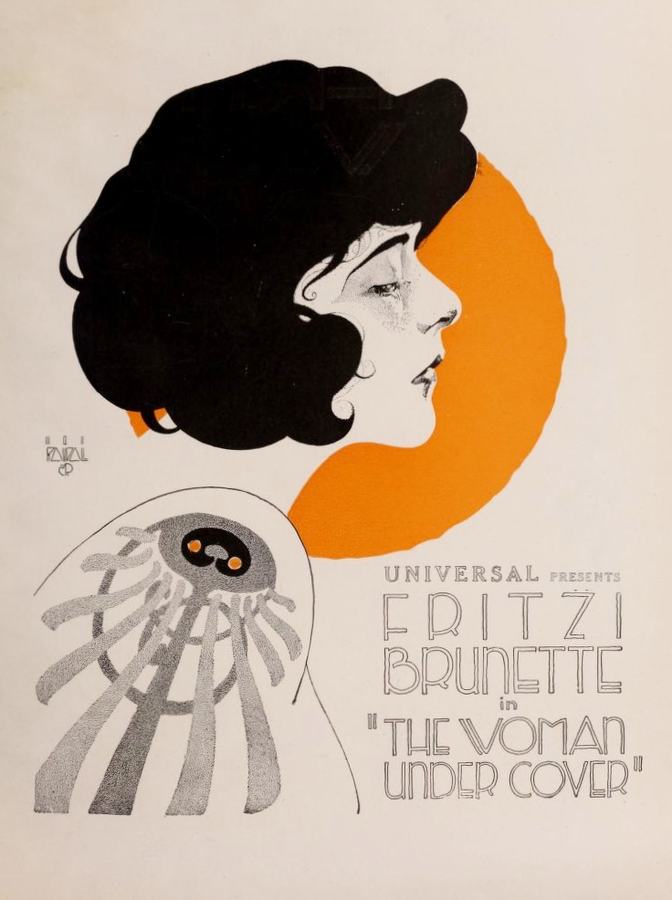
In the nascent years of cinematic storytelling, when the world communicated primarily through the stark poetry of black and white, and narratives unfolded with the dramatic flourish of intertitles, certain films emerged as potent reflections of their era’s anxieties and moral complexities. The Woman Under Cover, a 1917 offering, stands as a compelling testament to the power of early cinema to delve into the murkier depths of human nature, presenting a tapestry woven with threads of ambition, desperation, murder, and the agonizing pursuit of justice. It’s a melodrama, certainly, but one infused with a raw, almost visceral energy that transcends mere sensationalism, inviting contemporary audiences to ponder the timeless questions it poses about loyalty, sacrifice, and the often-blurry line between right and wrong.
The film plunges us directly into the tumultuous world behind the glittering proscenium arches of Broadway, a setting that, even in its silent depiction, vibrates with an undercurrent of ambition and precarious success. Here, we encounter Jack Rollins, a celebrated figure whose star shines brightly, yet whose personal life is mired in a callous indifference towards his wife, Yvonne Leclaire, a dancer whose own dreams and aspirations seem to have been overshadowed by his burgeoning fame. The narrative ignites with a brutal swiftness: Jack’s flippant declaration of being ‘tired of her’ acts as the spark, igniting a furious backstage quarrel that culminates in a tragic, irreversible act. Yvonne, pushed to the brink of emotional collapse, fires a fatal shot, extinguishing not only Jack’s life but also, seemingly, her own future.
This pivotal moment, rendered with the stark visual language of silent film, immediately establishes the high stakes and moral ambiguity that will permeate the entire story. The choice to portray Yvonne’s act as a desperate outburst rather than cold-blooded premeditation immediately elicits a degree of tragic sympathy, even as it condemns her actions. It's a testament to the writers, Harvey F. Thew and Sada Cowan, that they managed to craft a scenario that, while melodramatic, feels rooted in a credible, albeit extreme, human reaction to emotional abandonment and betrayal. The immediate aftermath introduces Billy Jordan, a 'chorus man' whose dissolute nature and opportunistic gaze seal Yvonne’s fate in a different kind of prison. Witnessing her frantic attempt to conceal the weapon, Billy seizes his chance, extorting a desperate marriage proposal from Yvonne in exchange for his silence. This pact, born of fear and desperation, sets the stage for a convoluted web of deceit and moral compromise that ensnares multiple lives.
The performances, even through the veil of time and the absence of spoken dialogue, resonate with a compelling intensity. Fritzi Brunette, as Yvonne Leclaire, carries the immense burden of her character’s guilt and escalating paranoia with remarkable conviction. Her facial expressions, her gestures, and the very posture she adopts convey the internal torment of a woman trapped by a single, catastrophic decision. Brunette masterfully portrays Yvonne's descent from a desperate lover to a woman teetering on the precipice of madness, a journey that is both harrowing and profoundly tragic. Her performance, especially in the later stages of the film, where Yvonne's sanity begins to unravel, is particularly powerful, demonstrating the nuanced emotional range possible within the constraints of silent acting. Harry Spingler, as the opportunistic Billy Jordan, crafts a character who is simultaneously repulsive and pitiable. Spingler imbues Billy with a certain pathetic charm, making his venality all the more insidious. His portrayal of a man driven by self-interest, yet perhaps also by a misguided desire for stability, adds layers to a character who could easily have been a one-dimensional villain.
The supporting cast, including Carl Stockdale, Fred Gamble, George A. McDaniel, Fontaine La Rue, Edward Cecil, and Marian Skinner, each contribute to the film’s rich dramatic texture. Marian Skinner, in particular, shines as Alma, Billy’s 'sob sister' reporter sibling. Alma is arguably the moral compass of the film, a woman torn between familial loyalty and professional integrity. Her unwavering dedication to her brother, stemming from a solemn promise made to their dying mother, forms the emotional core of her character. This familial bond, however, clashes dramatically with her burgeoning romance with her editor, Mac, who has repeatedly proposed marriage, only to be rebuffed by Alma’s sense of obligation. The ethical dilemma faced by Alma is reminiscent of the profound personal sacrifices explored in melodramas like When Love Is Blind, where love and duty often stand in stark opposition, forcing protagonists into agonizing choices.
The narrative gains further momentum when Billy, sensing Yvonne’s waning interest and her growing affection for a new, wealthy suitor, decides to play his trump card. Without his sister’s knowledge, he sensationally relays his story to the newspaper, setting in motion a chain of events that will irrevocably alter all their lives. This act of betrayal, born of desperation and perhaps a twisted sense of self-preservation, highlights the film’s exploration of the corrosive effects of secrets and the lengths to which individuals will go to protect themselves or advance their own interests. The newspaper, under threat of mass firings by its owner unless a major scoop is secured, becomes an unwitting catalyst for Alma’s ultimate moral test. Mac, unaware of Billy’s direct involvement, assigns Alma to investigate the very story that implicates her brother.
The tension builds masterfully as Alma, with her keen journalistic instincts, pursues the truth. Her confrontation with Yvonne is a tour de force of silent drama, as Alma skillfully extracts a confession from the increasingly unstable woman. Brunette's portrayal of Yvonne's descent into madness during this scene is particularly chilling, a vivid depiction of a mind shattered by guilt and fear. Yet, it is in the aftermath of this triumph that Alma faces her greatest personal crisis. The revelation of Billy’s entanglement in the crime, and his role in bringing the story to light, presents her with an agonizing dilemma: expose her brother and fulfill her professional duty, or protect him and betray the journalistic principles she holds dear. This ethical tightrope walk is a powerful thematic thread, echoing the profound moral quandaries seen in films like The Question, where characters are forced to confront the harsh realities of their choices and their consequences.
Harvey F. Thew and Sada Cowan’s screenplay is particularly commendable for its intricate plotting and its willingness to explore uncomfortable truths about human nature. They craft a narrative that, while adhering to the dramatic conventions of the era, delves into complex psychological territory. The film doesn’t shy away from depicting the darker aspects of ambition, the fragility of morality under duress, and the devastating ripple effects of a single violent act. The resolution of Alma’s dilemma is both pragmatic and deeply romantic. She chooses to give the story to Mac, fulfilling her professional obligation, but then makes the profound decision to leave the paper and marry him. This choice signifies a shift in her priorities, a recognition that while truth and justice are paramount, so too are personal happiness and the commitment to those she loves. Their vow to help Billy, despite his profound missteps, adds a layer of redemptive hope to an otherwise grim narrative, suggesting that even in the face of profound moral failings, there is still a path towards healing and support. This theme of navigating difficult family situations and seeking redemption, even after significant transgressions, finds resonance with the struggles depicted in films like Daughter of Maryland, where familial bonds are tested by external pressures and internal conflicts.
Visually, The Woman Under Cover, like many films of its period, relies heavily on theatrical staging and expressive cinematography to convey emotion and propel the plot. The use of close-ups to capture the nuanced expressions of Fritzi Brunette’s Yvonne and Marian Skinner’s Alma is particularly effective, allowing the audience to intimately connect with their internal struggles. The set designs, though perhaps simple by today’s standards, effectively evoke the different environments – from the bustling backstage of a theater to the more intimate, tension-filled domestic spaces. The editing maintains a brisk pace, ensuring that the dramatic tension never flags, a crucial element in keeping silent film audiences engaged. The intertitles, far from being mere expository tools, are crafted to enhance the dramatic impact, often employing evocative language that mirrors the heightened emotions on screen.
The film also provides a fascinating glimpse into the societal attitudes of the early 20th century, particularly regarding the role of women in the workplace and within the family. Alma’s profession as a 'sob sister' reporter highlights the evolving opportunities for women in journalism, even as her personal life is still heavily influenced by traditional expectations of familial duty. The moral scrutiny applied to Yvonne’s actions, and her subsequent breakdown, also reflects contemporary views on female hysteria and the consequences of transgressing societal norms. In its exploration of moral decay and the dark underbelly of human desire, one could draw parallels to the grim realism sometimes found in European cinema of the era, such as Fior di male, which similarly delved into the destructive consequences of passion and misdeeds.
Ultimately, The Woman Under Cover is far more than a historical curiosity. It is a robust, emotionally resonant drama that tackles universal themes with a surprising degree of sophistication for its time. The performances, especially by Brunette and Skinner, elevate the material, transforming what could have been a mere potboiler into a compelling study of character under extreme duress. The narrative’s careful construction, culminating in Alma’s profound personal and professional resolution, speaks to the enduring power of ethical dilemmas to drive compelling storytelling. For enthusiasts of silent cinema, or indeed anyone interested in the foundational narratives of film, this picture offers a rich, thought-provoking experience, a testament to the fact that even without spoken words, cinema could articulate the most complex and heart-wrenching aspects of the human condition. It serves as a stark reminder that the 'golden age' of Hollywood was built upon these early, often audacious, explorations of morality and the human spirit. The film's conclusion, while offering a semblance of resolution, leaves a lingering sense of the profound costs exacted by the choices made, a sentiment often evoked in stories of lost innocence and arduous redemption, much like the thematic undertones found in The Stolen Paradise.
Its legacy lies not just in its dramatic tension or its period-specific charm, but in its ability to probe the depths of human fallibility and the enduring quest for integrity amidst chaos. It’s a film that asks us to consider the true price of secrets and the intricate dance between personal desire and collective responsibility, a powerful piece of early cinematic art that continues to resonate with its timeless exploration of the human heart's complex motives.
IMDb —
1916
Community
Log in to comment.