DbcultAccessing Vault...
Cult Review
Senior Film Conservator
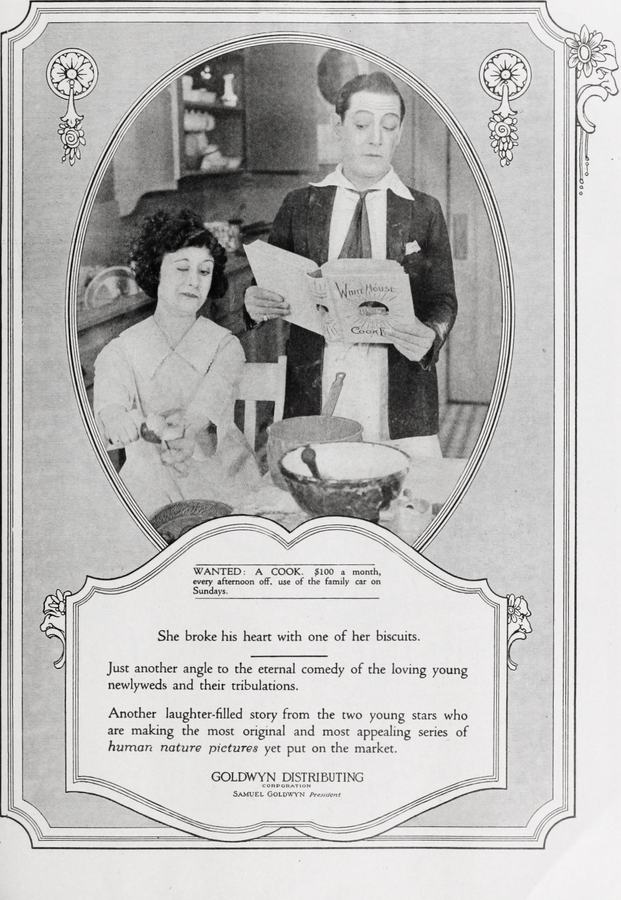
In the annals of silent cinema, where the grand gestures and exaggerated expressions often spoke volumes more than any dialogue ever could, there exists a particular charm in the domestic comedies that sought to find humor in the everyday. Among these gems, 'Their Day of Rest' stands out as a delightful, if utterly chaotic, exploration of marital bliss swiftly derailed by unforeseen circumstances and the best, yet worst, intentions. This isn't a tale of epic adventure or profound drama; rather, it's a finely honed piece of comedic craftsmanship, meticulously designed to wring every possible laugh from a simple premise: a newly married couple's first Sunday at home, envisioned as a sanctuary of peace, descends into a maelstrom of culinary mishaps and social blunders. The film, starring the charismatic duo Flora Parker DeHaven and Carter DeHaven, invites its audience to witness a meticulously orchestrated pandemonium, proving that sometimes, the most profound humor emerges from the most relatable, and often most frustrating, human experiences. It’s a testament to the era’s ability to tell a compelling, laugh-out-loud story without uttering a single word, relying instead on the universal language of physical comedy and expressive performance.
The narrative arc of 'Their Day of Rest' is a masterclass in comedic escalation, beginning with a seemingly innocuous setup. Our newlywed protagonists, brimming with the optimism of fresh matrimony, anticipate a tranquil Sunday, a day of quiet domesticity and shared intimacy. This idyllic vision, however, is swiftly shattered by Mr. Newlywed’s hubris. In a moment of unguarded pride, he extols his wife's supposed culinary genius to his office associates, painting a vivid, and likely exaggerated, picture of her unparalleled cooking skills. This boast, a seemingly harmless indulgence, sets the entire catastrophic chain of events into motion. His colleagues, perhaps sensing an opportunity for a free meal or simply intrigued by the glowing endorsement, promptly invite themselves to Sunday dinner. The sudden imposition transforms the couple’s anticipated day of rest into an immediate, high-stakes culinary challenge. This initial pivot from serenity to frantic preparation is expertly handled, showcasing the subtle shift in the characters' demeanor from relaxed contentment to burgeoning panic. The film cleverly uses this social obligation as the first domino, demonstrating how quickly a simple social interaction can spiral into an overwhelming burden, particularly for those ill-prepared to meet its demands. The sheer audacity of the uninvited guests, coupled with the Newlywed's polite inability to refuse, establishes a comedic tension that permeates the rest of the film.
As if the unexpected dinner guests weren't enough, the plot thickens with the arrival of the wife's friends, whose attempts to 'help' prove to be the most potent accelerant for the ensuing chaos. In a truly bizarre and wonderfully absurd turn, these well-meaning but utterly misguided companions decide to advertise in the local papers for a cook, inexplicably providing the Newlywed's home address. This single act of profound misjudgment ushers in a parade of unsuitable applicants, each more comically inept than the last, creating a farcical revolving door of hopefuls at the couple's front door. The visual gag of a continuous stream of quirky characters, each with their own peculiar mannerisms and questionable qualifications, vying for a position that doesn't truly exist, is a testament to the film's clever use of physical comedy. This sequence is reminiscent of the kind of escalating absurdity seen in other era comedies where domestic harmony is upended by external forces, such as the misadventures in Double Trouble, though 'Their Day of Rest' manages to keep its focus tightly on the home. The culmination of this bizarre recruitment drive is the ultimate domestic betrayal: the couple's existing cook, misinterpreting the influx of hopeful replacements as a sign of her imminent dismissal, packs her bags in a huff and departs, leaving the newlyweds utterly stranded. This moment is particularly poignant, as it severs their last lifeline to a semblance of order, forcing them into the very culinary arena they had hoped to avoid. The abrupt departure of the cook is a pivotal turning point, transforming a mere inconvenience into an existential domestic crisis, highlighting the fragility of early marital life when confronted with unforeseen pressures.
With no cook and an ever-increasing number of expectant guests, the Newlyweds are left with no recourse but to tackle the dinner preparations themselves. What follows is a magnificent display of kitchen-based slapstick, a true highlight of the film. The kitchen, once a symbol of domestic order, transforms into a battleground of flour explosions, burning pans, and general culinary incompetence. Flora Parker DeHaven and Carter DeHaven, as the beleaguered couple, excel in this sequence, their expressions oscillating between desperate determination and utter despair. Their comedic timing is impeccable, each dropped pot, spilled ingredient, and near-miss with a sharp utensil contributing to a crescendo of chaotic hilarity. The physical comedy here is paramount, demonstrating how silent films could convey intricate narratives of frustration and folly without dialogue. One might draw parallels to the frantic, often self-inflicted predicaments of characters in films like Cupid's Roundup, where the simplicity of daily life is often complicated by unforeseen circumstances and human error. However, 'Their Day of Rest' grounds its humor firmly in the relatable, albeit exaggerated, struggles of a couple ill-equipped for the demands suddenly placed upon them. The sequence is not merely a series of gags; it's a narrative of escalating pressure, where every failed attempt to salvage the meal only deepens their predicament, pushing them closer to the brink of culinary collapse. The raw, unadulterated panic in their eyes, combined with the frantic, almost balletic movements around the kitchen, creates a visually engaging and thoroughly entertaining spectacle. The audience is left to wonder not just what they will serve, but if they will even survive the cooking process with their sanity intact.
The culmination of the kitchen antics arrives with the serving of dinner, an event that lives up to all the chaotic foreshadowing. The resulting meal, a testament to their amateur efforts and the sheer impossibility of their task, is hilariously inedible. The guests, initially expectant and perhaps a little smug, are confronted with a culinary abomination, their polite smiles slowly contorting into expressions of confused dismay and thinly veiled disgust. The film cleverly uses the guests' reactions as a mirror to the couple's own mortification, amplifying the comedic effect. Each grimace, each hesitant taste, each exchanged glance among the guests, contributes to the growing realization that this dinner is a spectacular failure. The humor here is derived from the social awkwardness and the polite yet palpable revulsion. It's a universal scenario, albeit exaggerated for comedic effect, where hospitality goes terribly wrong. The scene is a masterclass in non-verbal storytelling, with every gesture and facial contortion conveying the utter disaster unfolding on the dining table. The sheer audacity of what is presented, contrasted with the initial boast that sparked the whole affair, creates a delicious sense of ironic justice. The silence of the dinner table, punctuated only by the sounds of hesitant cutlery and uncomfortable coughs, speaks volumes. This sequence is not just about bad food; it's about the shattering of social expectations and the uncomfortable truth that sometimes, despite one's best efforts, things can go spectacularly wrong. It offers a comedic reflection on the perils of overpromising and the inevitable crash when reality fails to meet exaggerated expectations, making it a relatable, if extreme, portrayal of domestic blunders.
The film's resolution is as charmingly pragmatic as it is comically understated. Recognizing the utter failure of their domestic endeavors, and perhaps driven by genuine hunger, the entire party — hosts and guests alike — abandons the disastrous dinner and decamps to a local lunch counter. This collective exodus is a moment of shared humanity, a tacit acknowledgment that sometimes, the simplest solution is the best. Here, in the unpretentious setting of a diner, they finally enjoy a hearty, satisfying meal. This ending provides a comforting sense of closure, not by rectifying the initial chaos, but by embracing a more humble, achievable reality. It’s a wonderful comedic punchline that underscores the film’s underlying message: sometimes, the pursuit of domestic perfection is futile, and genuine satisfaction can be found in simplicity and shared experience, even if it's over a plate of diner food. This final scene, far from being a defeat, feels like a victory for common sense and good humor. It’s a gentle reminder that life’s greatest pleasures are often the simplest, and that sometimes, the best way to recover from a grand failure is to laugh it off and find solace in the ordinary. The shared meal at the lunch counter symbolizes a return to normalcy, a collective sigh of relief, and perhaps even a stronger bond forged through shared comedic suffering. The film eschews a grand, dramatic conclusion for something far more human and relatable, leaving the audience with a smile and a chuckle. The scene offers a stark, yet humorous, contrast to the chaotic aspirations of the day, suggesting that perhaps the 'day of rest' they sought was found not in their home, but in the unassuming comfort of a public eatery, where the pressure to perform simply vanished.
Flora Parker DeHaven and Carter DeHaven, a real-life married couple, bring an authentic chemistry and impeccable comedic timing to their roles. Their performances are the linchpin of 'Their Day of Rest,' anchoring the escalating absurdity with relatable human reactions. Flora Parker DeHaven, as the wife, masterfully conveys a spectrum of emotions, from initial hopeful anticipation to bewildered frustration and ultimate resignation. Her expressive face and nimble physical comedy are a joy to behold, particularly during the kitchen sequence where her exasperation becomes increasingly palpable. Carter DeHaven, as the boastful but ultimately hapless husband, provides the perfect foil. His initial swagger quickly dissolves into frantic panic, and his attempts to assist in the kitchen only add to the pandemonium, often making things worse with well-intentioned but clumsy actions. Their interplay is seamless, a testament to their experience and understanding of each other's comedic rhythms. The film's pacing is another strong suit, building momentum steadily from the initial boast to the climactic kitchen chaos. The intertitles are used sparingly and effectively, serving to advance the plot or highlight key emotional states rather than bogging down the visual flow. This judicious use ensures that the visual gags and physical comedy remain the primary drivers of the narrative, a hallmark of superior silent film direction. The rapid-fire sequence of applicants at the door, for instance, is a marvel of editing and performance, each quick cut and exaggerated character adding to the overall comedic rhythm. The film's ability to maintain a high level of energy without feeling rushed or overwhelming is a delicate balance, perfectly struck here. Unlike some longer, more sprawling silent features such as Prinz Kuckuck - Die Höllenfahrt eines Wollüstlings, which delve into more complex psychological territory, 'Their Day of Rest' excels in its brevity and focus, delivering maximum comedic impact within its concise runtime. The DeHavens' combined charisma transforms what could have been a simple series of gags into a cohesive, character-driven comedic narrative, solidifying their status as masters of the silent screen.
'Their Day of Rest' is more than just a series of funny incidents; it subtly explores themes that resonate even today. At its core, it's a commentary on the pressures of domesticity and societal expectations placed upon newly married couples. The husband's pride, the wife's desire to please, and the well-meaning but disastrous interference of friends all highlight the delicate balance required to maintain harmony in a new household. The film playfully critiques the idealized image of domestic bliss, showing how easily it can be shattered by a combination of human error, external pressures, and sheer bad luck. It also touches upon the universal experience of hospitality gone awry, a theme that can be found across various cultures and eras. The film's enduring appeal lies in its timeless humor and its relatable portrayal of everyday mishaps. Everyone has experienced a situation where their best intentions led to unforeseen complications, or where a simple plan spiraled into chaos. This universal relatability ensures that 'Their Day of Rest' continues to elicit genuine laughter, decades after its initial release. While it doesn't delve into the darker psychological complexities of films like Shame or The Devil, it offers its own brand of human folly, lighter in tone but equally insightful into the absurdities of life. The film also provides a fascinating glimpse into the social mores of its time, particularly the roles and expectations placed upon men and women in a domestic setting, albeit through a comedic lens. The wife's initial assumed role as the domestic goddess, and her subsequent hilarious struggle when forced to embody it, offers a subtle commentary on gender roles that, while presented for laughs, still holds a mirror to societal constructs. It’s a film that reminds us that sometimes, the greatest wisdom lies in not taking life, or oneself, too seriously, and that a good laugh can be the best remedy for any domestic disaster. The sheer simplicity of its premise allows for a broad appeal, making it accessible to audiences who might not typically engage with silent cinema, but who can appreciate universal tales of comedic misfortune.
From a cinematic perspective, 'Their Day of Rest' is a superb example of silent era ingenuity. The reliance on visual storytelling, exaggerated expressions, and physical gags demonstrates the sophistication of filmmakers in conveying narrative and emotion without spoken words. The direction is crisp, focusing on clear sightlines and efficient scene composition to maximize comedic impact. The use of close-ups to capture the characters' evolving facial expressions is particularly effective, allowing the audience to intimately connect with their escalating predicaments. The film's set design, while simple, effectively establishes the domestic setting, transforming from an orderly home into a chaotic warzone as the plot unfolds. The costumes, too, play a subtle role, with the newlyweds' attire shifting from pristine Sunday best to flour-dusted disarray, visually marking their descent into culinary hell. The film's compact structure and tight script (even without dialogue) ensure that every scene serves a purpose, driving the comedic narrative forward without unnecessary detours. This efficiency is a hallmark of many successful short comedies of the period, distinguishing them from more sprawling epics like Pierre of the Plains or Jacques of the Silver North, which focused on grander adventures. 'Their Day of Rest' instead finds its grandeur in the meticulous orchestration of miniature domestic disasters. It’s a masterclass in how to build tension and release it through laughter, relying on the visual language of cinema to create a universally understood narrative of human foible. The sheer inventiveness required to communicate complex emotions and rapidly unfolding events through purely visual means is a testament to the artistry of silent filmmakers. The film’s ability to conjure such vivid imagery and evoke such strong reactions without a single spoken word is a powerful reminder of the unique magic of early cinema, where imagination and physical performance reigned supreme.
'Their Day of Rest' is a charming and uproarious silent comedy that perfectly encapsulates the humor found in domestic disarray. Its simple premise, executed with precision and starring a wonderfully engaging duo, ensures that it remains a thoroughly enjoyable watch. For fans of silent cinema, or indeed anyone who appreciates well-crafted physical comedy and relatable human predicaments, this film is a must-see. It serves as an excellent reminder of the enduring power of silent film to entertain, provoke laughter, and offer a lighthearted yet insightful commentary on the everyday absurdities of life. The film's ability to maintain its comedic energy throughout, culminating in a satisfyingly pragmatic resolution, speaks volumes about its quality. It doesn't rely on grand spectacles or dramatic twists, but rather on the meticulous unfolding of a series of domestic blunders, each building upon the last to create a symphony of delightful chaos. In an era often remembered for its grand epics and dramatic narratives, 'Their Day of Rest' stands as a vibrant testament to the enduring appeal of well-executed, character-driven comedy. It proves that sometimes, the most profound and lasting laughter comes from the simplest of stories, told with heart, wit, and a healthy dose of slapstick. It's a film that, despite its age, feels refreshingly modern in its understanding of comedic timing and the universal nature of domestic mishaps. This little gem is a perfect example of how early cinema, even without the benefit of sound, could create narratives that were not only deeply funny but also subtly reflective of the human condition, making it a timeless piece of entertainment that continues to resonate with audiences today.

IMDb 6.6
1933
Community
Log in to comment.