DbcultAccessing Vault...
6.2/10
Senior Film Conservator
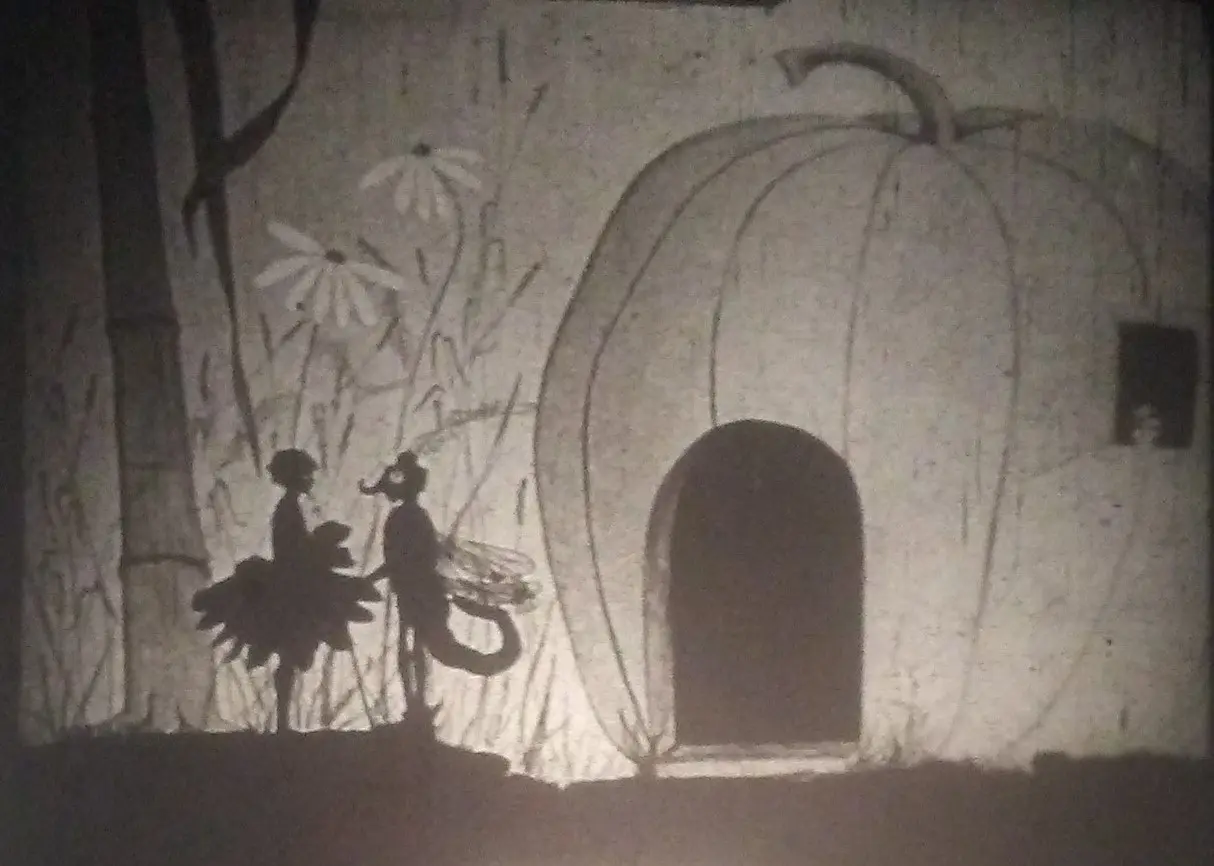
A definitive 6.2/10 rating for a film that redefined the boundaries of cult cinema. Thumbelina remains a cornerstone of transgressive art.
Hans Christian Andersen's 'Thumbelina' is not merely a children's story; it is a profound allegorical journey, a meticulously crafted narrative that explores themes of identity, belonging, and the relentless pursuit of self-determination against a backdrop of natural grandeur and societal pressures. The tale, particularly when considered for cinematic adaptation, offers a rich tapestry of visual metaphor and emotional depth, far exceeding the simplistic charm often attributed to it. Its enduring appeal lies in its universal resonance, capturing the essence of vulnerability and the indomitable spirit of a protagonist who, despite her diminutive stature, harbors an immense will to forge her own destiny.
The story commences with a poignant exposition of longing: a childless woman's profound desire for a child. This yearning is met not through conventional means, but through a magical seed that blossoms into a delicate flower, revealing Thumbelina. This genesis immediately establishes the protagonist as a being of extraordinary, almost ethereal, origin, setting her apart from the mundane world. Her initial existence is one of idyllic, if fragile, innocence, a microcosm of domestic bliss within a walnut shell cradle. This fragile peace, however, is swiftly shattered, introducing the first major conflict and propelling Thumbelina into a world fraught with peril and unsolicited advances.
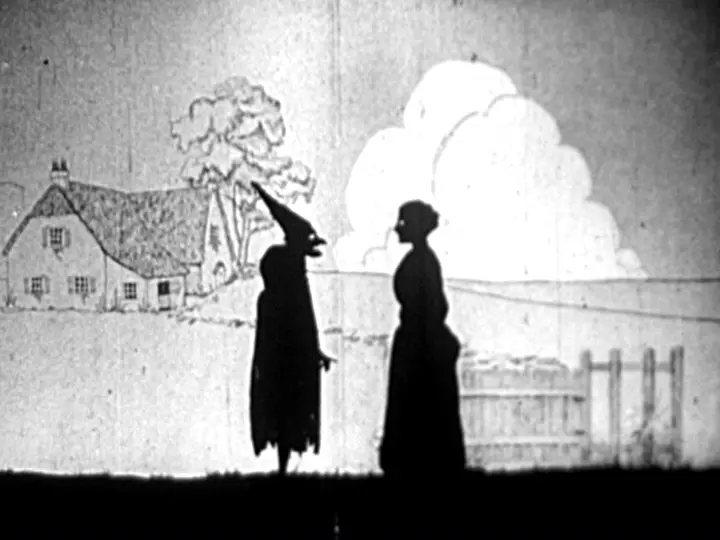
Her abduction by the toad mother and son serves as a brutal awakening, a forced engagement that symbolizes the societal expectation of marriage as a transactional arrangement, devoid of genuine affection or consent. This initial trauma ignites Thumbelina's inherent drive for freedom. Her escape, ingeniously facilitated by a fish gnawing through a lily pad stem, marks the beginning of her expansive, episodic journey across a vast, often indifferent, natural landscape. Each encounter along this arduous path is a trial, a test of her resilience and a commentary on different facets of existence.
The beetle's brief courtship and subsequent rejection by his peers highlight the superficiality of social judgment and the arbitrary nature of beauty standards. Thumbelina, deemed 'ugly' by the beetle's fashionable circle, experiences the sting of ostracization, a theme that resonates deeply with anyone who has felt like an outsider. This segment, though brief, is crucial in illustrating the protagonist's growing awareness of the world's harsh realities and the often-cruel whims of society.
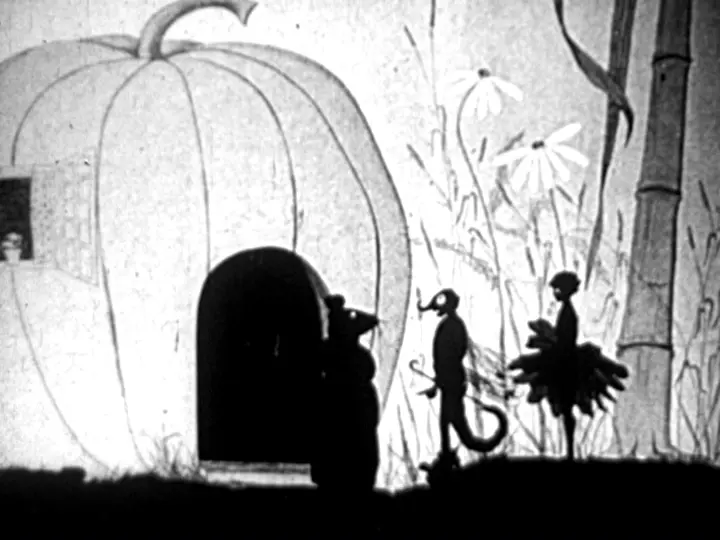
Following this, her desperate search for shelter leads her to the pragmatic, albeit stifling, hospitality of the field mouse. The field mouse, a character embodying practicality and a certain provincial wisdom, offers Thumbelina security but also presents another potential entrapment: a marriage to the wealthy, yet profoundly unappealing, mole. This proposed union with the mole is perhaps the most significant symbolic challenge to Thumbelina's spirit. The mole's underground world, devoid of sunlight and natural beauty, represents a life of material comfort at the expense of joy, freedom, and spiritual fulfillment. It is a metaphor for a joyless existence, a gilded cage where the soul withers. The choice facing Thumbelina here is not merely between suitors, but between a life of comfortable despair and the perilous pursuit of authentic happiness.
It is during her reluctant stay with the field mouse that Thumbelina's inherent compassion truly shines. Her discovery and subsequent nursing of a frozen, wounded swallow is the narrative's emotional fulcrum. This act of selfless kindness, performed without expectation of reward, is a pivotal moment that transcends the immediate struggle for survival. The swallow, a creature of the air, represents freedom, hope, and the wider world beyond her immediate confines. Her dedication to its recovery establishes a bond that will ultimately prove to be her salvation.
The swallow's eventual recovery and its offer to carry Thumbelina away from the impending winter and the dreaded marriage to the mole is a moment of profound liberation. This escape is not merely a physical relocation but a spiritual ascent, a rejection of the suffocating prospects of the underground world for the boundless possibilities of the open sky. It underscores the narrative's underlying message: that acts of genuine empathy can forge connections that transcend species and circumstances, leading to unexpected deliverance.
The journey culminates in a verdant, sun-drenched land where Thumbelina finally finds her true home. This is not just a geographical destination but a place of profound belonging, where she encounters the flower-sprites, beings of her own delicate scale and spirit. Here, amidst those who truly understand and accept her, she meets a prince who mirrors her gentle essence. Their union is one of genuine love and mutual respect, a stark contrast to the forced engagements she previously faced. The bestowal of wings upon her signifies her complete transformation, not merely into a sprite, but into a fully realized individual who has embraced her true nature and found her rightful place in the world. It is a powerful symbol of metamorphosis, of achieving full potential and harmony with one's identity.
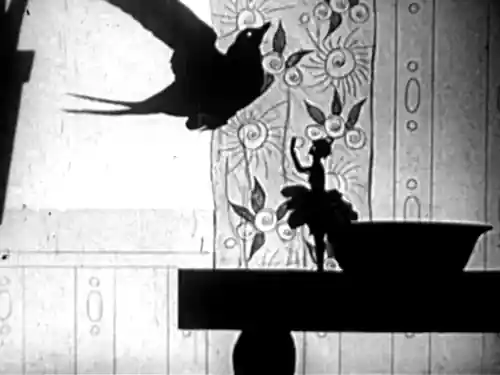
Cinematically, 'Thumbelina' offers immense potential for visual storytelling. The scale difference between Thumbelina and her world provides constant opportunities for imaginative set design and perspective shots, emphasizing her vulnerability and the grandeur of her surroundings. The changing seasons, from the vibrant summer of her birth to the harsh winter and the eventual spring of her new home, offer a natural progression for visual motifs and emotional resonance. A director like Herbert M. Dawley, known for early cinematic experimentation, would have found rich material in the story's visual contrasts and emotional arcs. The intricate details of the natural world – a dewdrop, a leaf, a spider's web – become monumental obstacles or havens, inviting audiences to see the world anew through Thumbelina's eyes.
The central theme of finding one's identity and belonging, often through adversity, is a thread woven through many narratives. While 'Thumbelina' presents this through a fantastical lens, its core struggle echoes the societal pressures and personal quests found in other cinematic works. Consider, for instance, the protagonist's journey in a film like Girl of the Sea, where a character might similarly yearn for a world beyond her immediate, confining circumstances, or seek a connection with nature that defines her existence. Both narratives, despite their distinct settings, grapple with the desire for a place where one truly belongs, free from the expectations of others. The vulnerability of Thumbelina, navigating a world too large for her, can be subtly paralleled with characters in Outcast (1922), who, due to circumstance or societal judgment, find themselves on the fringes, striving for acceptance and a legitimate place within a challenging world.
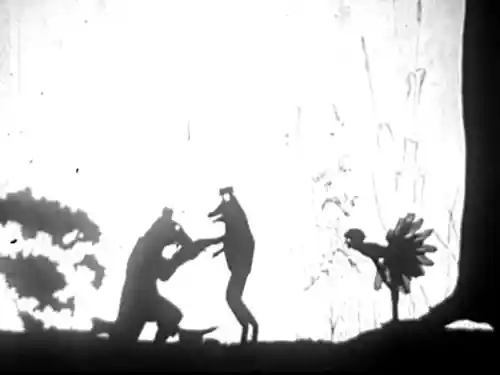
Moreover, the tale's exploration of nature's duality—its beauty and its indifference, its capacity for both nurture and danger—can be contrasted with factual explorations like Wonders of the Sea. While 'Wonders of the Sea' provides an objective, awe-inspiring view of the marine world, 'Thumbelina' imbues its natural settings with subjective emotional weight, reflecting the protagonist's internal state. The lily pad becomes both a raft of salvation and a symbol of precariousness, the field mouse's burrow a shelter that threatens to become a tomb. This anthropomorphic projection onto nature enriches the narrative's emotional landscape.
The theme of resilience in the face of overwhelming odds is a powerful undercurrent. Thumbelina's determination to escape undesirable unions and her unwavering kindness, even when facing personal danger, are testaments to her inner strength. This steadfastness, though expressed through a gentle demeanor, aligns with the spirit of protagonists in adventure narratives, albeit on a different scale. Even in the face of potential forced unions, her quiet resistance and eventual escape echo a pursuit of self-determination that, in more dramatic forms, might be found in narratives of escape or justice, like the thematic underpinnings that could be explored in Not Guilty, where a character fights to clear their name and reclaim their life, asserting their agency against a system. The episodic nature of Thumbelina's journey, a series of trials and encounters, also shares structural similarities with other quest narratives, such as the adventurous spirit found in Racing Hearts, where protagonists embark on a journey filled with challenges to achieve a desired outcome, albeit through very different means and stakes.
Andersen's genius lies in crafting a narrative that, while ostensibly simple, is ripe with allegorical meaning. Thumbelina's journey can be interpreted as a metaphor for the human condition, particularly the adolescent transition from sheltered innocence to the complexities of adulthood, where one must navigate social expectations, find love, and establish a sense of self. The various suitors she encounters—the boorish toad, the vain beetle, the pragmatic field mouse, and the materialistic mole—represent different pitfalls and compromises that one might face in the search for a suitable partner or a fulfilling life path. Her eventual choice of the flower prince is not merely a romantic idealization but a symbolic union with someone who shares her true nature and understands her spirit, a testament to authentic connection over convenience or superficiality.
The tale's enduring legacy is a testament to its timeless themes. It speaks to the universal desire for belonging, the courage required to resist conformity, and the profound impact of kindness. It reminds us that even the smallest among us possess the capacity for immense resilience and that true happiness is found not in material wealth or societal approval, but in embracing one's authentic self and connecting with those who appreciate that truth. The final image of Thumbelina with wings, soaring freely with her prince, is not just a happy ending but a powerful affirmation of self-actualization and the triumph of spirit over all worldly constraints. It is a narrative that, through its fantastical elements, provides a mirror to very real human experiences, encouraging contemplation on what it truly means to be free and to find one's place in the expansive, often daunting, world.
In its cinematic potential, 'Thumbelina' offers filmmakers a rich palette to explore these profound ideas. The visual storytelling can amplify the emotional weight of each encounter, from the claustrophobia of the mole's burrow to the expansive liberation of flight with the swallow. The sound design could emphasize the delicate sounds of Thumbelina's tiny world against the booming noises of the larger one, drawing the audience deeper into her perspective. The narrative, under a skilled director's hand, transcends its fairy tale origins to become a powerful commentary on autonomy, empathy, and the quest for a place where one is truly seen and valued. It is a story that continues to captivate because it speaks to the fundamental human desire to find one's own wings and soar towards a destiny of one's own making.
IMDb 5.5
1935
Community
Log in to comment.