DbcultAccessing Vault...
6.4/10
Senior Film Conservator
A definitive 6.4/10 rating for a film that redefined the boundaries of cult cinema. Return to Reason remains a cornerstone of transgressive art.
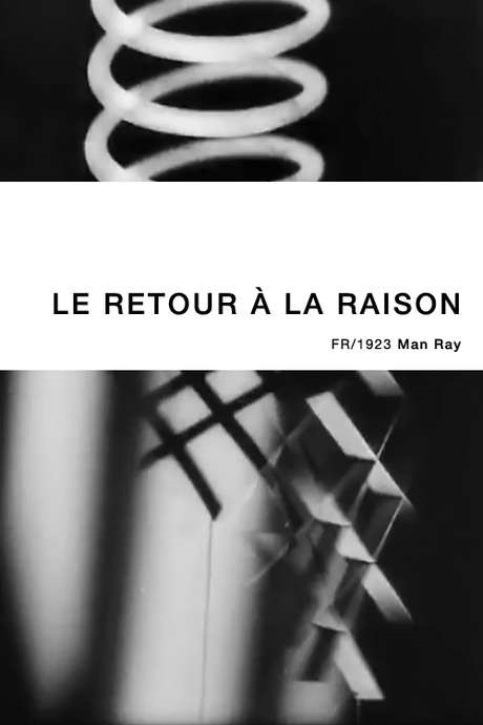
The film Return to Reason is a visual feast that assaults the senses and challenges the viewer to reconsider the very nature of reality. As the white specks and shapes gyrate across the screen, they evoke a sense of dynamic energy, like a maelstrom of creative potential unleashed upon the world. The introduction of the light-striped torso, its presence both enigmatic and captivating, serves as a focal point for the viewer's gaze, drawing us deeper into the heart of the film's abstract landscape.
The influence of Dadaism, with its emphasis on the irrational and the subconscious, is palpable throughout Return to Reason. Like the works of other Dadaist filmmakers, such as those seen in The Price of Folly and Proletardrengen, this film rejects traditional narrative structures in favor of a more experimental, non-linear approach. The result is a dreamlike atmosphere, both fascinating and unsettling, that probes the boundaries of human perception and understanding.
One of the most striking aspects of Return to Reason is its use of color and light. The black background, punctuated by the dynamic white specks and shapes, creates a sense of visual tension, drawing the viewer's eye into the heart of the film's abstract landscape. The introduction of the light-striped torso, with its vibrant, pulsing energy, serves to heighten this sense of tension, creating a sense of dynamic interplay between light and darkness, form and void.
The film's abstract forms, as they swirl and coalesce on screen, evoke a sense of fluid, ever-changing reality. Like the shifting sands of a desert landscape, these forms seem to defy fixity, instead embracing a state of constant flux and transformation. This sense of mutability, of reality in a state of perpetual becoming, is a hallmark of Dadaist thought, and Return to Reason is no exception. As we watch, transfixed, the film's abstract landscape unfolds before us like a kaleidoscope, each new configuration a testament to the boundless creativity and innovation of the human spirit.
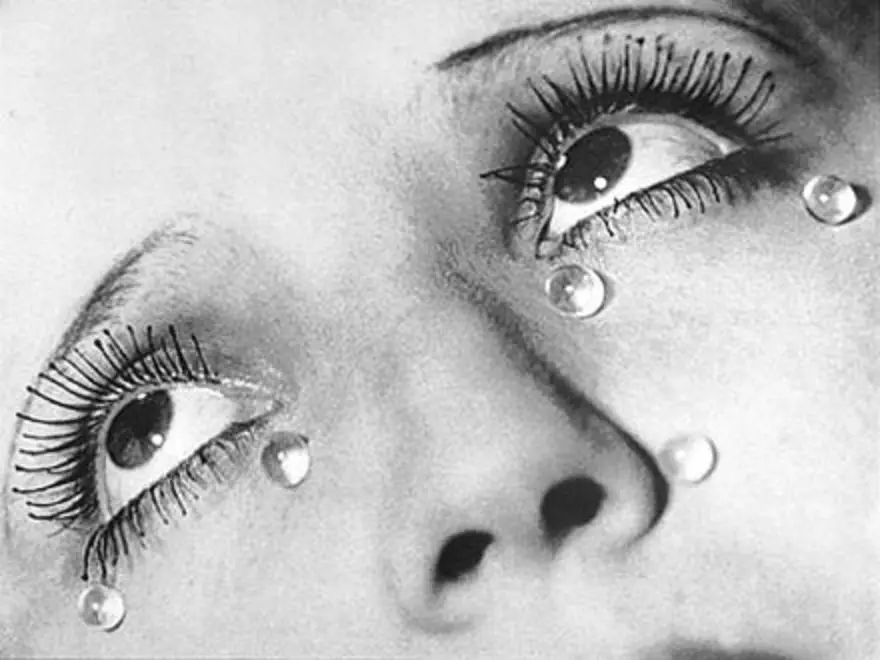
In contrast to more traditional films, such as The Labyrinth and The Star of Bethlehem, which rely on established narrative structures to convey their message, Return to Reason embracing a more experimental, avant-garde approach. This rejection of traditional narrative forms, in favor of a more fluid, abstract aesthetic, allows the film to tap into the deepest recesses of the human psyche, revealing hidden truths and unseen realities that lie beyond the reach of conventional storytelling.
The influence of Return to Reason can be seen in a wide range of subsequent films, from the surrealist masterpieces of the 1920s and 1930s, such as The Lure and Milestones, to the experimental works of later decades, like The Ghost House and Dick Whittington and his Cat. Each of these films, in its own unique way, reflects the innovative spirit and creative daring of Return to Reason, a film that continues to inspire and provoke audiences to this day.
As we reflect on the significance of Return to Reason, it becomes clear that this film is more than simply a relic of a bygone era. Instead, it represents a bold, visionary statement, one that challenges us to rethink our assumptions about the nature of reality and the role of the artist in shaping our understanding of the world. Like other groundbreaking films, such as Torchy Comes Through and Bandit's Gold, Return to Reason pushes the boundaries of what is possible, inviting us to join it on a journey into the unknown, a journey that promises to transform and transcend us in ways both unexpected and profound.
In the end, Return to Reason is a film that defies easy categorization or summary. It is a work of art that must be experienced, felt, and lived, rather than simply understood or analyzed. Like the abstract forms that dance across its surface, the film itself is a dynamic, ever-changing entity, one that continues to evolve and unfold with each new viewing. As we watch, entranced, the film's abstract landscape shifts and morphs before us, revealing hidden depths and unseen complexities that lie at the very heart of the human experience. Other films that you might enjoy include Play Square, The House of Whispers, Nattens barn, and How to Be Happy Though Married.
IMDb 5.5
1934
Community
Log in to comment.