DbcultAccessing Vault...
6.6/10
Senior Film Conservator

A definitive 6.6/10 rating for a film that redefined the boundaries of cult cinema. Treasure Island remains a cornerstone of transgressive art.
Picture, if you will, a monochrome ocean that glints like polished obsidian; a boy’s silhouette perched on a yardarm, moonlight dripping off the hem of his too-large coat; a one-legged silhouette whose smile could slice sailcloth. That single image, seared onto nitrate more than a century ago, is why the 1920 Treasure Island refuses to molder in archive vaults.
Directors have flogged Stevenson’s yarn across every imaginable medium—Technicolor mega-spectacles, Muppet frolics, even galaxy-faring cartoons—yet Bernard McConville’s silent retelling remains the purest distillation of dread and dazzle. It is a film that trusts the creak of timber and the hush before a blade to do the talking, sparing us the orchestral bombast that later buccaneer romps mistook for excitement.

Stevenson’s novel, a fever dream of Empire and avarice, lands onscreen here with its moral compass deliberately skewed. McConville trims the picaresque sprawl to a sinewy 70-minute chase, excising the sermonizing passages Victorian readers craved. What remains is a study in appetite: for coin, for power, for the simple animal rush of survival. The camera, starved of speech, trains itself on eyes—Jim’s darting, Silver’s glittering, the crew’s hollowed by scurvy and superstition—until the audience becomes complicit in the hunt.
The screenplay condense entire chapters into single intertitles scrawled in jittery, rum-smudged font. One card reads: "Flint’s fortune lies where shadow meets tide." Eight words, but they echo like a curse when read beneath a shot of surf gnawing a corpse-white beach.
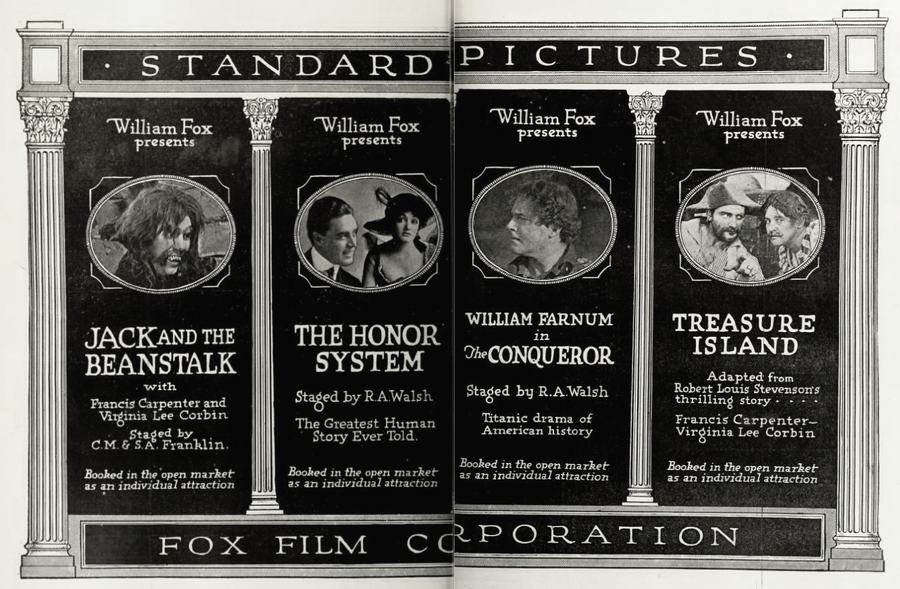
Charles Gorman, essaying Silver, understands that villainy seduces more convincingly than it snarls. His grin arrives a fraction early, as though delighted by its own fraudulence. Watch how he doffs an imaginary hat to a cabin boy one moment and casually slides a dirk between ribs the next; the transition happens offscreen, yet Gorman lets us glimpse the aftermath in the way he wipes the blade on his apron—slow, proprietary, almost tender.
Opposite him, Joe Grant’s Jim is all angles: elbows too sharp for his jacket, cheekbones brand-new to adolescence. Grant never overplays the pluck. Instead, he lets uncertainty leak through the mask of bravery—eyes widening at splashes in the dark, fingers drumming against the hilt of a sword he barely knows how to wield. The result is a Jim we believe could both read treasure maps and wet himself when the first cannon roars.
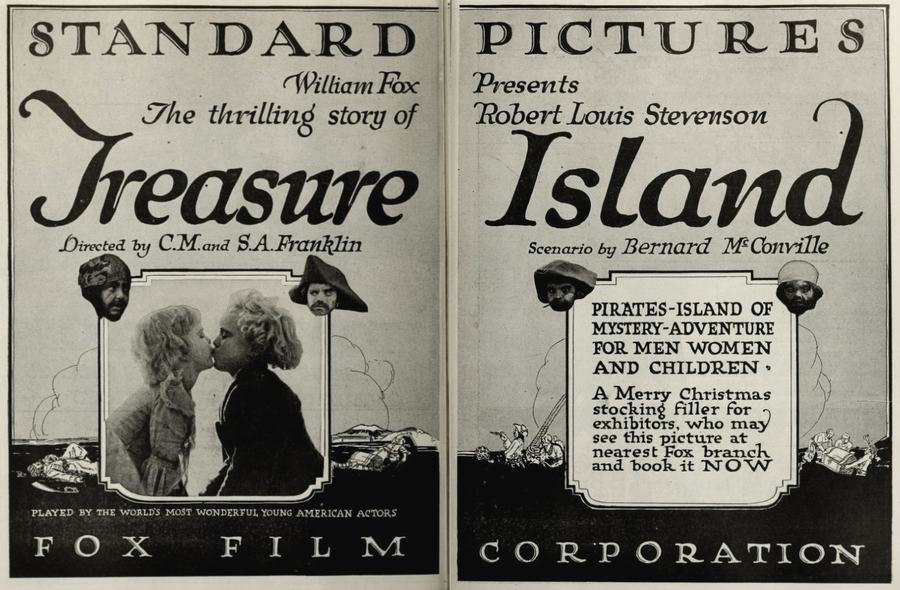
The supporting ensemble—Virginia Lee Corbin as the tavern spitfire who dares hope Jim might return; Herschel Mayall’s gaunt Squire, pockets bulging with ill-used coin—populates the edges with faces worthy of their own ballads.
Cinematographer Friend Baker treats grayscale as a pirate’s palette. Moon flares become silver doubloons spilled across the deck; fog is a pickpocket that lifts the outline of a ship and leaves only the clank of chains. Interior scenes rely on chiaroscuro worthy of Caravaggio: a lantern swings, revealing half of Silver’s face in umber warmth while the other half sinks into charcoal menace.
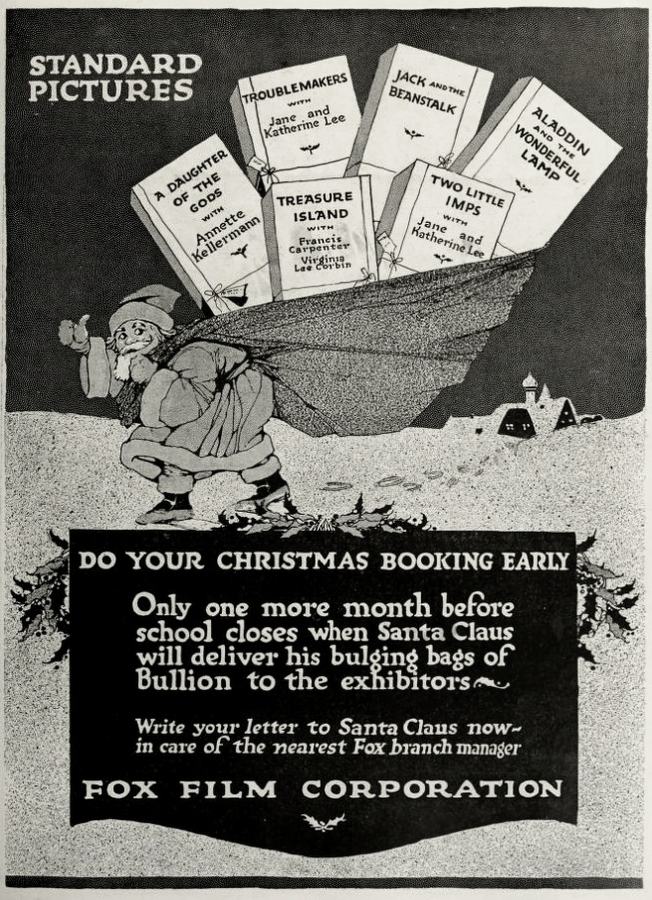
During the storm sequence, Baker tilts the camera askew, lets salt-stiffened curtains of rain smear the lens. We feel soaked to the marrow. When the tempest subsides, the sudden stillness is almost obscene—like the world pausing to admire a fresh scar.
Editors in 1920 rarely receive laurels, yet the cutting here is proto-Eisensteinian. Look at the parrot’s introduction: a rapid-fire triad—bird screech, cut to sailor recoiling, cut to cabin door slamming. The sequence lasts maybe three seconds, but it implants the squawking herald of doom into the viewer’s skull. Later, the discovery of the skeleton pointer—its bony hand still clutching a rusted compass—intercuts with Jim’s pupils dilating, then with a superimposed image of coins cascading like a waterfall. The montage foreshadows the price of greed without a single spoken admonition.
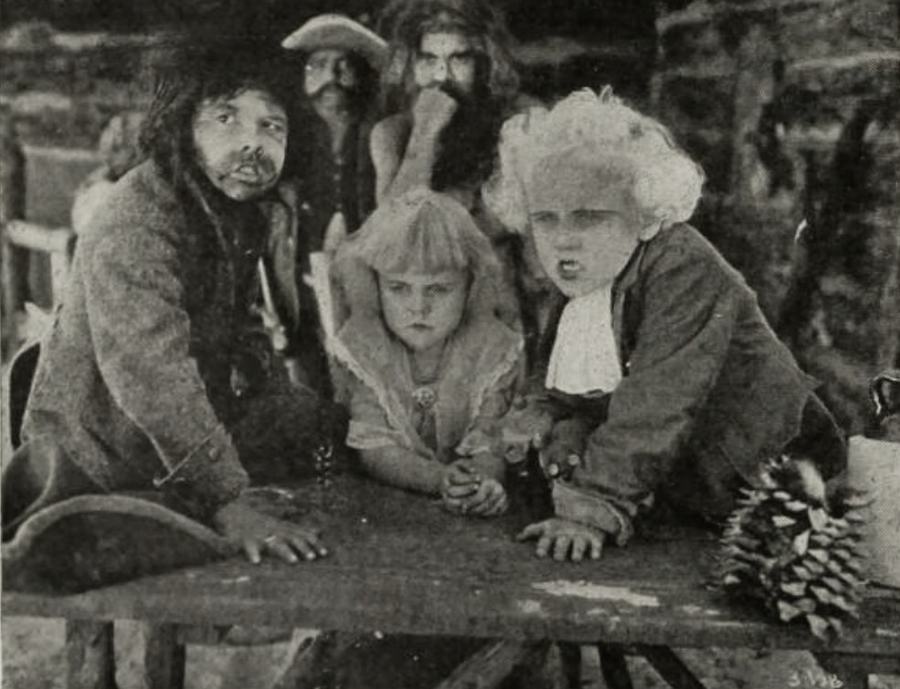
Archive prints are silent, yet modern festival screenings often commission new scores. Whether you watch it with a lone piano, a chamber quartet, or just the rustle of your own curtains at home, the film’s cadence insinuates itself. Footsteps on sand are felt, not heard; the scrape of a crutch across deck boards becomes an internal metronome. The absence of dialogue forces the viewer to inhabit the space between actions, to hear the phantom clink of spades hitting treasure chests.
Place Treasure Island beside its 1919 cousin Robbery Under Arms, and you notice a shared obsession with outlaw charisma. Both films flirt with the possibility that rogues make better prophets than governors. Contrast it with Quo Vadis?—a biblical colossus released the same year—and you appreciate how economically McConville conjures Empire without legions of extras or marble sets. The pirate ship is microcosm enough.
Meanwhile, domestic melodramas like Divorced or The Law of Compensation map emotional archipelagos of parlors and courtrooms; Treasure Island charts the same treacherous currents of trust and betrayal, only with cutlasses drawn.
Later adaptations gorged on production budgets—galleons built full-scale, Caribbean atolls leased, Dolby thunder shaking seats. Yet excess blunted the story’s primal edge. When Jim stares down a mutineer here, the gravel under his shoes is obviously a studio backlot; the artifice, far from fatal, sharpens the mythic tone. We are in fable country, where painted backdrops stand in for the Jungian forest, and every object trembles with symbolic heft.
Disney’s 1950 version turns Silver into a lovable scamp; Stevenson’s original and this silent film know that piracy is appetite incarnate, neither cuddly nor camp. McConville refuses to sand off those rough edges, and the result is a tale that still bites.
If you crave a swashbuckler that trusts your imagination to color the parrot, that lets a crutch’s thud substitute for a symphony, queue up this artifact. Let the sepia tide pull you under. You may surface gasping, pockets empty, but your skull will ring with the clang of nonexistent doubloons for days.
High praise? Certainly. Yet any film that can make a century-old story feel as urgent as tomorrow’s headline deserves nothing less. Anchor down, light the lantern, and keep a weather eye on that horizon—Long John Silver is already smiling from it.
IMDb —
1936
Community
Log in to comment.