DbcultAccessing Vault...
5.4/10
Senior Film Conservator
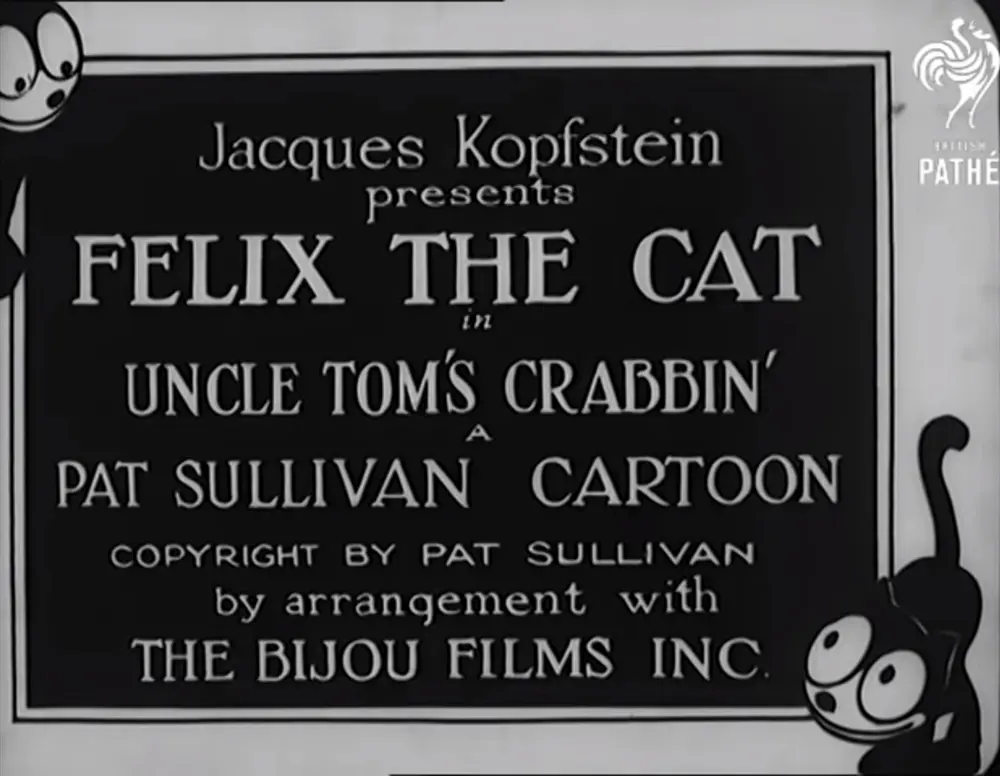
A definitive 5.4/10 rating for a film that redefined the boundaries of cult cinema. Uncle Tom's Crabbin' remains a cornerstone of transgressive art.
Short answer: Only if you are an animation historian or a student of early 20th-century cultural artifacts. This film is a fascinating, albeit deeply uncomfortable, look at how early cinema translated literature into caricature.
It is for those who want to see the technical evolution of Felix the Cat and understand the roots of visual storytelling. It is emphatically not for anyone looking for lighthearted, modern-friendly entertainment or those sensitive to racial stereotypes of the silent era.
1) This film works because Otto Messmer’s mastery of the 'squash and stretch' technique gives Felix a level of personality that was lightyears ahead of contemporaries like The Hick.
2) This film fails because its reliance on crude racial caricatures and the 'Uncle Tom' literary trope creates a barrier that modern empathy cannot easily cross.
3) You should watch it if you are researching the transition of Felix from a comic strip curiosity into a global cinematic icon.
When evaluating Uncle Tom's Crabbin', one cannot ignore the sheer fluid brilliance of Otto Messmer. While Pat Sullivan took the credit, Messmer was the soul of the machine. In the opening sequence, Felix’s escape from Old Man Winter is a masterclass in silent pacing.
The way Old Man Winter is rendered—as a literal, huffing giant of frost—shows a creative ambition that was rare in 1920. It reminds one of the surrealist touches found in Beauty and the Beast, though much more grounded in slapstick.
Felix’s tail, as always, is the star of the show. It becomes a question mark, a tool, and a barometer for his anxiety. This physical versatility is what made Felix more relatable than the static characters in Waifs or other early shorts.
The movement is snappy. The gags are timed with a metronomic precision. It is a visual marvel. But it is a flawed one.
We have to talk about Uncle Tom. The film borrows the names and basic dynamic of Harriet Beecher Stowe's novel but strips away the tragedy to replace it with minstrelsy. It is a jarring experience for a modern viewer.
The depiction of Tom is a collection of every lazy trope available to 1920s creators. While films like The Heart of a Woman attempted a different kind of sentimentality, this short leans into the 'happy plantation' myth that infected early Hollywood.
Simon Legree's rampage is played for laughs, but the underlying violence of the character remains. It is a strange, tonal whiplash. One moment Felix is doing a clever dance, and the next, we are confronted with the ugly reality of American history viewed through a funhouse mirror.
This isn't just 'of its time.' It was a specific choice to use these archetypes for cheap gags. It works as a historical document, but as art, it is compromised by its own lack of imagination regarding race.
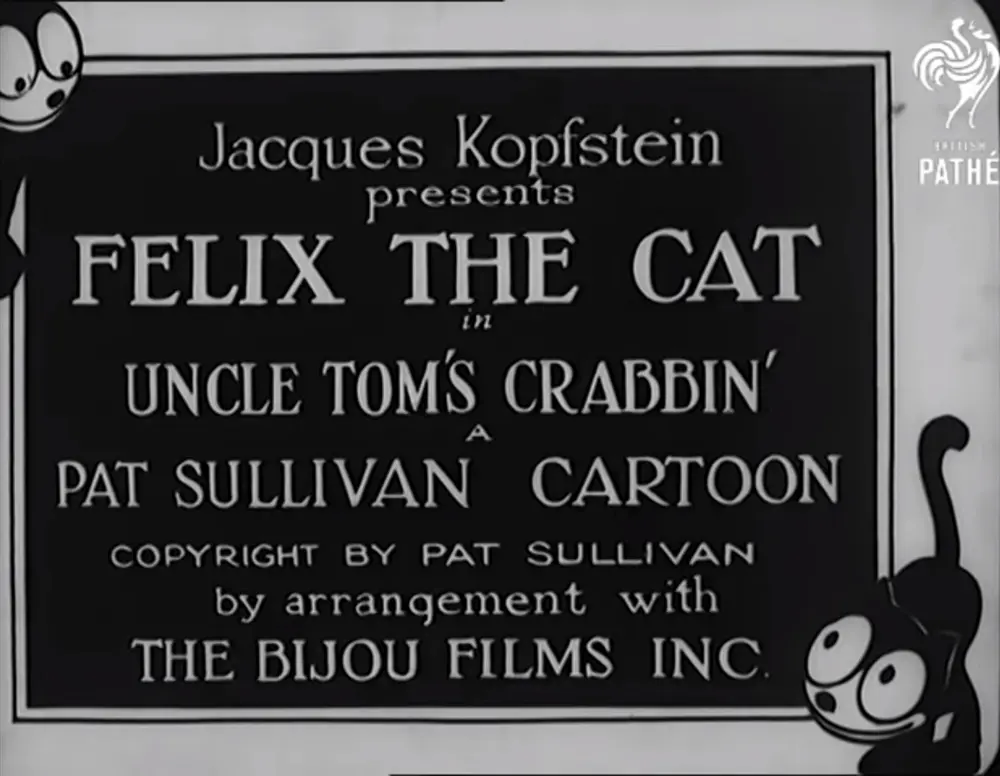
What is most interesting about Uncle Tom's Crabbin' is Felix’s ultimate reaction. He doesn't fix the situation. He doesn't save Tom from Legree in any meaningful, lasting way. He simply leaves.
This cynical streak is what defined early Felix. He wasn't a hero in the vein of the protagonists in The Night Cry. He was a survivor. His decision to return to the freezing North is a punchy, brutal bit of social commentary: the cold is better than the chaos.
The final shot of Felix trudging back into the snow is surprisingly grim. It lacks the 'happy ever after' resolution of Good Little Brownie. It feels honest to the character’s wandering nature.
Uncle Tom's Crabbin' is worth watching for anyone interested in the technical evolution of the animation medium. It showcases the peak of the silent Felix era's visual language and Otto Messmer's unique ability to give life to ink. However, casual viewers will find the heavy use of racial stereotypes and 1920s minstrel tropes to be a significant deterrent to enjoyment.
The animation is incredibly fluid for 1920. Messmer's ability to create a sense of weight and movement in Felix is unparalleled for the time. The gag where Felix’s tail becomes a question mark remains a classic piece of visual shorthand.
The pacing is relentless. Unlike the slower melodramas like Shame, this short moves with a frantic energy that keeps the eye engaged from the first frame to the last.
The racial stereotypes are not just a background element; they are the central conceit of the film's second half. This makes it difficult to recommend to anyone who isn't viewing it through a strictly analytical lens.
The plot is thin, even for a Felix short. It feels like two separate ideas—a winter escape and a plantation parody—stitched together without much care for narrative cohesion.
Uncle Tom's Crabbin' is a difficult film to pin down. It is technically superior to almost everything else being produced in 1920, including many live-action features like The Calendar Girl. Yet, its content is a stark reminder of the prejudices that were baked into the foundations of the American film industry.
It works as a piece of history. It fails as a piece of timeless art. It is a visual triumph built on a foundation of lazy bigotry.
If you can stomach the imagery for the sake of the craft, there is much to learn here. If you can't, you aren't missing much in terms of actual story. It is a relic. It is important. But it is also deeply flawed.
IMDb —
1923
Community
Log in to comment.