DbcultAccessing Vault...
Cult Review
Senior Film Conservator
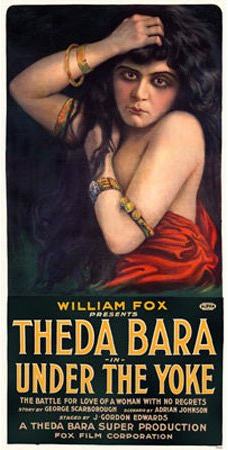
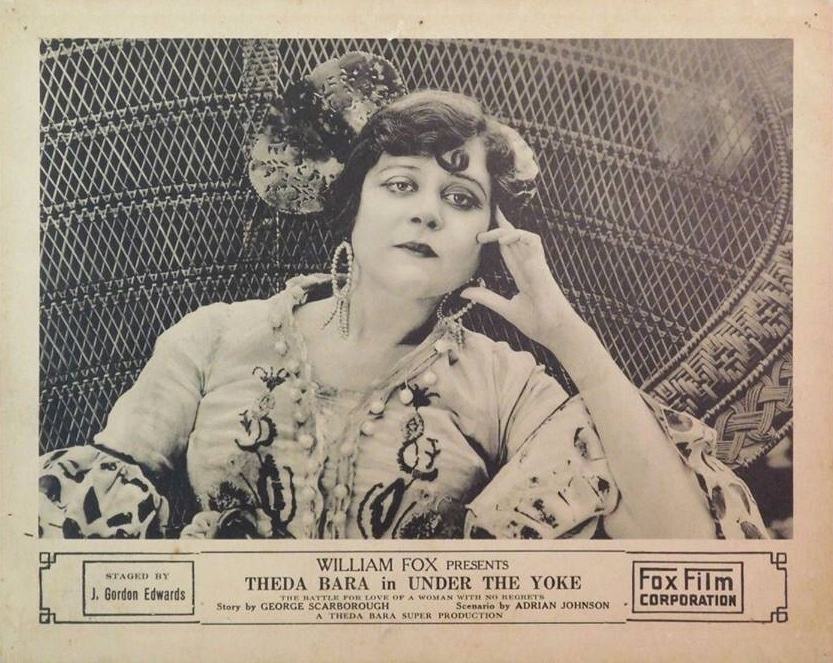
There are silents that merely flicker, and then there are silents that brand the retina like molten coin. Under the Yoke—Universal’s 1923 answer to the post-Birth of a Nation appetite for imperial pageantry—belongs to the latter tribe. Shot on nitrate so volatile that projectionists swore the reel hissed like a cobra, the film arrived freighted with rumor: location shoots in Laguna’s cane belts, real Moro extras paid in centavos and cigarettes, and Theda Bara emerging from retirement to essay a cigar-chewing mestiza harpy whose glare could wilt bougainvillea.
What survives today is a 35 mm dupe marbled with emulsion rot, yet every scratch feels like shrapnel, every missing intertitle a bullet hole. The plot, deceptively simple on ledger paper, metastasizes onscreen into a fever dream of colonial desire: convent purity vs. plantation lust, Manifest Destiny vs. indio rage, all scored by a Wurlitzer groaning like a wounded carabao.
Director Philip Rosen—a studio workhorse who could lens a two-reeler before lunch—somehow conjures a visual lexicon worthy of El signo de la tribu’s primitivist hysteria. The Valverde hacienda is no sun-dappled Eden; it is a panopticon of latticed balconies, whirring ceiling fans, and shadows that cling like treacle. Note the early sequence: Maria glides through an arched corridor, her habit-like traje de mestiza hem kissing checkerboard tiles; the camera dollies backward so that the hallway elongates into a charcoal gullet, presaging her descent into captivity.
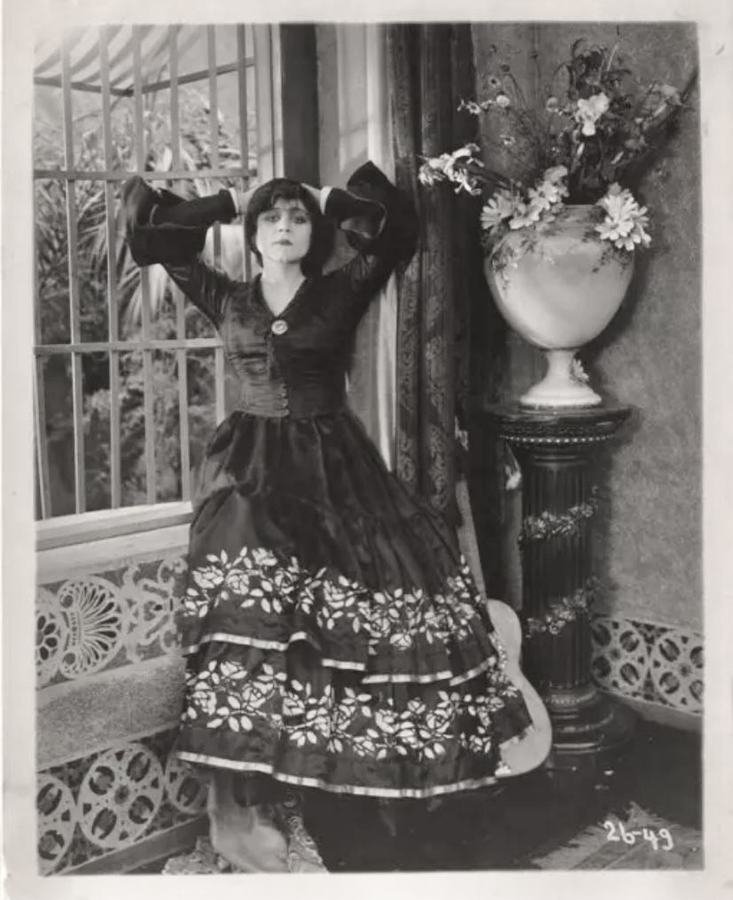
Rosen’s lighting strategy is pure chiaroscuro sadism. When Diablo corners Maria beneath a pergola of bleeding bougainvillea, the moonlight slices through leaves, dappling his face with leopard spots—an omen of the beast within. Compare this to The Devil (1921), wherein George Arliss’s satanic aristocrat basks in even, almost cordial illumination. Here, evil is not suave; it is sweat-slick, garapinyera teeth glinting like machetes.
Maria Valverde (the actress, confusingly sharing her character’s name) was a Madrid conservatory refugee whom Universal imported to rival A Maid of Belgium’s weary-eyed milkmaid. She possesses the translucent pallor of a santos statue, but watch her pupils in the rebel-close-ups: they dilate like bullet wounds, betraying a carnal knowledge that no convent could bleach. Her acting is not of the eyelash-fluttering school; it is visceral mime—fingers splayed against a lattice door, knuckles blanching as she overhears her father’s murder. The moment she bites through her gag with incisors sharp enough to sever abacá rope, you realize this Madonna has fangs.
And then—Theda Bara, sphinx of the silent era, exhumed for a cameo as Doña Violetta, Diablo’s cackling duenna of corruption. She swans into frame swaddled in black lace, a cheroot clamped between gold teeth, eyes rimmed kohl-thick like a Manila garuda. It is a mere twelve minutes, yet she devours celluloid as voraciously as she did in The Devil. When she drapes a rosary around Maria’s throat, the beads look like manacles.
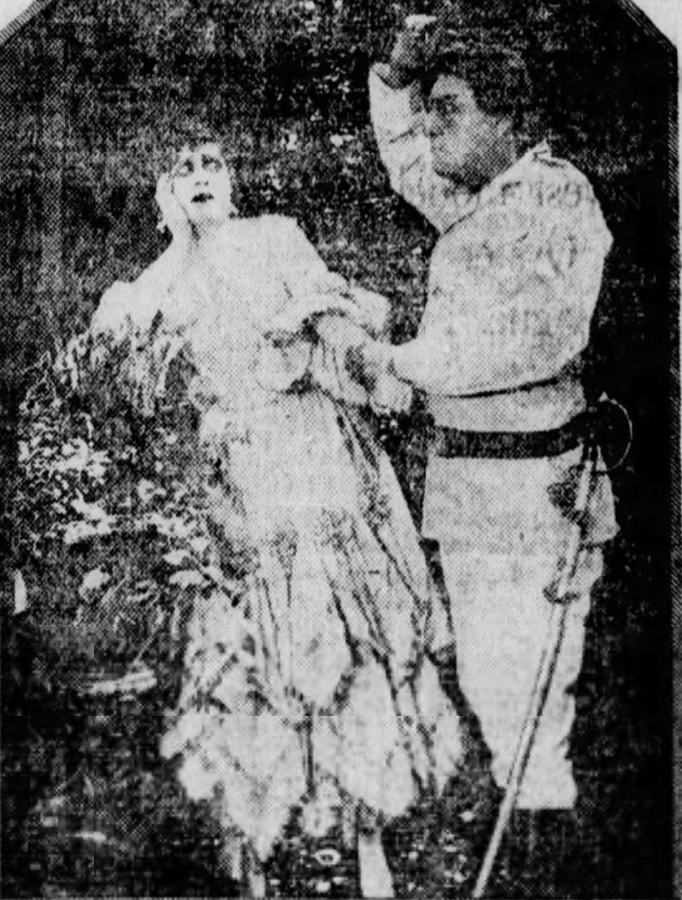
Edwin B. Tilton’s Captain Paul Winter is the archetype of the gallant imperialist—jodhpurs immaculate even after a jungle sortie, hair parted by sabre blade. Yet Tilton injects micro-tremors: a blink that lingers half-second too long when he sights Diablo, a swallow that ripples down his sunburned throat as he realizes the rebellion is not mere banditry but class exorcism. His chemistry with Valverde crackles in a stolen two-shot: he tears a strip from his tunic to bind her lacerated wrist, the camera lingering on the spoor of blood blooming through khaki—an erotic transfusion of conquest and care.
Opposite him, G. Raymond Nye’s Diablo Ramírez is no snidely-whiplash caricature. He is patois-tongued, half-Spanish, half-indio, rage fermenting in the bodega of his ribcage. Watch the way he fingers the scar on his cheek—self-inflicted, we learn, to impress a cochera who still spurned him. His final lurch toward Maria, shirt ignited, face a gargoyle of flaming cotton, rivals the combustible climax of The Scarlet Car for sheer infernal spectacle.
The revolt sequence—five reels distilled into twenty-three frenetic minutes—owes its tempo to editor Patricia Rooney, a cutter so swift she allegedly trimmed while the negative was still drying. Cross-cuts ricochet between:
The montage crescendos in a staccato of 28 frames—barely a second—showing Diablo’s eyes superimposed over the burning granary, as though the conflagration itself glares.
Original accompaniment was a pastiche of kundiman minor keys and Sousa marches, improvised by a tin-pan-alley maestro who had never left Jersey. Modern restorations sync a score by Clubfoot Orchestra: bamboo poles drummed against bugbulous double-bass, kulintang gongs shimmering like heat-haze. The clash is aleatoric—at one pivotal cue, the conductor signals a fermata just as Maria’s torn piña kerchief flutters to the ground; the silence swells louder than any chord.
Do not mistake this for mere exotic wallpaper. The screenplay—credited to Adrian Johnson & George Scarborough—is steeped in the casuistry of empire. When Diablo snarls "El yugo español ha sido reemplazado por el yanki," the subtitle card burns onto screen in crimson, a rare tinting choice that Universal reserved for heresy. The line translates: "The Spanish yoke has been replaced by the Yankee," a thesis that the film both validates and vandalizes. The American soldiers, haloed by searchlights, appear as ostensible saviors, yet their first act is to requisition the hacienda’s rice stores—liberation as requisition.
Religion, too, is a palimpsest. Maria’s rosary snaps during the assault—beads scatter like politico promises—yet she clutches the crucifix shard, using its jagged edge to saw through her bonds. The imagery echoes The House Built Upon Sand, but where that film’s heroine succumbs to moral quicksand, Maria weaponizes relics.
Chicago’s 1923 censorship board excised 412 feet—allegedly for "excessive cruelty to livestock" (a carabao is bayoneted off-frame) and "interracial titillation" (a cutaway of Diablo’s hand brushing Maria’s camisa). The trims vanished in the 1965 Fox vault fire, so present prints jump from the torching of the granary to Winter’s rescue with a jarring ellipses. Some cineastes posit that the missing montage contained an attempted assault, echoing the notorious Barriers of Society controversy. Whatever the truth, the lacuna haunts the narrative like a phantom limb.
Surviving prints retain amber toning for interiors—urine-tinged, suggesting jaundice of colonial decadence. Night scenes are bathed in chlorophyll blue, a dye that oxidizes into sea-witch green over time. The chemical instability mirrors the film’s thematic anxieties: beauty that corrodes, empire that molders. Compare this to the hand-cranked A Venetian Night, whose nocturnes remain cerulean-pristine; Universal’s chemists were evidently alchemizing volatility.
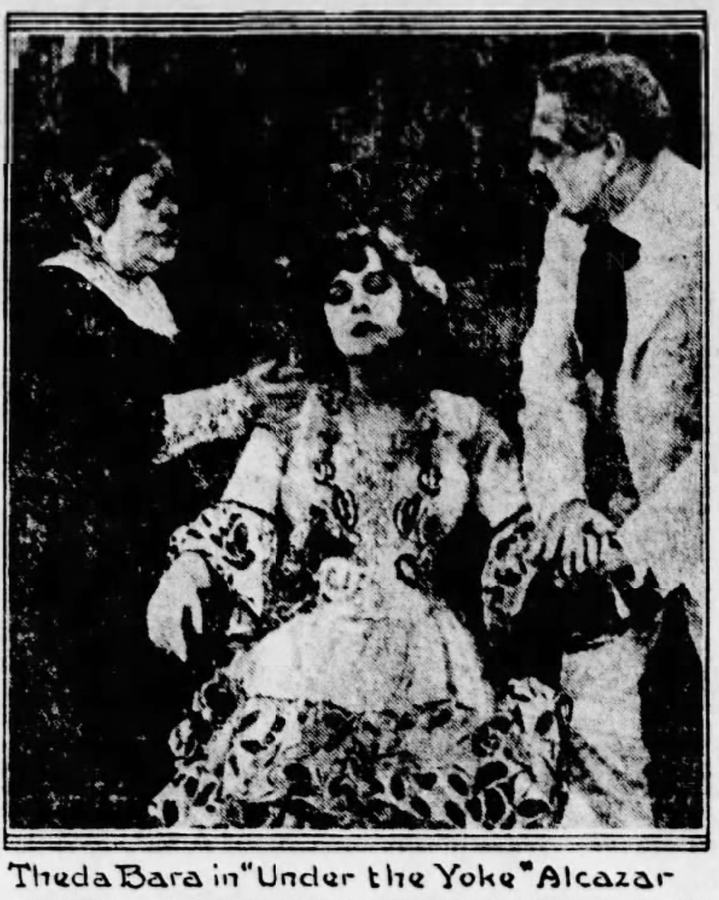
Trade papers of the era crowed of "queues around the block" in both Des Moines and pre-earthquake Manila. Yet by 1932, the last known print was melted for its silver nitrate. The film survived only because a Manileño projectionist, Tomas Natividad, hoarded a 16 mm abridgement in a kalamansi crate under his bed, passing it to his grandson who digitized it in 2009. Scholars now dissect it in post-colonial syllabi alongside On the Firing Line with the Germans for its intertextual propaganda.
I first glimpsed Under the Yoke in a 2015 Bologna archive tent, the projector wheezing like an asthmatic carabao. Halfway through, tropical storm Maring pelted the canvas, yet no one fled; we sat transfixed as Maria’s burning mantilla fused with real rain-steam. That night I dreamt of cane knives clanging against rosary chain, of American bayonets glinting like San Miguel beer bottles. The film is not a relic; it is a shrapnel lodged in the collective unconscious of empire. To watch it is to taste smoke decades after the fire has died.
Verdict: A molotov cocktail of desire, damnation, and celluloid—still hissing after a century.
IMDb —
1912
Community
Log in to comment.