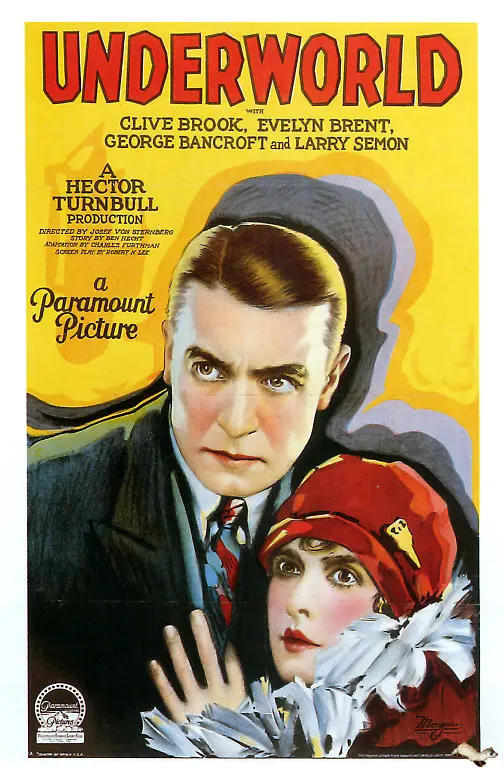
A definitive 7.5/10 rating for a film that redefined the boundaries of cult cinema. Underworld remains a cornerstone of transgressive art.
Is This Film Worth Watching Today?
Is Underworld worth watching in the modern era? Short answer: absolutely, but with specific caveats. This film is a foundational text for anyone interested in the genesis of the gangster genre or the artistry of silent cinema, offering a raw, psychological depth that belies its age.
However, those seeking fast-paced action or contemporary narrative conventions might find its deliberate pacing and melodramatic flourishes a challenge. This film is best for cinephiles, students of film history, and those with an appreciation for the expressive power of silent storytelling. It is NOT for viewers looking for a casual, easily digestible modern thriller.
Direct Answer Block
This film works because... of its audacious visual storytelling and its commitment to exploring the complex, often contradictory, psychologies of its criminal protagonists. It truly feels like a precursor to the noir films that would follow decades later, establishing tropes and character archetypes that resonate even today.
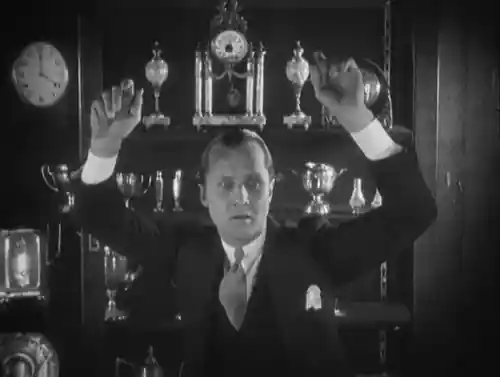
Scene from Underworld
Cinematic perspective: Exploring the visual vocabulary of Underworld (1927) through its definitive frames.
This film fails because... its narrative, while groundbreaking for its time, occasionally succumbs to a certain theatricality that can feel dated, particularly in some of the more overtly emotional scenes. The motivations, while clear, are sometimes presented with a broad stroke that modern audiences might find less nuanced.
You should watch it if... you appreciate the historical significance of cinema, are a fan of silent films, or are fascinated by the origins of the American gangster film. It’s also a must-see for anyone studying early directorial brilliance and the evolution of cinematic language.
A Glimpse into the Underworld: A Genre Defined
Josef von Sternberg's 1927 classic, Underworld, isn't just a film; it's a declaration. It’s widely credited as the progenitor of the modern gangster film, laying down a blueprint that countless others would follow. Before Scarface, before Little Caesar, there was Bull Weed, a kingpin whose boisterous charm and brutal efficiency carved out his slice of the criminal pie. The film doesn't merely depict crime; it immerses you in its atmosphere, its moral ambiguities, and the strange, twisted loyalties that bind its inhabitants.
Scene from Underworld
Cinematic perspective: Exploring the visual vocabulary of Underworld (1927) through its definitive frames.
The plot, deceptively simple, unravels a compelling human drama. Bull Weed, played with magnetic force by George Bancroft, takes a down-and-out former lawyer, Rolls Royce Wensel (Clive Brook), under his wing. Weed, a man of surprising contradictions, sees something in Wensel, pulling him from the depths of alcoholism and grooming him into a trusted confidante. This act of unexpected patronage forms the bedrock of the film's central conflict. It's a relationship built on a warped sense of honor and debt, destined to crumble under the weight of unspoken desire.
The catalyst for this inevitable collapse is Feather, Weed’s moll, portrayed with a captivating blend of vulnerability and cunning by Evelyn Brent. Her quiet allure becomes the destructive force, igniting a dangerous spark between her and Rolls Royce. This love triangle, set against the backdrop of a ruthless criminal enterprise, elevates Underworld beyond mere genre exercise into a potent character study.
My contentious take? Underworld is not merely a historical artifact; it actively outpaces many of its sound-era successors in its sheer audacity and psychological nuance, proving that silence can often speak louder than words.
Scene from Underworld
Cinematic perspective: Exploring the visual vocabulary of Underworld (1927) through its definitive frames.
The Performances: A Study in Silent Expression
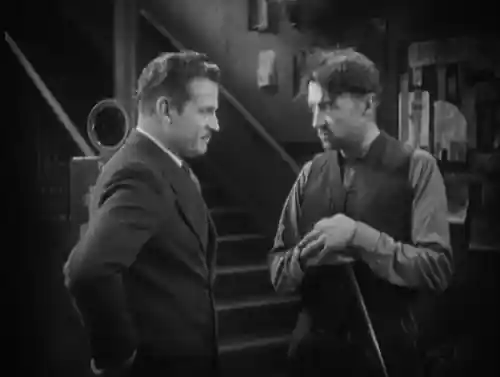
The success of any silent film hinges on the expressiveness of its cast, and Underworld boasts a triumvirate of powerful performances. George Bancroft as Bull Weed is nothing short of iconic. He embodies the gangster archetype with a larger-than-life presence that fills the screen. His performance is a masterclass in physicality – the swagger, the booming laugh, the sudden shifts from jovial camaraderie to cold menace. We see his power not just in his actions, but in the way he commands the space, in the fear and respect he elicits from others. Consider the scene where he first encounters Rolls Royce; Bancroft’s paternalistic condescension is palpable, yet tinged with a genuine desire to 'fix' the broken man.
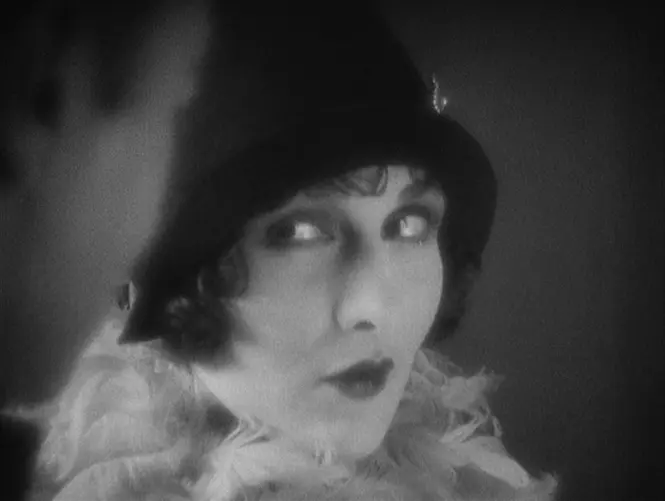
Evelyn Brent’s portrayal of Feather is equally compelling, though far more subtle. She is the quiet storm at the heart of the narrative. Brent uses her eyes, her posture, and the slightest turn of her head to convey a complex emotional landscape – longing, fear, manipulation, and a desperate desire for a life beyond the 'underworld.' Her chemistry with both Bancroft and Brook is undeniable, creating a palpable tension that drives the plot. The way she subtly glances at Rolls Royce when Weed isn't looking, a flicker of desire that speaks volumes, is a testament to her nuanced acting.
Clive Brook, as the disgraced lawyer Rolls Royce Wensel, delivers a performance that arcs dramatically. His transformation from an alcoholic wreck to a sharp, calculating lieutenant, and then to a man torn between loyalty and desire, is meticulously rendered. Brook’s initial portrayal of Wensel’s brokenness is genuinely affecting, making his eventual rise and subsequent moral struggle all the more impactful. His silent anguish when he realizes the depth of his betrayal, even as he acts upon it, is a powerful moment.
Scene from Underworld
Cinematic perspective: Exploring the visual vocabulary of Underworld (1927) through its definitive frames.
Directorial Vision and Cinematography: A Stylistic Tour de Force
Josef von Sternberg's direction in Underworld is nothing short of revolutionary. He doesn't just tell a story; he paints it with light and shadow, crafting an atmosphere that is both gritty and expressionistic. The film's visual language is its primary narrator, a stark reminder of the power of purely cinematic storytelling. Von Sternberg's use of deep focus, dynamic compositions, and high-contrast lighting creates a world that feels simultaneously real and operatic.
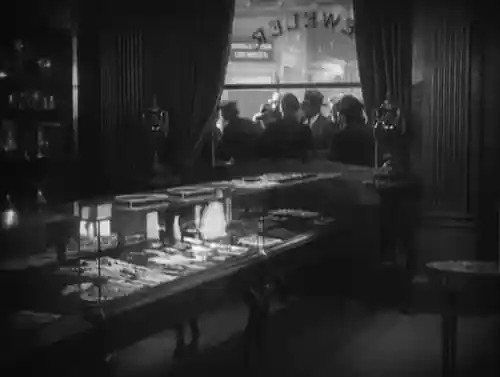
Karl Struss's cinematography is a major contributing factor to the film's enduring impact. The way he lights the smoky backrooms, the cramped apartments, and the stark streets of the city imbues every frame with a sense of dread and glamour. Shadows are not merely an absence of light; they are characters themselves, concealing motives and hinting at danger. The iconic bank robbery sequence, for instance, is a masterclass in visual tension, relying on rapid cuts and dynamic camera angles to convey chaos and urgency without a single spoken word.
Von Sternberg's attention to detail extends to the mise-en-scène. Every prop, every costume, every set piece contributes to the overall mood and character development. The opulent yet claustrophobic interiors of Weed's hideout reflect his status and his trapped existence. The director's ability to convey mood and character through visuals, such as the stark lighting on Rolls Royce's face as he contemplates betrayal, is a hallmark of his genius.
Scene from Underworld
Cinematic perspective: Exploring the visual vocabulary of Underworld (1927) through its definitive frames.
Pacing and Tone: A Shifting Landscape
The pacing of Underworld is deliberate, building tension slowly but surely. It's not a rapid-fire narrative, a distinction that might challenge viewers accustomed to contemporary action films. However, this measured approach allows the psychological drama to unfold organically, giving weight to each character's choices and their consequences. The film uses its 'silence' – punctuated by evocative intertitles – to create a rhythm that is both hypnotic and suspenseful. The build-up to the final confrontation, for example, is a slow burn, punctuated by moments of quiet desperation and explosive violence.
The tone of the film is a fascinating blend of grit, melancholic romance, and surprising tenderness. It's a crime drama, yes, but it delves into themes of loyalty, betrayal, and the corrupting influence of power with a surprising depth. The moral ambiguity of its characters is a key element; no one is purely good or evil. Bull Weed, for all his brutality, exhibits a warped sense of honor and a paternalistic affection for Rolls Royce, a nuance that complicates his villainy. This blend of pulp fiction aesthetics with psychological drama makes Underworld a richer experience than many of its contemporaries.
One unconventional observation is the almost lyrical quality of some of the film’s more violent sequences. Von Sternberg manages to infuse even the most brutal acts with a strange, balletic grace, elevating them beyond mere shock value into something akin to tragic poetry. It works. But it’s flawed.
Context and Legacy: The Birth of a Genre
Underworld didn't just win an Academy Award for Best Original Story (for Ben Hecht); it fundamentally reshaped Hollywood. It proved that crime could be a compelling subject for serious cinema, moving beyond the simplistic morality plays of earlier films. Its influence can be seen in countless gangster films that followed, from the Pre-Code era to the modern day. The archetypes it established – the charismatic boss, the conflicted protégé, the femme fatale – became cornerstones of the genre.
Comparing it to other films of its era, such as The Affairs of Anatol or The Forbidden Valley, highlights its unique grittiness and psychological depth. While those films explored different facets of human drama, Underworld dared to delve into the darker side of American life with unprecedented realism and style. It was a film ahead of its time, pushing boundaries both narratively and aesthetically.
The film’s greatest strength, paradoxically, is also its most challenging aspect for modern viewers: its unyielding commitment to a visual language that demands active interpretation. This isn't passive entertainment; it's a conversation. It asks you to lean in, to observe, to feel the emotions conveyed through gestures and expressions rather than dialogue. This engagement is ultimately rewarding, but it requires a different kind of viewership.
Key Takeaways
Best for: Film historians, silent cinema enthusiasts, and fans of psychological crime dramas.
Not for: Viewers seeking fast-paced action or those unfamiliar with silent film conventions.
Standout element: The groundbreaking visual storytelling and the iconic performances, particularly George Bancroft’s Bull Weed.
Biggest flaw: Occasional melodramatic flourishes that can feel dated to a contemporary audience.
Pros and Cons
Pros:
Revolutionary direction by Josef von Sternberg.
Powerful, expressive performances from the lead cast.
Groundbreaking cinematography that defines the gangster genre.
Deep psychological themes explored through visual narrative.
Historically significant as the first true gangster film.
Cons:
Pacing can feel slow for modern audiences.
Some dramatic elements lean into silent film melodrama.
Reliance on intertitles may break immersion for some.
Limited accessibility for viewers unfamiliar with silent cinema.
Verdict
Underworld is an indispensable piece of cinematic history, a bold, stylish, and psychologically rich film that single-handedly birthed a genre. While its silent film conventions and deliberate pacing may not appeal to every modern viewer, its artistic merits and foundational importance are undeniable. Josef von Sternberg's directorial prowess, coupled with the magnetic performances of George Bancroft, Evelyn Brent, and Clive Brook, creates a timeless narrative of ambition, loyalty, and betrayal. It’s a film that demands your attention, rewards your patience, and leaves an indelible mark. For those willing to engage with its unique language, Underworld remains a compelling and essential watch, a testament to the enduring power of visual storytelling.