DbcultAccessing Vault...
Cult Review
Senior Film Conservator
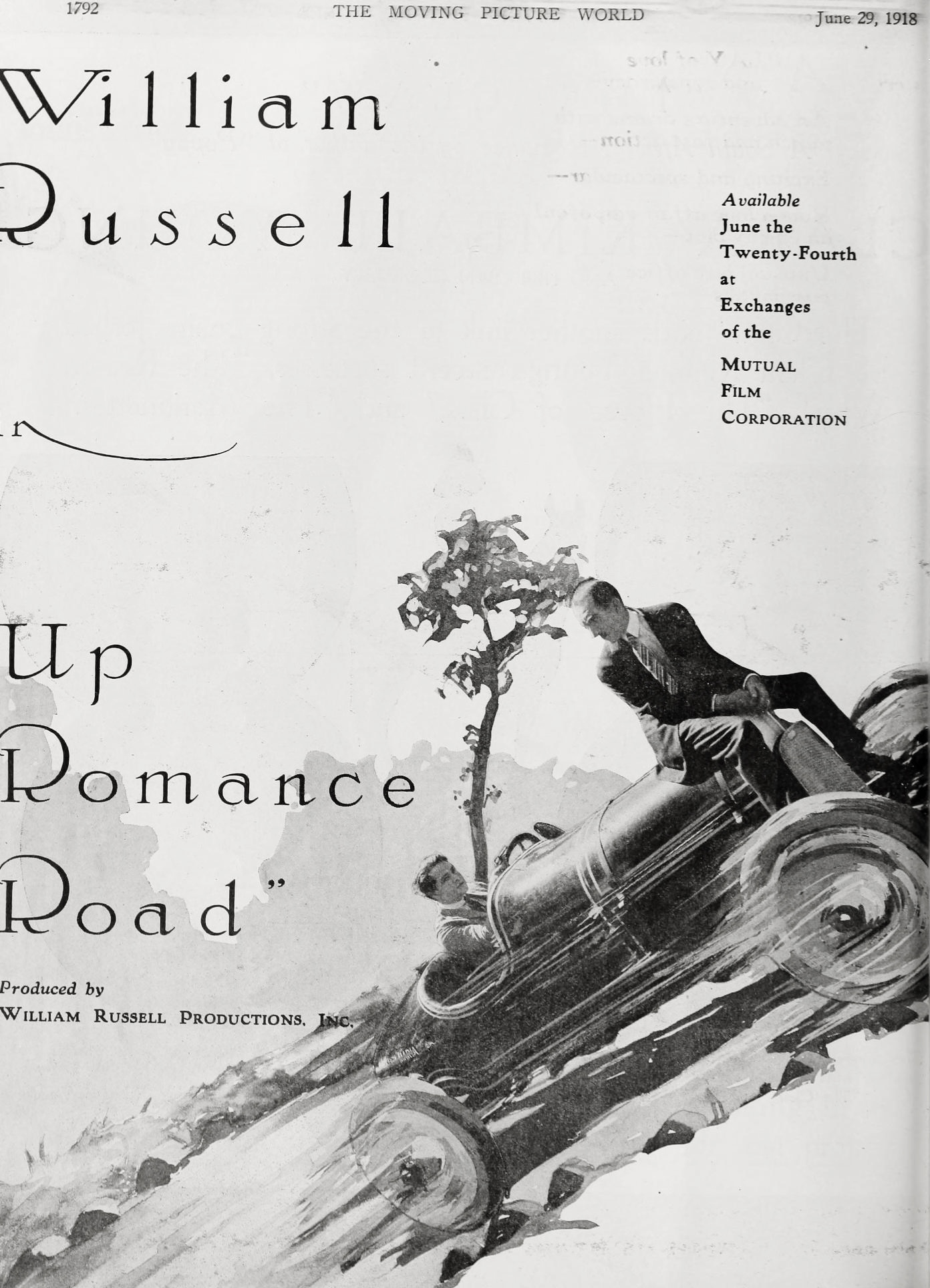
The first thing that strikes you about Up Romance Road is how brazenly it weaponizes affluence: chandeliers become interrogation lamps, ballrooms double as bargaining tables, and a single sheet of cream stationery nearly scuttles an armada. Jules Furthman’s screenplay—written two years before he penned My Partner’s hard-boiled repartee—already exhibits his lifelong obsession with moral negotiation zones. Here negotiation is courtship, courtship is extortion, and love itself is a hostile takeover bid.
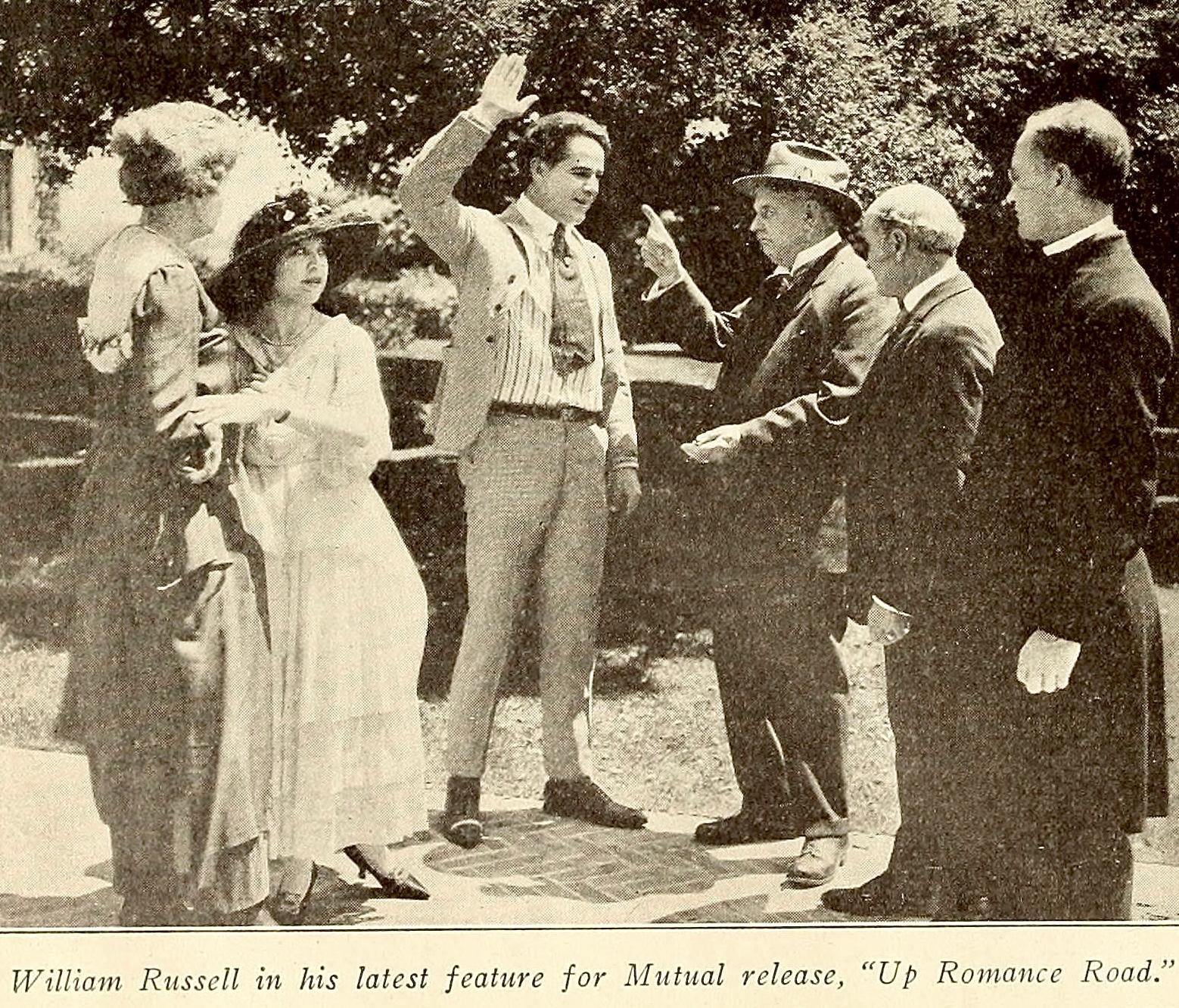
William Russell’s Gregory Thorne arrives on-screen in a staggered medium-shot: top-hat brim slicing the frame like a guillotine, white gloves spotless yet twitching as though allergic to stillness. Russell, who cut his teeth on serial cliffhangers, plays ennui like a virtuoso—every yawn is a dare. Emma Kluge’s Marta, swaddled in ermine and skepticism, matches him beat for beat; her sidelong glances could capsize schooners. Their chemistry is less swoon than standoff, a reminder that in 1924 the word romance still carried the aftertaste of chivalric combat.
From Lark to Larceny in 12 Reels
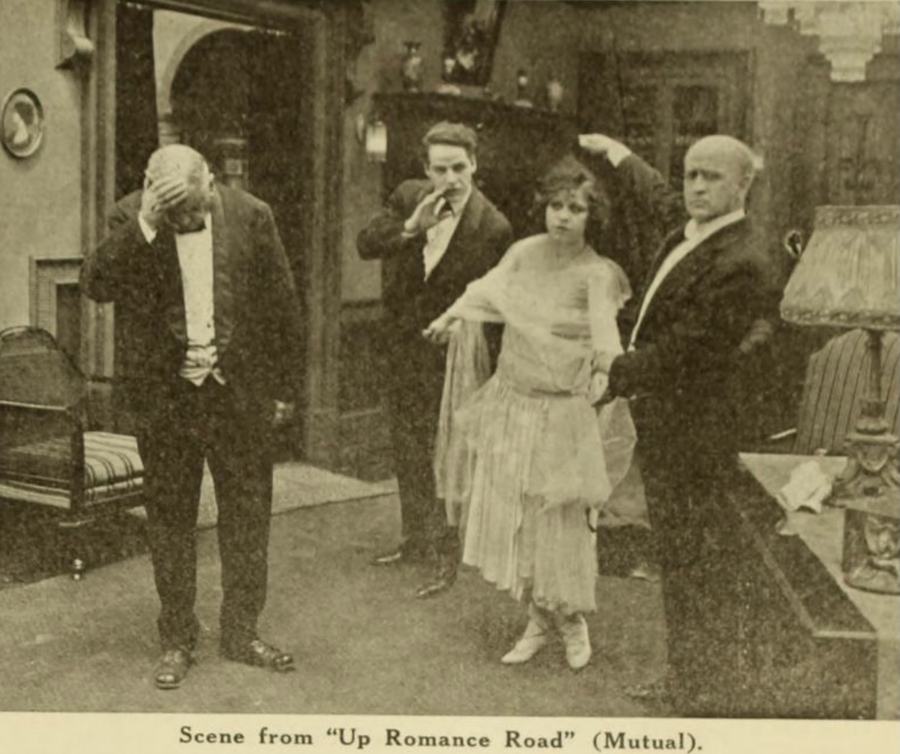
The inciting letter—read aloud in a cavernous study paneled with ancestral portraits—functions like a magic spell, transmuting pent-up boredom into geopolitical stakes. Furthman never shows us the text in full; instead the camera dollies past wax-sealed envelope to Milbanke’s pupils dilating with fiscal dread. It’s a masterclass in implication, one that Hitchcock would echo four years later in Blackmail.
Gregory’s vow to identify yet suppress the blackmailer’s name is the film’s most delectable perversity. He doesn’t want safety; he wants plot. Watch how Russell’s shoulders loosen once the engagement is jeopardized—finally, a narrative worthy of his birthright. The abduction plan he sketches on a napkin is drafted with the same blasé flourish one might use to order foie gras.
Eckstrom’s Expressionist Shadow
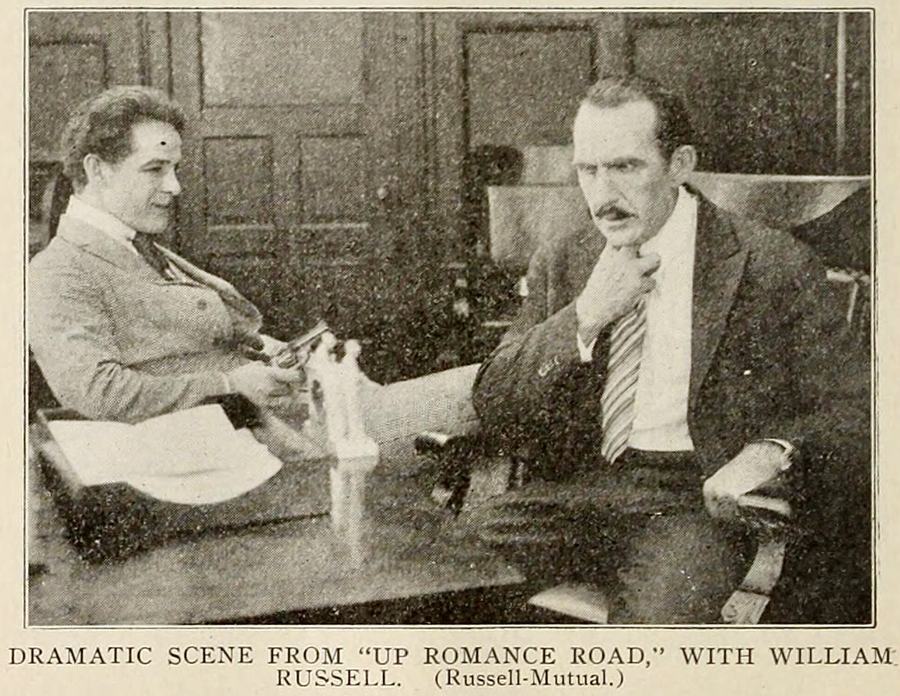
Enter Count Hilgar Eckstrom, played by Carl Stockdale with the cadaverous elegance of a Schiele drawing. Stockdale elongates every syllable as though savouring cyanide on his tongue. His lair—an abandoned cooperage atop Telegraph Hill—reeks of tar and doomed maritime ambition. Set designer George W. Hayden festoons the rafters with ship lanterns that swing like hangman’s nooses, casting lattice shadows that prefigure noir by two decades.
The parallel abduction gambit is staged as a Keystone brawl filtered through Germanic dread: fists ricochet, top hats roll like tumbleweeds, yet the slapstick is undergirded by genuine peril. Marta’s kidnapping is a case of mistaken identity—she steps into the wrong Rolls-Royce, a gag that curdles once the door slams with prison-gate finality. The tonal whiplash is intentional; Furthman wants us to taste how quickly privilege can sour into bondage.
Compare this pivot to The Volunteer, where the protagonist wills himself into danger for patriotic abstraction. Gregory’s motive is purer narcissism: he needs life to imitate pulp. Yet the film refuses to moralize; its lens lingers on Marta’s torn silk stockings with the same empathy it affords the dockworkers loading munitions under Eckstrom’s crosshairs.
Wireless Cables & Ticking Torpedoes
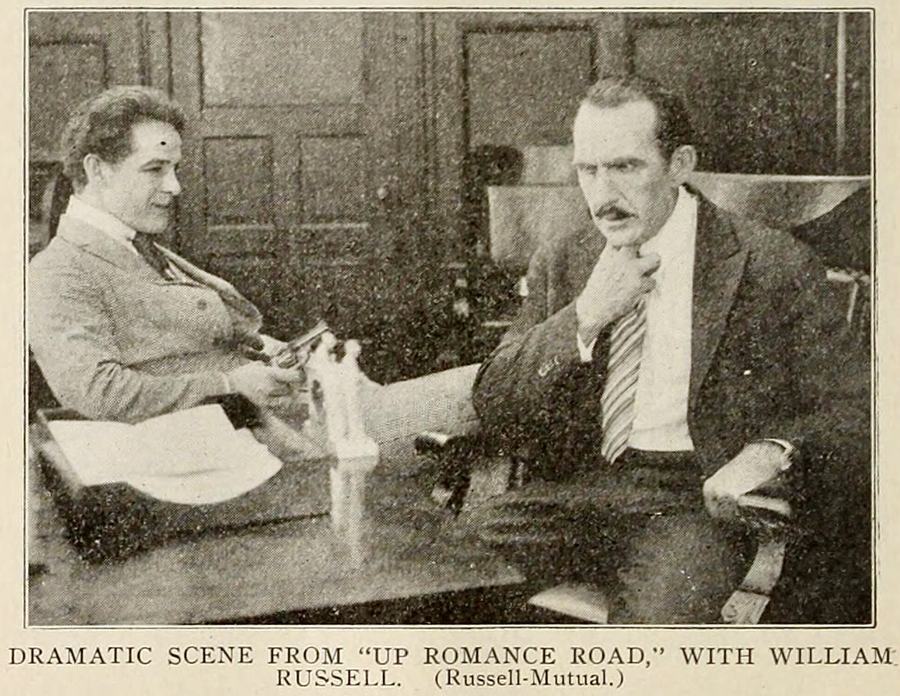
Mid-film, the narrative fractures into three strata: Marta in captivity decoding Eckstrom’s ciphered demands; Gregory shackled below deck engineering a mutiny among the Count’s dockside henchmen; and Milbanke père stalling federal agents who suspect him of treason. Editor Ruth Ann Cole crosscuts these threads with staccato precision—iris-wipes iris-wipes iris-wipes—until chronology feels like a shuffled deck of sabotage.
The standout set-piece unfurls inside a decommissioned U-boat retrofitted as Eckstrom’s floating vault. Cinematographer Frank D. Williams, shooting on 70mm nitrate, bathes the hull in pools of sea-green gaslight. Gregory persuades a bosun to turn the vessel’s own torpedo against its maker, a poetic inversion that renders sabotage self-devouring. The countdown intertitle—“THREE MINUTES UNTIL THE LAW IS FED TO THE SHARKS”—is superimposed over Marta’s quivering iris, merging erotic terror with geopolitical dread.
This fusion of intimacy and warfare sets Up Romance Road apart from its contemporaries. While The Birth of Patriotism sermonizes through historical tableaux, and The Bugle Call trumpets moral absolutes, Furthman’s film insists that hearts are simply another theatre of war, collateral damage tallied in kisses withheld.
The finale arrives beneath a bruised dawn, fog horns ululating like wounded leviathans. Eckstrom attempts to spirit Marta onto a neutral freighter bound for Valparaíso; Gregory, bloodied but unbowed, commandeers a pilot tug. Williams’ camera perches atop a cargo crane, surveying the melee with omnipotent detachment—steam stacks belch coal-smoke while bullets stitch arabesques across canvas awnings. The Count’s overcoat billows like black sails; when he topples into the drink, the splash is swallowed by klaxons, a rare moment where nature’s indifference outshines human villainy.
Marta’s rescue is no damsel-swoon. She claws a rivet loose from a crate, brandishing it as shiv until Gregory skids down a hawser to her side. Their final clinch is shot in chiaroscuro—faces half-lit by muzzle-flash, half-eclipsed by fog—suggesting that love, like espionage, thrives in penumbra.
Performances & Micro-Gestures
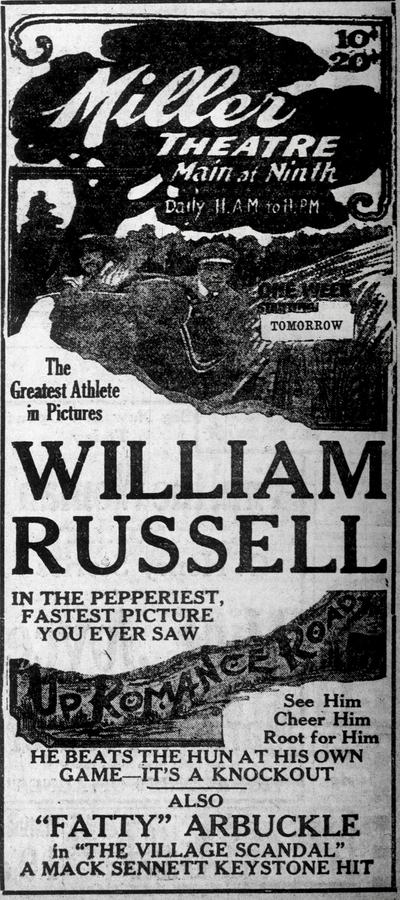
Russell’s gift lies in micro-gestures: note how he taps his signet ring against a champagne flute—three staccato clicks—whenever plotting, a Morse code of restlessness. Kluge counters with stillness; her Marta communicates through breath alone, shoulders rising as if inhaling the plot’s next twist. In a medium that often rewarded theatrical excess, their restraint feels modern, almost Cassavetian.
Stockdale deserves singularity praise. His Eckstrom embodies the aristocratic decay that would soon pervade Weimar cinema. When he murmurs, “A ship without a destination is a coffin with curtains,” the line reverberates beyond villainy into existential dread.
Furthman’s Thematic Thickets
Beneath its cloak-and-dagger thrills, the film is a treatise on negotiated identity. Every character trades in futures: Milbanke barters his daughter’s autonomy for safe passage; Gregory gambles engagement for adrenaline; Eckstrom speculates in geopolitical collapse. Even Marta, ostensibly the prize, learns to commodify her own jeopardy—her final smile is less relief than realization that risk has become her dowry.
This mercantile motif aligns Up Romance Road with Great Expectations, where inheritance is a corrupting oracle. Yet Furthman refuses Dickensian moralism; his universe is amoral, driven by supply and demand of sensation.
Visual Syntax & Archival Resonance
Surviving prints, housed at the Library of Congress, exhibit tinting that shifts from amber salon scenes to cerulean maritime segments—an early example of chromatic emotional coding. Compare this to the monochromatic austerity of A Study in Scarlet; Furthman’s palette insists that opulence itself is a character, one capable of betrayal.
The film’s 78-minute runtime feels paradoxically expansive thanks to rhythmic montage. Intertitles, etched in Art-Nouveau typeface, often repeat key nouns—“SHIP,” “FORTUNE,” “DISASTER”—like incantations, embedding the lexicon of capital into the viewer’s subconscious.
For modern audiences weaned on Bridge of Spies or The Night Manager, Up Romance Road offers a template: romance as espionage, espionage as capitalism’s late-night tryst. The Count’s claim that “every heart has a manifest” could headline a Goldman Sachs prospectus.
Final Valve Rating (Out of 5)
Plot Machinations: 4.5/5—Clockwork twists, though the U-boat torpedo borders on Steampunk folly.
Romantic Voltage: 4/5—Sparks fly, but intimacy is transactional; modern viewers may crave vulnerability beyond brinkmanship.
Atmospheric Density: 5/5—Arguably the most tactile San Francisco docks ever filmed; you can taste the creosote.
Cultural Aftershock: 3.5/5—Overshadowed by Fairbanks’ swashbucklers yet mined by Hitchcock and Lang for decades.
Stream the 4K restoration on Criterion Channel or snag the Blu-ray from Kino Lorber, which includes a commentary by Furthman biographer Dr. Lila Ortiz and a 12-page booklet on the film’s anti-trust subtext. Pair with The Quitter for a double bill on capitalist panic, or chase it with It Happened in Honolulu to rinse the noir residue with tropical fizz.
Bottom line: Up Romance Road is a champagne saber of a film—effervescent, lethal, and still capable of slicing contemporary complacency. Watch it once for the thrills, again for the economics lecture disguised as a kiss.
IMDb 7.3
1926
Community
Log in to comment.