DbcultAccessing Vault...
Cult Review
Senior Film Conservator
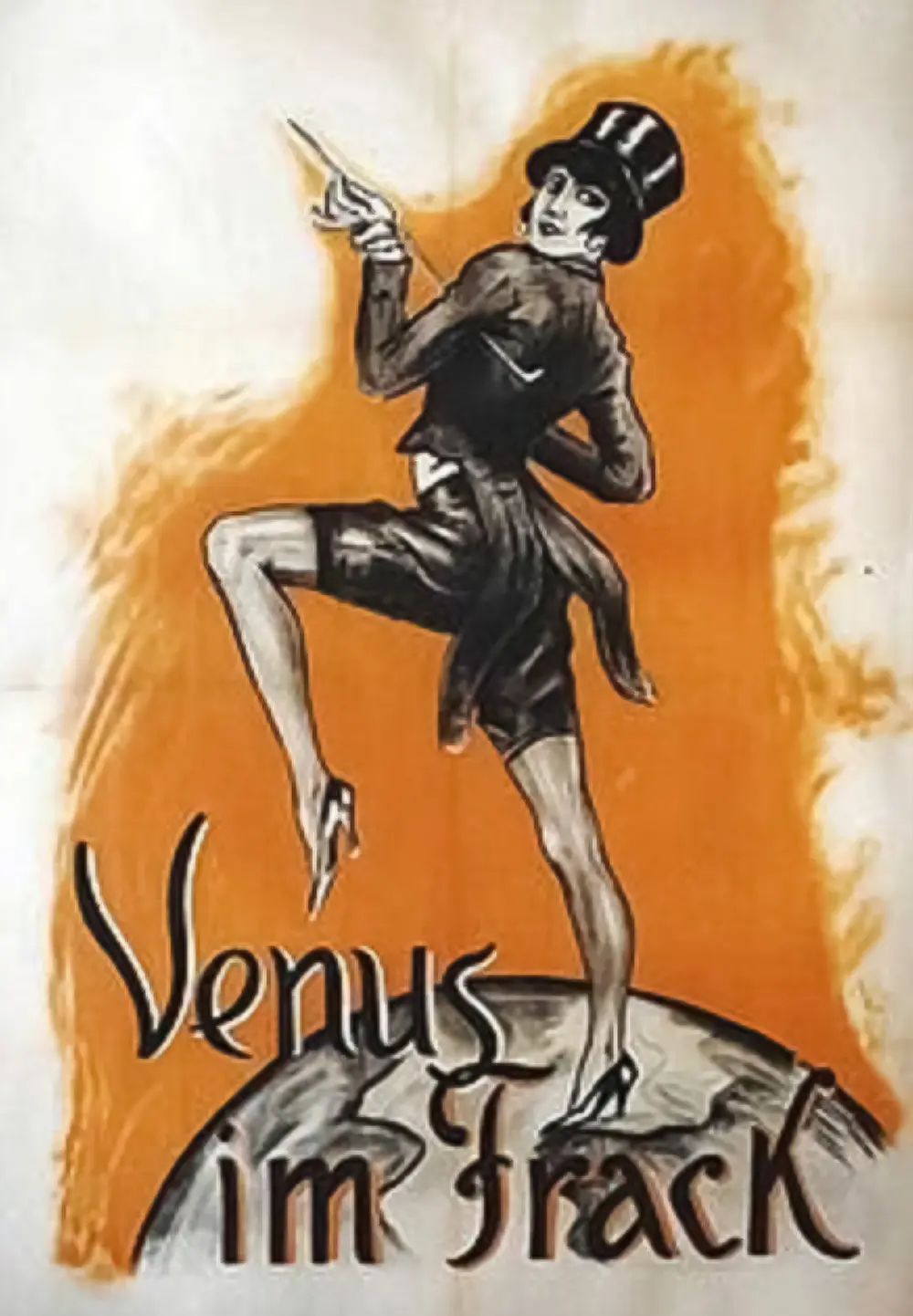
Venus im Frack is a film that survives on a single gimmick that wears thin by the forty-minute mark. If you are looking for a sharp Weimar satire with teeth, you will not find it here. This is a polite, occasionally stiff comedy that lacks the subversion its premise suggests. It is worth watching only for those obsessed with the evolution of the 'trouser role' or Evi Eva’s specific brand of gamine charm. Most modern viewers will find the pacing glacial and the humor too reliant on characters being conveniently blind to the obvious.
This film works because Evi Eva has a genuine screen presence that manages to cut through the static staging. Her performance in the tuxedo is less about convincing the audience she is a man and more about the playful arrogance of a woman who knows she is breaking the rules.
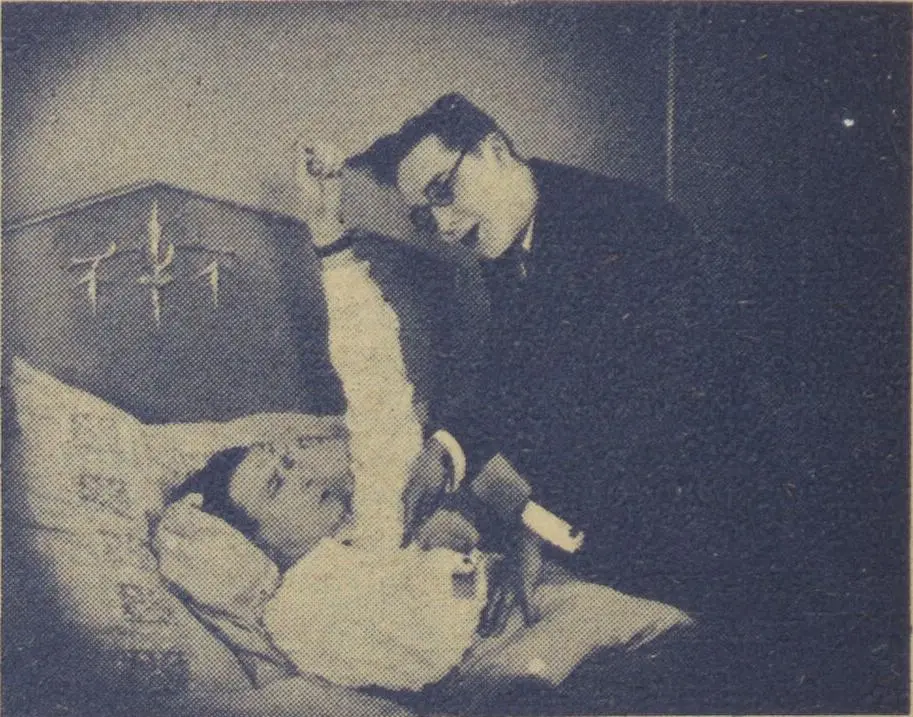
This film fails because the script by Thilde Förster and Ladislaus Vajda is fundamentally timid. It sets up a scenario ripe for social critique but settles for standard drawing-room farce that feels dated even by 1927 standards.
You should watch it if you have an academic interest in 1920s German fashion or the 'New Woman' archetype in cinema. Do not watch it if you expect the kinetic energy of The Haunted House or the genuine heart of Grandma's Child.

The central hook of Venus im Frack is the 'Frack' itself—the tuxedo. In 1927, a woman in male evening wear was a potent image of rebellion. However, director Robert Land treats the costume more like a plot device than a radical statement. Evi Eva’s Countess doesn’t use the suit to gain power; she uses it to hide. There is a specific scene in a crowded ballroom where the camera lingers on her lighting a cigar. It should feel like a moment of liberation, but the static camera and the staged reactions of the extras make it feel like a rehearsal.
Unlike the fluid gender-bending seen in later talkies, the film struggles with the physical reality of its lead. Eva is far too petite and her movements too feminine for the 'disguise' to hold any weight. The film asks for a level of suspension of disbelief that it hasn't earned through its writing. When she interacts with characters like those played by Ida Wüst or Robert Thiem, the tension isn't about whether she will be caught, but rather why they haven't caught her yet. It makes the elite society she inhabits look moronic rather than just traditional.
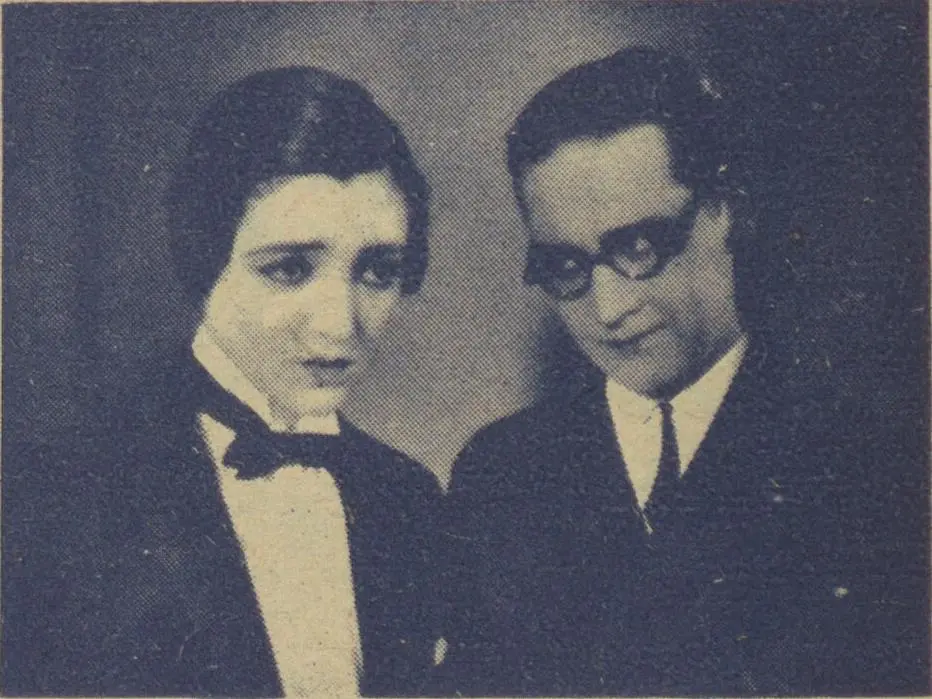
The writing team, including Ladislaus Vajda, who would go on to do much better work, seems stuck between two worlds. They want the sophistication of a Lubitsch comedy but the safety of a morality play. The dialogue—delivered via intertitles—is often clunky. It lacks the sharp, rhythmic snap found in other films from the same year. There is a recurring bit involving a misunderstanding at a club that feels like it belongs in a much earlier, cruder production like The Mixed Ladies Chorus.
One debatable opinion I hold is that the film is actually more conservative than it appears. While it presents a woman in 'male' spaces, it constantly frames her as being 'out of place' or in need of rescue. The tuxedo isn't a tool for her to change her life; it’s a temporary costume that she is eventually expected to shed to return to her 'rightful' place. This prevents the film from having any real lasting impact. It toys with the idea of gender fluidity but runs back to the safety of the status quo the moment things get complicated.
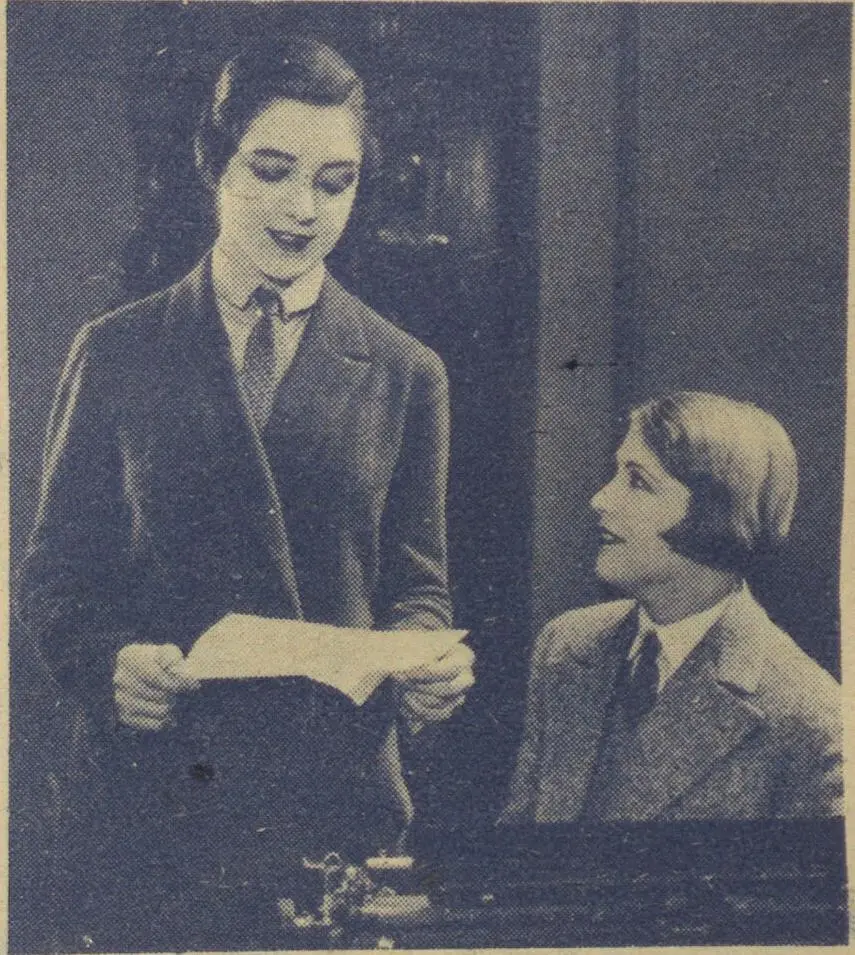
Visually, Venus im Frack is uninspired. By 1927, German cinema was the envy of the world for its expressive lighting and moving cameras. Here, Robert Land opts for a flat, stage-like approach. The sets are lavish—the art deco influences in the Countess’s apartment are the highlight of the production—but they are filmed with a lack of depth. The lighting is bright and even, washing out the textures of the very costumes the film is named after.
The pacing is the biggest hurdle. The second act features a series of repetitive scenes where the Countess narrowly avoids discovery. Each scene hits the same beat: a close call, a nervous look at the camera, and a quick exit. It lacks the escalating stakes required for a farce to function. Compare this to the tight editing and physical inventiveness of When Seconds Count, and the flaws in Land’s direction become glaring. The film doesn't move; it sits.
Pros:
Cons:
Venus im Frack is a minor entry in the 1920s German canon. It isn't a disaster, but it is undeniably dull. It lacks the visual flair of the Expressionists and the wit of the great satirists. While Evi Eva is charming in a tuxedo, the film around her is too scared to let her do anything truly interesting with it. It’s a curiosity that demonstrates how even the most provocative ideas can be rendered toothless by conventional direction. If you want to see the era’s potential, look elsewhere. This is just a dress-up party that goes on far too long.

IMDb 6.9
1928
Community
Log in to comment.