DbcultAccessing Vault...
Cult Review
Senior Film Conservator
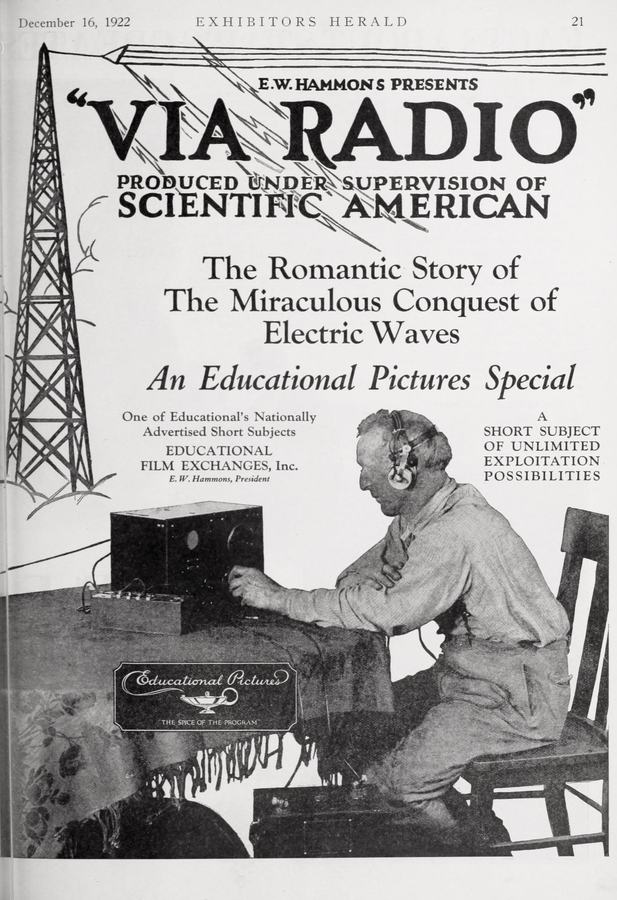
The film Via Radio is a nuanced exploration of the human experience, set against the fascinating backdrop of early radio technology. As we navigate the lives of the characters, we find ourselves immersed in a world where the boundaries of distance and isolation are transcended by the power of radio communication. This theme of connection and unity is reminiscent of classic films like Tol'able David, which also explores the human condition in the face of adversity.
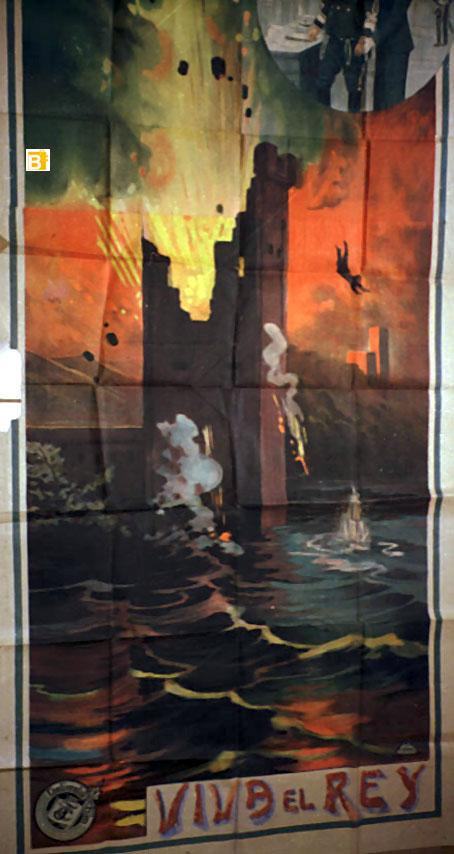
The cinematography in Via Radio is nothing short of breathtaking, with vivid colors and meticulous attention to detail that transport the viewer to a bygone era. The use of dark orange hues in certain scenes adds a sense of warmth and nostalgia, while the yellow tones evoke a feeling of hope and optimism. Meanwhile, the sea blue palette serves as a poignant reminder of the vastness and mystery of the world beyond the characters' immediate surroundings.
One of the standout aspects of Via Radio is its thoughtful pacing, which allows the viewer to absorb the complexities of the narrative and become fully invested in the characters' journeys. This deliberate approach to storytelling is similar to that found in Ten of Diamonds, where the slow-burning tension builds towards a dramatic climax. In contrast, films like His Watch Hound and A Prisoner in the Harem rely on more fast-paced action and suspense to drive the plot forward.
The themes of love, loss, and longing in Via Radio are deeply resonant, and the film's use of radio communication as a metaphor for human connection is both poignant and powerful. This exploration of the human experience is also evident in films like Stolen Moments and Der Fürst der Diebe und seine Liebe, which also examine the complexities of relationships and the passage of time.
In terms of its historical context, Via Radio offers a fascinating glimpse into the early days of radio technology and its impact on society. This is an area where films like Protea II and Die toten Augen also provide valuable insights, highlighting the rapid advancements in technology and their effects on human relationships. Meanwhile, films like Salome vs. Shenandoah and Young Mother Hubbard approach the theme of technological progress from a more satirical perspective, using humor and irony to comment on the societal implications of innovation.
The character development in Via Radio is exceptional, with each character bringing their own unique perspective and emotional depth to the narrative. This is an area where the film bears some resemblance to With the Army of France, which also focuses on the personal stories and struggles of its characters. In contrast, films like The Belle of New York and Der Eisenbahnmarder rely more on spectacle and grandeur to drive the plot forward, often at the expense of character development.
The film's score is equally impressive, with a haunting soundtrack that perfectly complements the on-screen action. The use of music in Via Radio is reminiscent of The Rainbow Princess, where the soundtrack plays a crucial role in setting the tone and atmosphere of the film. In contrast, films like Weltbrand often feature more avant-garde and experimental soundtracks, which can be jarring and challenging for some viewers.
Ultimately, Via Radio is a film that will resonate with viewers on a deep and profound level. Its thoughtful exploration of the human condition, combined with its meticulous attention to detail and stunning cinematography, make it a truly unforgettable cinematic experience. As we reflect on the film's themes and messages, we are reminded of the power of human connection and the importance of empathy and understanding in our increasingly complex and interconnected world.
IMDb —
1922
Community
Log in to comment.