
DbcultAccessing Vault...
Cult Review
Senior Film Conservator
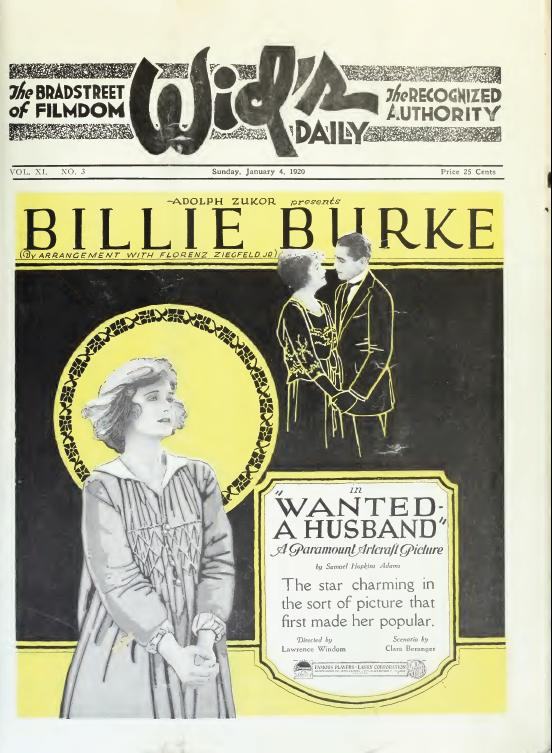
In the annals of silent cinema, where grand gestures and expressive pantomime often spoke louder than words, certain films emerge as charming time capsules, reflecting the social mores and comedic sensibilities of their era with remarkable clarity. Billie Burke's 1919 vehicle, Wanted: A Husband, is precisely one such gem. Directed with a light touch and imbued with a delightful spirit of romantic artifice, it offers more than just a simple narrative; it presents a nuanced commentary on societal pressures, the transformative power of illusion, and the often-unpredictable path to genuine affection. For those accustomed to the more overt slapstick of some early comedies, this film provides a refreshing dip into the waters of sophisticated farce, where the humor springs from character and circumstance rather than mere physical gags.
The premise, at first glance, might appear conventional: a young woman, Darcy Cole (Burke), feels the sting of social inadequacy when her two roommates, Maude Raynes and Helen Bartlett, announce their engagements. This is a familiar trope, certainly. The pressure to conform, to secure a partner, was palpable in the early 20th century, particularly for women. However, what elevates 'Wanted: A Husband' beyond a mere romantic comedy is Darcy’s audacious response to this pressure. Instead of wallowing in self-pity or embarking on a desperate search, she invents a titled fiancé, a Lord, no less. This act of imaginative defiance is not solely about keeping up appearances; it's a defensive maneuver, a shield against the casual cruelties and snide remarks from her peers concerning her somewhat disheveled appearance and perceived lack of romantic prospects. It speaks volumes about the internal struggles of women navigating a world that often judged them by their marital status and outward presentation.
The film truly begins to sparkle with the introduction of Gloria Green, Darcy’s friend, who becomes the catalyst for the narrative's central deception. Gloria is not merely an accessory; she is an active agent in Darcy’s transformation. Her contribution of a photograph of her cousin, Jack Remsen, ironically costumed as a lord for a college play, is a stroke of genius, providing the visual anchor for Darcy’s invented suitor. More significantly, Gloria undertakes the monumental task of transforming Darcy herself. This metamorphosis from an 'untidy' young woman into a 'stylish beauty' is a pivotal moment, not just for the plot but for the character's internal journey. It's a visual representation of how external changes can bolster inner confidence, a theme that resonates even today. Billie Burke, known for her effervescent charm and sophisticated roles (later famously Glinda the Good Witch), embodies this transition with grace and believable enthusiasm. Her performance is a testament to the power of silent acting, conveying Darcy's initial insecurity, her growing confidence, and her eventual blossoming with subtle facial expressions and body language.
The narrative then twists into a delightful spiral of comedic complications. Gloria’s fiancé, Tom Harmon, inadvertently fuels the burgeoning farce by offering his bungalow as a honeymoon retreat. This seemingly innocuous gesture sets the stage for a classic comedy of errors, as Darcy, now accompanied by Jack Remsen (playing her 'imaginary' lord), pretends to elope. The genius of the plot lies in its layered deceptions: Darcy is deceiving her roommates, Jack is deceiving everyone by playing a role, and the audience is privy to the delicious irony of it all. This kind of intricate plotting, where misunderstandings multiply, harks back to theatrical farces and demonstrates a sophisticated approach to comedic storytelling, a trait sometimes overlooked in early cinema.
The arrival at the bungalow marks the true commencement of the film's farcical crescendo. With multiple couples—some genuinely engaged, others merely playing a part—arriving in succession, the diligent housekeeper, Veronica, finds herself in an increasingly bewildering situation. Each pair is assigned a room, creating a delicate balance of hidden identities and near-discoveries. The tension, while comedic, is palpable, driven by the constant threat of exposure. This segment is where the film truly shines in its execution of situational comedy, relying on impeccable timing and the actors' ability to convey mounting panic and confusion without uttering a single word. It reminds one of the intricate dance of mistaken identities seen in films like The Concealed Truth, where hidden motives and mistaken identities drive much of the dramatic tension, albeit with a more serious tone.
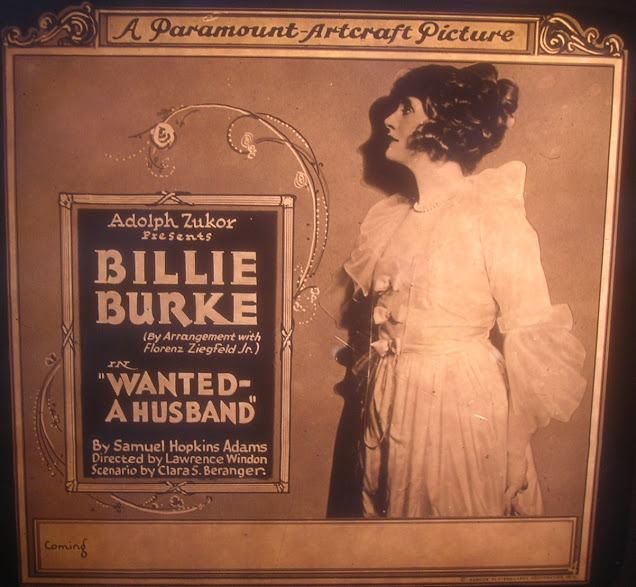
The pinnacle of the bungalow chaos arrives with Veronica’s dramatic misinterpretation of Jack. When she observes him removing his theatrical makeup, her mind, perhaps fueled by sensational newspaper reports, leaps to the conclusion that he is 'Gentleman Jack,' a notorious burglar. This specific plot point, while a classic comedic device, also subtly critiques the sensationalism of media and the ease with which appearances can be deceiving. The image of a man transforming his face, even for innocent reasons, ignites a primal fear, leading to an exaggerated, yet entirely believable within the film's context, panic. The performances here, particularly by the actress playing Veronica, would have required a nuanced blend of terror and conviction, pushing the boundaries of silent film acting to convey complex emotions.
The eventual arrival of Gloria and Tom serves as the much-needed deus ex machina, bringing clarity to the convoluted affairs. Their explanation unravels the tangled web of misunderstandings, exposing the layers of pretense and revealing the true identities and intentions of the characters. However, the resolution is not merely a return to the status quo. What began as a superficial deception, a means to an end, blossoms into something unexpectedly profound. Darcy and Jack, having shared the intimacy of their elaborate charade, having navigated the perils of near-exposure and the thrill of their shared secret, discover a genuine connection. Their decision to become 'real honeymooners' is the film's ultimate triumph, transforming a story of manufactured romance into one of authentic affection. This journey from artifice to authenticity is a recurrent theme in cinema, often explored in comedies, but rarely with such a charming and understated elegance in the silent era.
The casting, though featuring many lesser-known names today, was clearly designed to support Billie Burke's star power. Burke herself, already a seasoned actress by 1919, brings a captivating blend of vulnerability and vivacity to Darcy. Her evolution throughout the film, from a somewhat dowdy wallflower to a radiant woman in love, is not just a physical transformation but a spiritual one, conveyed through subtle shifts in posture, gaze, and the overall lightness of her being. The supporting cast, particularly those playing the roommates and the flustered housekeeper, contribute significantly to the comedic rhythm, each playing their part in the intricate dance of deception and discovery. The dynamic between Darcy and Jack, initially one of convenience, gradually evolves into genuine chemistry, a testament to the actors' ability to convey developing emotions without dialogue. This is a hallmark of effective silent film performance, requiring actors to communicate volumes through subtle gestures and expressions, much like the nuanced performances in The Ballet Girl, where character emotions are central to the narrative.
'Wanted: A Husband' is more than just a lighthearted comedy; it’s a fascinating cultural artifact. It speaks to the anxieties of a society grappling with changing gender roles and expectations in the wake of World War I. Women were increasingly entering the workforce, yet traditional pressures to marry and establish a household remained strong. Darcy’s initial predicament reflects this societal tension, and her solution—the invention of a fiancé—can be seen as a form of agency, albeit a deceptive one. The film also subtly touches upon themes of identity and self-reinvention. Darcy’s transformation, facilitated by Gloria, isn't just about looking good; it's about feeling good, about finding a confidence that was previously dormant. This idea of shedding an old skin for a new one, of embracing a different persona, is a timeless narrative, echoed in many stories of personal growth and societal adaptation.
The film’s direction, while not overtly flashy, is effective in maintaining a brisk pace and clear storytelling, crucial for silent cinema where narrative clarity is paramount. The use of intertitles is judicious, providing necessary exposition and dialogue without bogging down the visual flow. The cinematography, though characteristic of the era, manages to capture the charm of the settings, from the bustling urban apartment to the idyllic, if chaotic, honeymoon bungalow. The film’s ability to build suspense and laughter through visual gags and character reactions demonstrates a keen understanding of cinematic language, even in its nascent stages. It's a reminder that even early films could be sophisticated in their construction, using the nascent tools of the medium to great effect. Compare this to the more dramatic visual storytelling of something like Die Silhouette des Teufels, and you appreciate the different ways filmmakers leveraged the medium.
In conclusion, Wanted: A Husband stands as a delightful example of early romantic comedy, a testament to Billie Burke's enduring appeal, and a fascinating window into the social fabric of its time. It’s a film that, despite its age, retains a surprising freshness, its comedic beats still landing, its romantic trajectory still heartwarming. The journey of Darcy Cole, from a woman driven by social pressure to one who finds genuine love through an elaborate, if well-intentioned, deception, is a narrative that continues to resonate. It reminds us that sometimes, the most unexpected paths lead to the most authentic connections, and that a little bit of theatricality can, paradoxically, illuminate profound truths. For aficionados of silent cinema, or indeed anyone with an appreciation for well-crafted romantic farces, this film is an absolute pleasure, deserving of a renewed look and a place in the pantheon of charming cinematic escapades. It’s a testament to the idea that even without spoken dialogue, a story can be told with wit, heart, and an undeniable sense of joy, much like the timeless tales of human connection explored in The Light of Western Stars or The Silent Partner, albeit with different genre frameworks. The craftsmanship of the writers, Samuel Hopkins Adams and Clara Beranger, shines through in the intricate plotting and character arcs, demonstrating a sophisticated understanding of narrative structure that transcends the limitations of silent storytelling. It’s a film that asks us to consider not just what we want, but who we truly are, and who we might become when given the chance to shine.