DbcultAccessing Vault...
6/10
Senior Film Conservator
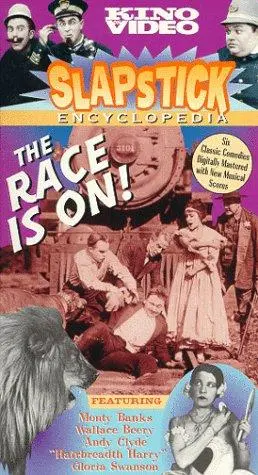
A definitive 6/10 rating for a film that redefined the boundaries of cult cinema. Danger Ahead remains a cornerstone of transgressive art.
Is 'Danger Ahead' worth watching today? Short answer: yes, but with significant caveats. This 1926 silent film, a spirited caper from an era long past, offers a fascinating glimpse into early cinematic storytelling, brimming with the kind of broad melodrama and physical comedy that defined the period. It’s a film for cinephiles, historians, and those with a genuine appreciation for the foundational elements of cinema, but it will likely prove a challenging watch for casual viewers accustomed to modern pacing and narrative complexity.
This film works because it distills the essence of a good chase and a clever deception into a pure, unadulterated form. Its simplicity is its strength, allowing the physical performances and the immediacy of the threat to shine through. This film fails because its technical limitations and the stylistic conventions of the 1920s can feel jarring and, at times, unintentionally comedic to a contemporary audience. You should watch it if you have an interest in silent cinema, enjoy seeing the roots of the heist genre, or are simply curious about how stories were told on screen before the advent of synchronized sound. It is decidedly NOT for those seeking a fast-paced, dialogue-driven, or effects-heavy experience.
The narrative of 'Danger Ahead' is a masterclass in straightforward, efficient storytelling, characteristic of the silent era's need to convey plot through visual action and succinct intertitles. We are introduced to Belinda, a character whose newfound financial security immediately marks her as a target. Her inheritance of $10,000, a truly considerable sum in 1926, acts as the central MacGuffin, a magnet for villainy.
Enter Rudolph, the quintessential silent film antagonist – greedy, unscrupulous, and utterly devoid of moral compunction. His plan is not subtle, nor is it particularly complex; it's a direct, audacious snatch-and-grab. The film’s genius lies in the timing: Rudolph and his henchmen arrive at Belinda’s home precisely as the money is being delivered. This creates an immediate, palpable tension, a ticking clock established not by a bomb, but by the physical presence of the coveted cash.
The introduction of Hairbreadth Harry, the heroic observer, adds the crucial element of intervention. His quick thinking to hide the money before Rudolph's crew can seize it shifts the conflict from a simple robbery to a more intricate game of cat and mouse. Rudolph's subsequent strategy to distract Harry and Belinda while his henchmen search for the hidden loot is a classic trope, executed with a charmingly primitive effectiveness. It’s a testament to the film's foundational understanding of suspense, even if the execution feels quaint by today's standards. The film doesn't waste time on elaborate backstories or character development; it plunges straight into the conflict, trusting the audience to grasp the stakes through action alone. This directness, while sometimes feeling rudimentary, is also refreshingly honest about its intentions: to entertain with a simple, thrilling premise.
The performances in 'Danger Ahead' are, as expected for a 1926 production, rooted deeply in the expressive, often exaggerated style of silent cinema. Dialogue, of course, is absent, leaving the burden of communication to facial expressions, body language, and the occasional intertitle. This demands a unique kind of acting, one that is less about subtle realism and more about clear, universally understandable pantomime.
Earl McCarthy, as Hairbreadth Harry, embodies the heroic archetype with earnest enthusiasm. His movements are purposeful, his expressions convey a straightforward determination, and he projects an aura of dependable virtue. When he spots Rudolph's nefarious intentions, his reaction is swift and physically pronounced – a quick glance, a decisive turn, and the immediate, almost instinctual act of securing the money. It's not a nuanced portrayal, but it doesn't need to be. Harry is the audience's moral compass and proactive champion, and McCarthy delivers on that promise with unwavering commitment, much like the resolute protagonists in other adventure serials of the era, such as Daring Youth.
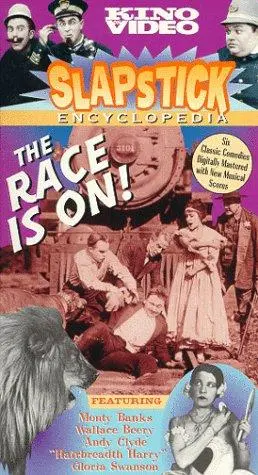
Jack Cooper, as the villainous Rudolph, is perhaps the most entertaining to watch. He chews scenery with a silent ferocity, his every smirk and gesture dripping with conniving intent. Cooper understands the assignment perfectly: to be as overtly evil as possible. His theatricality is a joy, whether he's rubbing his hands together in anticipation of ill-gotten gains or feigning cordiality while his henchmen are at work. One particular scene sees him engage Belinda in what appears to be a polite conversation, yet his eyes constantly dart towards Harry, a subtle, yet clear, indication of his manipulative strategy. This duality is a hallmark of silent film villainy, and Cooper executes it with aplomb, making Rudolph a memorable, if not complex, antagonist.
Charlotte Merriam, as Belinda, plays the damsel in distress with grace. Her role is primarily reactive – to be imperiled, to express fear, and to be rescued. Yet, within these confines, Merriam conveys a vulnerability that elicits genuine sympathy. Her wide eyes and hesitant gestures paint a picture of innocence suddenly thrust into peril. Her performance, while lacking the agency we might expect from a modern heroine, is perfectly aligned with the narrative conventions of its time, ensuring the stakes feel real through her palpable distress. Even Max Asher, likely one of the henchmen, contributes to the ensemble, his presence adding to the general air of menace, even if his individual character isn't deeply explored.
The strength of these performances lies in their collective ability to tell a story without words. They rely on a shared visual language, where a raised eyebrow, a clenched fist, or a frantic gesture communicates volumes. While some might find the broadness of the acting style dated, it's essential to appreciate it as a distinct art form, one that prioritizes clarity and emotional impact over psychological depth. It works. But it’s flawed by modern standards.
C.W. Kahles, as the director, navigates the limitations and strengths of silent film technology with a pragmatic approach. His direction in 'Danger Ahead' is less about groundbreaking artistry and more about effective storytelling. The cinematography, while not groundbreaking, serves the narrative well, utilizing straightforward shot compositions to maintain clarity and focus on the action.
The visual language of the film is built on a foundation of clear framing and intelligent use of intertitles. Kahles understands that in a silent film, every visual cue must be explicit. He frequently employs medium shots to capture the full body language of the actors, allowing their physical performances to convey emotion and intent. Close-ups are used sparingly but effectively, often to emphasize a character’s reaction or a crucial plot point, such as Rudolph’s sly smile or Harry’s determined gaze.
One of the most effective directional choices comes during the initial setup of the heist. The scene where the money is delivered, Harry observes and hides it, and Rudolph and his henchmen simultaneously arrive and begin their machinations, is remarkably well-staged. Kahles uses cross-cutting between these concurrent actions to build suspense. We see the money being handed over, then Harry’s furtive movements, then Rudolph’s menacing arrival, creating a sense of impending doom and a race against time. This sequence, while simple, demonstrates a clear understanding of how to manipulate audience tension through parallel editing, a technique that would become a staple in thrillers for decades to come.
Lighting in 'Danger Ahead' is functional, primarily serving to illuminate the scene and emphasize key characters. There isn't the dramatic chiaroscuro seen in German Expressionist films like Schlagende Wetter, but rather a more naturalistic (for the time) approach that ensures visibility. The camera work is largely static, relying on the actors' movements within the frame to create dynamism, rather than elaborate camera movements. This static quality, while sometimes feeling theatrical, reinforces the film's stage play roots and allows the audience to fully absorb the visual information presented. It’s a foundational style, perhaps not visually stunning, but undeniably effective in its purpose.
The pacing of 'Danger Ahead' is surprisingly brisk for a film of its era, especially given its relatively short runtime. Silent films often get a raw deal for their perceived slowness, but this film, much like a well-executed vaudeville act, understands the importance of keeping the audience engaged through constant motion. Once the central conflict is established – the arrival of Rudolph and the hiding of the money – the film maintains a steady, almost breathless rhythm.
The tension is built through the immediate proximity of the threat. Rudolph is not a distant villain; he is right there, in Belinda's house, actively distracting the protagonists while his henchmen are literally searching for the prize. This creates a palpable sense of urgency, a feeling that any moment the ruse could be discovered, or the money found. The cutting is sharp enough to keep the parallel actions clear, preventing the narrative from bogging down. It’s a silent film that rarely feels silent in terms of its internal energy.
The tone is an intriguing blend of melodramatic thriller and physical comedy. While the stakes are serious – the theft of an inheritance – there's an undeniable undercurrent of lightheartedness, often stemming from the exaggerated performances and the sheer audacity of Rudolph's plan. The henchmen, though menacing, also contribute to this comedic element through their sometimes clumsy or overt actions. This tonal balance is a common characteristic of early cinema, where genres often blended freely, aiming for broad appeal. It’s less a gritty crime drama and more a playful caper, akin to the charming antics seen in Shore Leave.
One could argue that the film’s reliance on broad physical comedy sometimes undermines its own suspense, preventing the audience from truly fearing for Belinda's fortune. However, this interpretation misses the point of many silent comedies and thrillers, which sought to entertain rather than purely terrify. The true villain isn't Rudolph's greed, but the sheer predictability of human nature itself, perfectly encapsulated by the film's almost clinical setup of the heist. The film is a tightly wound spring of action and reaction, designed to elicit gasps and chuckles in equal measure, and in that regard, it largely succeeds.
Yes, 'Danger Ahead' is worth watching for specific audiences. It provides a valuable historical document of early American cinema. The film showcases fundamental storytelling techniques. It's a quick, entertaining watch for those who appreciate silent films. However, its dated style and lack of sound will be a barrier for many. It's not a film for everyone, but it holds a unique charm for the right viewer.
Pros:
- Engaging, straightforward plot that gets straight to the action.
- Strong, archetypal performances from the cast, particularly Jack Cooper's villain.
- Effective use of visual storytelling and cross-cutting to build tension.
- Provides a valuable historical perspective on early cinematic techniques.
- Surprisingly brisk pacing for a silent film, avoiding common lulls.
Cons:
- The acting style is highly theatrical and may not resonate with modern viewers.
- Lack of dialogue is a significant barrier for many, requiring sustained attention to intertitles.
- Technical limitations of the era are evident, particularly in cinematography.
- The plot, while effective, is simplistic and lacks deeper character development.
- Can feel unintentionally humorous in moments where dramatic tension is intended.
'Danger Ahead' is more than just a relic; it's a vibrant, if unsophisticated, piece of cinematic history. It’s a film that demands a certain level of appreciation for its context, but rewards that appreciation with a genuinely entertaining and surprisingly taut caper. While it won't redefine your understanding of cinema or leave you pondering profound philosophical questions, it offers a delightful escape into the immediate, visceral thrills of early filmmaking. For those willing to adjust their expectations and embrace the unique charm of the silent era, 'Danger Ahead' is a solid recommendation, a testament to the enduring power of a simple story well told, even without a single spoken word. It’s a reminder that good storytelling transcends technology. Give it a watch, but come prepared for a journey back in time, not a modern blockbuster experience.
IMDb 6.8
1935
Community
Log in to comment.