DbcultAccessing Vault...
6.1/10
Senior Film Conservator
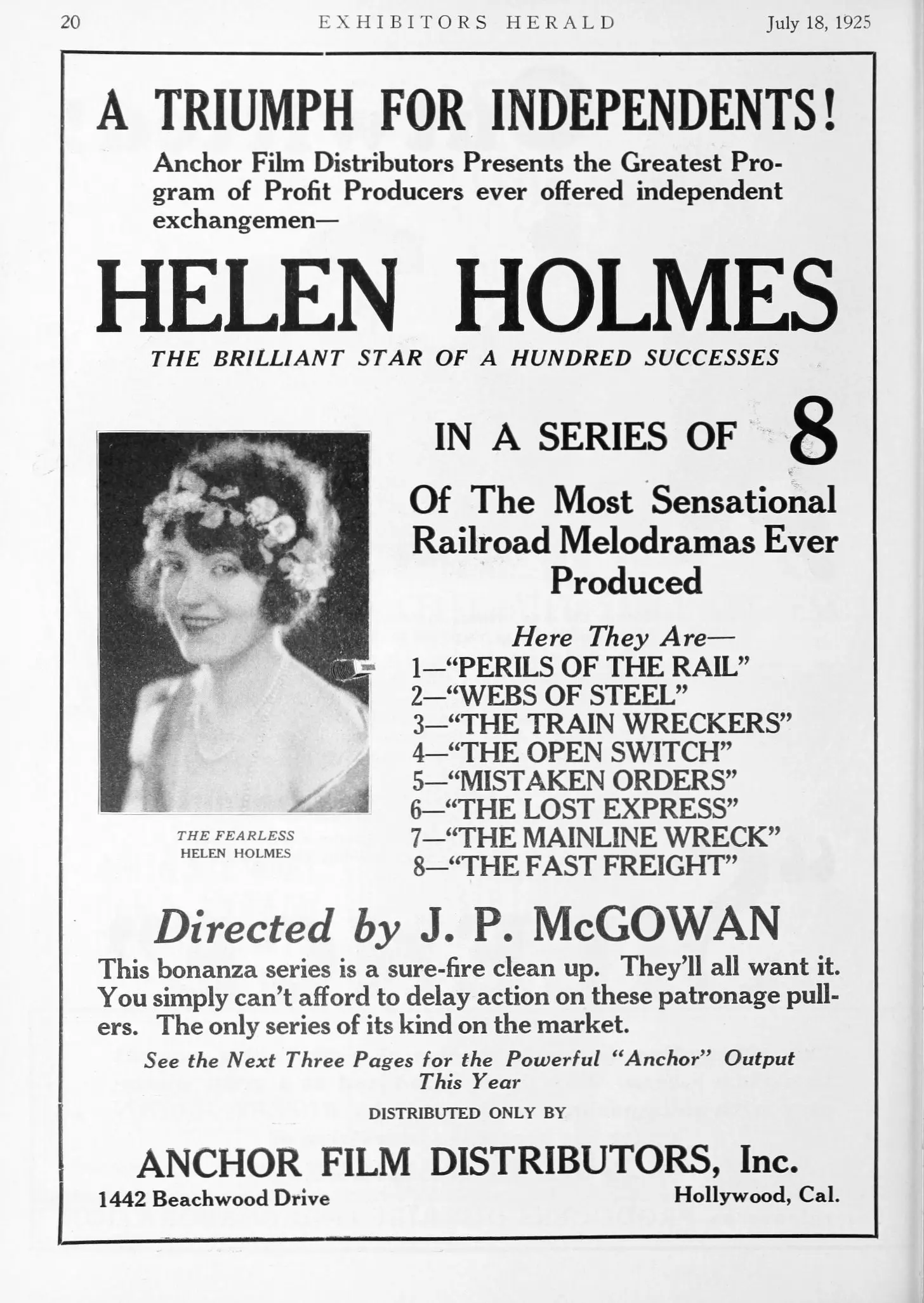
A definitive 6.1/10 rating for a film that redefined the boundaries of cult cinema. Webs of Steel remains a cornerstone of transgressive art.
The opening scene sets a tense and claustrophobic tone on the sprawling landscape of a moving train, where the narrative of Webs of Steel begins. Andrew Waldron, as the railroad engineer, and Lassie Lou Ahern, his wife, find themselves thrust into an unexpected and perilous situation when a gang of robbers hijacks their train, holding hostages and demanding a ransom.
What follows is a meticulously crafted narrative that hinges on the ingenuity of our protagonists. As the train barrels through the night, the robbers, played with a menacing edge by Spec O'Donnell and Arthur Morrison, tighten their grip on the passengers. The tension is palpable, and the audience is drawn into the claustrophobic atmosphere of the train, where every click of the train wheels and the rustling of fabric serves as a backdrop to the escalating conflict.
Waldron and Ahern's characters are portrayed with depth and complexity. Waldron's character is a man of action, quick-witted and resourceful, while Ahern's is a nurturing yet determined woman, her courage and ingenuity shining through in the face of danger. Their relationship is the emotional core of the film, providing a human thread that contrasts with the cold, calculated motives of the robbers.
The film's pacing is impeccable, weaving between moments of intense action and quieter, more reflective scenes. The action sequences are executed with a blend of practical effects and visual storytelling that, while perhaps not as elaborate as modern standards, are incredibly effective in their simplicity. The chase is a masterclass in silent film editing, each cut tightening the narrative and heightening the suspense.
Supporting characters add layers to the narrative. Walter Brennan, known for his comedic timing, brings a welcome touch of lightness to the proceedings, his character serving as a counterpoint to the seriousness of the main plot. Bruce Gordon and Helen Holmes enrich the ensemble, their roles adding depth to the story and the character dynamics.
Comparing Webs of Steel to other films of its era, such as Going Straight or The Little Diplomat, it is evident that Webs of Steel stands out for its tight plotting and the seamless integration of narrative and visual elements. It draws inspiration from the earlier silent film Sapho, known for its intricate storytelling, while also laying the groundwork for the more complex narratives of films like St. Elmo and Big Happiness.
The film's technical aspects are worthy of discussion. The cinematography captures the vastness of the train interior and the outside world with a clarity that was groundbreaking for its time. The use of shadow and light, particularly during the dramatic chase scenes, adds a rich visual texture to the film. The music, while silent, is a silent hero, its rhythm and cadence reflecting the heartbeat of the train and the urgency of the situation.
Webs of Steel is not just a film; it is an artifact of a bygone era, a period when cinema was on the cusp of becoming a truly global language. Its influence on later works cannot be overstated. It is a testament to the power of the silent language, where every look, every gesture, and every sound carries its own weight in the narrative.
In conclusion, Webs of Steel is a film that demands to be seen, not just as a relic of the past, but as a fascinating piece of cinematic history. It is a journey of suspense, action, and human resilience, wrapped in the timeless allure of early cinema. It is a film that lives up to its title, a web of steel that holds together a thrilling and unforgettable narrative.
IMDb 6.3
1922
Community
Log in to comment.