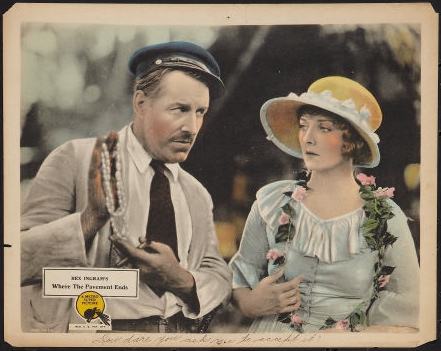
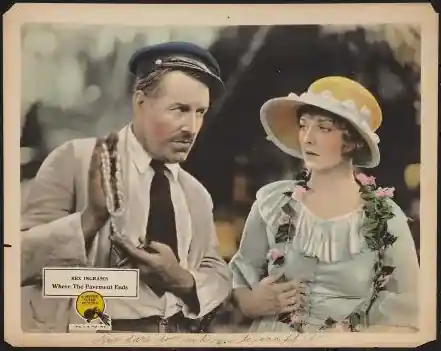
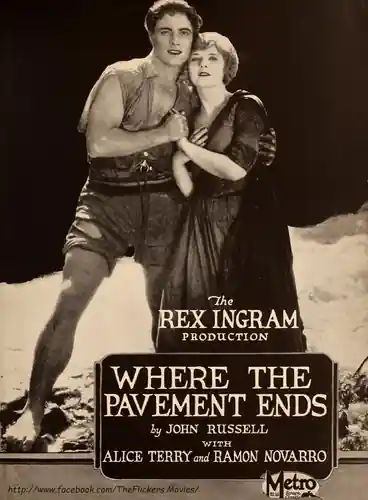
To witness Rex Ingram’s Where the Pavement Ends is to step into a time capsule of 1923, an era where the silver screen was beginning to grapple with the complexities of the 'exotic' with a sophistication that modern audiences often overlook. Ingram, a director who approached the frame with the eye of a sculptor, transforms the South Seas into a theater of psychological warfare. Unlike the saccharine innocence found in Kilmeny, this film breathes a heavy, almost suffocating atmosphere of impending doom. It is a work that exists in the shadows of the palms, where the sunlight is filtered through a thick canopy of colonial anxiety and forbidden longing.
The Architect of the Exotic Frame
Ingram’s visual lexicon is unparalleled in the silent era. He does not merely film a scene; he composes a monument. In Where the Pavement Ends, the setting of Wallos is not a mere backdrop but a sentient participant in the tragedy. The contrast between the stark, white-washed structures of the mission and the deep, impenetrable blacks of the jungle foliage serves as a visual metaphor for the film’s central conflict. While contemporary works like The New Teacher might focus on the domestic social order, Ingram pushes his characters to the absolute edge of the map, where the rules of the metropole no longer apply.
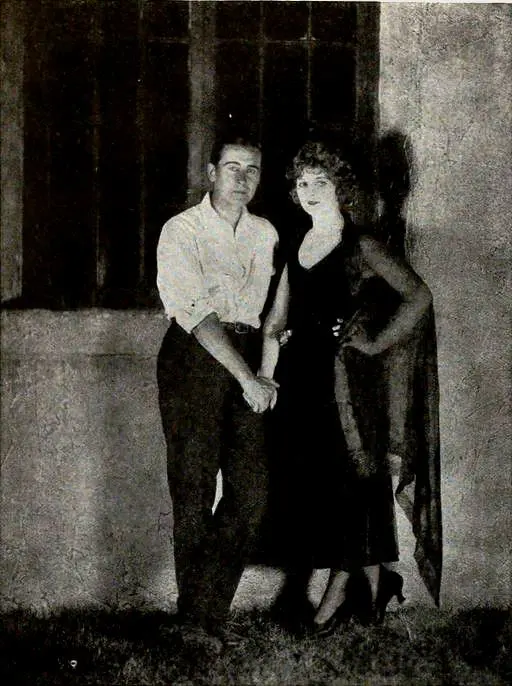
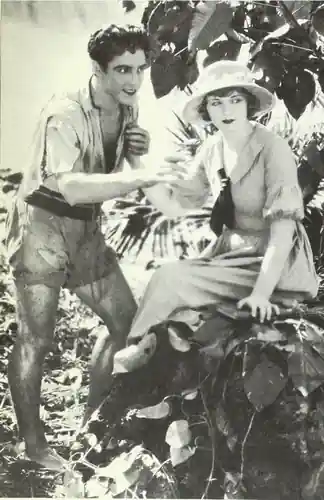
Ramon Novarro, stepping into the role of Motauri, provides a performance that is both physically commanding and emotionally fragile. At a time when Hollywood was obsessed with the 'Latin Lover' archetype, Novarro brings a specific, quiet dignity to the native chief that avoids the caricatures often seen in films like Die tolle Heirat von Laló. His chemistry with Alice Terry is palpable, a slow-burning fuse of mutual recognition that transcends the linguistic and cultural barriers imposed by the script. Terry, as Matilda, portrays a woman trapped between the claustrophobic piety of her father and the terrifying freedom offered by the horizon.
The Hypocrisy of the Mission
The character of Pastor Spener represents the archetypal failure of the colonial project. His blindness to the reality of his surroundings is mirrored in his endorsement of Captain Gregson. Harry T. Morey’s portrayal of Gregson is a masterclass in the banality of evil. Unlike the overt antagonists in The Fighting Guide, Gregson’s villainy is rooted in his ability to mimic the vernacular of the righteous. He closes his café, a den of iniquity, not out of a genuine change of heart, but as a tactical maneuver to gain social leverage. This manipulation of faith for predatory ends provides the film with a cynical edge that remains shockingly modern.
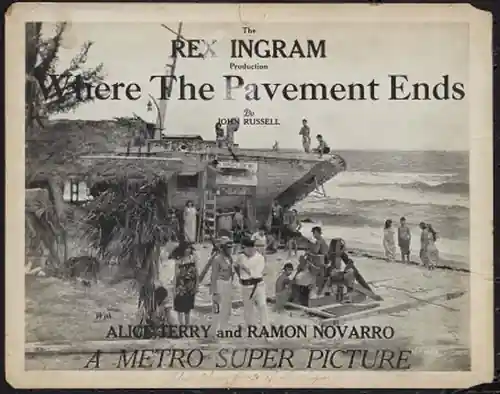
The narrative trajectory mirrors the social stratification explored in The Other Half, yet it transposes these class anxieties onto a racial and geographic plane. The 'pavement' of the title is more than just a physical road; it is the boundary of Western influence, a line beyond which the moral compass of the European man begins to spin wildly. When Matilda and Motauri attempt their escape, they are not just running from a father or a suitor; they are attempting to outrun the very concept of the frontier. The failure of their plan is not merely a plot point, but a philosophical statement on the impossibility of escaping the shadow of the 'civilized' world.
Cinematic Chiaroscuro and Technical Mastery
Technically, the film is a marvel of its period. The use of light—specifically the way it plays off the water during the pivotal escape sequence—showcases Ingram’s obsession with texture. There is a density to the image that one doesn't find in the lighter fare of The Fortunes of Fifi or the slapstick rhythms of Fresh from the Farm. Every frame feels heavy with the weight of the humid air. The editing, handled with a deliberate pace, allows the viewer to soak in the atmosphere of Wallos, making the eventual eruption of violence all the more jarring.
The death of Captain Gregson is handled with a poetic justice that feels earned rather than forced. It is the natural conclusion for a character who attempted to bridge the gap between holiness and hedonism through deception. His demise serves as the catalyst for the final, tragic movement of the film, where the separation of the lovers becomes an inevitability. This sense of cosmic irony is a recurring theme in Ingram’s work, often echoing the grand tragedies of literature rather than the standard tropes of silent cinema.
A Legacy of Melancholy
In the broader context of 1920s cinema, Where the Pavement Ends stands as a defiant outlier. It lacks the optimistic propulsion of A Message from Mars and the straightforward moralizing of On Dangerous Paths. Instead, it offers a meditation on the beauty of the lost cause. The film recognizes that for Motauri and Matilda, there is no place where the pavement truly ends; the influence of the West is a contagion that has already reached the furthest shores. The ending, which left many contemporary audiences stunned, refuses to offer the easy catharsis of a happy union, opting instead for a haunting image of isolation.
The film’s exploration of war-like internal conflict and the 'red blotch' of human nature invites comparisons to The Rights of Man, though Ingram’s focus is more intimate and psychological. He is concerned with the war within the soul of the missionary and the heart of the daughter. The 'native' chief becomes the mirror in which these Western characters must view their own inadequacies. Novarro’s performance is key here; his stillness acts as a rebuke to the frantic, grasping nature of the white characters.
Concluding Reflections on Ingram’s Vision
Ultimately, Where the Pavement Ends is a film about the death of the romantic ideal. It suggests that even in the most remote corners of the earth, the baggage of civilization—its greed, its prejudices, and its rigid social structures—will eventually catch up. The tragic arc of Matilda and Motauri is a precursor to the disillusioned narratives that would dominate cinema in the decades to follow. It is a visually stunning, emotionally draining masterpiece that proves Rex Ingram was not just a director of spectacles, but a profound chronicler of the human condition in all its flawed, sweating, and desperate glory.
For those accustomed to the light-heartedness of The Little Rowdy or the simple thrills of Going! Going! Gone!, this film may come as a shock to the system. It is a somber, beautiful, and deeply intelligent piece of art that demands to be viewed with the same reverence one might afford a classical tragedy. In the pantheon of silent film, it remains a towering achievement of mood and mise-en-scène, a testament to a time when the cinema was not afraid to look into the darkness at the edge of the world and find something both terrifying and beautiful.