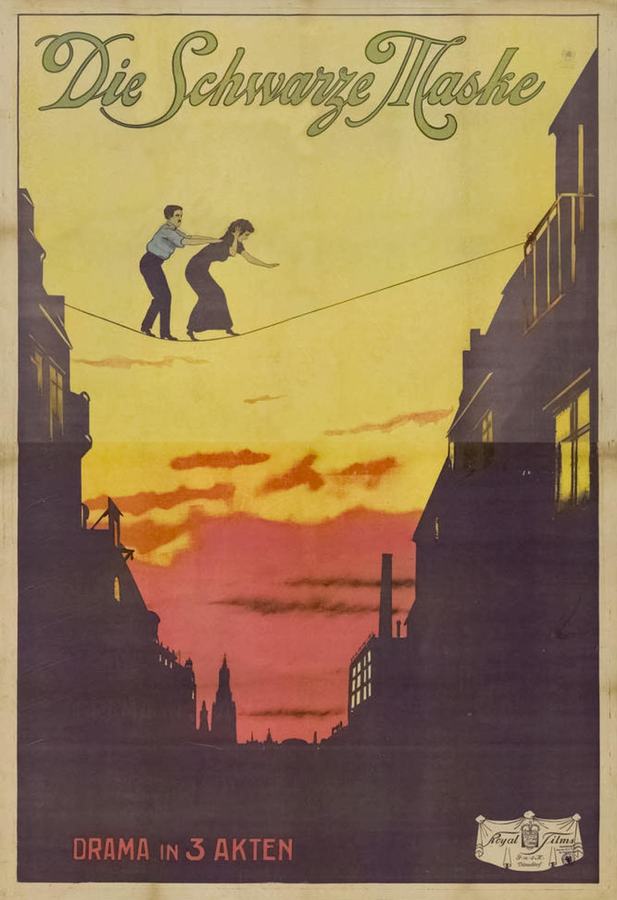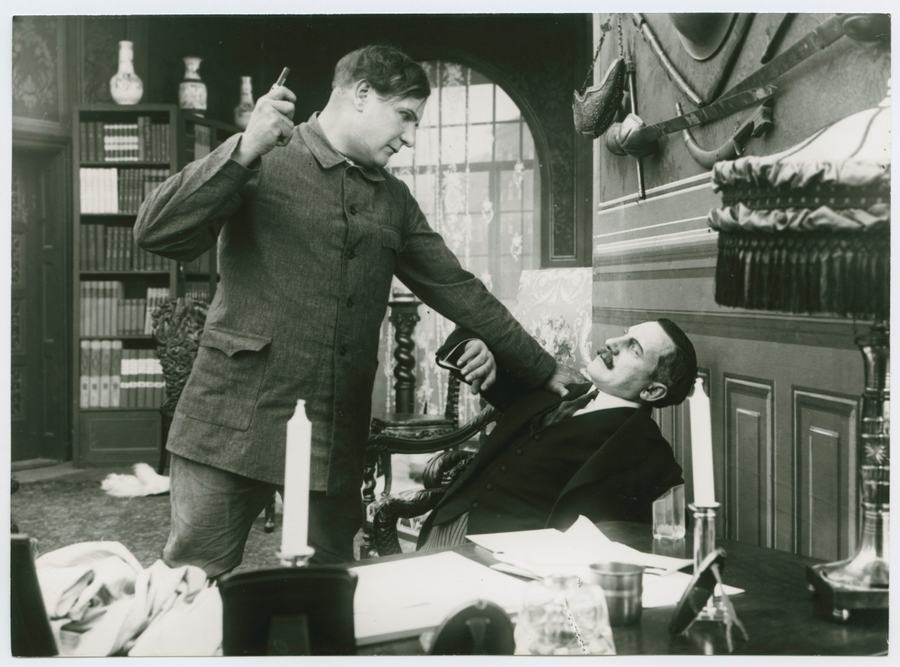
p,blockquote,ul{margin:0 0 1.2em 0;} a{color:#0E7490;text-decoration:underline;} h2{color:#C2410C;margin:2em 0 0.6em 0;font-size:1.4em;} strong{color:#EAB308;font-weight:700;} ul{padding-left:1.4em;} li{margin-bottom:0.4em;} The first thing one notices—after the iris-in reveals a snow-mottled courtyard bathed in pe...
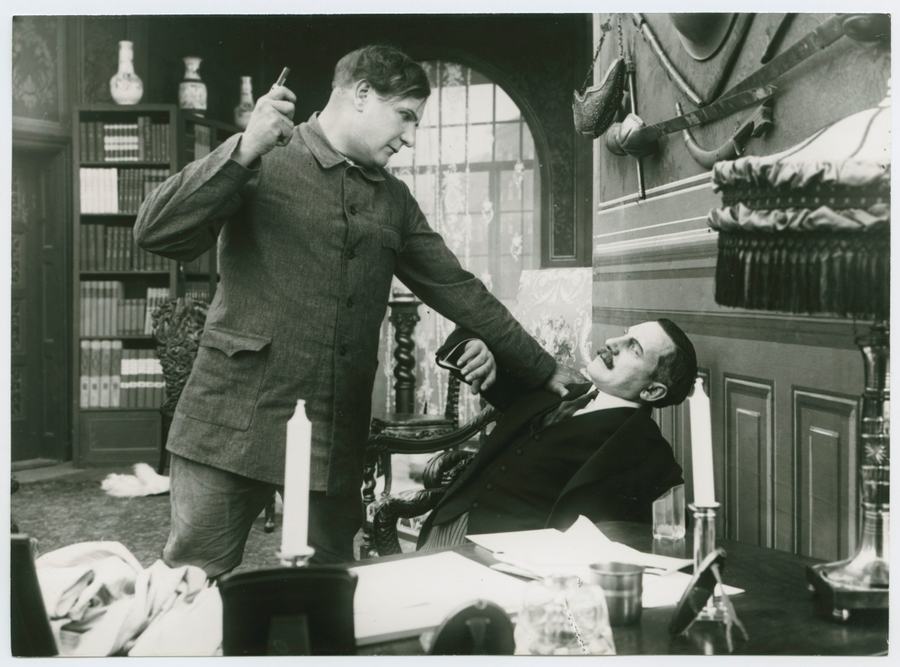
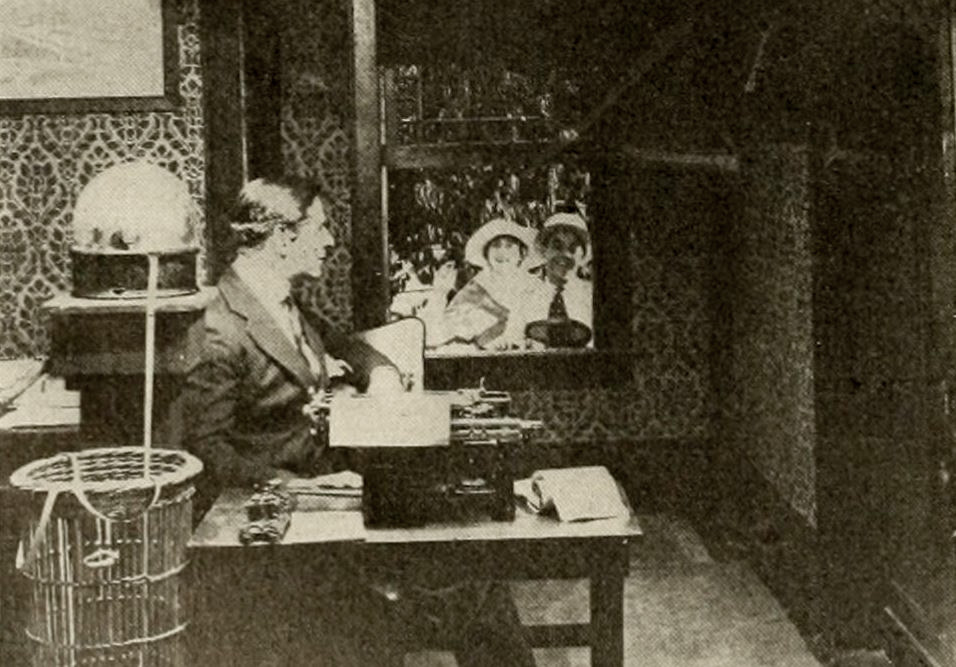
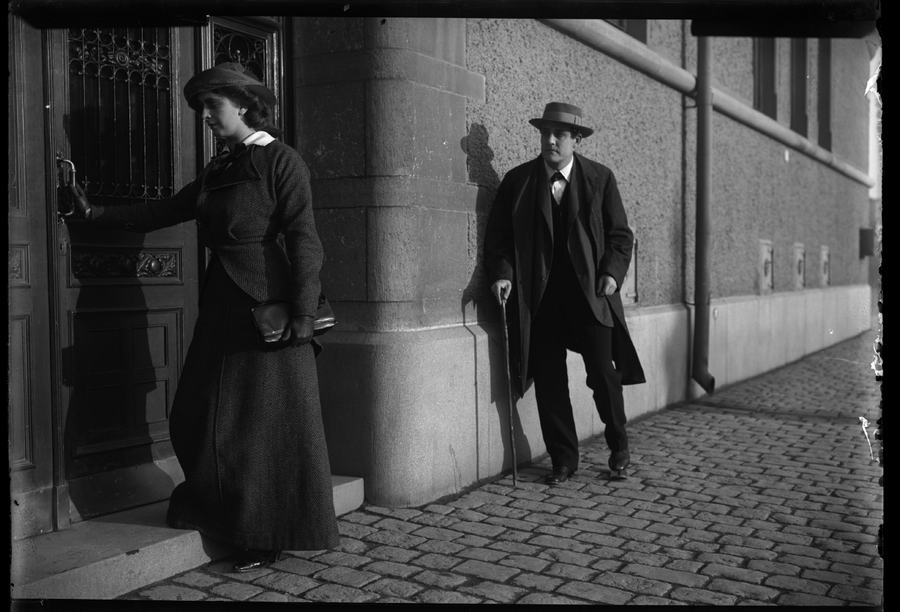
still_frame
Comparing the cinematic DNA and archive impact of two defining moments in cult history.
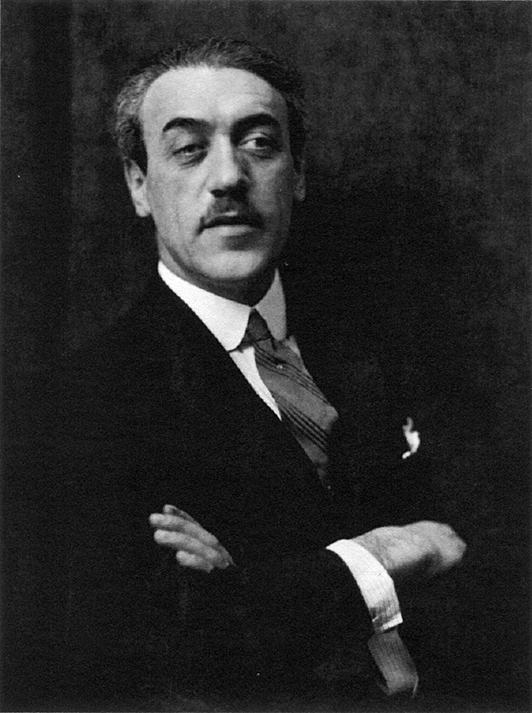
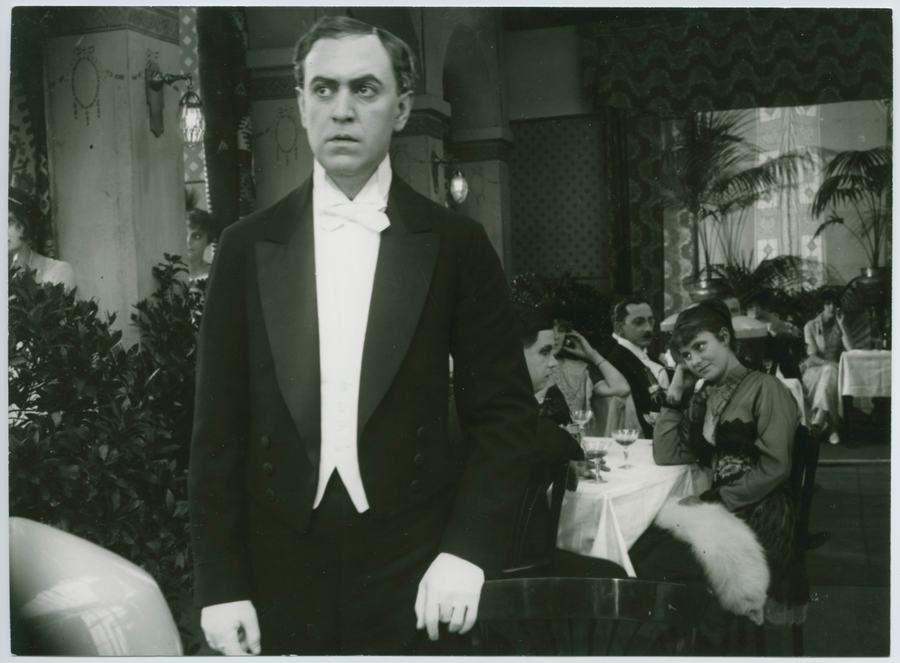
Mauritz Stiller
Mauritz Stiller
Community
Log in to comment.
" p,blockquote,ul{margin:0 0 1.2em 0;} a{color:#0E7490;text-decoration:underline;} h2{color:#C2410C;margin:2em 0 0.6em 0;font-size:1.4em;} strong{color:#EAB308;font-weight:700;} ul{padding-left:1.4em;} li{margin-bottom:0.4em;} The first thing one notices—after the iris-in reveals a snow-mottled courtyard bathed in pewter twilight—is the hush. Not the expected crackle of 1913 celluloid, but a deliberate sonic vacuum, as though Axel Frische had confiscated every creak of furniture and breath of ..."