DbcultAccessing Vault...
Cult Review
Senior Film Conservator
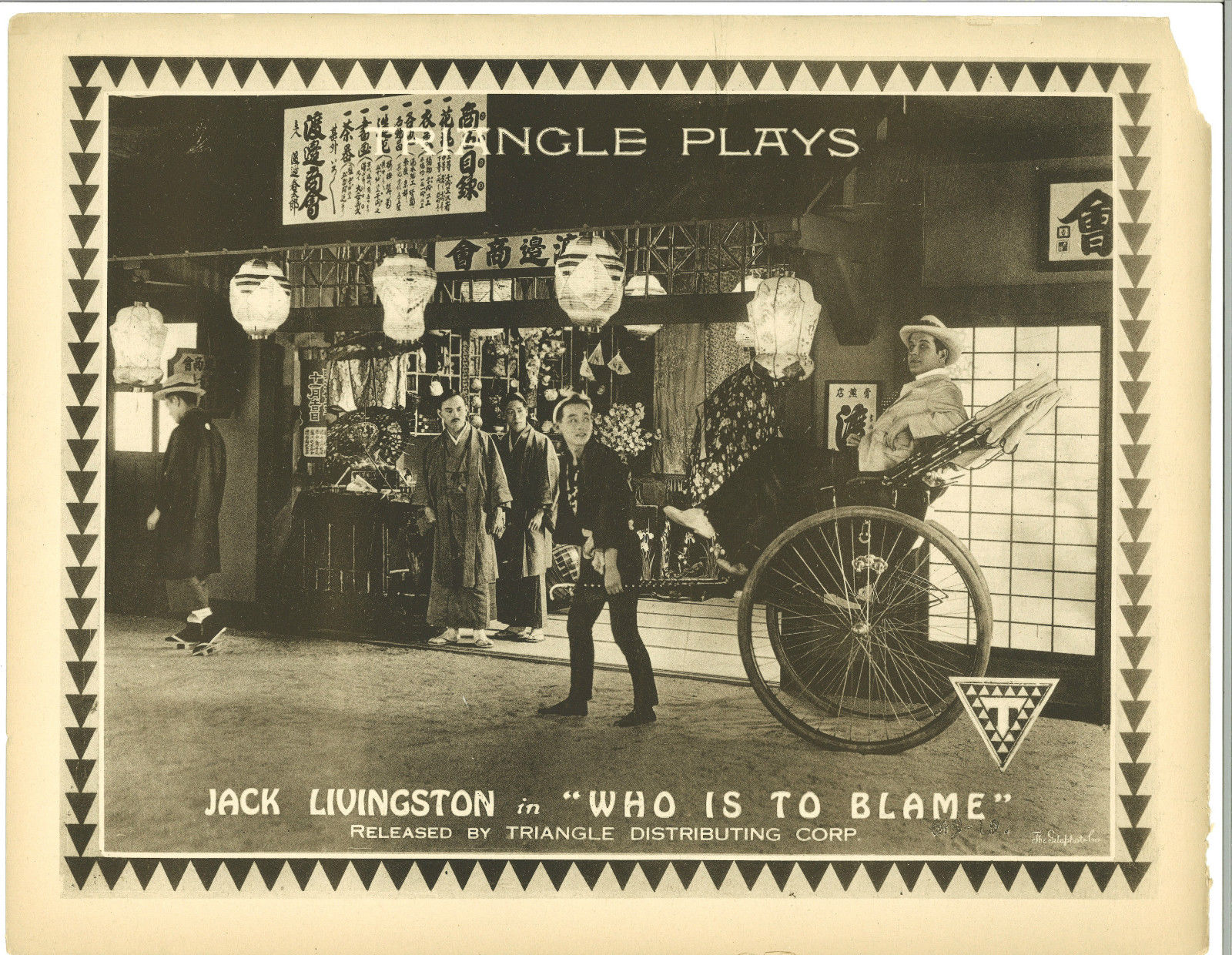
Stepping back into the annals of early cinema, one often finds narratives that, despite their age and perhaps simpler technical execution, resonate with surprisingly complex human emotions. Who Is to Blame? is precisely one such film, a melodrama that, through its earnest portrayal of love, infidelity, loyalty, and cultural misunderstanding, manages to etch itself into the viewer's consciousness. Directed with a keen eye for human drama, this picture, penned by E. Magnus Ingleton, presents a moral quandary wrapped in a tragicomic package, leaving us to ponder the very question its title poses long after the final frame.
The narrative unfurls with an almost whimsical premise: the affluent American, Grant Barton, played with a certain earnest naiveté by Jack Livingston, finds himself utterly charmed by the radiant smile of Taro San, a Japanese rickshaw boy. This initial encounter, brimming with an exotic fascination that was characteristic of the era's storytelling, leads Barton to whisk Taro away from his native land to the bustling, alien landscape of the United States. Taro, portrayed with quiet dignity and profound loyalty by Yutaka Abe, becomes Barton’s valet, a silent observer in his new master’s rapidly unfolding life. This transatlantic journey, for Taro, is not merely a change of scenery but a profound cultural dislocation, setting the stage for his eventual, heartbreaking sacrifice.
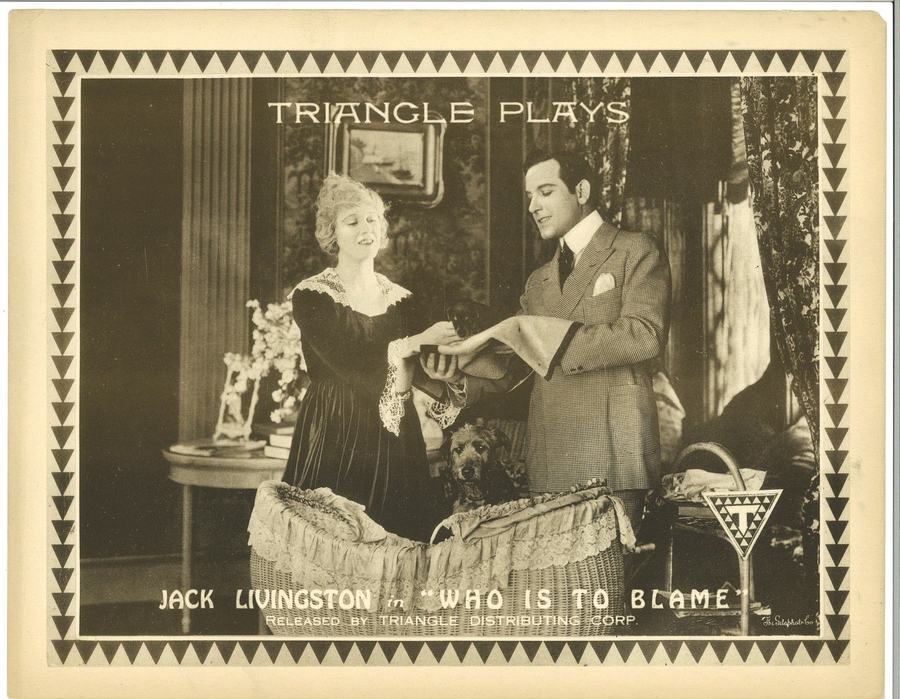
Grant Barton’s life, initially, appears to be one of domestic bliss. He marries Marion Craig, a character brought to life by the nuanced performance of Maude Wayne. Their union seems stable, predicated on the gentle affections and societal expectations of the time. However, the equilibrium of their marriage proves to be dangerously fragile. When Marion is called away to California to attend to her ailing mother, a void opens in Grant’s life, a vulnerability expertly exploited by the arrival of Tonia Marsh. Tonia, a quintessential ‘vamp’ of early cinema, is embodied with a seductive, almost predatory charm by Lillian West. Her presence is a stark contrast to Marion’s more demure sensibilities, and Grant, perhaps more weak-willed than malicious, quickly falls under her spell.
The film’s central conflict crystallizes upon Marion’s return. The discovery of Grant and Tonia together is, as expected, devastating. The scene, though likely devoid of explicit dialogue in the silent era, would have relied heavily on the actors' physicality and the audience's understanding of betrayal. Marion, her world shattered, makes the painful but decisive choice to leave Grant. This moment marks a critical turning point, not just for the central couple, but more significantly, for Taro. Having observed his employer's descent into a moral quagmire, and witnessing the profound distress of Marion, Taro’s loyalty compels him to act. His decision to intervene, to ‘help his kind employer out of his difficulties,’ is born of a deep-seated gratitude and an almost familial devotion, transcending the mere employer-employee dynamic.
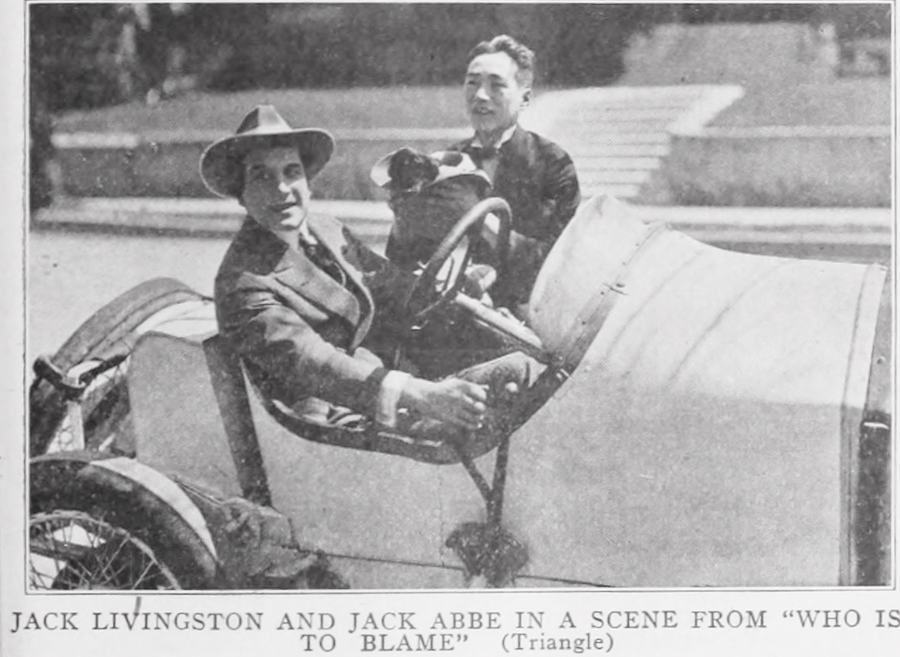
Taro’s plan is audacious, if not entirely misguided. Believing that Tonia is the root of Grant’s problems, he resolves to remove her influence. His strategy? To persuade Tonia that he is a member of the imperial family of Japan. This elaborate ruse, a testament to Taro's desperate ingenuity and perhaps a commentary on Western perceptions of Eastern nobility at the time, sees him paying court to the adventuress. Yutaka Abe’s portrayal here must have delicately balanced the comic absurdity of the situation with the underlying pathos of Taro’s earnest intent. He woos Tonia, likely with promises of wealth and status that would appeal to her mercenary nature, aiming to draw her away from Grant.
The climax of Taro’s ill-fated scheme arrives when Grant discovers him and Tonia in what appears to be a compromising embrace. The irony is palpable: Taro, in his selfless attempt to save Grant, becomes the unwitting victim of a cruel misunderstanding. Grant, blinded by jealousy and perhaps a touch of his own hypocrisy, immediately fires Taro. The swiftness of this dismissal, the failure to inquire, to understand the context, highlights Grant’s fundamental self-absorption and his inability to see beyond his immediate emotional reactions. It’s a classic melodramatic trope, where good intentions pave the road to personal tragedy, leaving the audience to question the very nature of justice and perception.
In the aftermath, Grant and Marion are reconciled. The film, true to the conventions of many early dramas, seeks a resolution that restores the moral order, even if imperfectly. However, this reconciliation comes at a significant cost: Taro’s personal sacrifice remains unacknowledged, his loyalty unrewarded, and his good name tarnished. He returns to Japan, a figure of quiet sorrow, his journey mirroring the tragic arc of many characters in films of the era who dared to step outside their prescribed roles or cultural boundaries. Lillian Langdon, also listed in the cast, likely contributed to the film’s ensemble, perhaps in a supporting role that further underscored the societal backdrop against which these personal dramas unfolded.
Comparing Who Is to Blame? to other cinematic offerings of the period reveals both its unique qualities and its adherence to popular narrative structures. One might draw parallels to films like Anna Karenina (1918), which, despite its grander scale and literary origins, delves into the devastating consequences of infidelity and societal judgment with equally fervent emotion. While Anna's tragedy is rooted in aristocratic defiance, Marion's plight and Grant's moral failings echo the universal pain of betrayal, albeit within a more domestic sphere. Both films, in their respective ways, explore the destructive power of illicit love and the difficult paths to redemption or ruin.
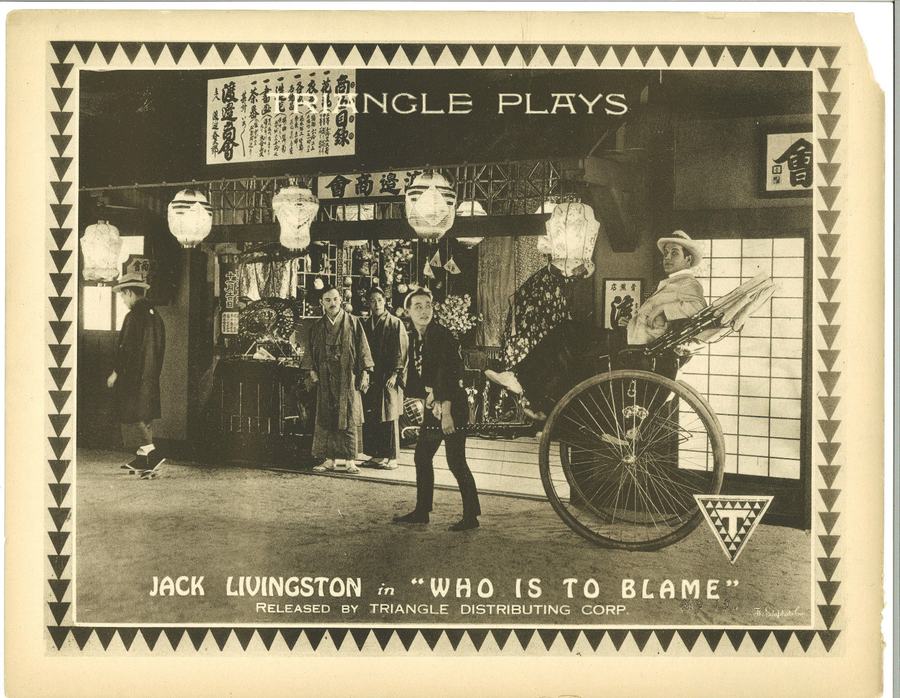
The character of Taro, in particular, offers a fascinating lens through which to view early 20th-century American perceptions of Asian characters. He embodies the ‘noble savage’ or the ‘loyal servant’ trope, a figure whose exoticism is both admired and simultaneously relegated to a secondary, subservient role. His selflessness, while admirable, is ultimately exploited and misunderstood, highlighting a deeper cultural chasm that even his good intentions cannot bridge. This aspect of the film invites a more critical contemporary reading, prompting us to consider the evolving representation of diverse characters in cinema. It’s a narrative thread that, while perhaps not consciously intended by E. Magnus Ingleton to be a critique of cultural imperialism, certainly functions as one in retrospect.
The performances, particularly Yutaka Abe’s Taro, are the emotional bedrock of the film. In silent cinema, the actor’s ability to convey complex inner turmoil through facial expressions and body language was paramount. Abe's portrayal of Taro's unwavering loyalty, his strategic cunning, and ultimately his profound sorrow, must have been a masterclass in understated pathos. Similarly, Maude Wayne’s Marion likely evoked immense sympathy, embodying the wronged wife with grace and vulnerability. Lillian West’s Tonia, the vamp, would have needed to be alluring and dangerous, a force of nature disrupting the established order, much like similar characters in films such as Love's Pay Day, where moral transgressions often lead to dramatic reckonings.
The direction of Who Is to Blame?, even without explicit details on the director, would have been instrumental in shaping these performances and guiding the audience's emotional journey. The pacing of a silent film, the use of intertitles, and the composition of each shot were crucial tools for storytelling. One can imagine scenes of quiet domesticity contrasted with the dramatic tension of the confrontation, or the poignant farewell between Taro and his American life. The film's ability to elicit such strong emotional responses, even with the limitations of the medium, speaks to the enduring power of its narrative and the skill of its creators.
The central question, Who Is to Blame?, is cleverly left open to interpretation. Is it Grant, for his weak will and infidelity? Is it Tonia, the manipulative temptress? Or is it perhaps the societal expectations and cultural misunderstandings that set the stage for such a tragic sequence of events? The film, in its simplicity, offers no easy answers, reflecting the complexities of human nature that even modern cinema continues to grapple with. This ambiguity is one of its strengths, allowing viewers to engage with the narrative on a deeper, more philosophical level.
Furthermore, the film’s exploration of loyalty and sacrifice finds echoes in other dramas of the period, where characters often make profound personal concessions for the sake of others. The archetype of the self-sacrificing individual, often misunderstood or unrewarded, is a potent one, resonating with universal themes of altruism and its often-bitter consequences. In a way, Taro's journey can be seen as a precursor to more complex portrayals of immigrant experience and the often-unseen sacrifices made in pursuit of a better life or in service to another. His story, though framed within a melodrama, touches upon the universal human desire for belonging and recognition, even when those desires are ultimately unfulfilled.
From a technical perspective, while specific details are scarce, early silent films often relied on innovative camera work, lighting, and editing to convey mood and narrative. The visual language of Who Is to Blame? would have been paramount in communicating the emotional beats – the joy of the initial marriage, the tension of the affair, the heartbreak of discovery, and the quiet despair of Taro’s departure. The use of close-ups to capture the nuances of facial expressions, especially in scenes of high emotional intensity, would have been crucial for actors like Yutaka Abe and Maude Wayne to connect with the audience without spoken dialogue.
The title itself, a direct question, serves as an invitation for the audience to actively participate in the moral assessment of the characters. It’s a technique that predates interactive storytelling but achieves a similar effect, compelling the viewer to assign judgment, or perhaps, to withhold it. This engagement ensures that the film is not merely a passive viewing experience but an active moral exercise. It reminds us that even in the earliest days of cinema, filmmakers were adept at crafting narratives that provoked thought and discussion, extending the film's impact beyond the confines of the theater.
In conclusion, Who Is to Blame? stands as a compelling example of early cinematic melodrama. Its intricate plot, driven by human folly and profound loyalty, offers a window into the societal values and narrative conventions of its time. Through the memorable performances of Lillian West, Maude Wayne, Lillian Langdon, Yutaka Abe, and Jack Livingston, and the storytelling prowess of E. Magnus Ingleton, the film navigates themes that remain timeless. It asks us to consider the nature of responsibility, the complexities of cultural identity, and the sometimes-cruel twists of fate that dictate human relationships. Taro San's poignant return to Japan, a silent testament to unrequited loyalty and sacrifice, ensures that this film, despite its age, leaves an indelible mark, reminding us of the enduring power of a well-told story.

IMDb —
1926
Community
Log in to comment.