DbcultAccessing Vault...
6/10
Senior Film Conservator
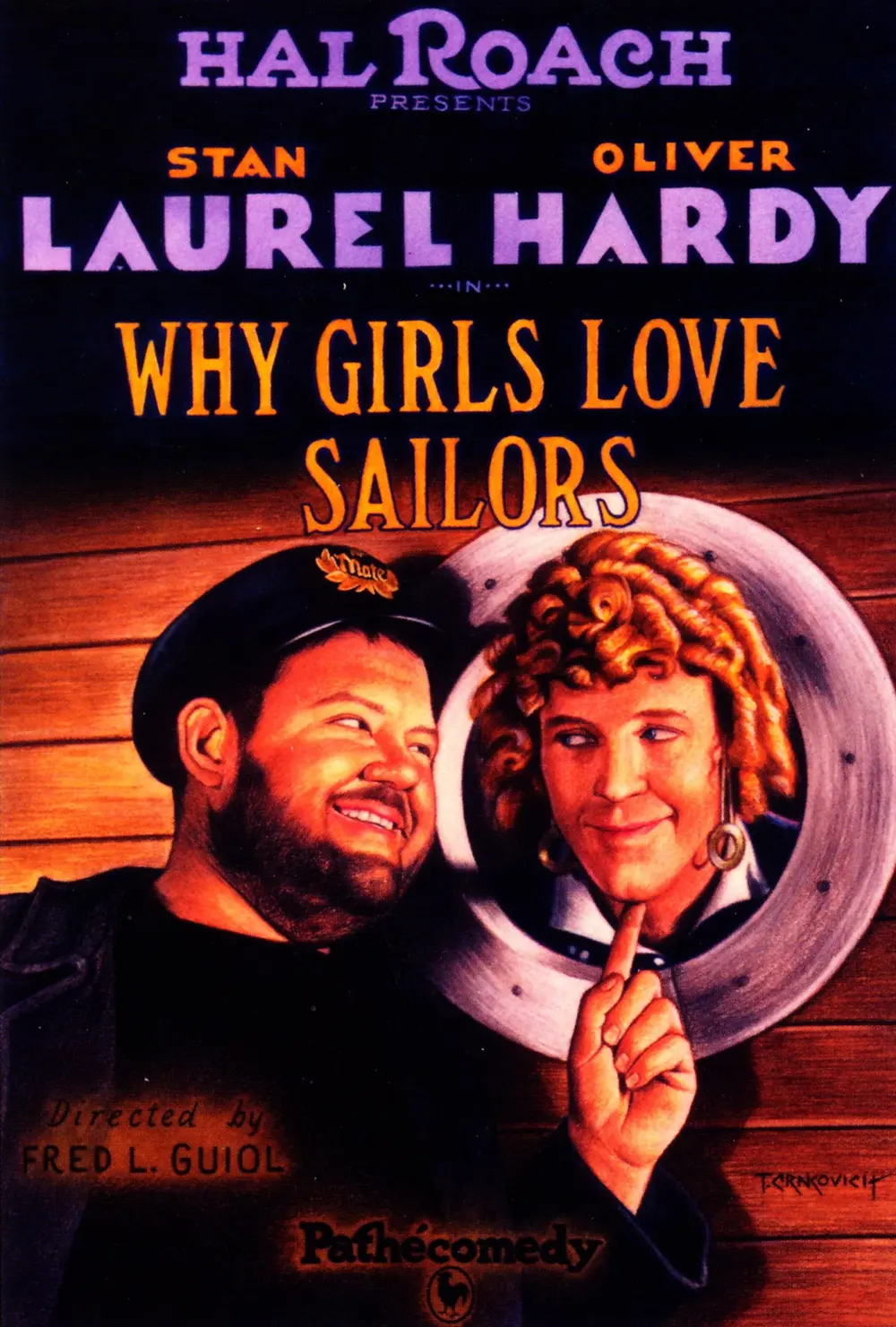
A definitive 6/10 rating for a film that redefined the boundaries of cult cinema. Why Girls Love Sailors remains a cornerstone of transgressive art.
Short answer: Yes, but primarily as a historical curiosity for those obsessed with the evolution of slapstick. This film is for silent comedy completists and Laurel and Hardy scholars; it is not for casual viewers who require high-definition production values or a cohesive, modern narrative structure.
This film works because it showcases Stan Laurel's incredible range as a physical performer, specifically his ability to pivot from a timid victim to a manipulative schemer in drag. This film fails because it lacks the rhythmic chemistry that would later define the duo, leaving Oliver Hardy in a somewhat thankless, secondary role. You should watch it if you want to see the raw, unpolished DNA of Hal Roach's comedy factory before it became a refined hit-making machine.
To answer simply: it depends on your tolerance for 1920s pacing. If you are looking for the 'classic' Laurel and Hardy experience, you won't find it here. They aren't a team yet. They are two actors sharing a frame. However, the sheer absurdity of the final act makes it a mandatory watch for anyone interested in how drag comedy functioned in the silent era.
Watching Why Girls Love Sailors is like looking at a rough sketch of a masterpiece. We see the elements—the physical disparity, the frustration, the escalating violence—but they haven't been glued together yet. Directed by Fred Guiol and produced by the legendary Hal Roach, the film feels more like a series of sketches than a singular story. It lacks the emotional core found in their later work, such as the pathos seen in The Old Nest, focusing instead on pure, unadulterated chaos.
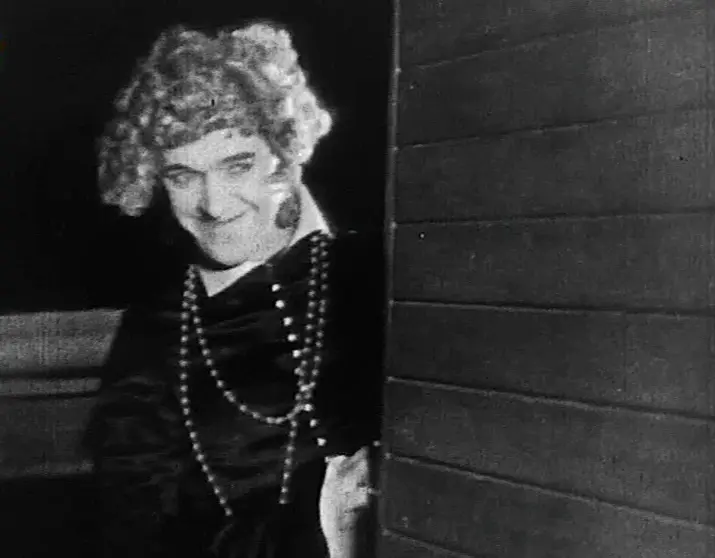
The plot is thin even by 1927 standards. Willie (Laurel) is a simple man whose fiancée is kidnapped by a brute. This 'damsel in distress' trope was already tired by the time this film was released, yet the film manages to subvert expectations by having the hero's 'rescue' involve a complete abandonment of traditional masculinity. Stan Laurel in a dress is not just a gag; it is the film's entire reason for existing.
Stan Laurel is the clear MVP here. His performance as Willie is a masterclass in nervous energy. When he realizes his fiancée has been taken, his reaction isn't one of stoic bravery but of frantic, almost feline panic. It is a stark contrast to the more grounded performances in contemporary dramas like The Wolf Man. Laurel’s physicality is liquid; he seems to flow around the set, bouncing off walls and characters with a precision that belies the apparent messiness of the scenes.
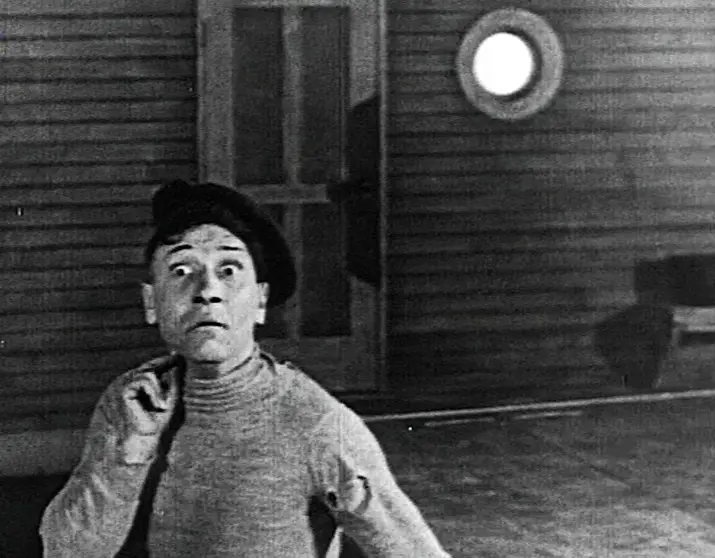
Oliver Hardy, on the other hand, is underutilized. He plays a supporting character who mostly exists to be the recipient of the Captain's wrath or Willie's trickery. He doesn't have the 'camera-eye' connection yet—that breaking of the fourth wall where he looks at the audience in exasperation. Without that connection, he feels like just another heavy in a Hal Roach production. It is a reminder that greatness is often a matter of timing and partnership rather than individual talent alone.
The cinematography in Why Girls Love Sailors is functional at best. The camera remains mostly static, acting as a proscenium arch for the slapstick to unfold. This was common for the time, but compared to the more experimental framing in films like The Enchanted City, it feels somewhat regressive. The ship set, however, is utilized effectively. The cramped quarters of the captain’s cabin create a sense of claustrophobia that heightens the comedy of the drag sequence.
One specific scene stands out: the moment Willie boards the ship. The way he navigates the gangplank and the rigging shows a level of stunt work that we often forget was standard for these actors. There are no safety nets here. Every fall is a real fall. Every collision carries weight. This tactile reality is something modern CGI-heavy comedies completely lack. It works. But it’s flawed by today’s standards of narrative flow.
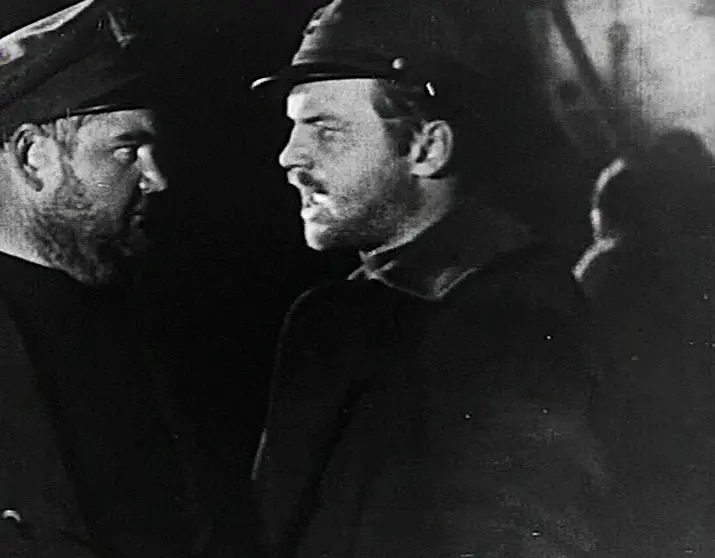
The centerpiece of the film is Willie’s transformation into a woman to fool the Captain. This is where the film takes a stance. It’s not just about the disguise; it’s about the Captain’s immediate and aggressive pivot from a villain to a bumbling suitor. It’s a cynical look at male desire that feels surprisingly modern. Some might find the humor dated, but the execution is flawless. Laurel doesn't just put on a dress; he adopts a whole new persona, complete with coy glances and a manipulative gait.
I would argue that this is one of Laurel’s best early performances. It shows a willingness to be completely humiliated for the sake of the laugh. While other actors of the era, perhaps in a film like The Dawn of Love, would focus on the romantic stakes, Laurel focuses on the mechanical absurdity of the situation. He isn't trying to save his girl through love; he's trying to win through a bizarre, cross-dressing chess match.
The pacing is relentless. At roughly 20 minutes, there is no room for character development. This is 'gag-per-minute' filmmaking. The tone shifts wildly from the sweet, almost saccharine opening to the violent slapstick of the finale. This lack of tonal consistency is a hallmark of early Roach shorts. It’s jarring, but it keeps the audience on their toes. It’s a different beast entirely from the more structured narratives of Another Scandal.
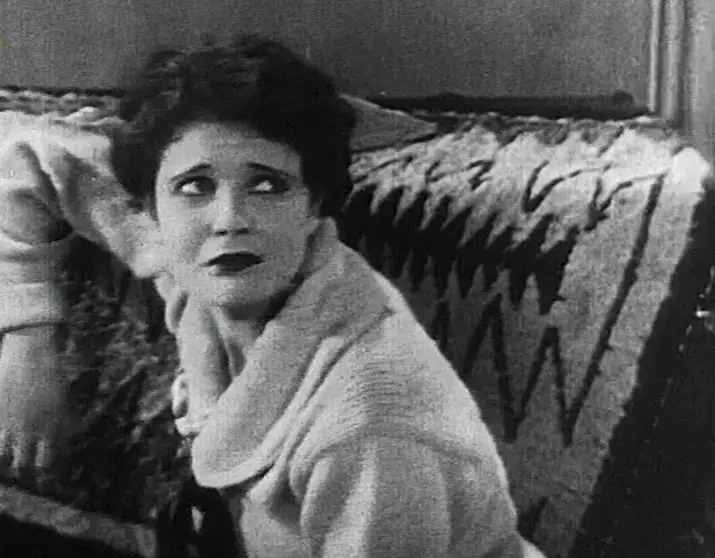
The use of title cards is minimal, which is a blessing. The story is told through movement. When the Captain’s wife arrives on the ship, the visual storytelling is so clear that you don't need a single line of text to understand the stakes. The panic on the Captain's face is universal. It’s a primitive form of cinema, but it is incredibly effective at communicating basic human emotions: fear, lust, and the desire to not get hit with a rolling pin.
Pros:
Cons:
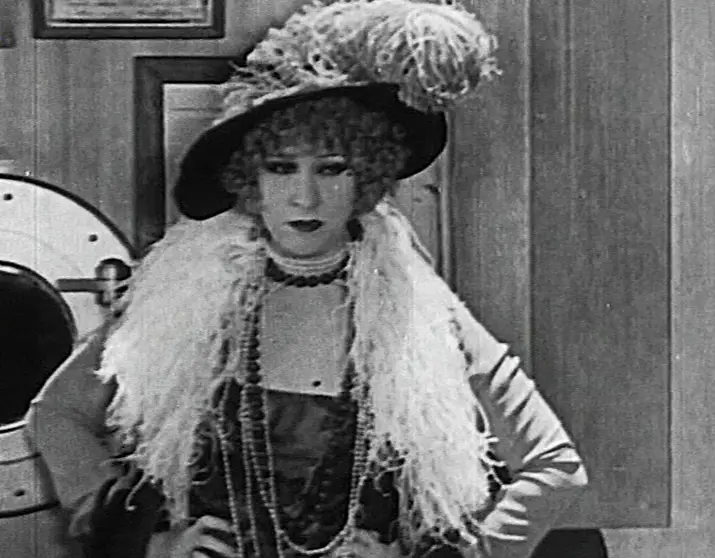
Most critics focus on the Laurel/Hardy connection, but the real star of the show's subtext is the latent domestic anxiety. The Captain isn't afraid of the law; he's afraid of his wife. The film suggests that the 'Merry Maiden' is a sanctuary from domesticity that fails the moment a woman (or a man dressed as one) enters the space. It’s a surprisingly dark commentary on the 'escape' that the sea supposedly provides. In this world, there is no escape from the consequences of one's infidelity.
Why Girls Love Sailors is a fascinating artifact. It isn't a masterpiece, and it isn't the best thing either Laurel or Hardy ever did. But it is vital. It shows the sparks flying before the fire started. It’s crude, it’s loud (metaphorically), and it’s unrefined. But it has a soul. If you can look past the static camerawork and the simplistic plot, you’ll find a comedian in Stan Laurel who was already operating at a genius level. Just don't expect the polished 'Stanley and Ollie' routine. This is the raw, jagged edge of comedy history. It’s worth the twenty minutes of your life just to see the moment the Captain realizes he’s been flirting with a man in a wig. That look of pure, unadulterated horror is worth more than a thousand lines of dialogue.
"A frantic, unpolished gem that proves comedy doesn't need a budget—it just needs a man willing to put on a dress and a captain willing to lose his mind."
IMDb 6.3
1924
Community
Log in to comment.