DbcultAccessing Vault...
7.5/10
Senior Film Conservator
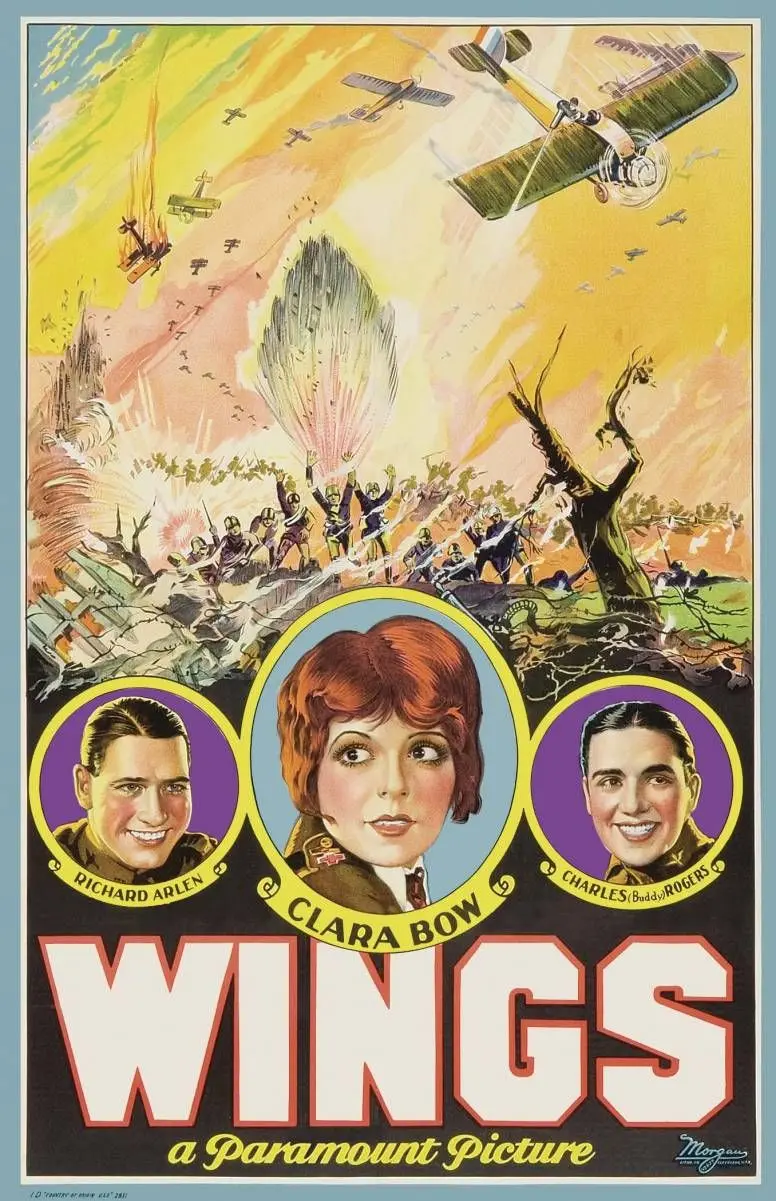
A definitive 7.5/10 rating for a film that redefined the boundaries of cult cinema. Wings remains a cornerstone of transgressive art.
Is 'Wings' merely a historical artifact, or does it still soar with relevance today? Short answer: absolutely, but approach it with the understanding that it is a product of its time. This film is a must-see for cinephiles interested in the foundational moments of cinema, especially those fascinated by early aviation and the cinematic portrayal of war, but it might not fully captivate viewers accustomed to the rapid-fire pacing and explicit soundscapes of modern blockbusters.
This film works because of its audacious technical ambition and surprisingly intimate character work, particularly within the aerial sequences that redefined cinematic spectacle. It fails because some of its melodramatic flourishes feel dated, and the silent film conventions, while expertly handled, can occasionally distance contemporary viewers. You should watch it if you appreciate historical cinema, groundbreaking special effects, and a poignant, if sometimes simplistic, look at the human cost of war.
William A. Wellman’s direction of "Wings" is nothing short of visionary for its era. A former World War I pilot himself, Wellman brought an unparalleled authenticity and visceral understanding to the aerial combat sequences. This wasn't merely staged; it was meticulously choreographed and executed with real planes and real pilots, including some who were actual veterans. The result is a breathtaking display of cinematic prowess that, nearly a century later, still holds a remarkable power.
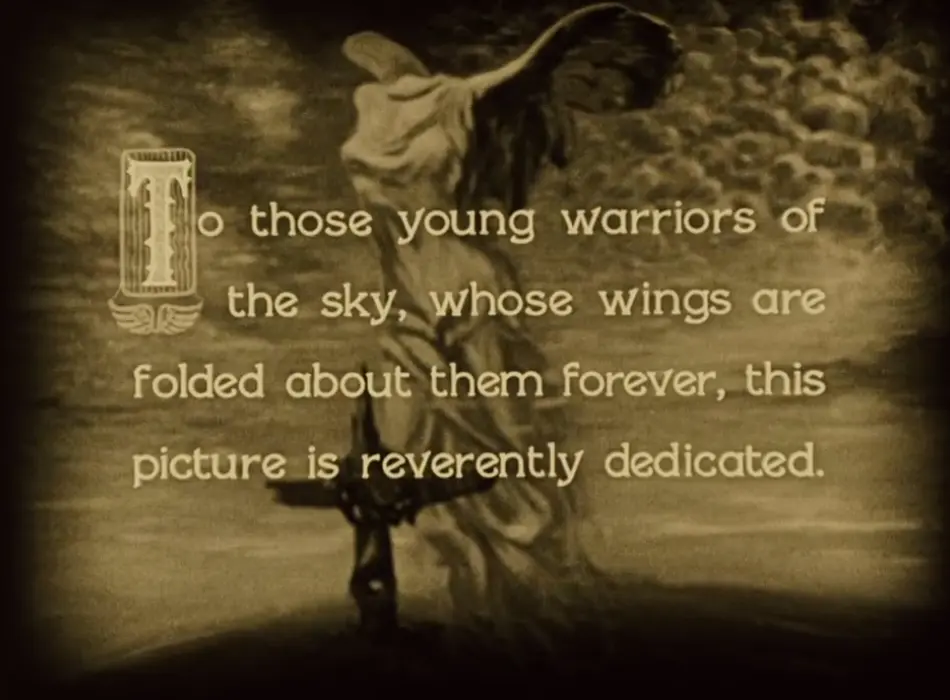
The dogfights above the Western Front are the film's undeniable centerpiece. Wellman utilized innovative camera placements, often mounting cameras directly onto the aircraft, plunging the audience into the heart of the action. We don't just observe the planes; we feel the dizzying dives, the sharp turns, and the terrifying proximity of enemy fire. One particularly audacious shot, a 360-degree pan within a cockpit during a chaotic battle, must have left audiences of 1927 utterly astounded. It’s a masterclass in kinetic filmmaking, proving that spectacle isn't solely dependent on sound.
The cinematography extends beyond mere action. The stark contrast between the idyllic American hometown and the muddy, shell-shocked trenches of France is beautifully rendered. Close-ups are used judiciously to convey raw emotion, a necessity in silent film, and Wellman ensures that every gesture, every facial expression, speaks volumes. The film's visual language is rich and deliberate, a testament to the artistry that defined early Hollywood.
It’s easy to dismiss silent films as primitive, but "Wings" challenges that notion with every frame. Wellman’s ability to build tension, convey speed, and evoke genuine fear without a single line of dialogue is a testament to pure visual storytelling. Modern blockbusters could learn a thing or two about showing, not telling, from this film. The sheer scale and ambition of the production remain awe-inspiring, a daring gamble that paid off handsomely.
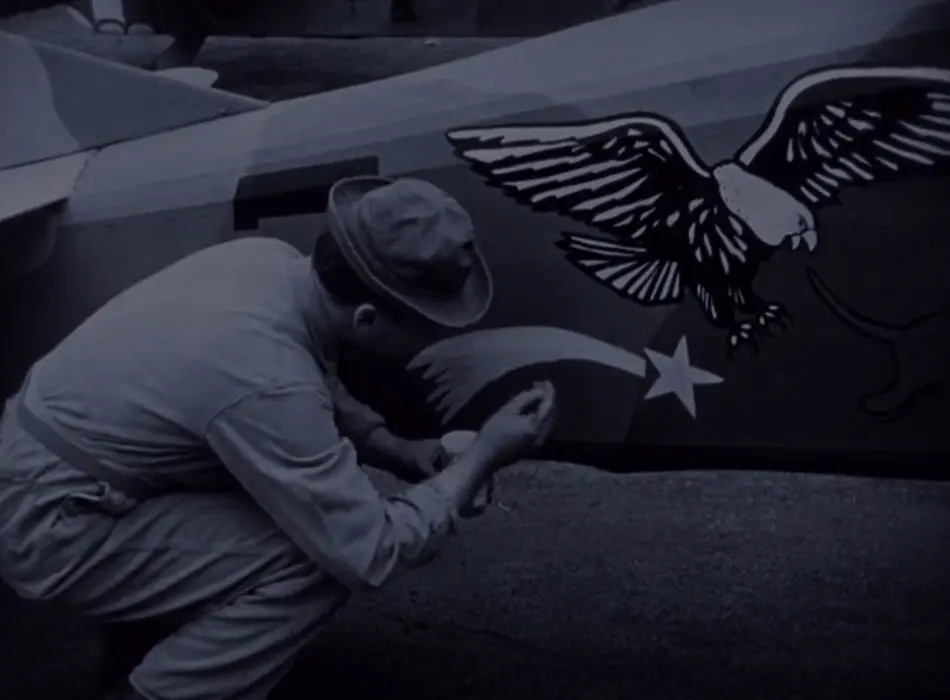
At its core, "Wings" is a story of friendship, rivalry, and love, framed by the horrors of war. The central dynamic between Jack Powell (Charles 'Buddy' Rogers) and David Armstrong (Richard Arlen) is the emotional anchor. Rogers imbues Jack with an earnest, somewhat naive charm, a working-class boy whose initial arrogance gives way to genuine heroism and profound grief. Arlen, as the aristocratic David, offers a more reserved, almost melancholic presence, a man burdened by expectation and an understated sense of duty.
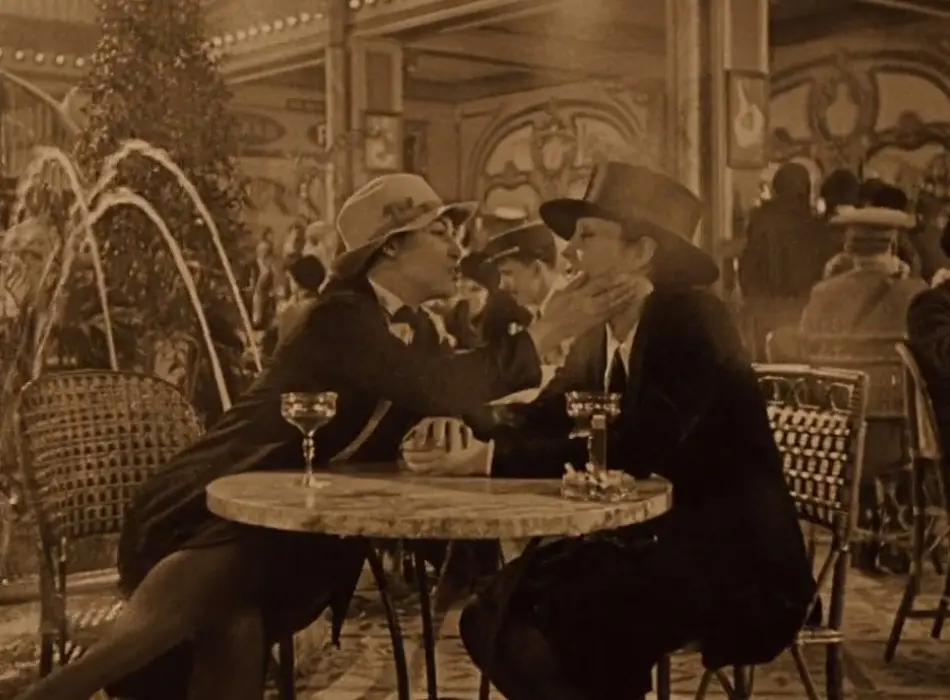
Their camaraderie, forged in the crucible of combat, feels authentic. The quiet moments shared between them, particularly when they are separated from the chaos of battle, speak volumes about the bonds formed under extreme pressure. There’s a palpable tenderness to their friendship, a deep affection that transcends simple companionship, hinting at the profound emotional intimacy that war can foster between men. This is perhaps one of the film's most unconventional and enduring observations, a subtle subtext rarely explored so openly in its era.
Clara Bow, as Mary Preston, the girl caught between them, brings her signature vivacity and 'It Girl' charisma to the screen. Mary is more than just a romantic interest; she's a symbol of home, of the life left behind, and her unwavering devotion to Jack is both touching and, at times, heartbreaking. While Bow delivers a vibrant performance, her character, despite being an emotional anchor, often feels underserved by a script more preoccupied with the male camaraderie and aerial action. Her journey, while significant, sometimes plays second fiddle to the grander themes.
The supporting cast also shines. A young Gary Cooper, in a memorable cameo as Cadet White, delivers a brief but impactful performance that hints at the star power he would soon command. His scene, a quiet moment of advice and camaraderie, is remarkably poignant and leaves a lasting impression, a testament to his natural screen presence even in limited screentime. The ensemble, though largely silent, communicates a vast spectrum of human experience.
For a film clocking in at around 140 minutes, "Wings" maintains a surprisingly engaging pace. Wellman masterfully balances the grand scale of war with intimate character moments. The initial segments, establishing the love triangle and the characters' pre-war lives, move with a light, almost comedic touch. This lightheartedness makes the gradual descent into the grim reality of the Western Front all the more impactful.
The shift in tone is gradual but decisive. As Jack and David arrive in France, the film sheds its romantic sheen, embracing the brutality of trench warfare and the constant threat of death in the skies. The tension builds relentlessly during the aerial sequences, punctuated by moments of quiet despair or frantic celebration. The film never shies away from the emotional toll of war, showing the psychological strain on its characters with a stark honesty that was rare for its time.
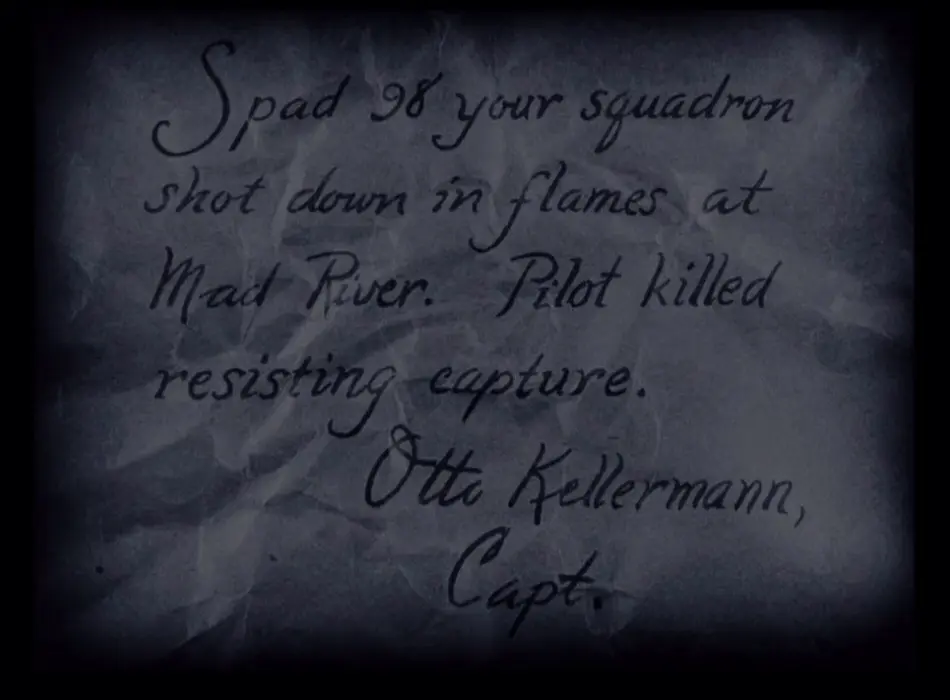
One particularly harrowing sequence involves Jack flying behind enemy lines, a mission fraught with peril that culminates in a truly tragic misunderstanding. The sequence is a masterclass in suspense, using close-ups of Jack's anxious face, quick cuts to the frantic action, and the overwhelming sense of isolation to build unbearable tension. This scene, devoid of dialogue, speaks volumes about the fog of war and its devastating consequences. It works. But it’s flawed.
The film’s emotional resonance is undeniable, particularly in its depiction of loss and the futility of conflict. While some of the melodramatic elements, such as Mary's desperate journey to find Jack, might feel a little overwrought to modern sensibilities, they serve a vital purpose in conveying the era's romanticized view of sacrifice. The film's ultimate message, while undeniably anti-war in its depiction of loss, sometimes struggles to fully escape the romanticism of heroism that defined its era, creating a fascinating tension within its narrative.
"Wings" explores universal themes that resonate far beyond its historical context. It delves into the nature of heroism, questioning whether it's born of courage or desperation. It examines the profound impact of class distinctions, showing how war can both level social barriers and highlight them. Most powerfully, it confronts the devastating cost of war, depicting loss not as a glorious sacrifice but as a brutal, often senseless, tragedy.
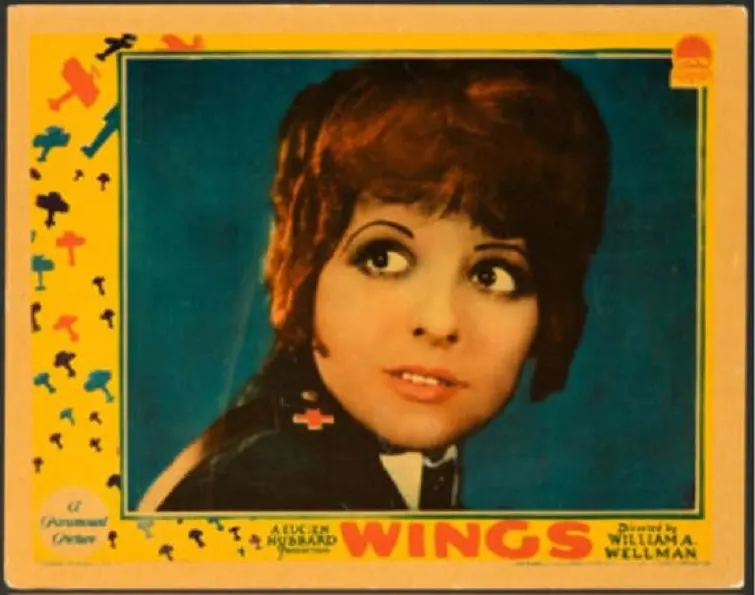
Its legacy is immense. As the very first recipient of the Academy Award for Best Picture, "Wings" holds a unique place in cinematic history. It set a benchmark for epic filmmaking, proving the medium's capacity for grand spectacle and profound emotional depth. Its influence can be seen in countless war films that followed, from the aerial combat sequences to the portrayal of soldier camaraderie. Films like The Combat or True Blue, while having their own merits, simply couldn't touch the scale and ambition of Wellman's achievement.
Beyond its technical achievements, "Wings" is a poignant reminder of the human element in conflict. It’s a film that, despite its silent nature, speaks volumes about the bonds formed under fire and the indelible scars left by war. It captures a specific moment in history, both cinematically and culturally, offering a window into how post-WWI America grappled with the memory of its 'Great War' heroes.
Yes, "Wings" is absolutely worth watching today. It stands as a monumental achievement in cinematic history, a testament to the power of visual storytelling. Its aerial combat sequences remain thrilling, defying its age with their raw authenticity and scale. The character drama, while occasionally leaning into melodrama, provides a solid emotional core.
This film offers a crucial insight into early Hollywood's ambition and technical wizardry. It's a foundational text for understanding the evolution of epic filmmaking. For anyone studying film history, the impact of silent cinema, or the portrayal of war on screen, "Wings" is essential viewing. It’s a film that demands patience but rewards it richly.
"Wings" is far more than a historical curio; it is a vibrant, daring piece of filmmaking that continues to resonate. Its technical achievements are monumental, its emotional core surprisingly potent, and its place in the cinematic pantheon is absolutely deserved. While its silent film conventions and occasional melodramatic excesses might require a slight adjustment from modern viewers, the rewards are immense. To watch "Wings" is to witness not just the birth of the Hollywood epic, but a powerful, poignant human story told with audacious vision. It's a film that reminds us of cinema's enduring power, even without a single spoken word. Go see it.
IMDb —
1917
Community
Log in to comment.