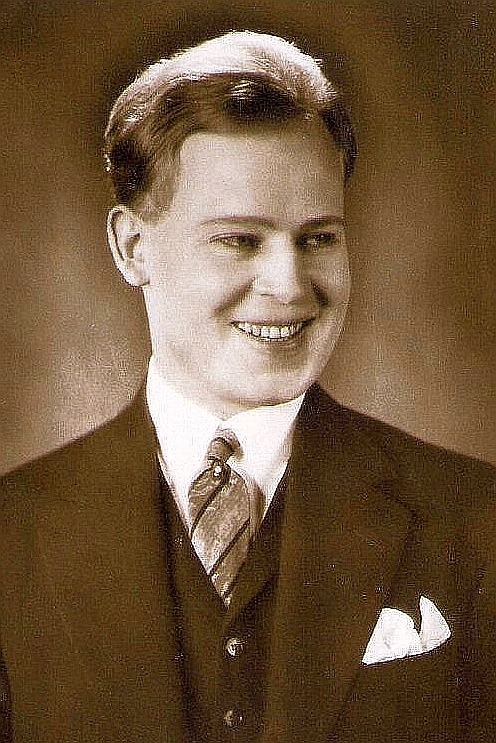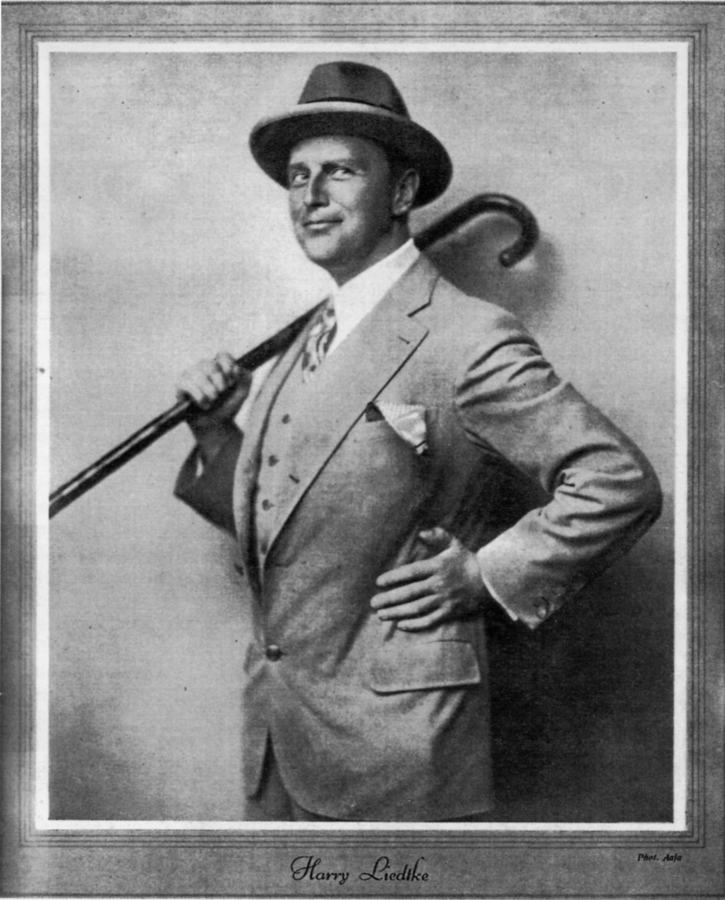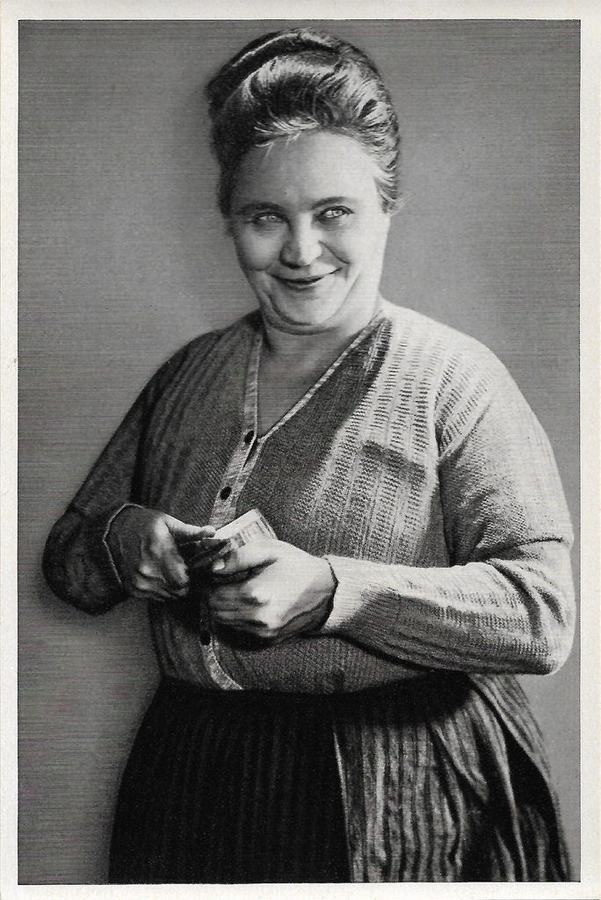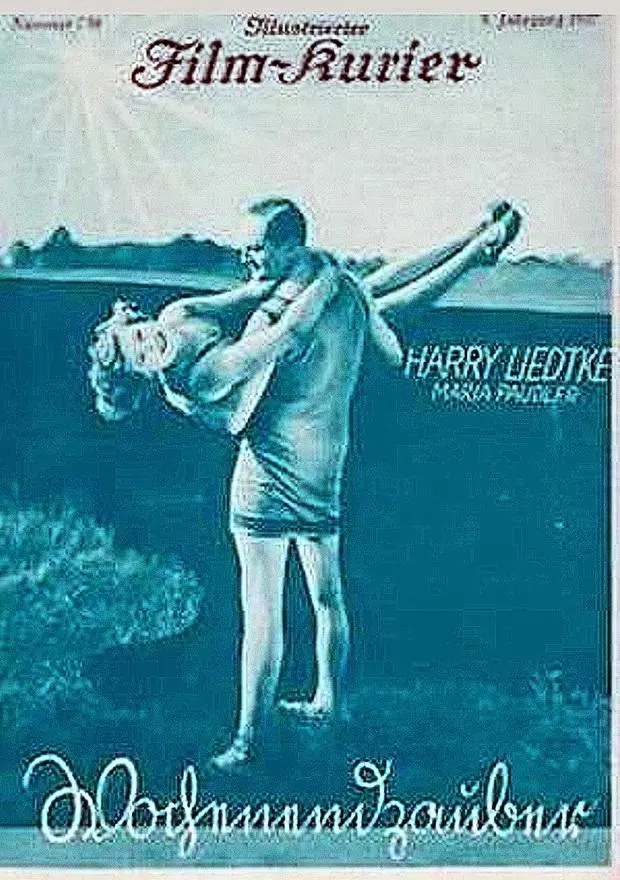
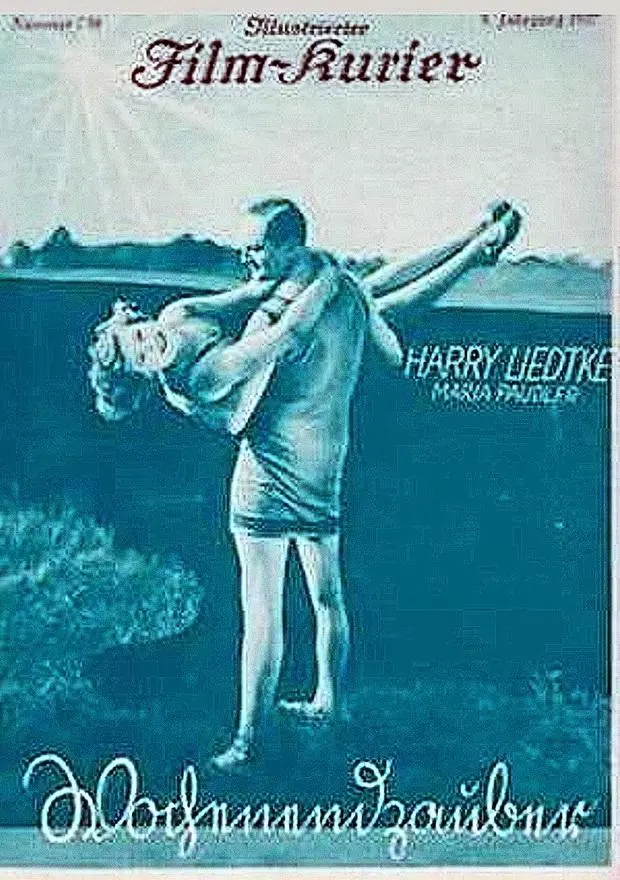
Heinz Sattorius leads an extraordinarily life wining, dining with lots of women. His uncle is the provider of the funds for his lifestyle.
Is Wochenendzauber worth watching today? Short answer: Yes, but only if you have the stomach for a cynical deconstruction of social climbing. This film is for the cinephile who enjoys seeing the masks of high society ripped away; it is certainly not for anyone seeking a feel-good escapist romp through old Berlin.This 1...
product


Comparing the cinematic DNA and archive impact of two defining moments in cult history.
Rudolf Walther-Fein

Rudolf Walther-Fein
Community
Log in to comment.
"Is Wochenendzauber worth watching today? Short answer: Yes, but only if you have the stomach for a cynical deconstruction of social climbing. This film is for the cinephile who enjoys seeing the masks of high society ripped away; it is certainly not for anyone seeking a feel-good escapist romp through old Berlin.This 1927 silent drama, directed by Rudolf Walther-Fein and written by Franz Rauch, captures a very specific anxiety of its era. It isn't just a movie; it is a warning. It explores the t..."

Carl Geppert
Franz Rauch
Germany