DbcultAccessing Vault...
6.2/10
Senior Film Conservator
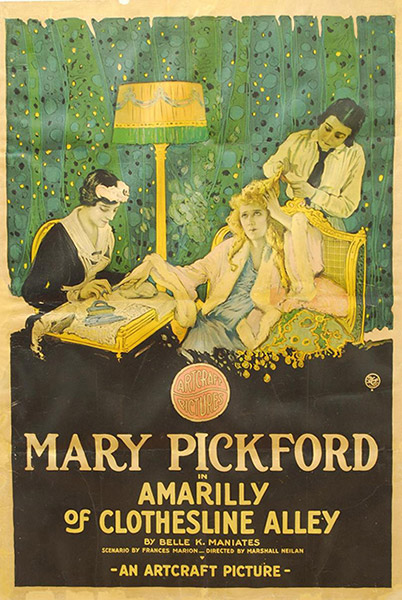
A definitive 6.2/10 rating for a film that redefined the boundaries of cult cinema. Amarilly of Clothes-Line Alley remains a cornerstone of transgressive art.
Stepping back into the cinematic tapestry of 1918, one finds Amarilly of Clothes-Line Alley not merely as a film, but as a vibrant, breathing artifact of its era, deftly navigating the enduring societal fissures of class and aspiration. Directed with a keen eye for character by Marshall Neilan and brought to life by the incandescent talent of Mary Pickford, this silent classic transcends its historical context to deliver a narrative still resonant today. It’s a compelling study of a young woman poised on the precipice of two vastly different worlds, grappling with identity, loyalty, and the seductive siren call of a life less ordinary.
The film introduces us to Amarilly, a vivacious and unpretentious denizen of a bustling, working-class neighborhood. Her life is rich in human connection, anchored by a large, affectionate family and the unwavering devotion of Terry, a bartender whose heart beats solely for her. Their world is one of honest toil, communal spirit, and simple pleasures—a stark contrast to the gilded cages and polite society Amarilly is soon to encounter. Pickford, in a role that perfectly showcases her unique blend of innocence and spirited resilience, imbues Amarilly with an authenticity that makes her struggles palpable. Her portrayal is not just of a character, but of an archetype: the working-class girl with a heart of gold and dreams that quietly simmer beneath a pragmatic exterior.
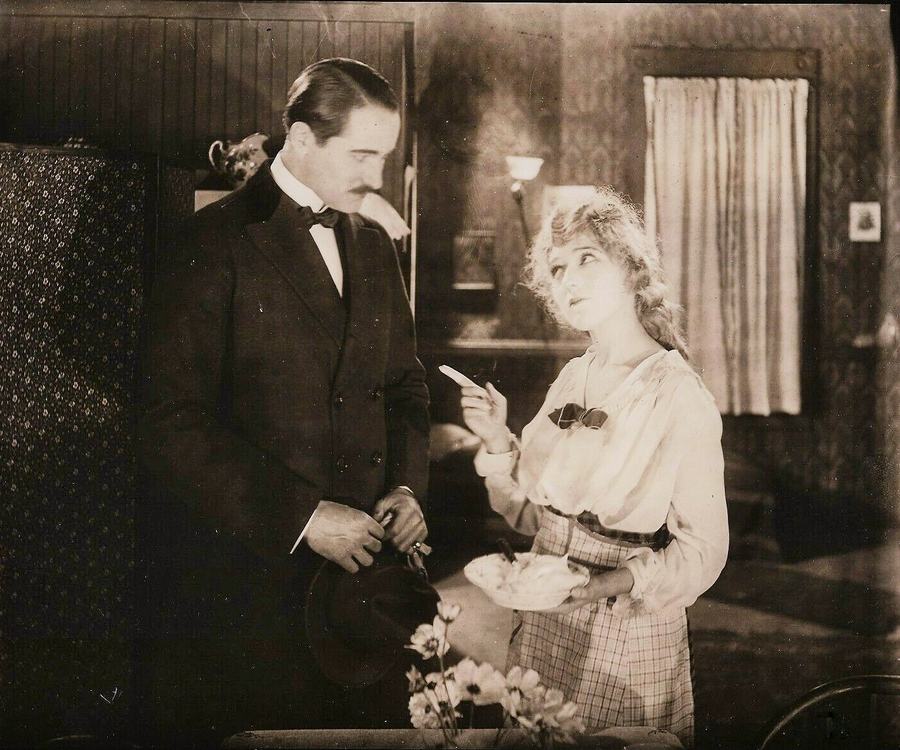
The catalyst for Amarilly's journey into the unknown arrives in the form of Gordon, a sculptor from an aristocratic background, played with an intriguing blend of charm and detachment by Norman Kerry. His world, a realm of artistic pursuits, grand estates, and social graces, is entirely alien to Amarilly. Yet, their paths intertwine, sparking a fascination within her that begins to pull her away from the familiar comforts of Clothes-Line Alley. This isn't merely a romantic entanglement; it's a symbolic collision of disparate social strata, a narrative device often explored in silent cinema, much like in The Social Pirates, where characters navigate treacherous social waters. The film meticulously charts Amarilly’s gradual immersion into this new environment, highlighting the awkwardness, the allure, and the inherent loneliness that can accompany such a transition.
Frances Marion, one of the most prolific and influential screenwriters of the era, adapted Belle K. Maniates' novel with a nuanced understanding of character psychology and social commentary. Marion's script for Amarilly avoids simplistic moralizing, instead presenting a complex portrait of a young woman genuinely torn between two worlds. The narrative doesn't demonize the upper class entirely, nor does it romanticize poverty; it simply observes the profound differences in their values, customs, and expectations. This depth of writing allows Pickford to deliver a performance that is both emotionally rich and subtly transformative, showcasing her range beyond the 'little girl' persona she often cultivated.
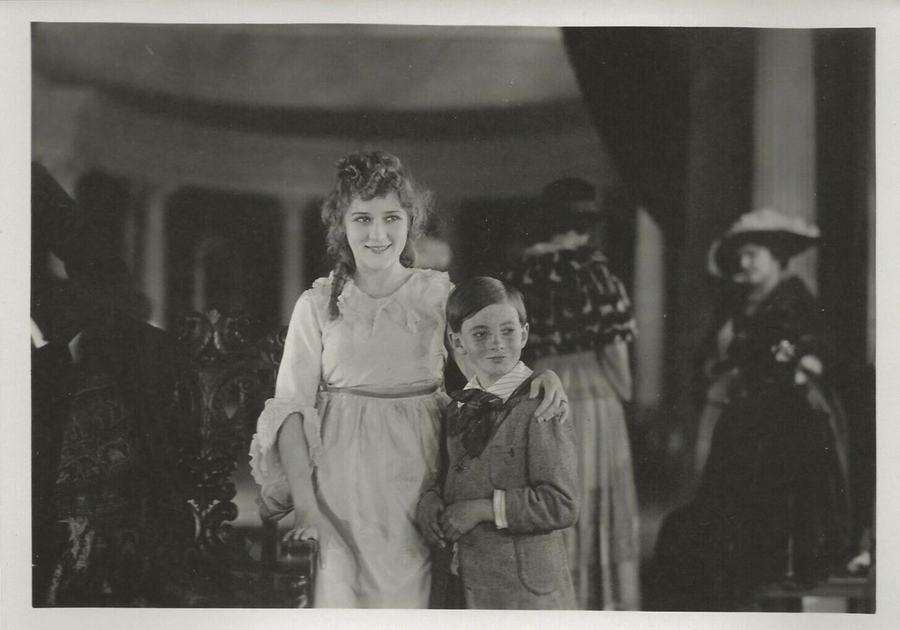
At its core, Amarilly of Clothes-Line Alley is a profound meditation on the nature of happiness and belonging. Is true contentment found in material wealth and social standing, or in the genuine connections forged within a community, regardless of its economic status? Amarilly’s journey forces her, and by extension the audience, to confront these questions. The film subtly critiques the superficiality of high society, depicting its denizens as often constrained by decorum and status, lacking the vibrant, unvarnished authenticity found in Amarilly’s original environment. This thematic thread echoes in other contemporary films that grappled with social stratification, such as Fighting Odds, which also explored the injustices and pressures faced by individuals caught in society's rigid class structures.
The contrast between Terry (played by William Scott) and Gordon is central to this thematic exploration. Terry represents the steadfast, honest love rooted in shared experience and understanding. He sees Amarilly for who she truly is, valuing her spirit and her origins. Gordon, while perhaps well-meaning, embodies the allure of the unknown, the promise of a different life, but also the potential for misinterpretation and a loss of self. His attraction to Amarilly often feels like a fascination with her 'otherness,' her unpolished charm, rather than a deep understanding of her soul. This dynamic creates a powerful internal conflict for Amarilly, a struggle between the heart's familiar comfort and the mind's curiosity for new horizons.
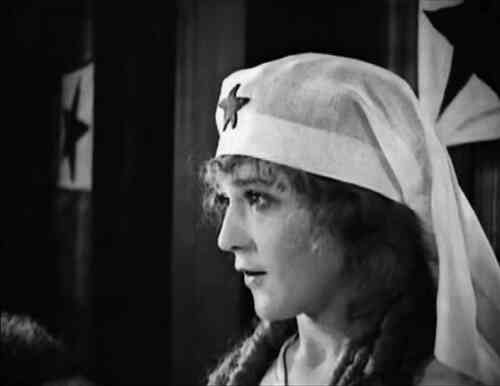
Mary Pickford’s performance here is nothing short of masterful. She commands the screen with a naturalism that belies the theatrical conventions of the silent era. Her facial expressions, gestures, and overall physicality convey a rich spectrum of emotions—from the joyful exuberance of her early scenes to the quiet introspection and eventual disillusionment she experiences in the upper-class world. Pickford’s ability to project vulnerability and strength simultaneously was a hallmark of her genius, making her characters relatable and deeply human. In Amarilly, she masterfully navigates the subtle shifts in her character’s demeanor as she tries to adapt to new social codes, often with humorous and poignant results. One might draw parallels to the nuanced performances in films like The Actress' Redemption or The Innocence of Ruth, where strong female leads, often played by Pickford herself or her contemporaries, explored similar journeys of self-discovery and societal integration.
The supporting cast, though often overshadowed by Pickford's luminous presence, contributes significantly to the film's texture. Kate Price as Mrs. McComber, Herbert Standing as Mr. McComber, and George Hackathorne as Peter McComber, along with Gertrude Short as Amarilly's sister, anchor the working-class family scenes with warmth and authenticity. Their collective portrayal of a boisterous, loving household provides a crucial counterpoint to the more reserved and formal interactions Amarilly experiences in Gordon’s world. Ida Waterman, as Mrs. Stuyvesant, and Marcia Manon, as Miss Stuyvesant, represent the polished, yet often detached, face of high society, their performances highlighting the social chasm Amarilly attempts to bridge. Even minor roles, like Gustav von Seyffertitz and Wesley Barry, add layers to the narrative's rich tapestry.
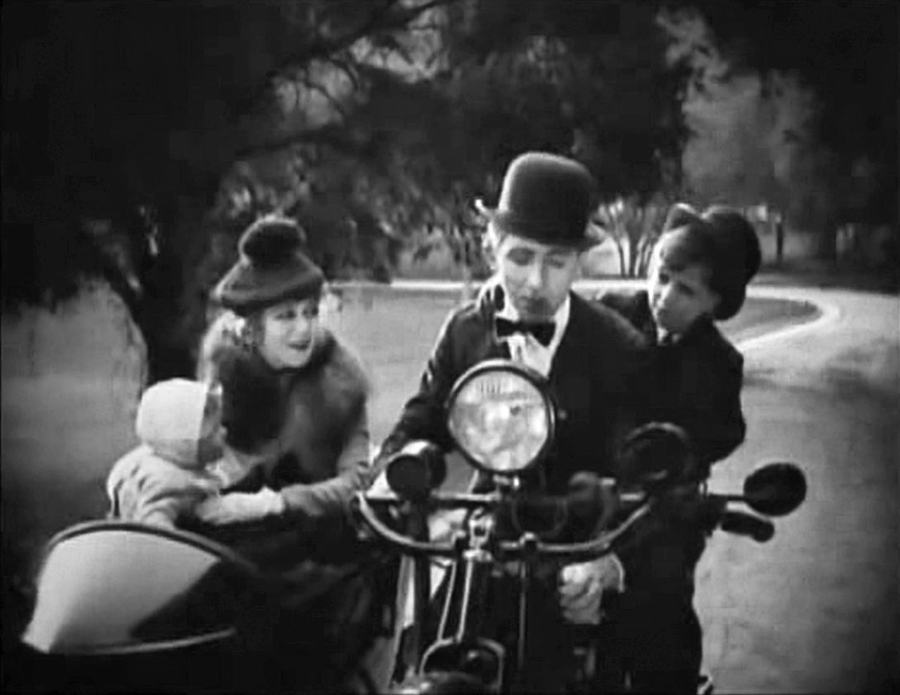
Marshall Neilan's direction is fluid and engaging, utilizing the visual storytelling capabilities of silent cinema to their fullest. He employs a dynamic camera, often moving to capture the energy of the bustling streets or the quiet intimacy of personal moments. The cinematography, while typical of the era, effectively contrasts the grittiness of the alley with the opulent grandeur of the wealthy estates, using lighting and set design to emphasize the emotional and social distinctions. The film’s pacing is excellent, allowing the narrative to unfold naturally while maintaining audience engagement. This careful craftsmanship is a testament to the sophistication of filmmaking during this period, demonstrating that silent films were far from primitive, but rather highly expressive art forms.
In an era marked by rapid social change and the impending end of World War I, films like Amarilly of Clothes-Line Alley offered audiences a reflection of their own aspirations and anxieties. The dream of upward mobility, the tension between tradition and modernity, and the search for authentic connection were themes that resonated deeply. It’s fascinating to consider how this film, alongside others such as Business Is Business or The Return of Eve, contributed to a broader cultural dialogue about societal expectations and personal fulfillment. The film also showcases the burgeoning star system, with Pickford's name alone guaranteeing box office success, a phenomenon that would only grow in the ensuing decades.
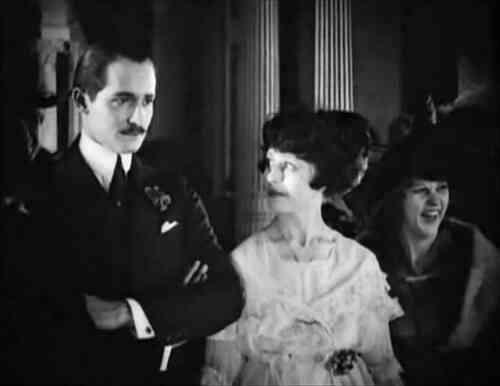
The performances of Antrim Short, Fred Goodwins, and Frank Butterworth in various supporting roles add further texture to the film's world-building, populating Amarilly's neighborhood with memorable characters. Each contributes to the sense of a thriving community, making Amarilly’s eventual departure, or consideration of departure, all the more poignant. Leo White and Margaret Landis, though with smaller parts, contribute to the film's lively ensemble, demonstrating the depth of talent often found even in secondary characters of this period. The film is a masterclass in ensemble acting, even with a clear central star.
More than a century after its release, Amarilly of Clothes-Line Alley remains a compelling and surprisingly modern viewing experience. Its exploration of class distinctions, the pursuit of happiness, and the importance of staying true to oneself are universal themes that continue to captivate. Pickford’s performance is a beacon, a testament to her unparalleled ability to connect with audiences across generations. The film’s narrative arc, which sees Amarilly navigate the complexities of social ascent only to ultimately recognize the value of her origins, offers a timeless message about authenticity and the search for genuine contentment. It’s a gentle reminder that sometimes, the greatest treasures are found not in grand mansions, but in the warmth of a familiar alley, surrounded by those who truly know and love you.
This film, like many of its contemporaries such as The Devil-Stone or Stop Thief!, contributes to our understanding of early cinema's capacity for sophisticated storytelling. It’s not just a historical curiosity but a vibrant piece of art that speaks to the human condition with clarity and grace. The screenplay by Frances Marion, rooted in Belle K. Maniates' vision, ensures that every character, every interaction, contributes to a cohesive and emotionally resonant whole. For anyone interested in the foundational works of American cinema, or simply in a heartwarming story beautifully told, Amarilly of Clothes-Line Alley is an essential viewing. It solidifies Mary Pickford’s status not just as a star, but as a profound actress capable of conveying the deepest human emotions without uttering a single word. The film is a poignant testament to the enduring power of silent cinema to tell stories that echo across time, reminding us of the universal quest for belonging and love. The intricate dance between aspiration and contentment, played out against the backdrop of a rapidly changing society, ensures its place as a cherished classic, one that continues to offer rich insights into the human spirit and the societal forces that shape our choices.
IMDb 4.6
1931
Community
Log in to comment.