DbcultAccessing Vault...
Cult Review
Senior Film Conservator
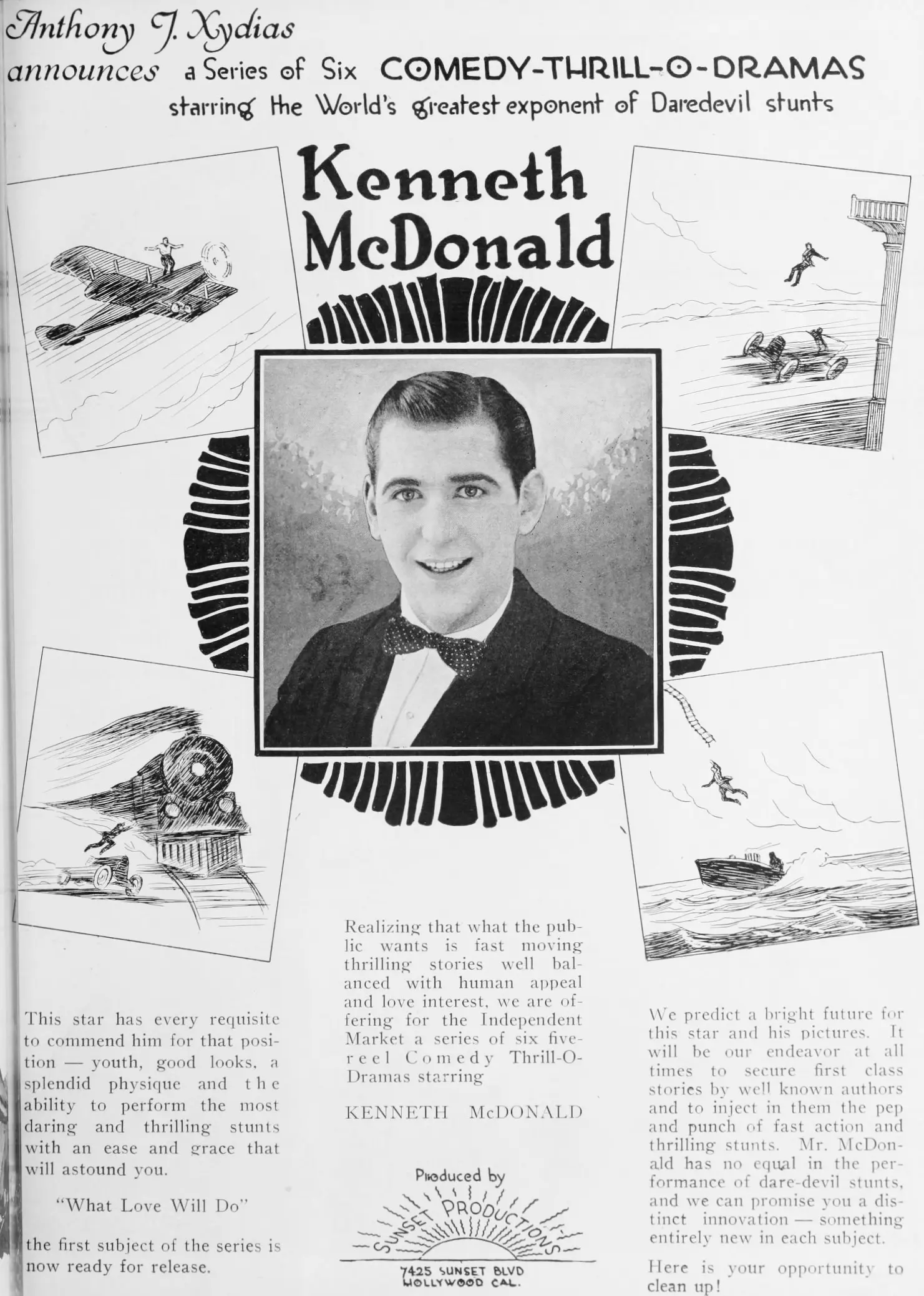
The year 1924 stood as a precipice for the cinematic medium, a moment where the visual language of storytelling was shedding its theatrical chrysalis to embrace a purely rhythmic, almost musical, form of expression. Within this landscape, Yankee Speed serves as a fascinating specimen of the 'velocity' subgenre, directed by the prolific Robert N. Bradbury. While often overshadowed by the larger-than-life epics of the period, this film captures a specific, localized fervor for adrenaline that predates the polished artifice of later Hollywood actioners.
Bradbury, a filmmaker whose legacy would eventually be intertwined with the rugged landscapes of the B-Western, showcases an early mastery of pacing here. Unlike the meticulously staged melodrama of The Girl I Loved, Yankee Speed prioritizes the visceral thrill of the chase. The camera is not a passive observer but a participant in the protagonist's frantic journey. There is a raw, unvarnished quality to the cinematography that feels more authentic than the stylized gloom of Oliver Twist. It is as if the celluloid itself is struggling to keep up with Kenneth MacDonald’s onscreen energy.
MacDonald, playing the quintessential American go-getter, embodies a physical charisma that was essential for the silent era. Without the benefit of voice, his performance relies on a calculated athleticism. He moves with a purpose that suggests a man constantly outrunning his own shadow. This is a stark contrast to the more contemplative, almost static character studies found in The Fotygraft Gallery. In Yankee Speed, character is revealed through action, not through the lingering close-ups of internal turmoil.
To watch Yankee Speed today is to peek into the collective psyche of a nation obsessed with progress. The film functions as a sociological document, illustrating the transition from horse-drawn logic to internal combustion ambition. We see echoes of this societal shift in The Clean-Up, yet Bradbury’s work is less concerned with moral hygiene and more with the sheer aesthetic of the 'fast life.' The supporting cast, including Virginia Ainsworth and Richard Lewis, provide the necessary friction to MacDonald’s forward thrust. Ainsworth, in particular, offers a performance of subtle defiance, navigating the gendered expectations of the era with a grace that rivals the leads in Silk Stockings.
The film’s structure is deceptively simple, yet its execution reveals a sophisticated understanding of tension. Each sequence is calibrated to build upon the last, creating a cumulative effect of breathless anticipation. This is not the slow-burn tragedy of Tess of the D'Urbervilles; this is a sprint toward a horizon that is always shifting.
Robert N. Bradbury’s direction is characterized by a refusal to linger on the superfluous. There is a lean, muscular quality to the editing that mirrors the protagonist’s own lack of sentimentality. This economy of storytelling was a hallmark of the early independent productions, often outshining the bloated runtimes of major studio releases like Brigadier Gerard. Bradbury understands that in a film titled 'Speed,' the greatest sin is a static frame.
The use of location is equally vital. The dusty roads and burgeoning urban centers become characters in their own right, reflecting the untamed potential of the American West as it was being paved over by modernity. This environmental storytelling is far more evocative than the theatrical sets of From Gutter to Footlights. The dust kicked up by MacDonald’s vehicle isn’t just a visual effect; it’s the grit of a changing world.
When placing Yankee Speed alongside contemporaries like Idolators or The Ouija Board, one notices a distinct lack of mysticism or high-society artifice. Bradbury’s world is one of gears, grease, and grit. It lacks the supernatural allure of the latter but gains a tangible, earthly power. Even when compared to the emotional weight of Chains of the Past, Yankee Speed feels refreshingly unburdened. It is a film of the 'now,' unconcerned with the ghosts of yesterday.
The inclusion of Milton J. Fahrney and Viola Yorga in the cast adds a layer of seasoned professionality that grounds the more outlandish stunts. They provide the 'gravity' that allows MacDonald to fly. In many ways, the ensemble dynamic is reminiscent of the tight-knit performances in The Good Provider, though the stakes here are decidedly more kinetic than domestic. The chemistry between the leads avoids the saccharine pitfalls of Rose o' Paradise, opting instead for a mutual respect forged in the heat of conflict.
As we analyze the final act of Yankee Speed, we are forced to confront the ephemeral nature of the silent action star. MacDonald’s trajectory was a flash of brilliance that burned bright and fast, much like the characters he portrayed. The film doesn’t offer the philosophical depth of Passing Night, nor the cynical edge of Kærlighedsspekulanten. Instead, it offers something perhaps more honest: a pure, unadulterated joy in the act of movement.
The technical achievements of the film, from the precarious camera mounts to the innovative use of natural lighting, paved the way for the high-octane cinema we recognize today. Bradbury was not just making a movie; he was engineering a sensory experience. The rhythmic clatter of the projector in 1924 would have acted as the perfect percussive accompaniment to the onscreen mayhem, creating a proto-industrial symphony of sight and sound.
In the final estimation, Yankee Speed is more than a relic of a bygone era. It is a testament to the enduring human desire to push past the limits of the possible. It is a film that demands to be seen not as a historical curiosity, but as a living, breathing entity of cinematic fire. It reminds us that before there were digital effects and soundscapes, there was the stunt, the light, and the sheer, intoxicating speed of the Yankee spirit.
IMDb 8.1
1924
Community
Log in to comment.