DbcultAccessing Vault...
Cult Review
Senior Film Conservator
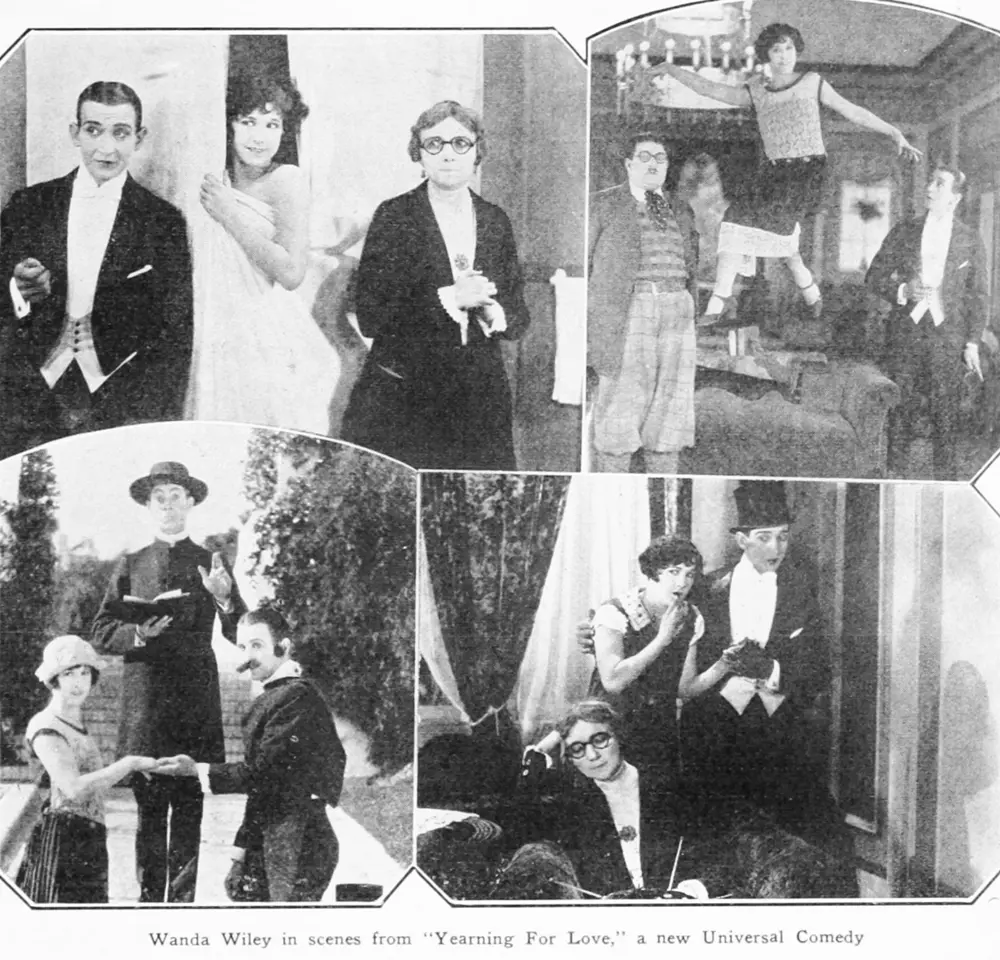
Does 'Yearning for Love' possess the enduring charm to captivate a modern audience? The short answer is yes, but with significant caveats that demand a particular kind of viewer. This silent-era caper, with its farcical plot and spirited performances, is unequivocally for cinephiles, historians, and those with a deep appreciation for early cinematic storytelling, yet it will undoubtedly test the patience of anyone seeking contemporary pacing or narrative depth.
This film works because its audacious, almost anarchic plot is surprisingly ahead of its time in its subversion of societal norms, delivering genuine laughs through sheer ingenuity. This film fails because its technical limitations and reliance on broad physical comedy can, at times, feel dated, hindering deeper emotional connection or sustained dramatic tension. You should watch it if you're drawn to the unique energy of early cinema, appreciate a good comedic farce, and are fascinated by the foundational elements of narrative film, especially how a simple premise can explode into delightful chaos.
At its core, “Yearning for Love” is a vibrant, if somewhat cartoonish, exploration of agency in an era often defined by rigid social structures. The narrative thrust is provided by Wanda, a young woman whose romantic inclinations clash head-on with the formidable will of her aunt. This isn't merely a disagreement; it's a battle for Wanda’s very future, framed by the aunt's insistence on a suitor Wanda finds utterly insufferable.
The film cleverly sets up this conflict, not just as a domestic dispute, but as a microcosm of societal expectations placed upon young women. Wanda, played with an engaging blend of demureness and nascent rebellion by Wanda Wiley, isn't a passive victim. Her 'yearning' isn't just for love, but for self-determination. Her decision to choose her own partner, despite her aunt's machinations, drives the entire farcical engine of the plot.
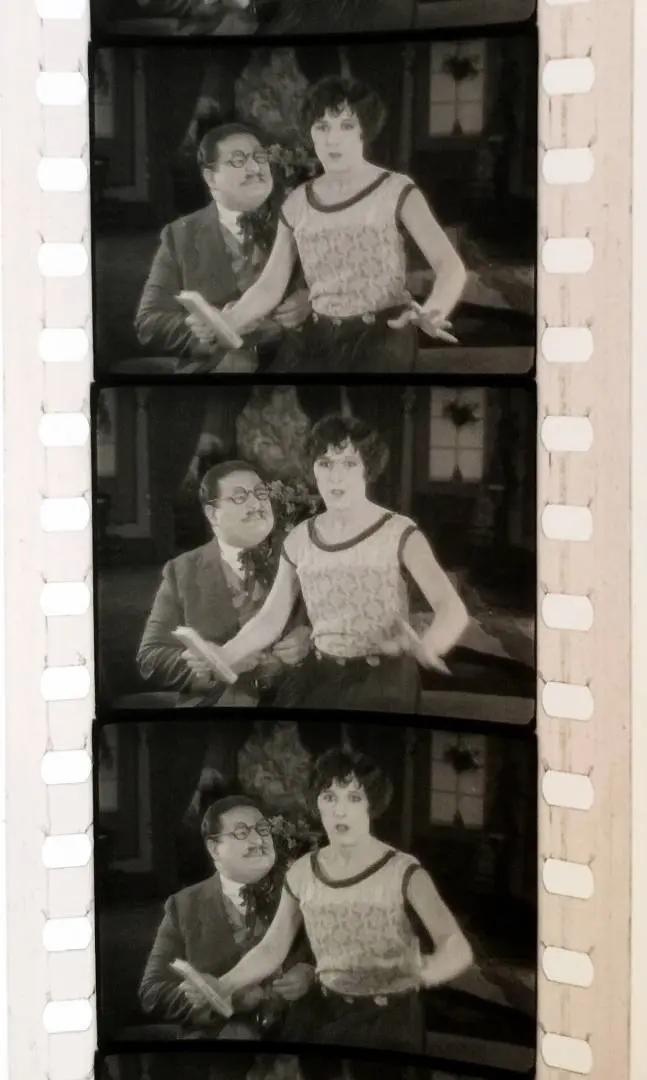
The film then escalates rapidly, moving from the quiet tension of an impending arranged marriage to outright comedic anarchy. The climax, involving the rival suitor’s audacious impersonation of a minister and the swift incapacitation of the undesirable groom, is a masterclass in silent-era slapstick. It’s a moment of pure, unadulterated cinematic joy, demonstrating how narrative ingenuity could compensate for the absence of dialogue.
The subsequent elopement and the aunt’s shockingly opportunistic marriage to the black-jacked groom provide a cynical, yet hilarious, coda to the romantic escapade. It’s a plot that, even today, feels remarkably bold in its comedic cynicism, suggesting that love, in this world, is often less about grand romance and more about who can outwit whom.
Edward Ludwig, a director who would later carve out a significant career in Hollywood, demonstrates a keen eye for comedic timing and visual storytelling in “Yearning for Love.” Here, in the silent era, his direction is marked by a clear understanding of how to build and release tension through physical action and expressive performances. Ludwig doesn't merely point the camera; he orchestrates the mayhem.
His use of framing, particularly in the pivotal wedding scene, is effective. We see the anxious faces of the participants, the solemnity of the occasion, only for it to be hilariously undercut by the imposter minister's antics. Ludwig employs wide shots to capture the full scope of the physical comedy, allowing the audience to appreciate the choreography of the
IMDb 6.1
1934
Community
Log in to comment.