DbcultAccessing Vault...
Cult Review
Senior Film Conservator
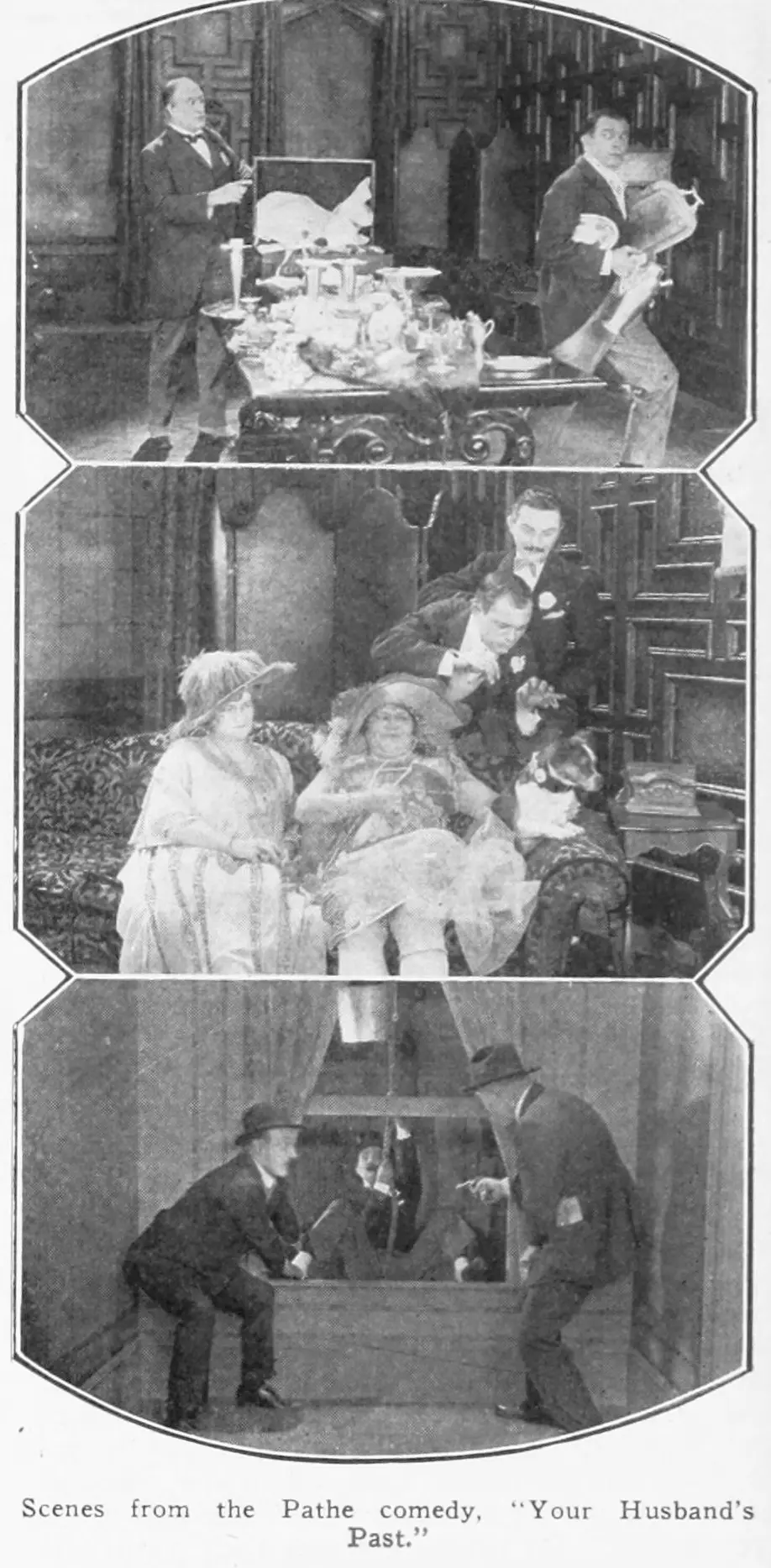
Is Your Husband's Past a forgotten gem of the silent era or a dusty relic best left in the archives? Short answer: Yes, but only if you are a dedicated student of silent narrative structure and the Hal Roach studio pedigree.
This film is specifically for those who appreciate the transition of 1920s comedy into more sophisticated social dramas. It is absolutely NOT for modern audiences who demand fast-paced action or high-definition spectacle.
1) This film works because it effectively balances the tension of a thriller with the emotional core of a domestic drama, anchored by the writing expertise of Stan Laurel and James Parrott.
2) This film fails because its resolution relies on a somewhat dated 'loyal wife' trope that lacks the psychological complexity today's viewers might expect from a story about systemic deception.
3) You should watch it if you want to see how early cinematic masters handled themes of identity and class ascension without the benefit of synchronized dialogue.
Does 'Your Husband's Past' hold up as a silent comedy in the 21st century? In a word: partially. While the film is marketed through the lens of its comedic cast, it functions more as a morality play.
The pacing is deliberate, reflecting the era's focus on visual storytelling. If you enjoy films like The Payment, you will find the thematic overlap here fascinating. It is a film that understands the weight of a secret.
It works. But it’s flawed. The charm lies in the performances of Lucien Littlefield and Vivien Oakland, who manage to convey a surprising amount of internal conflict through subtle gestures.
The plot of Your Husband's Past is a quintessential 1920s exploration of the American Dream and its inherent fragility. The protagonist's journey from a 'crook' to the son-in-law of a Governor is not just a plot point; it is a commentary on the fluid social boundaries of the post-war era.
Lucien Littlefield brings a nervous energy to the role that is palpable. When he is first recognized by the detective, the shift in his body language—from confident socialite to cornered animal—is a masterclass in silent acting.
Compare this to the more straightforward heroics in The Last Frontier. Here, the heroism is internal. It is the struggle to maintain a lie for the sake of a better life.
The inclusion of the 'pal' character adds a layer of noir-adjacent grit. This character represents the gravitational pull of the past, a theme later explored in The Other Side. He is the physical manifestation of the husband's conscience.
One cannot discuss this film without highlighting the writing team. Stan Laurel, long before his legendary partnership with Oliver Hardy, was a sharp architect of narrative. His influence here is seen in the clever subversion of expectations.
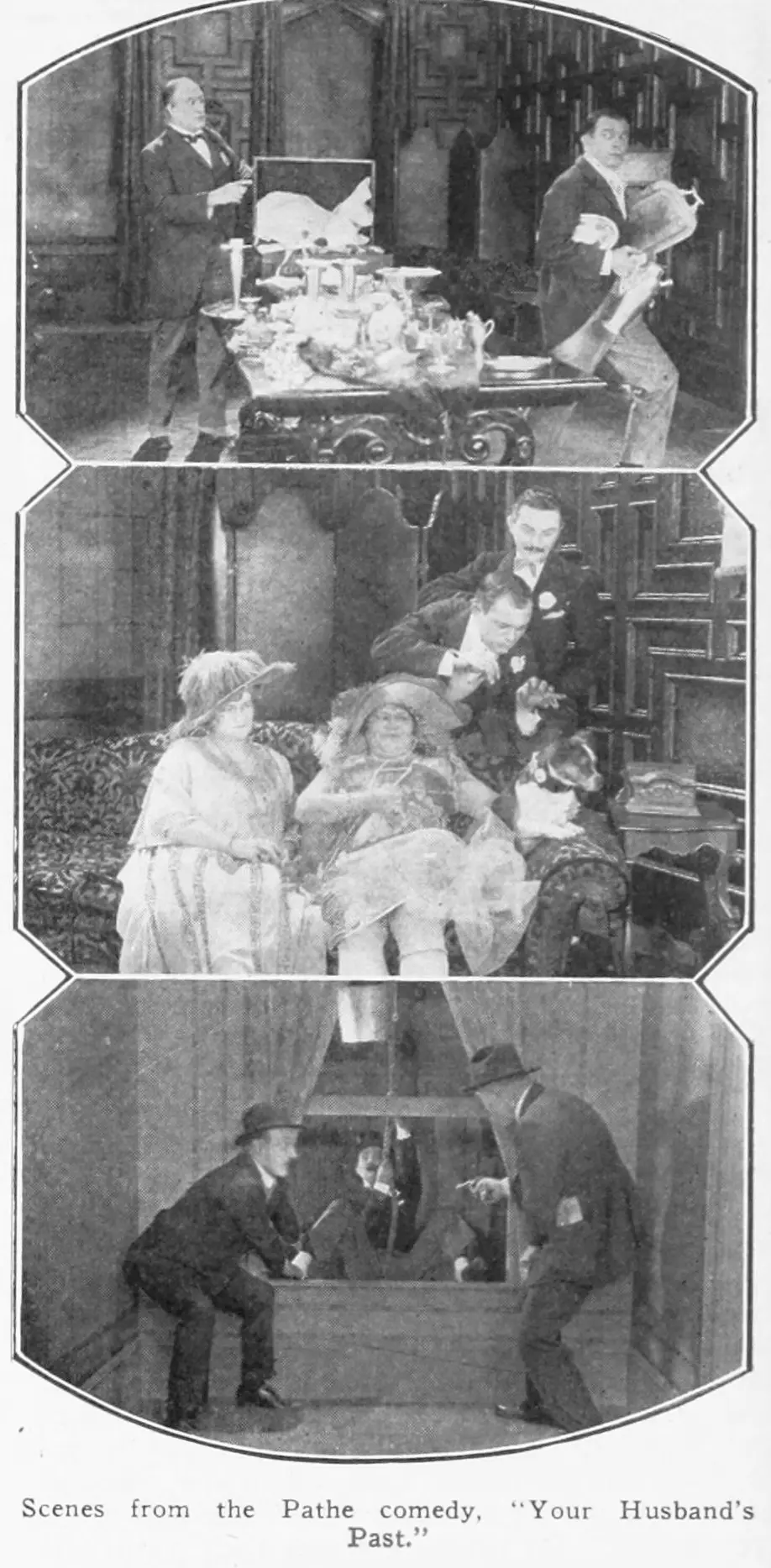
James Parrott’s direction ensures that the 'proofs' of the husband’s past are treated like a ticking time bomb. The scene where the pal steals the evidence from the detective is staged with a precision that hints at the slapstick brilliance these creators would later perfect.
However, the film deviates from the usual Roach 'fun' to provide something more somber. It shares a certain DNA with A Son of Erin in its focus on the protagonist's struggle to fit into a world that might reject him if they knew his true origin.
The writing avoids being overly preachy. Instead, it focuses on the mechanics of the blackmail. This makes the eventual revelation feel earned rather than forced by the plot.
Visually, the film utilizes the static, proscenium-style framing common in the mid-20s. Yet, the lighting in the scenes involving the detective is notably darker, creating a visual contrast between the Governor’s bright mansion and the husband’s murky history.
The cinematography doesn't take many risks, but it is effective. The use of close-ups during the climax, where the wife learns the truth, is particularly impactful. Vivien Oakland’s performance in this sequence is the emotional anchor of the film.
The pacing in the middle act can feel somewhat stilted. This was common for shorts of this era that tried to pack a feature-length emotional arc into a limited runtime. It lacks the fluid motion of The Exiles, yet it makes up for it with character depth.
The costumes and set design reflect the aspiration of the time. The Governor’s home is a character in itself—a fortress of respectability that the protagonist has 'infiltrated'.
A surprising element of Your Husband's Past is how it handles the concept of redemption. In many films of this period, like The Vengeance Trail, the past must be paid for in blood or incarceration.
Here, the redemption is found in the domestic sphere. The wife’s decision to stick by her husband is a radical act of grace for 1926 cinema. It suggests that a man’s past does not define his present if he has truly 'reformed'.
This stance is debatable. Some might argue that the film lets the protagonist off too easily. He lied to his wife about his very identity, yet the film frames her forgiveness as the ultimate virtue.
I find this ending to be the film's strongest and most controversial point. It prioritizes the survival of the family unit over the rigid application of law or social standing. It is a humanistic ending in a genre often dominated by black-and-white morality.
Pros:
Cons:
Your Husband's Past is a fascinating, if somewhat conventional, look at the impossibility of a fresh start. While it doesn't reinvent the cinematic wheel, its pedigree and emotional sincerity make it a worthy watch for those interested in the evolution of visual storytelling. It is a film that asks if we are the sum of our mistakes or the sum of our intentions. For the 1920s, the answer it provides is surprisingly modern.
IMDb 6.5
1923
Community
Log in to comment.