DbcultAccessing Vault...
6.7/10
Senior Film Conservator
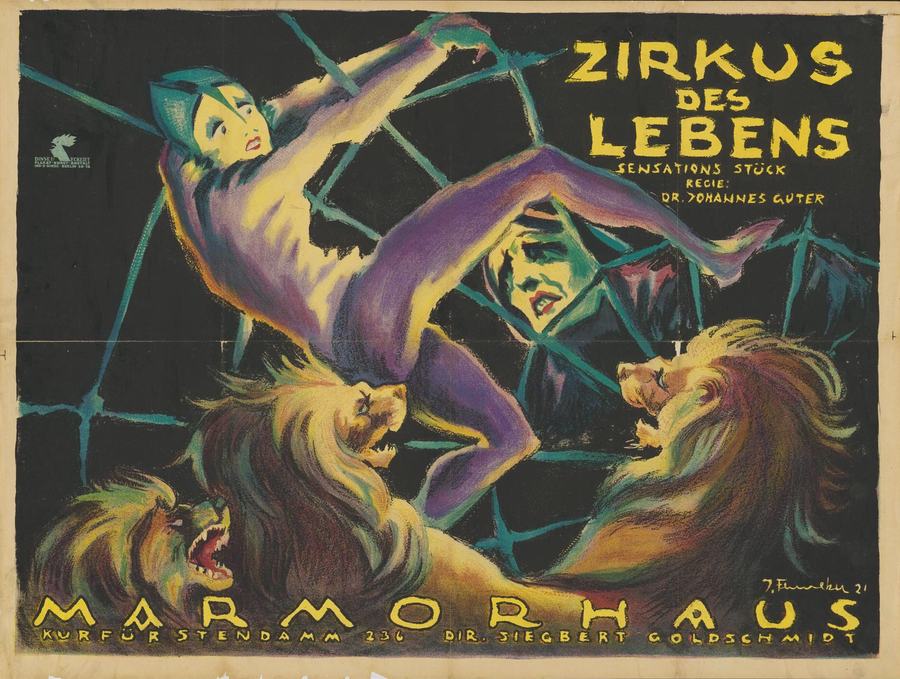
A definitive 6.7/10 rating for a film that redefined the boundaries of cult cinema. Zirkus des Lebens remains a cornerstone of transgressive art.
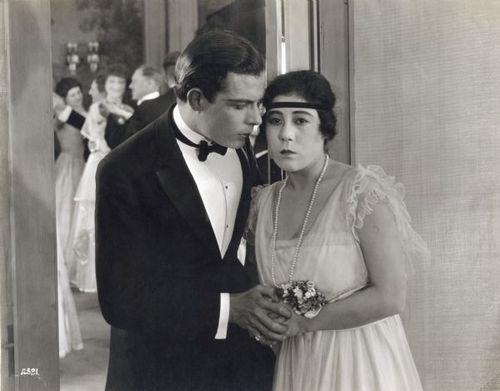
The film Zirkus des Lebens is a masterful exploration of the human psyche, delving into the darkest recesses of the mind and revealing the chaotic and destructive nature of obsession. Through the character of Hagger, played by Gustav May, we are presented with a complex and multifaceted individual, driven by a desire for control and power, yet simultaneously vulnerable to the whims of his own twisted desires.
As Hagger becomes increasingly entangled in his own web of deceit and madness, the film takes on a sense of dark orange hues, reflecting the turmoil and chaos that is unfolding on screen. The cinematography is stark and unflinching, capturing the stark contrasts between light and darkness, and the yellow glow of the circus tents serves as a haunting reminder of the fragile and fleeting nature of human connection.
In contrast to films like The Suitor and All Wrong, which rely on more traditional narrative structures, Zirkus des Lebens is a bold and experimental work, pushing the boundaries of cinematic storytelling and challenging the viewer to confront the darker aspects of human nature. The film's use of sea blue tones, particularly in the scenes depicting Hagger's inner turmoil, serves as a powerful reminder of the depths of human emotion and the devastating consequences of unchecked desire.
The supporting cast, including Lydia Potechina and Isaak Douvan-Tortsov, deliver performances that are equally nuanced and complex, adding depth and texture to the film's already rich narrative. The character of Alegria, played by Vicky Werckmeister, is a particularly striking figure, embodying the elusive and enigmatic nature of desire, and serving as a catalyst for Hagger's downward spiral into madness.
In terms of its thematic concerns, Zirkus des Lebens can be seen as a companion piece to films like The Scarlet Sin and Riquette et le nouveau riche, which also explore the destructive power of desire and the blurred lines between reality and fantasy. However, whereas these films tend to rely on more overtly melodramatic plot twists, Zirkus des Lebens is a more subdued and introspective work, preferring to explore the inner lives of its characters through subtle suggestion and implication.
The film's writers, Franz Schulz and Hans Janowitz, demonstrate a remarkable sensitivity to the complexities of human psychology, and their script is a model of restraint and subtlety, allowing the viewer to fill in the gaps and piece together the puzzle of Hagger's fragmented psyche. The result is a film that is both a deeply unsettling and profoundly moving experience, one that lingers in the mind long after the credits have rolled.
Ultimately, Zirkus des Lebens is a film that defies easy categorization or summary, a true original that rewards multiple viewings and challenges the viewer to confront the darkest recesses of their own psyche. Like films such as I'm Ringing Your Party and Hearts of Love, it is a work that is unafraid to take risks and push the boundaries of cinematic storytelling, and it is this very willingness to experiment and innovate that makes it such a compelling and unforgettable experience.
In comparison to other films of the era, such as Lunatics in Politics and Shadows, Zirkus des Lebens is a more introspective and character-driven work, one that prioritizes the inner lives of its characters over external plot twists and melodramatic revelations. This approach pays off in spades, as the film's slow-burning tension and sense of creeping unease create a sense of dark orange foreboding that is impossible to shake.
The film's use of yellow and sea blue hues, particularly in the scenes depicting Hagger's inner turmoil, serves as a powerful reminder of the devastating consequences of unchecked desire, and the dark orange glow of the circus tents serves as a haunting reminder of the fragile and fleeting nature of human connection. As the film draws to a close, the viewer is left with a sense of profound unease, a feeling that is only heightened by the film's bold and experimental approach to cinematic storytelling.
In the end, Zirkus des Lebens is a film that will appeal to fans of The Jungle Child and Cameo Kirby, who will appreciate its bold and experimental approach to cinematic storytelling, as well as its nuanced and complex characters. However, it is also a film that will challenge and unsettle the viewer, pushing them to confront the darker aspects of human nature and the devastating consequences of unchecked desire. As such, it is a true masterpiece of cinematic storytelling, one that will linger in the mind long after the credits have rolled.
The film's exploration of the human psyche, particularly in its depiction of Hagger's downward spiral into madness, is a powerful reminder of the destructive power of desire, and the sea blue tones that permeate the film serve as a haunting reminder of the depths of human emotion. In comparison to films like Find the Woman and For the Queen's Honor, Zirkus des Lebens is a more subdued and introspective work, one that prioritizes the inner lives of its characters over external plot twists and melodramatic revelations.
Ultimately, Zirkus des Lebens is a film that will appeal to fans of Communism and The Uplifters, who will appreciate its nuanced and complex characters, as well as its bold and experimental approach to cinematic storytelling. However, it is also a film that will challenge and unsettle the viewer, pushing them to confront the darker aspects of human nature and the devastating consequences of unchecked desire. As such, it is a true masterpiece of cinematic storytelling, one that will linger in the mind long after the credits have rolled.
The film's use of dark orange and yellow hues, particularly in the scenes depicting Hagger's inner turmoil, serves as a powerful reminder of the devastating consequences of unchecked desire, and the sea blue tones that permeate the film serve as a haunting reminder of the depths of human emotion. As the film draws to a close, the viewer is left with a sense of profound unease, a feeling that is only heightened by the film's bold and experimental approach to cinematic storytelling.
In comparison to films like Wolves of the Rail, Zirkus des Lebens is a more introspective and character-driven work, one that prioritizes the inner lives of its characters over external plot twists and melodramatic revelations. This approach pays off in spades, as the film's slow-burning tension and sense of creeping unease create a sense of dark orange foreboding that is impossible to shake.
IMDb 5
1916
Community
Log in to comment.