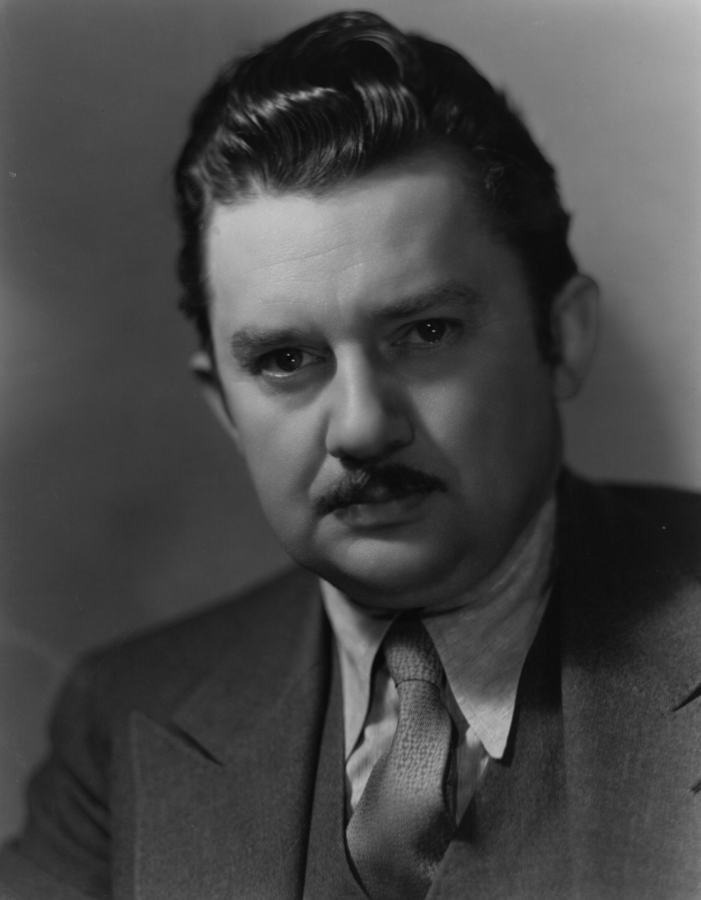
Jean Hersholt
actor, assistant_director, director
- Birth name:
- Jean Pierre Carl Buron Hersholt
- Born:
- 1886-07-12, Copenhagen, Denmark
- Died:
- 1956-06-02, Hollywood, Los Angeles, California, USA
- Professions:
- actor, assistant_director, director
Biography
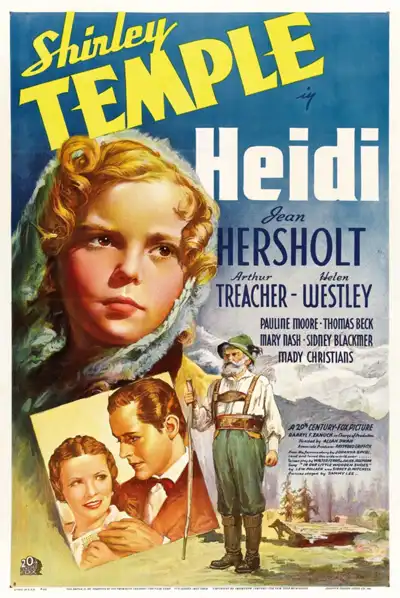
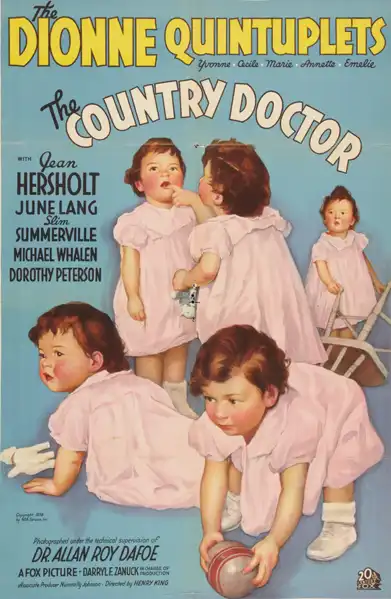
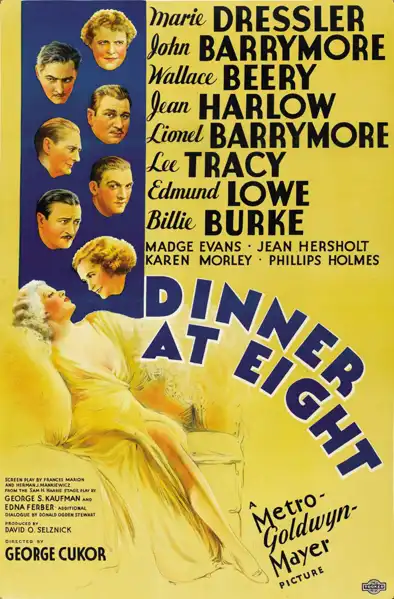
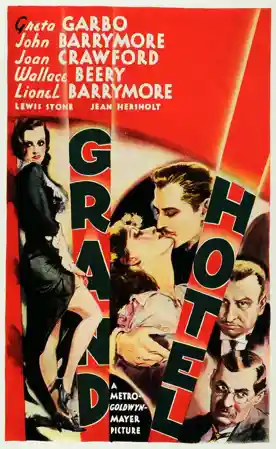
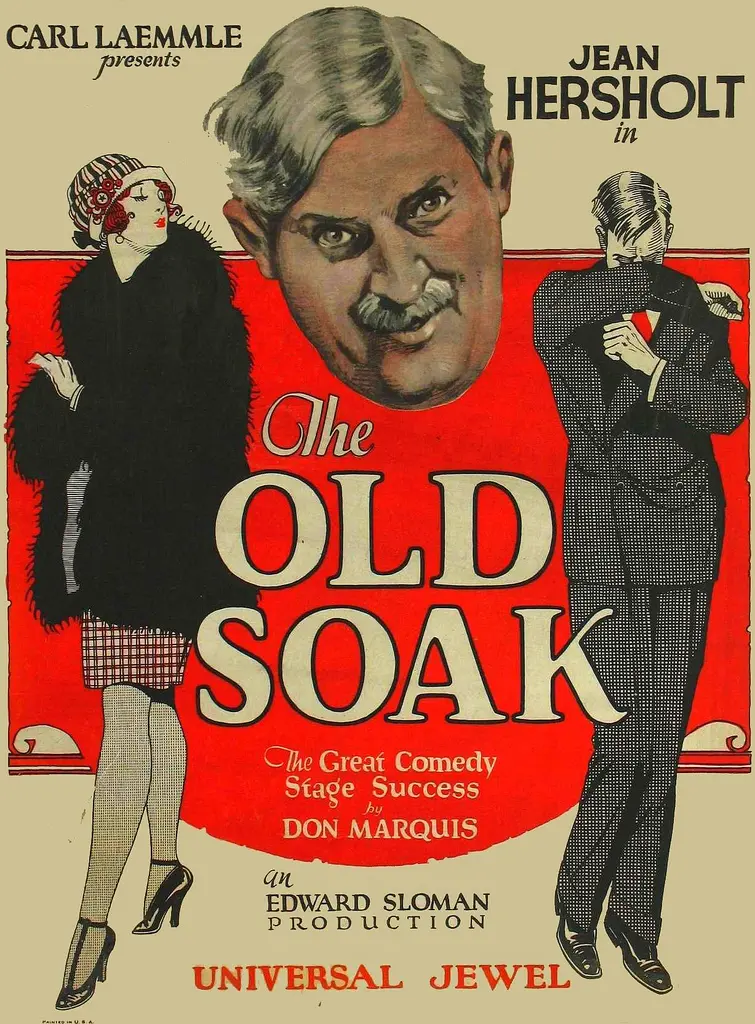
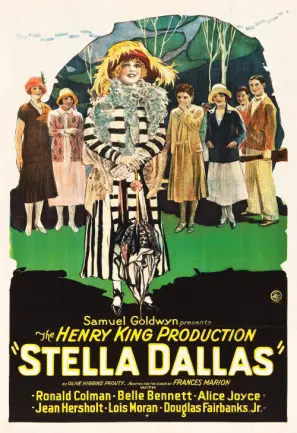
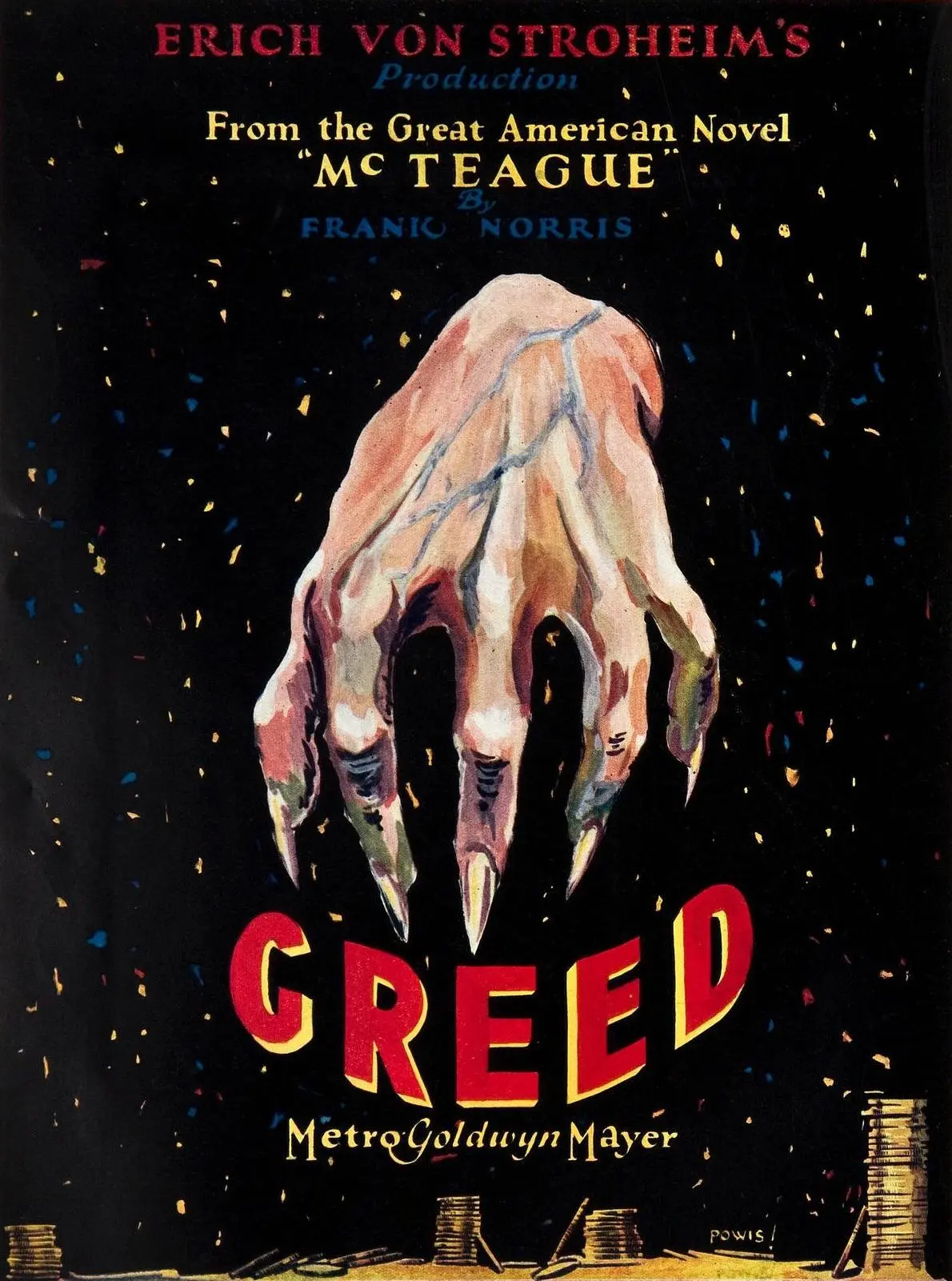
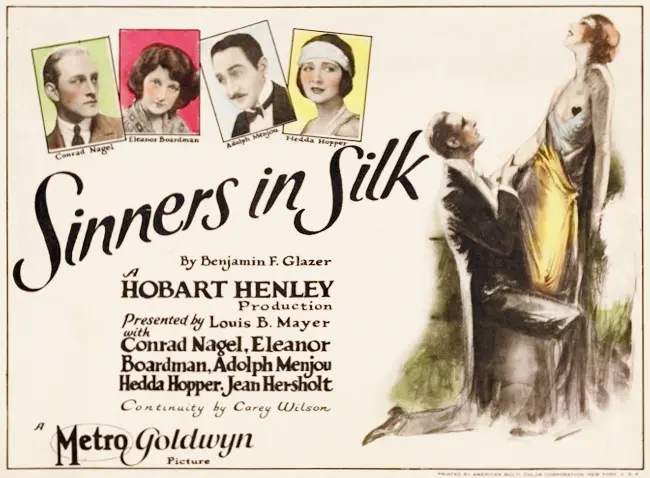
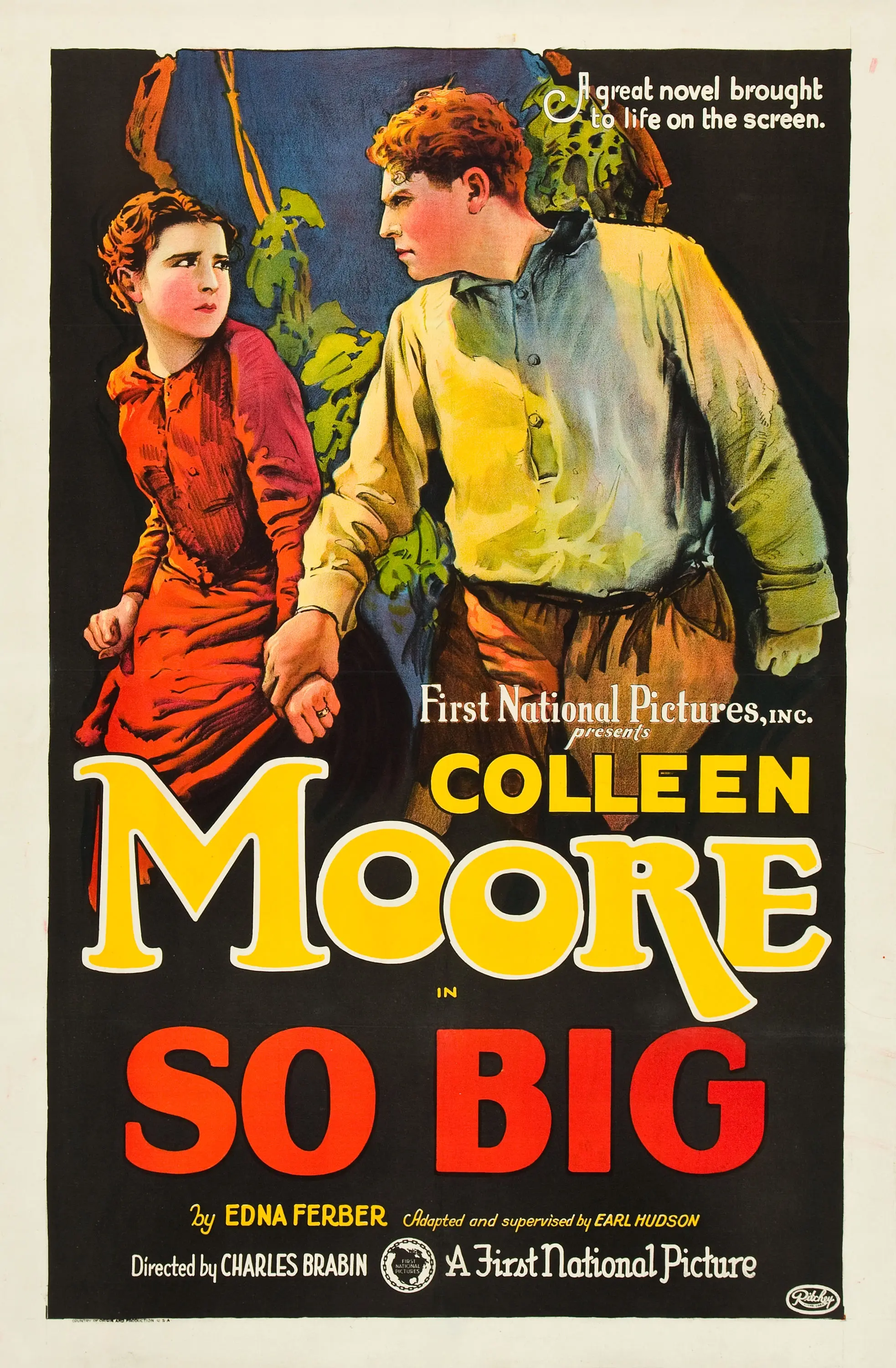
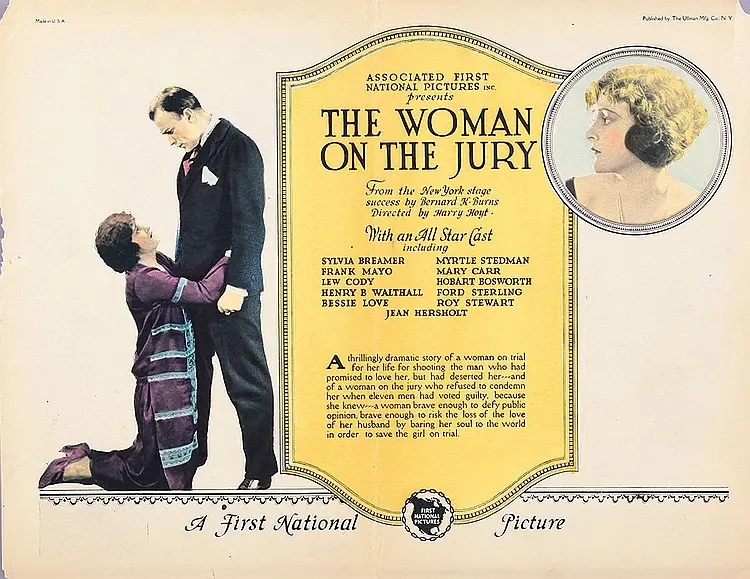
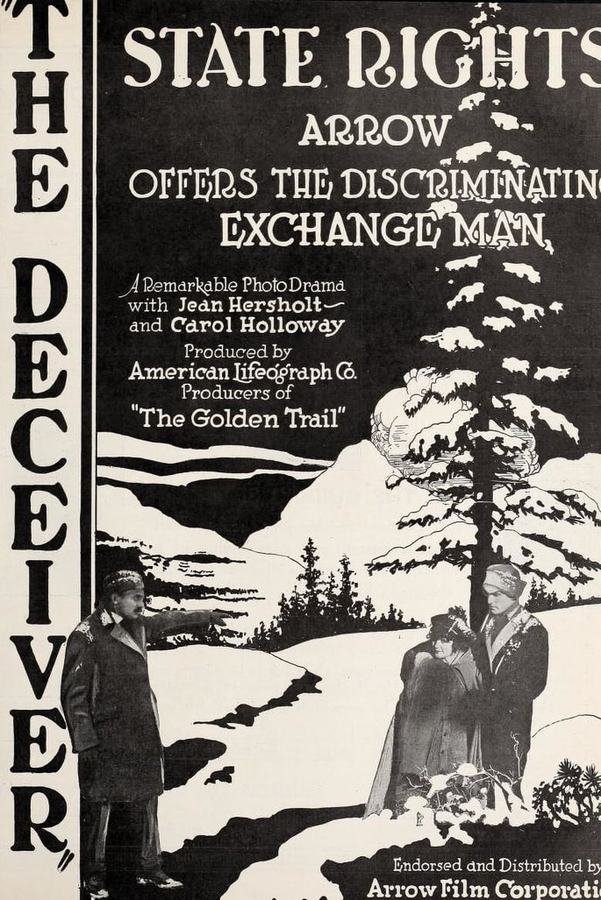
Jean Hersholt arrived in the United States in 1913 with only a suitcase, a Danish theater pedigree, and the certainty that flickering images would one day speak louder than footlights. A year later he stepped off the Southern Pacific in Los Angeles, slipped onto a silent set as an anonymous face in the crowd, and by 1917 had clocked seventeen on-screen blinks—more cameos than most actors collect in a lifetime. The 1920s cast him as the devil you couldn’t ignore: slum landlords, blackmailers, traitors with eyes like cold iron. His Marcus Schouler in Erich von Stroheim’s nine-hour *Greed* (1924) survived Death Valley’s 120-degree heat, a twenty-seven-pound sweat-loss, and an editor’s shears that left most of his performance on the cutting-room floor. Audiences never saw the reels that vanished, but they remembered the venom that stayed. Sound pulled back the curtain and revealed a voice—soft, rounded, faintly Nordic—that could soothe as well as scold. Studios handed him stethoscopes, diplomas, and reading glasses: Dr. Otternschlag in *Grand Hotel* (1932), the quarantine officer in *Dinner at Eight* (1933), the benevolent grandfather who lets Shirley Temple’s Heidi climb the Alps of his heart (1937). When Canada’s Dionne quintuplets made world news, Hollywood stitched the event into *The Country Doctor* (1936) and Hersholt stepped in as the calm obstetrician, a dress rehearsal for the role that would outlast every billing. On a quiet evening in 1937 he borrowed Hans Christian Andersen’s surname, added “Doctor,” and spoke the first lines of *Dr. Christian* into a radio microphone. The prescription worked: six films at RKO, a novelization, and a television hand-off in 1956 while cancer whittled him down to ninety-five pounds. Even then he showed up on set, letting Macdonald Carey take the bag while he offered the smile that had launched a thousand fund drives. Off-screen he collected first editions the way other leading men collected sports cars, eventually shipping his trove of Anderseniana to the Library of Congress and translating the fairy tales into English whose gentle cadence still outruns every newer version. The Motion Picture Relief Fund—hospital, retirement home, safety net—became his other full-time studio; the Academy answered with two Oscar statuettes and, later, an annual humanitarian award carved in his name. He died in 1956, but the fund still signs its checks where his fingerprints linger, and somewhere a child puzzling over “The Little Match Girl” reads a line Hersholt rescued from private letters and breathes into new life—proof that a great Dane can also be a great heart, long after the last reel fades to black.