Donovan Steele returns to Quebec to be married and finds his fiancée in the arms of another man. This shatters his faith in God and woman alike, and he takes to the wilderness, becoming known as "the man who denies God.
The silent era of cinema frequently grappled with the gargantuan themes of theological erosion and the reclamation of the soul, yet few films approach these motifs with the jagged, unwashed intensity found in A Woman's Faith (1925). This is not merely a melodrama of the North; it is a cinematic hagiography of the disil...

still_frame
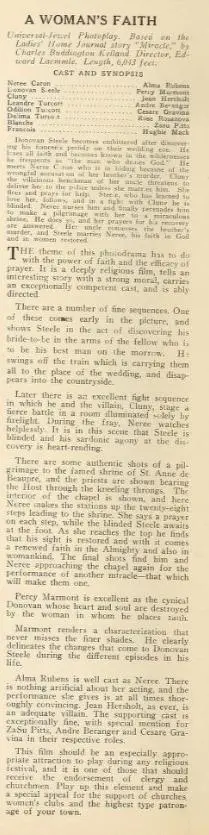
publicity
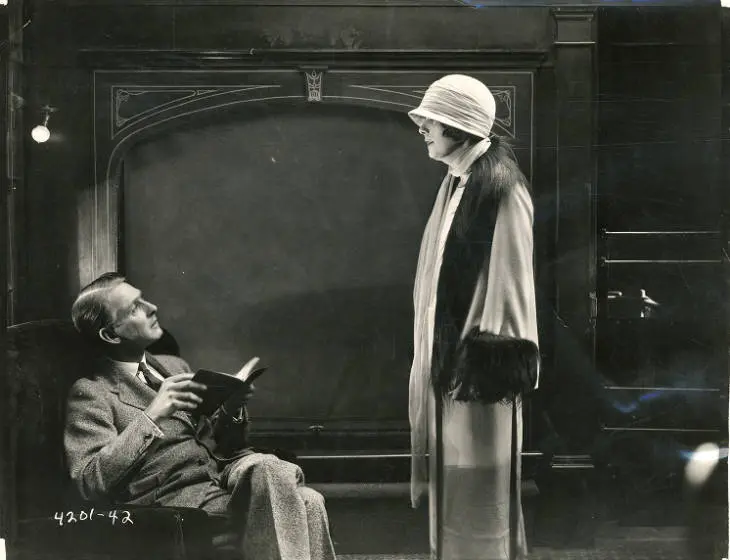
still_frame

still_frame
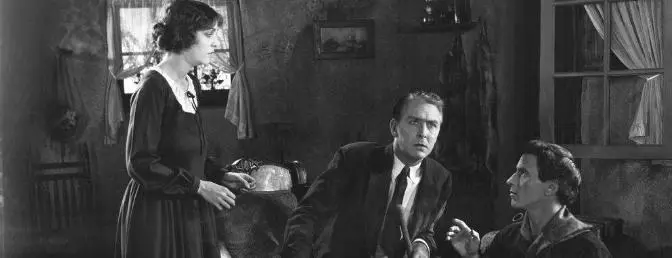
publicity

Comparing the cinematic DNA and archive impact of two defining moments in cult history.
Edward Laemmle

Dallas M. Fitzgerald
Community
Log in to comment.
"The silent era of cinema frequently grappled with the gargantuan themes of theological erosion and the reclamation of the soul, yet few films approach these motifs with the jagged, unwashed intensity found in A Woman's Faith (1925). This is not merely a melodrama of the North; it is a cinematic hagiography of the disillusioned. Directed with an eye for both the monumental and the minute, the film serves as a visceral exploration of what happens when the moral compass of a man is not just broken,..."
Clarence Budington Kelland, C.R. Wallace, Edward T. Lowe Jr.
United States

Deep dive into the cult classic
Discover similar cinematic experiences
A Directorial Spotlight on Edward Laemmle