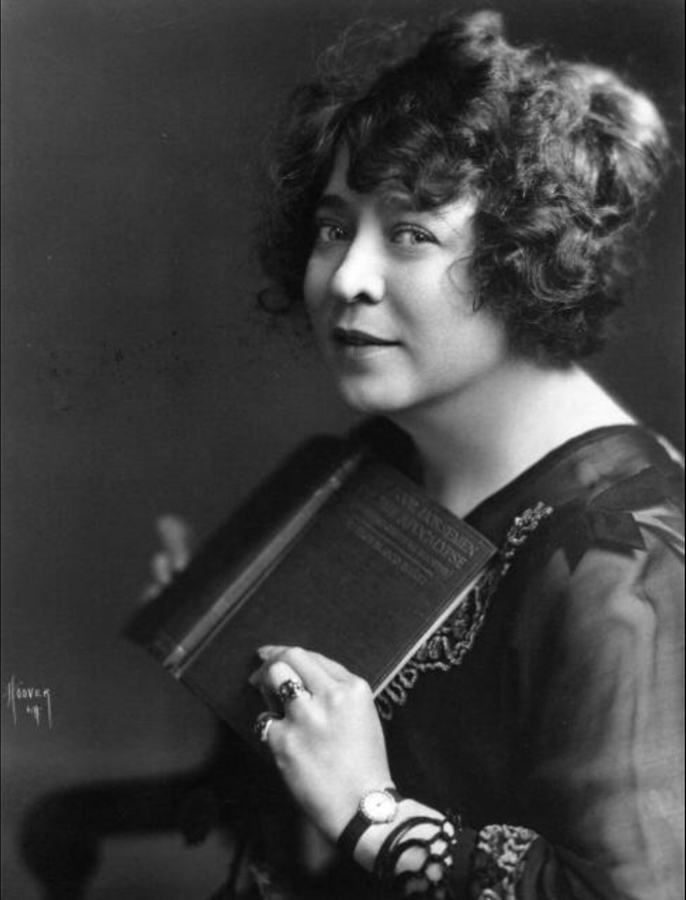
June Mathis
editor, editorial_department, writer
- Birth name:
- June Beulah Hughes
- Born:
- 1887-01-30, Leadville, Colorado, USA
- Died:
- 1927-07-26, New York City, New York, USA
- Professions:
- editor, editorial_department, writer
Biography
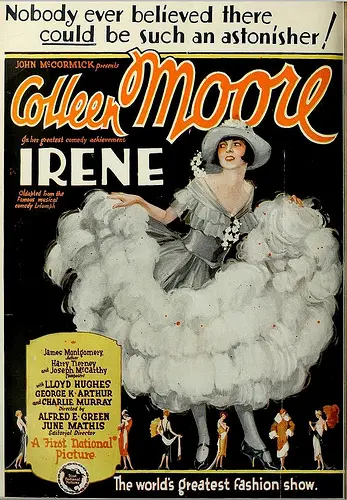
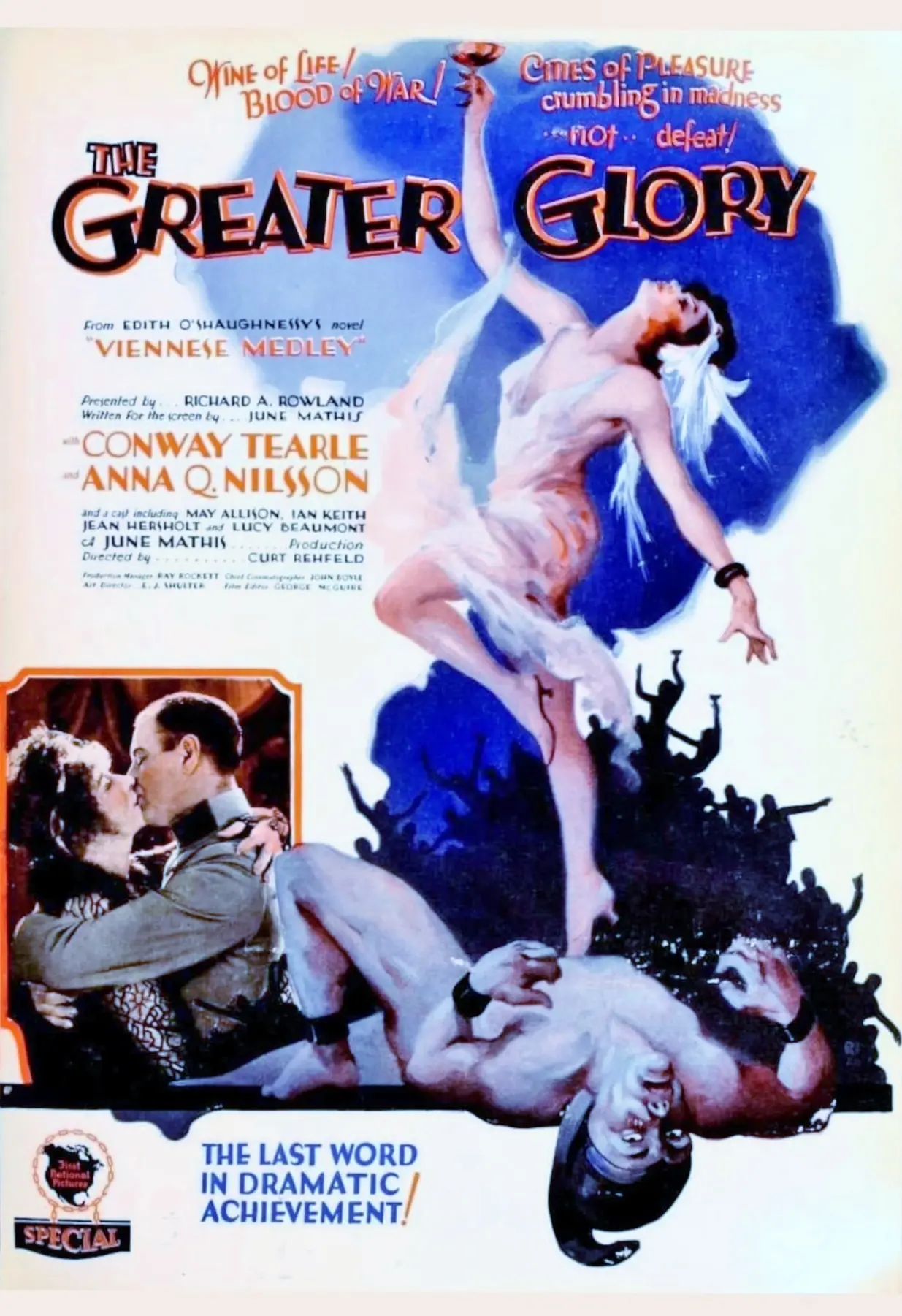
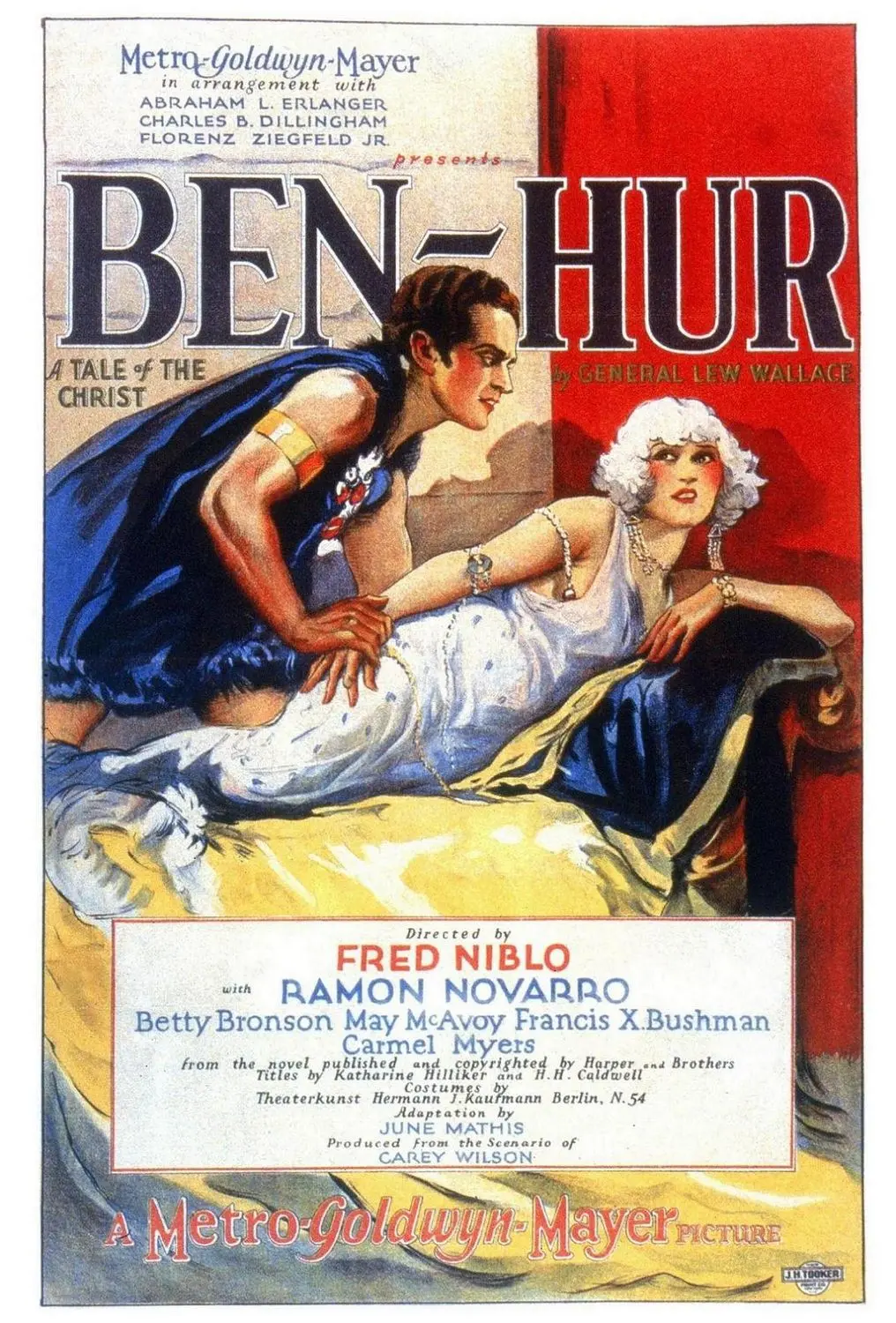
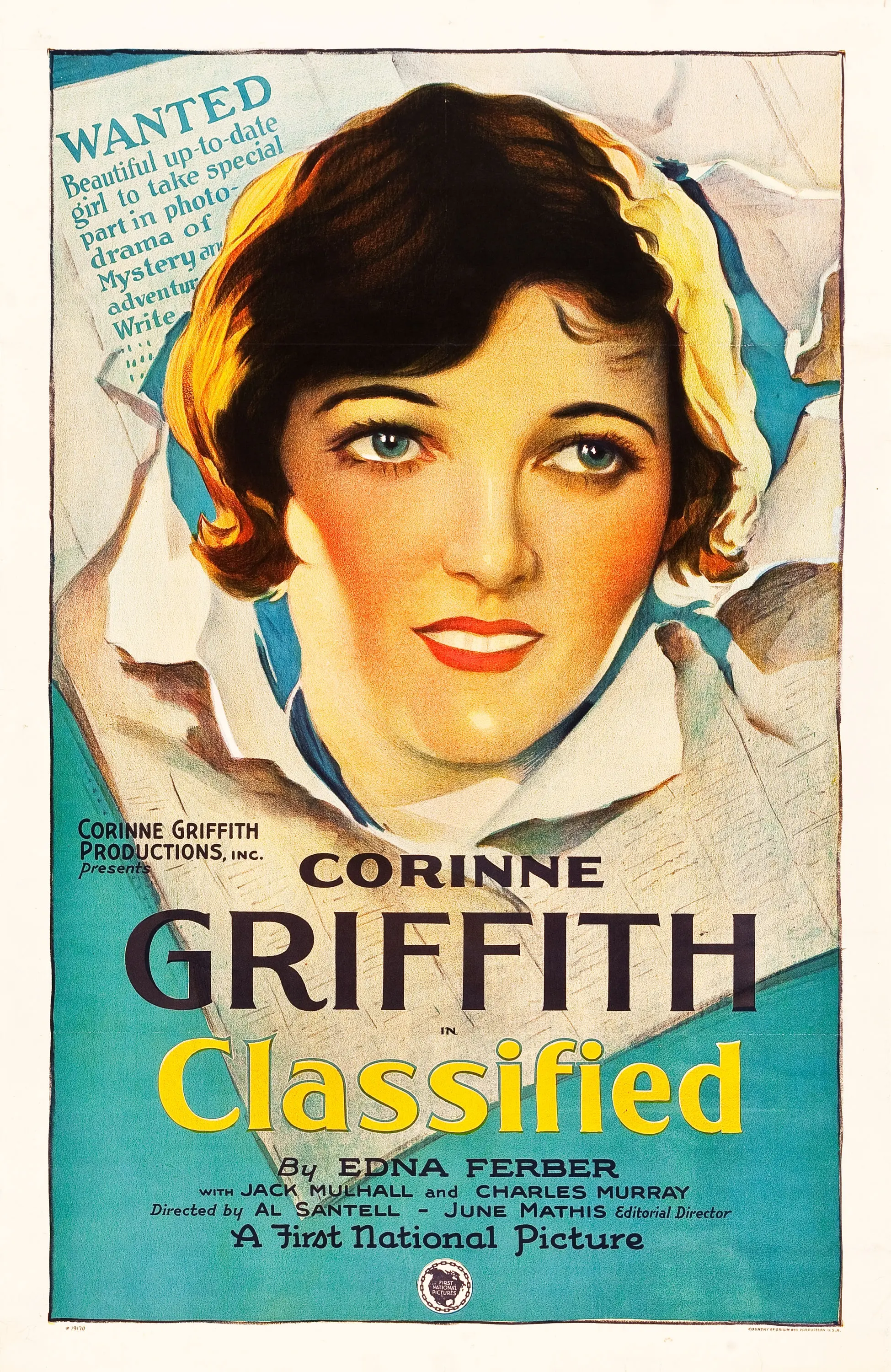
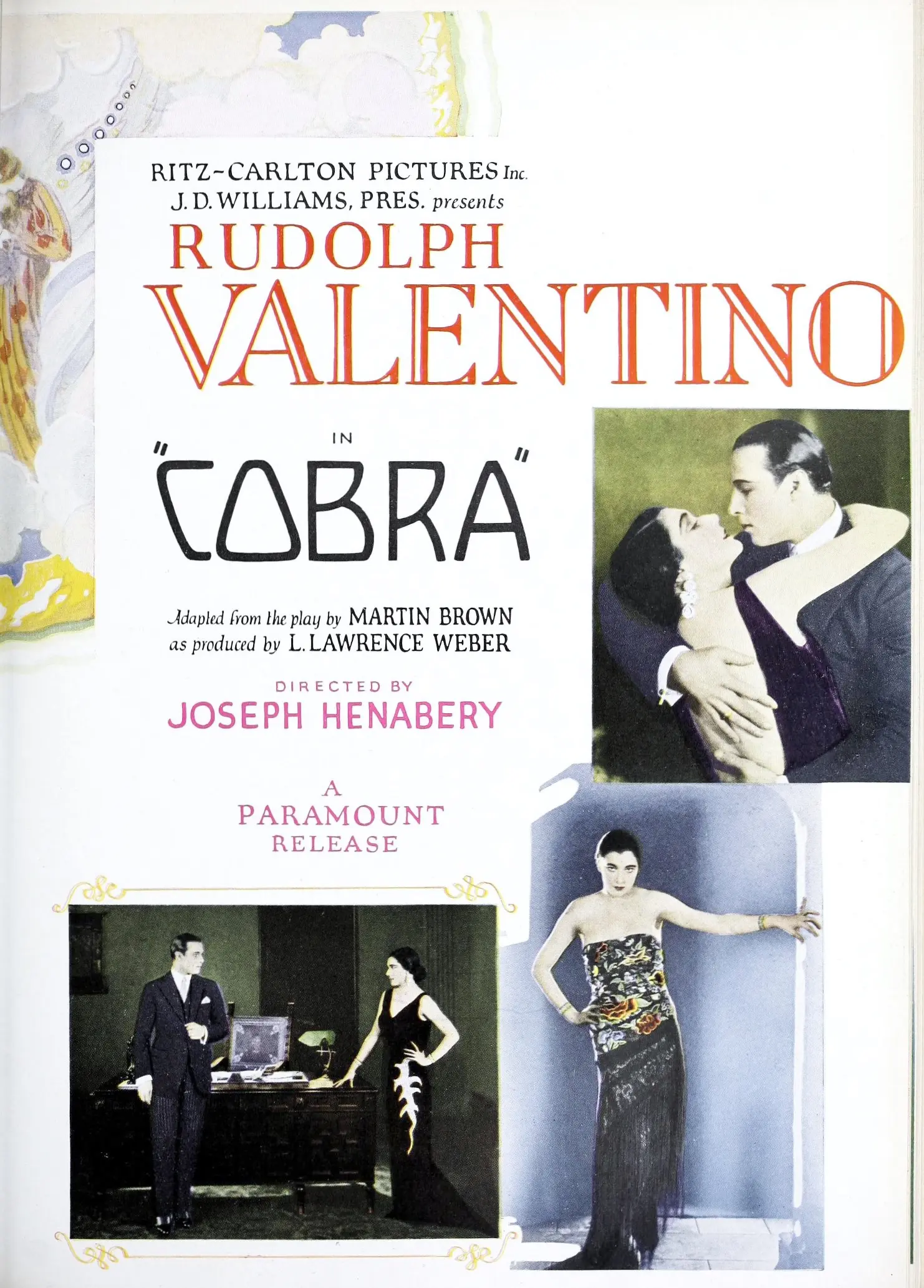
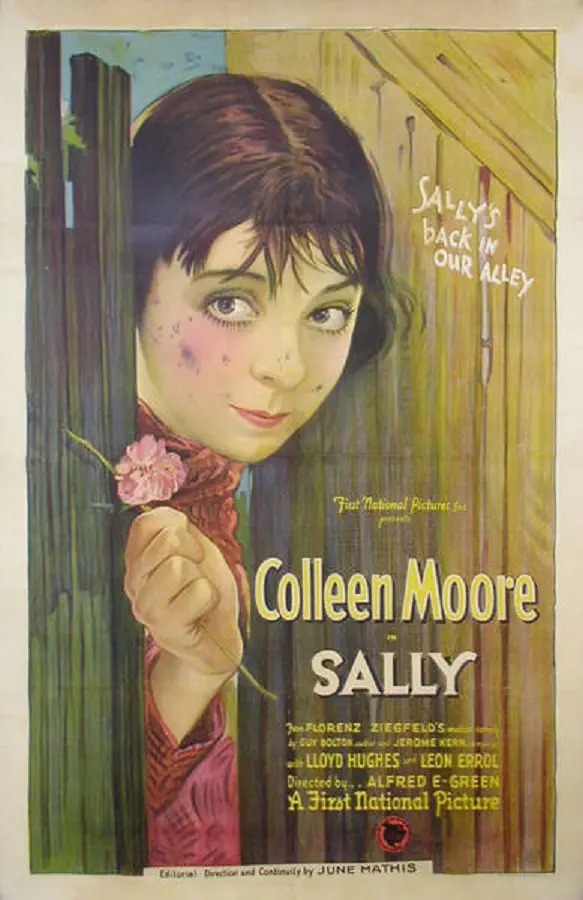
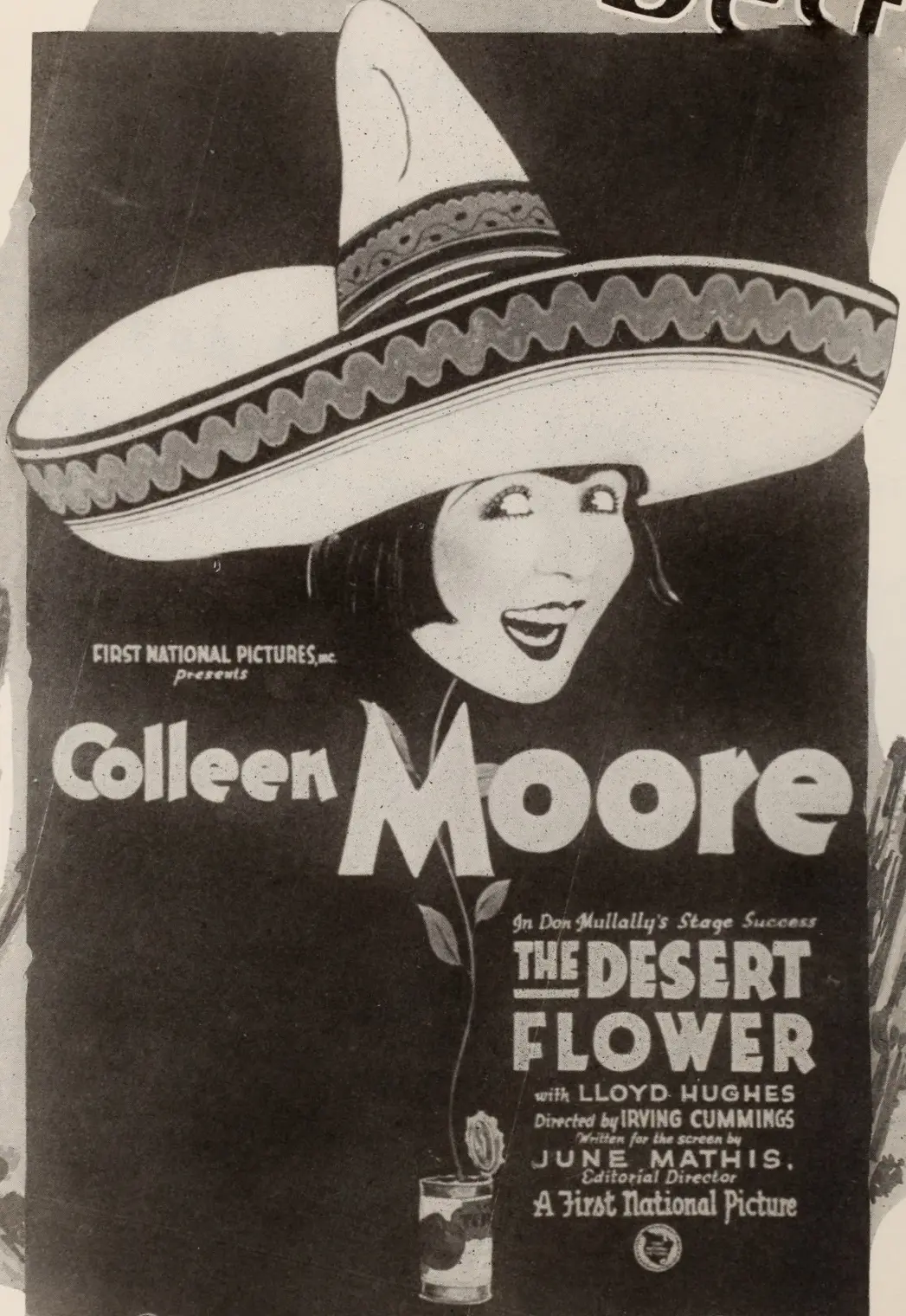
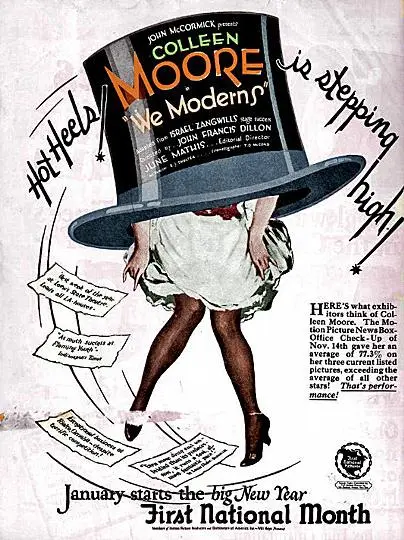
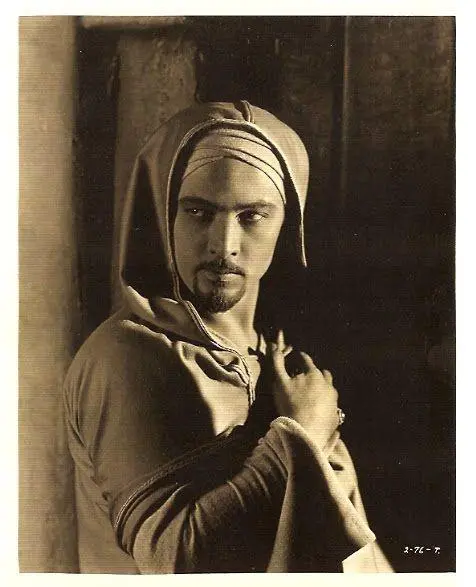
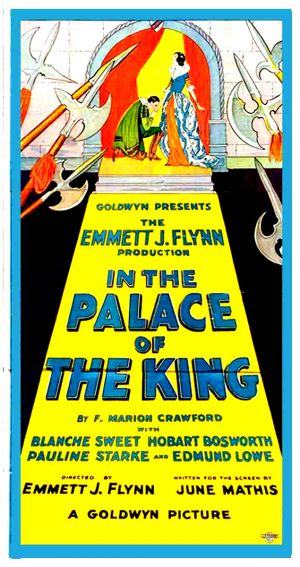
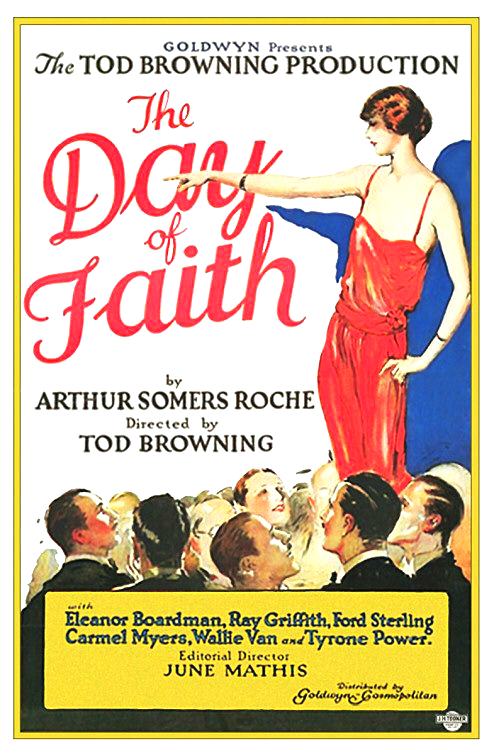
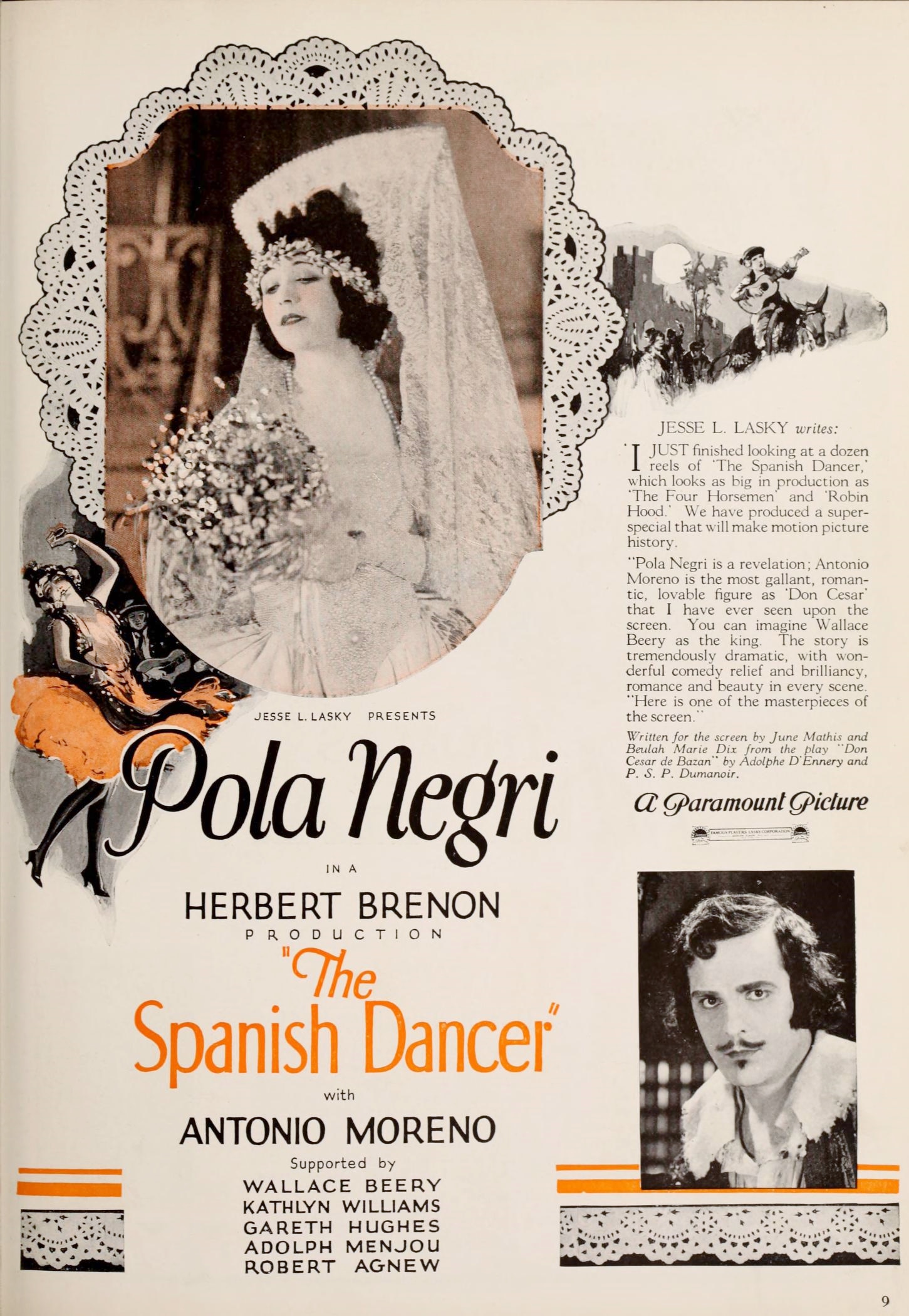
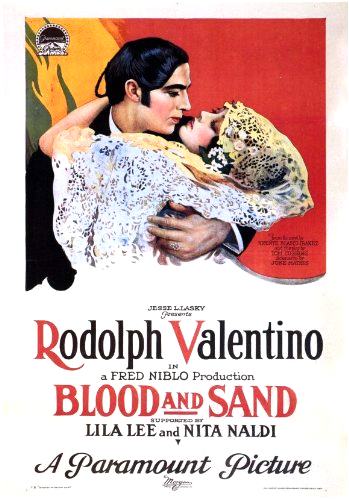
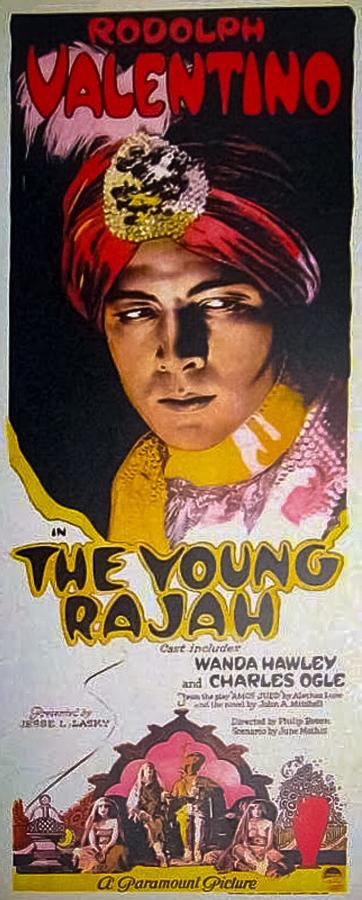
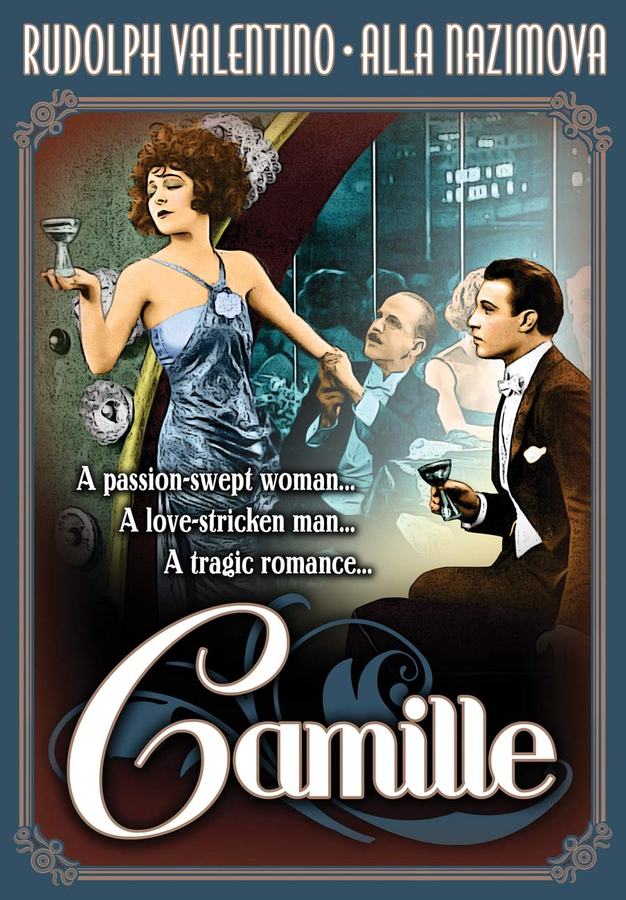
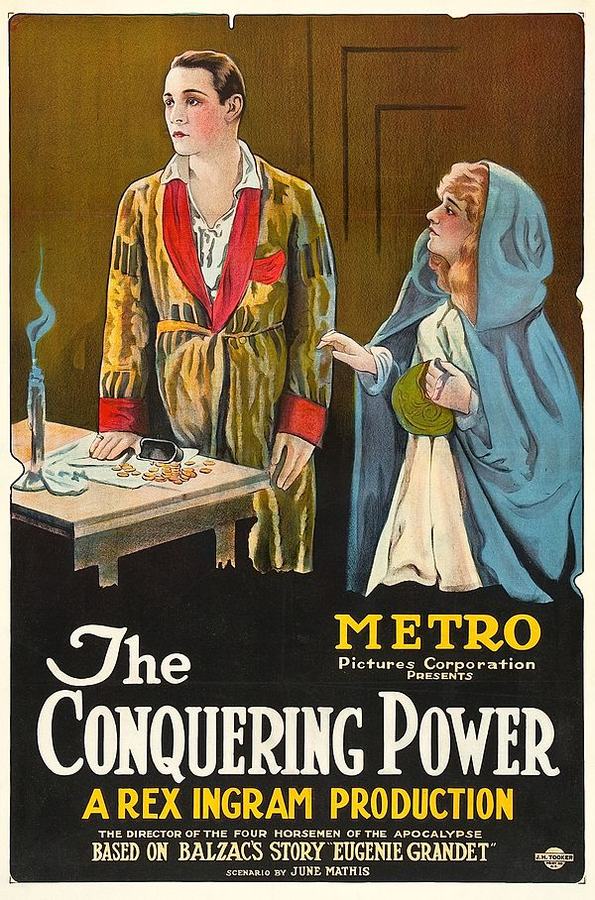
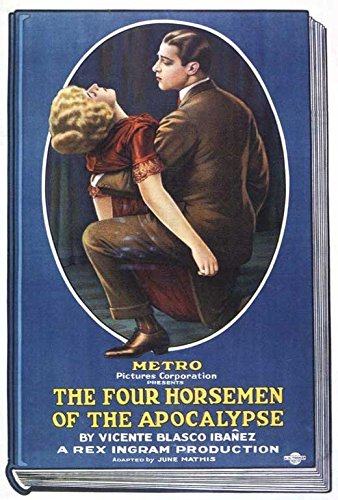
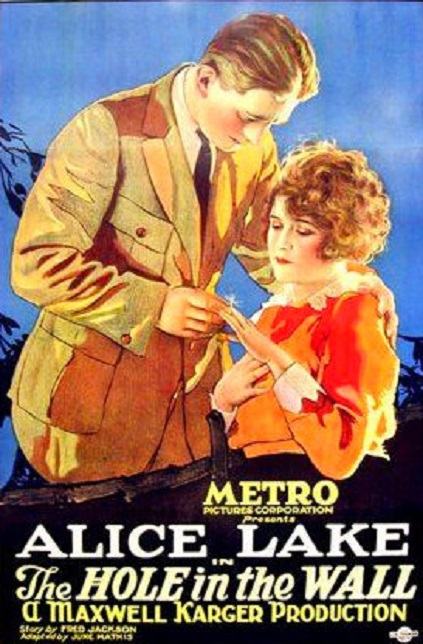
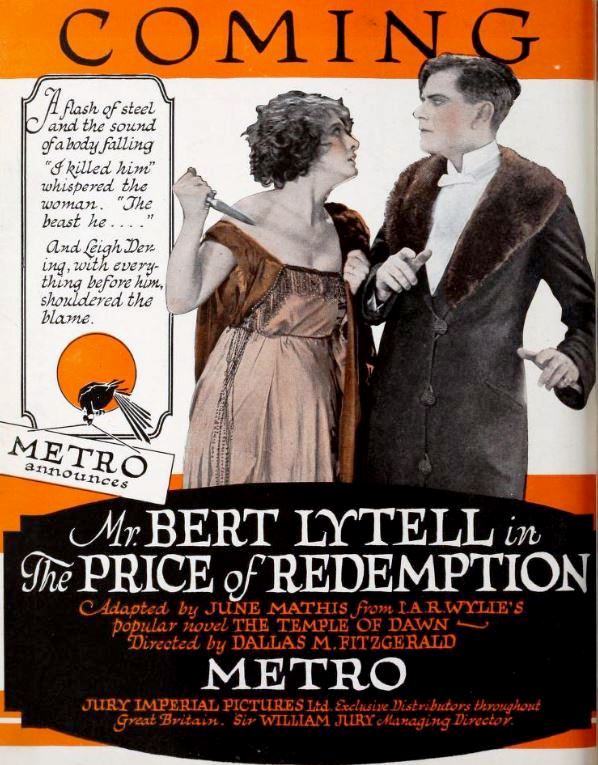
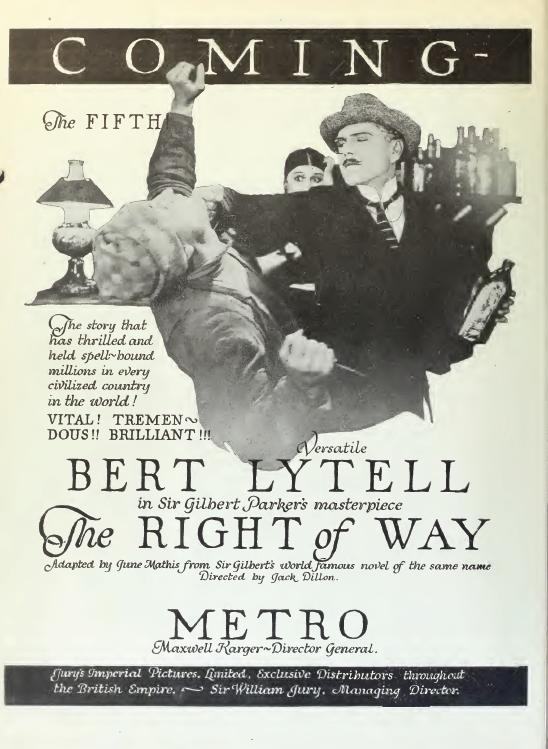
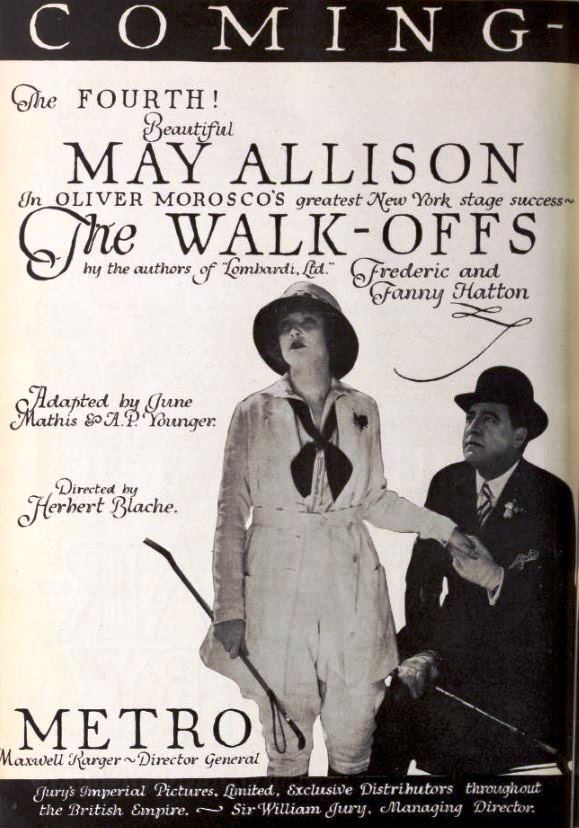
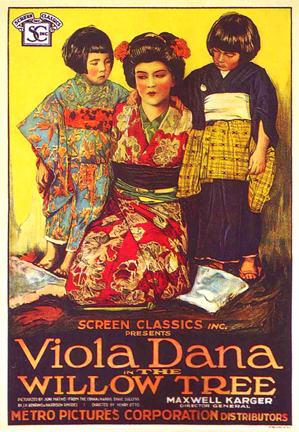
[ "Born June Beulah Hughes in 1887 in the mining town of Leadville, Colorado, the future industry titan took her stepfather William Mathis’s surname after her biological father’s early death. Though her travels were extensive, she remained a lifelong devotee of her childhood home, Salt Lake City. Her ascent began at age thirteen on the vaudeville circuit, where her talent for mimicry and dance eventually propelled her to San Francisco’s Orpheum stage. By 1908, she was sharing the spotlight with Julian Eltinge in 'Brewster’s Millions,' followed by the 1912 smash 'The Fascinating Widow.' \n\nAfter a brief, experimental turn as a film actress around 1910, Mathis recognized her true calling was behind the scenes. She spent two years teaching herself the mechanics of the screen before entering a script competition. While she didn't take the top prize, her work caught the attention of Edwin Carewe, leading to her first produced screenplay, 'The House of Tears' (1915). Her rise at Metro Pictures was meteoric; by 1918, she was the primary voice for stars like Francis X. Bushman and Alla Nazimova. Breaking a major glass ceiling, she became the head of the scenario department—the first woman to ever hold an executive position in film.\n\nHer greatest triumph came with 'The Four Horsemen of the Apocalypse' (1921). Mathis exerted total creative control, hand-selecting director Rex Ingram and pluckily casting a then-unknown Rudolph Valentino. The film became a cultural juggernaut, outearning Charlie Chaplin’s 'The Kid' with a $9 million haul and securing its place as the sixth highest-grossing silent film ever made. Though she and Valentino briefly clashed over 'The Hooded Falcon' in 1924, they remained deeply connected until his death. During their peak collaboration at Famous Players-Lasky, she penned his defining hits, including 'Blood and Sand' (1922) and 'The Young Rajah' (1922).\n\nMathis’s career saw both immense power and friction. As editorial director at Goldwyn Pictures, she attempted to steer the massive production of 'Ben-Hur' (1925), but a clash with director Charles Brabin led to a disastrous production halt and a total creative reset under Fred Niblo. She eventually moved to First National, where she found joy writing comedies for Colleen Moore. Her personal life was marked by her marriage to Silvano Balboni, whom she met on the 'Ben-Hur' set, but her journey ended abruptly in 1927. At just 40 years old, a lifelong heart condition claimed her life during a Broadway show. She was interred in the crypt she had previously loaned to the bankrupt Valentino. Despite a posthumous legal battle where Balboni stripped her grandmother of her inheritance, Mathis’s legacy remains: a founding member of the Academy of Motion Picture Arts and Sciences and the third most powerful woman in early Hollywood, she was the visionary who transformed Valentino from a bit player into an immortal icon." ]