
Cult Cinema
The Alchemical Afterglow: Unearthing Cult Cinema's Enduring Enchantment from Early Film's Anomalies

“Dive into the mysterious origins of cult cinema, tracing its magnetic appeal from the forgotten reels and transgressive narratives of early film to the fervent communities they inspire today. This article explores how cinematic anomalies, once overlooked, transmute into enduring objects of obsession…”
Cult cinema. The very phrase conjures images of midnight screenings, fervent fan theories, and narratives that defy mainstream sensibilities. These are films that, for myriad reasons, bypass immediate widespread acclaim only to find an enduring, often passionate, following years, or even decades, later. But what is the true genesis of this cinematic phenomenon? To understand the enduring enchantment of cult films, we must journey back to the flickering shadows of early cinema, where the first sparks of rebellion and narrative audacity laid the groundwork for a counter-cultural movement that would redefine the relationship between audience and art.
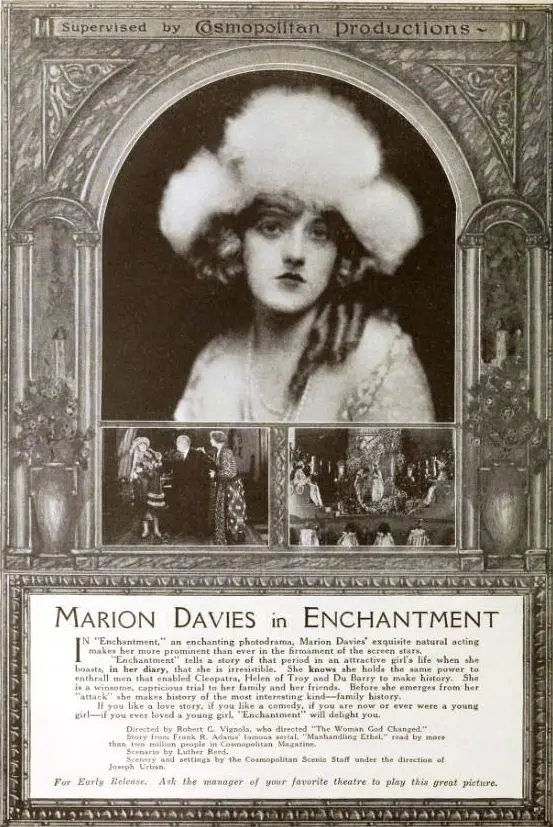
The landscape of early filmmaking, particularly from the 1910s and 1920s, was a crucible of experimentation and nascent storytelling. Before strict genre conventions solidified, and before the Hays Code clamped down on moral ambiguity, filmmakers often operated with a freedom that, in retrospect, appears remarkably transgressive. These early works, frequently dismissed as melodramatic or technically primitive, often contained the very DNA of what we now recognize as cult classics: unconventional themes, challenging moralities, and a raw, unfiltered emotionality that resonated with niche audiences.
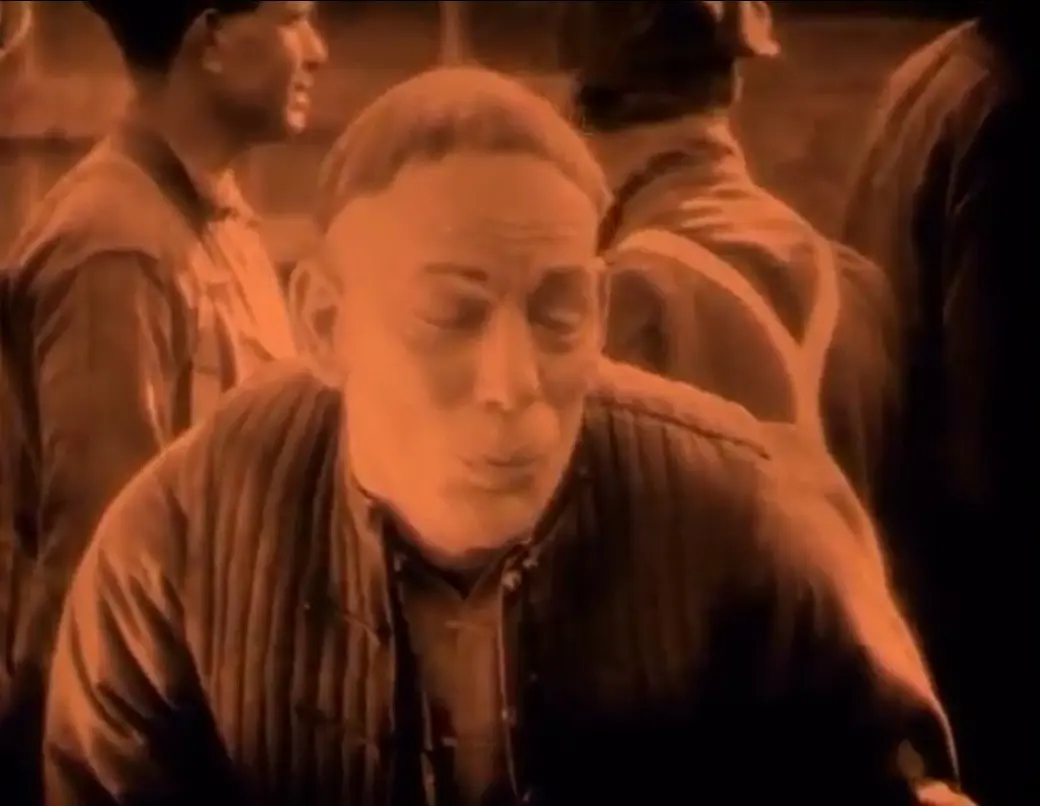
The Birth of Maverick Narratives: Challenging the Conventional
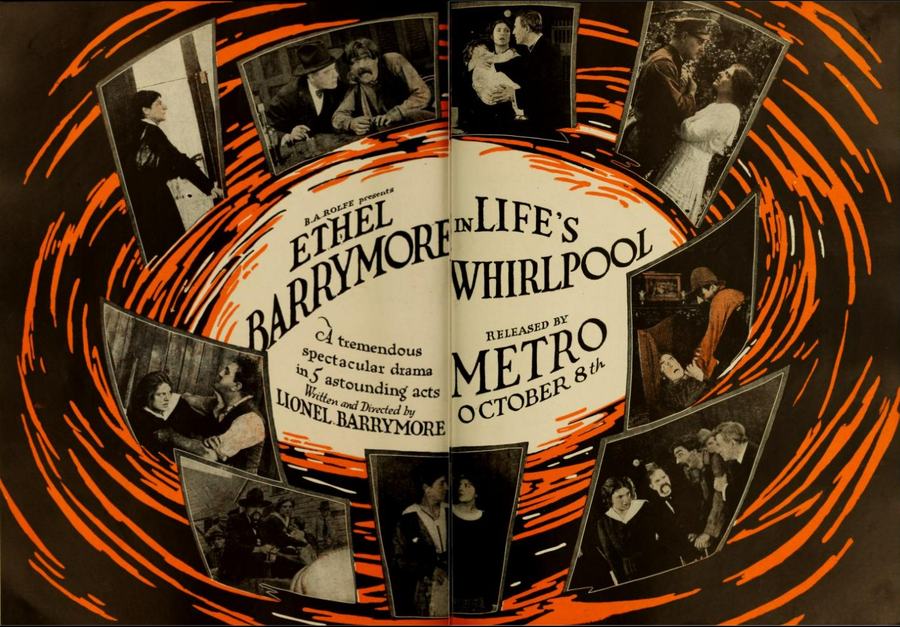
Many of the films from cinema's nascent years, while seemingly simple on the surface, were quietly revolutionary. They explored themes that pushed against the prevailing societal norms, often through stark melodrama or daring character studies. Imagine the audience grappling with the moral complexities presented in films like Life's Whirlpool, where a cold, heartless husband leaves a young woman alone after caring for her invalid father, or the desperate measures taken in The Price Woman Pays, depicting the perils faced by young girls deceived by wicked boys. These weren't just cautionary tales; they were unflinching looks at human frailty, betrayal, and the harsh realities of a changing world.

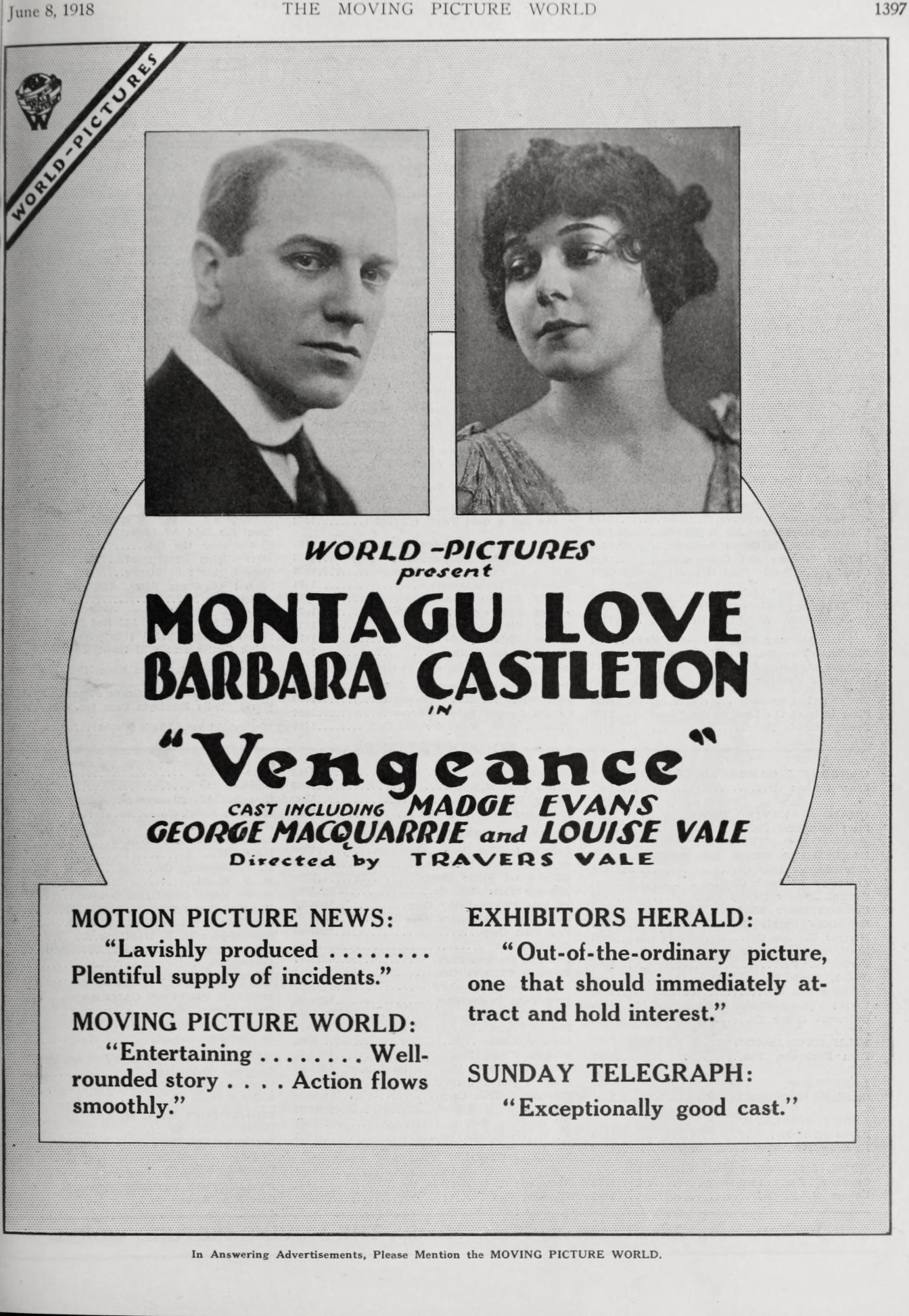
Consider also the narratives that delved into personal vendettas and the dark side of human nature, such as the intense drama of Vengeance, where an officer accused of cheating leaves England only to marry in India, setting off a chain of events. Or the raw emotional turmoil in The Blindness of Divorce, where a wrongful suspicion shatters a family, leading to profound consequences for a daughter. These stories, while perhaps intended as moralistic dramas, often presented flawed characters and ambiguous situations that invited deeper interpretation and identification from those who felt outside the mainstream.
The very structure of these early films, unburdened by the sophisticated narrative techniques of later eras, could contribute to their unique appeal. Their raw, almost theatrical presentation, often with exaggerated performances and direct emotional appeals, created an immediacy that could be both unsettling and deeply engaging. This primal storytelling, stripped of elaborate effects, forced audiences to confront the core human drama, making these films resonate on a visceral level.

Subversive Undercurrents in Genre Exploration
Even within emerging genres, early filmmakers injected a subversive spirit. Westerns, for instance, were ripe for exploring themes of justice, honor, and the rugged individual. Films like The Honor of the Range or Roarin' Dan might present classic cowboy archetypes, but often with nuances that explored moral ambiguities or challenged simplistic notions of heroism. A 'cowboy of good intentions but addicted to gambling' or a ranger investigating a 'missing' comrade introduced layers of complexity that transcended simple good-versus-evil narratives.

The adventure genre also provided a canvas for exploring unconventional themes. An Adventuress, with its three American adventurers caught in a European political struggle, or The Rainbow Trail, depicting characters living like primitive people after being imprisoned, hint at narratives that ventured far beyond conventional escapism. These films, through their exploration of uncharted territories both physical and moral, spoke to an audience yearning for stories that mirrored their own feelings of displacement or desire for rebellion against the mundane.
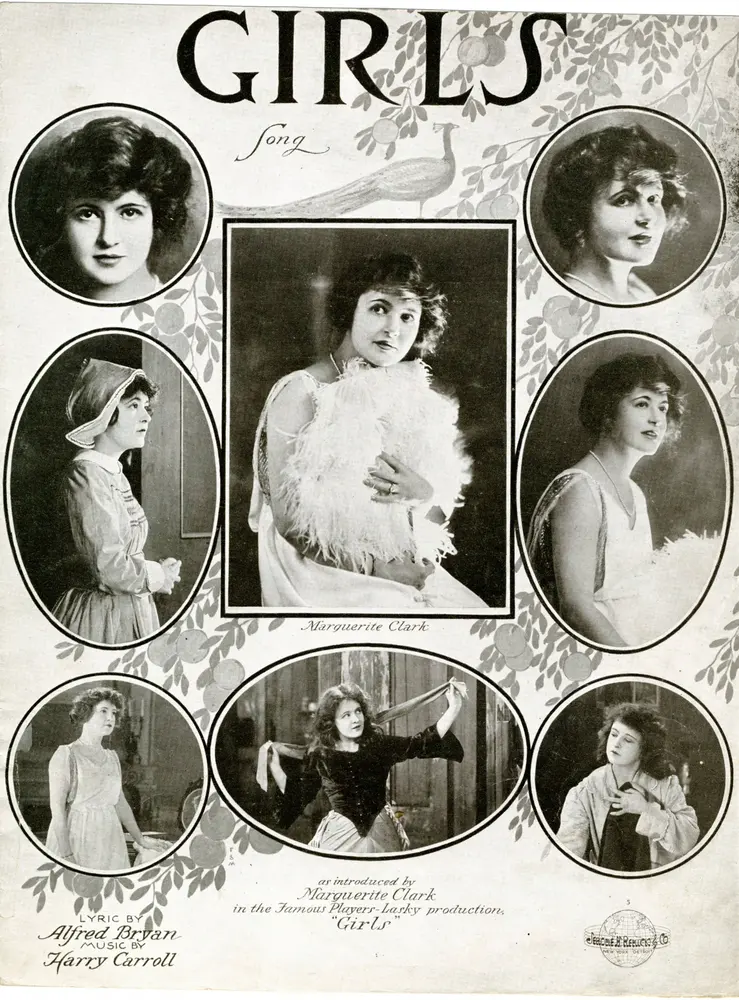
The Aesthetics of the Unconventional: Visuals and Melodrama
Early cinema's visual language, still in its formative stages, often possessed an inherent strangeness that, for modern viewers, aligns perfectly with the cult aesthetic. The stark black and white cinematography, the often dreamlike quality of silent film, and the reliance on expressive gestures and intertitles created a unique, almost alien, viewing experience. Films like Drei Nächte or Il fiacre n. 13, though their specific narratives are lost to many, likely relied on powerful visual storytelling and heightened emotion to convey their impact.
Melodrama, a dominant mode of storytelling in this era, is often seen as a cornerstone of cult cinema. Its heightened emotions, dramatic reversals, and focus on moral struggles, while sometimes derided, can be incredibly potent. The story of Joan of the Woods, where a lawyer deserts his new wife for an old affair, or The Bride's Awakening, where a man marries for money and demands secrecy, are prime examples of narratives steeped in dramatic irony and tragic consequences. These exaggerated realities, far from alienating audiences, often create a space for deep emotional investment and, crucially, a sense of shared experience among viewers who appreciate their intensity.

The very imperfections or stylistic quirks of these early productions can also become part of their charm. A slightly off-kilter performance, an unexpected narrative detour, or a visually arresting but perhaps technically crude special effect can imbue a film with a unique personality. This 'weirdness factor' is often what initially draws a cult audience, who appreciate the film not despite its flaws, but often because of them. It's the human touch, the raw artistry, that bypasses polished perfection in favor of genuine expression.

Genre Defiance and Allegorical Depths
Some early films ventured into truly experimental or allegorical territory, foreshadowing the genre-bending nature of later cult classics. Consider Civilization, where Christ takes on the form of a pacifist count to end a senseless war. This audacious premise, blending religious allegory with anti-war sentiment, is precisely the kind of bold, perhaps even controversial, storytelling that would later attract dedicated cult followings. Similarly, The Barker, with its exploration of anarchists and political assassination, tackled themes that were far from light entertainment, pushing the boundaries of what cinema could address.
Even comedies and shorts, like Queens Are Trumps or But a Butler!, through their unique humor or unexpected twists, could cultivate a niche appeal. The sheer variety of early cinematic output meant that there was always something unusual lurking, waiting to be discovered by an audience receptive to its distinct charms. These films, often overlooked in the grander narratives of cinematic history, represent the diverse tapestry from which cult cinema's vibrant threads were spun.
The Alchemical Process: From Obscurity to Iconography
The true alchemy of cult cinema lies in its transformation from obscurity to iconography. Many early films, though perhaps not box office hits or critical darlings in their time, possessed an inherent magnetism. Their themes of societal critique, personal struggle, and moral defiance resonated with audiences seeking something beyond the conventional. Films such as The Law of Nature, depicting how drink ruins lives despite forgiveness, or Flames of the Flesh, where a betrayed woman seeks revenge on all men, tackled complex human failings with a raw intensity that could be both shocking and deeply empathetic.
The journey from initial release to cult status is often a long and winding one. It involves rediscovery, recontextualization, and the organic growth of a devoted following. A film might be forgotten for decades, only to be unearthed by a new generation of cinephiles who find its messages, aesthetics, or sheer oddity profoundly compelling. This process of reappraisal is critical to the cult phenomenon, allowing films to find their true audience when the cultural landscape is finally ready to embrace their unique vision.
Think of the power of a film like The Message of the Mouse, where a daughter's suspicion foils spies, or The Magic Eye, a World War I drama where a captain fears for his family. While these might have been genre pieces, their specific narrative quirks or the depth of their characterizations could have made them stand out, fostering a quiet appreciation that simmered beneath the surface of mainstream attention. Over time, these 'anomalies' become celebrated for their distinctiveness, their refusal to conform, and their ability to speak to a particular sensibility.
The Enduring Allure of the Fringe
Cult films often thrive on their position at the fringe. They are the cinematic outsiders, the misunderstood masterpieces, the accidental avant-garde. This outsider status is precisely what draws many to them. For audiences who feel alienated by mainstream culture, cult films offer a sense of belonging, a shared secret, a cinematic counter-culture. The very act of discovering and championing a lesser-known film becomes a badge of honor, a way to connect with others who share a similar, unconventional taste.
The early narratives, particularly those exploring human relationships and societal pressures, laid a vital foundation for this enduring allure. Midsummer Madness, with its story of attraction between a neglected wife and her husband's friend, or The Lure of Jade, where a daughter's passion for collecting intertwines with past loves and jealousies, delve into the complexities of human desire and moral compromise. These deeply human stories, told with the nascent expressiveness of early cinema, found a resonance that transcended their initial commercial reception.
The Enduring Congregation: Fandom and Lasting Impact
The ultimate hallmark of a cult film is its dedicated community. These are not passive viewers; they are active participants, enthusiasts who dissect every frame, memorize every line, and celebrate the film's unique spirit. This collective devotion transforms a mere film into a cultural artifact, a touchstone for a specific subculture. The early examples of transgressive or unconventional cinema, though not initially supported by organized fandoms in the modern sense, nevertheless sparked conversations and connections among those who appreciated their singular vision.
The narratives of early cinema, which often grappled with powerful moral and emotional dilemmas, fostered a sense of shared experience. When a film like The Little Girl That He Forgot, an orphan's tale of affection and a manly lumberman, touched audiences, it did so on a deeply personal level. These stories, whether they were tales of redemption, rebellion, or tragic romance, created a bond between the film and its viewers, forging the initial, invisible threads of what would later become organized fandom.
Cult cinema, from its earliest sparks, represents a vital aspect of cinematic history: the power of films to resonate beyond their immediate context, to challenge expectations, and to foster communities. It's a testament to the idea that art, even when initially overlooked or misunderstood, can find its moment, its people, and its lasting legacy. The alchemical afterglow of these early cinematic anomalies continues to illuminate new pathways for understanding film's profound and often unexpected impact on culture.
From the silent era's bold character studies to the genre-defying experiments that followed, cult cinema has always been about more than just entertainment. It's about identity, rebellion, and the search for meaning in the margins. It reminds us that the most profound cinematic experiences often lie beyond the well-trodden path, waiting to be discovered by those with an open mind and a yearning for the truly extraordinary. The spirit of these early mavericks and their unconventional tales lives on, continuing to inspire new generations of filmmakers and devoted cinephiles alike, proving that some cinematic enchantments, once cast, are truly everlasting.
Community
Comments
Log in to comment.
Loading comments…