
Cult Cinema
The Alchemical Shadows: How Early Cinema's Misfit Narratives Forged the Cult Movie Soul
“A deep dive into the primal DNA of cult cinema, tracing how early 20th-century outliers and genre-defying narratives created the blueprint for today's midnight movie obsession.”
To understand the modern phenomenon of the midnight movie, one must look past the neon-soaked aisles of 1970s grindhouses and peer into the flickering, monochrome shadows of the early 20th century. Before the term “cult cinema” was ever uttered by a critic, the seeds of the unconventional, the transgressive, and the beautifully bizarre were already being sown in the silent era. This was an age of experimentation, where the lack of a rigid industrial code allowed for narrative mutations that continue to pulse through the veins of cinema today.
The Genesis of the Cinematic Outlier
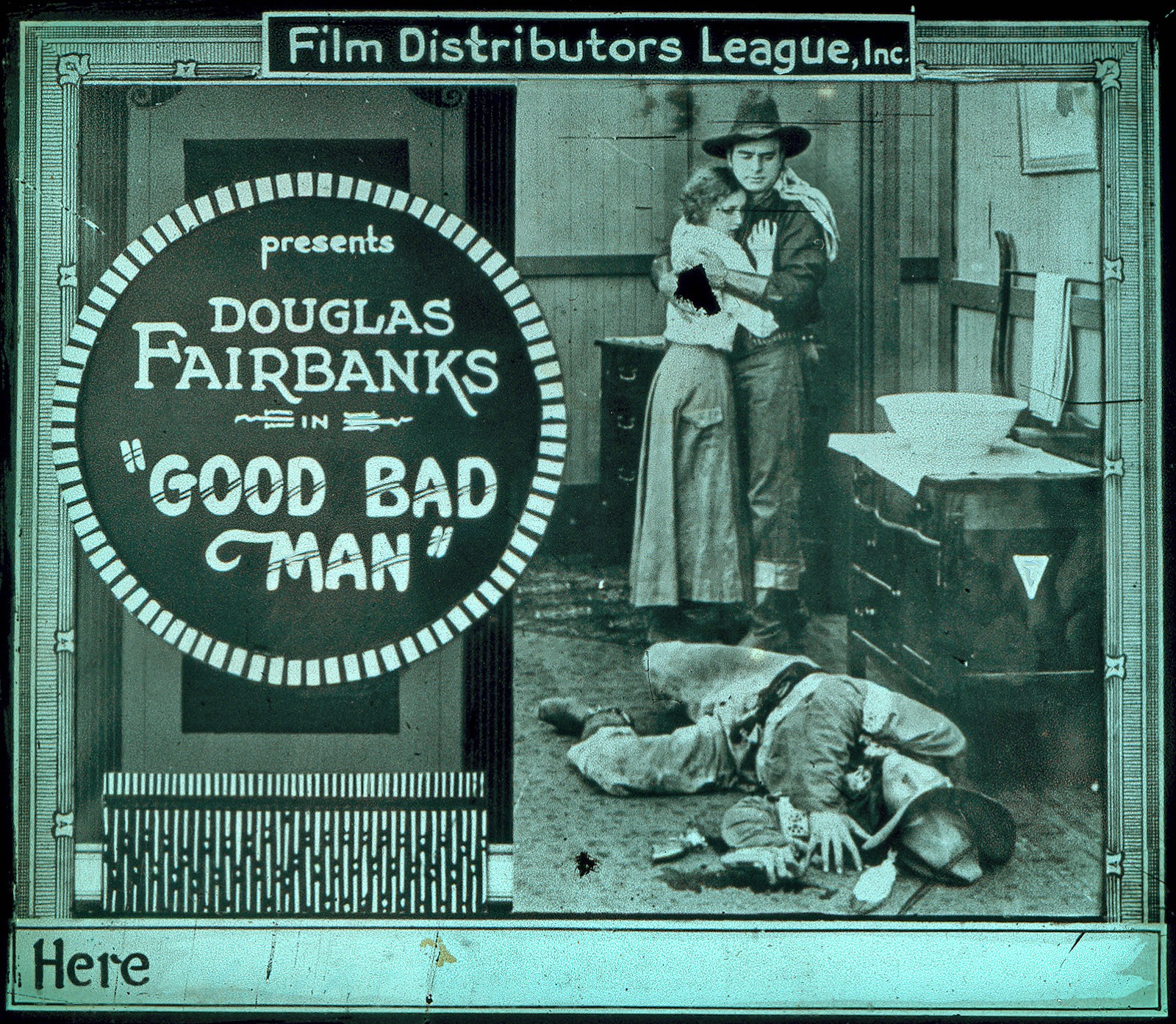
Cult cinema is rarely about the mainstream; it is a sanctuary for the misfit. In the early 1910s and 20s, films like The Good Bad-Man (1916) began to challenge the simplistic morality of the Victorian age. By presenting an outlaw who halts his criminal ways to assist children in need, the film introduced a moral ambiguity that would later become a staple of cult icons. These are characters who exist on the periphery, much like the audiences who would eventually gather in the dark to worship them.
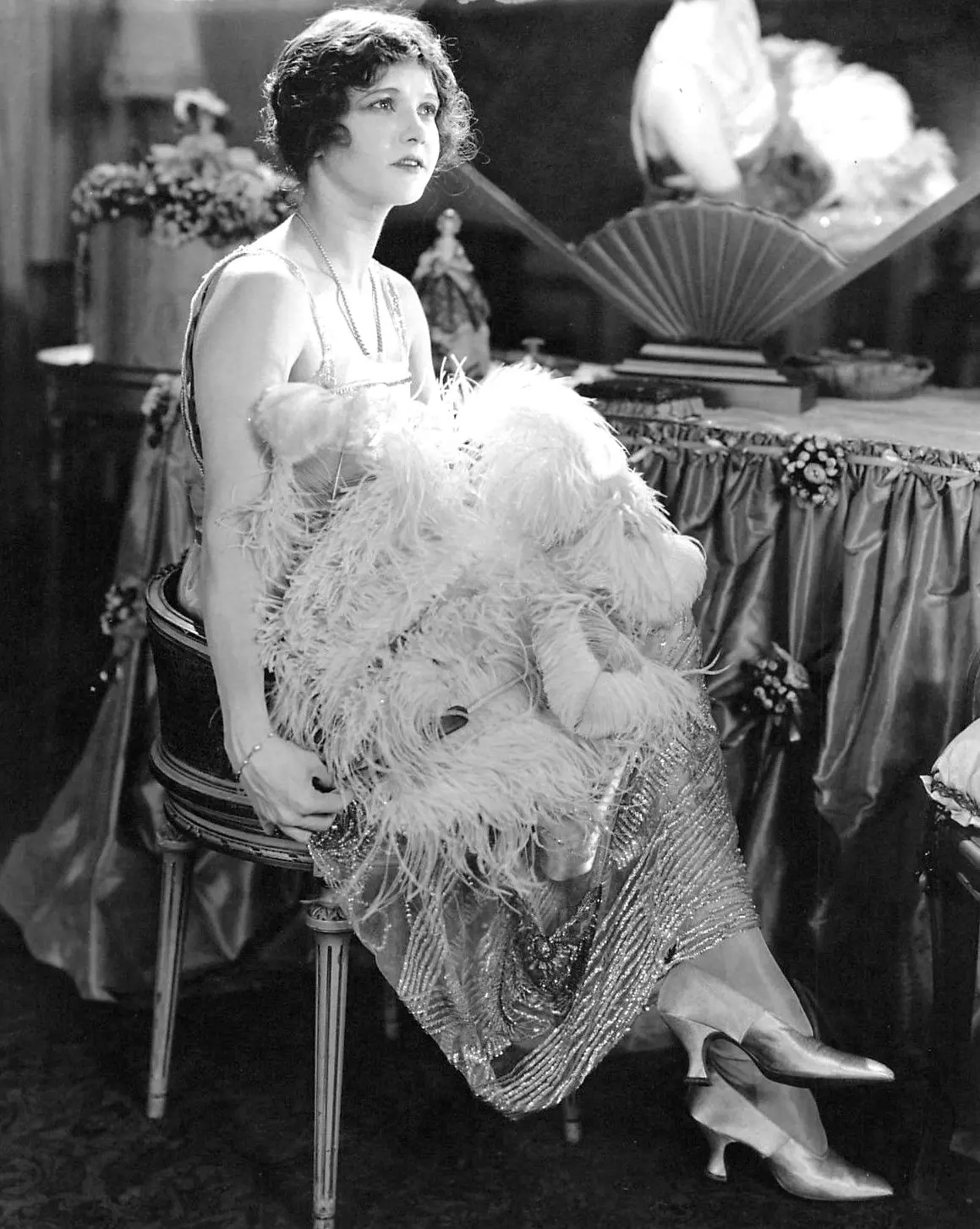
The very essence of a cult film lies in its ability to defy categorization. Take, for instance, The Affairs of Anatol (1921). On its surface, it is a high-society comedy-drama, but its episodic nature and cynical view of romantic fulfillment—where a socialite seeks something “better” only to be robbed or deceived—mirrors the fragmented, disillusioned narratives of modern cult classics. It is this refusal to provide a tidy, Hollywood-standard resolution that cements a film's status as a perennial outsider.
The Architecture of Social Defiance
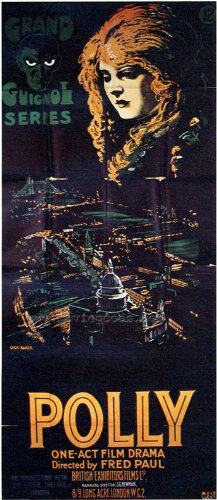
Many early films functioned as social experiments, pushing the boundaries of what was considered “proper” entertainment. Peppy Polly (1919) offered a subversive take on institutional reform, featuring a protagonist who has herself arrested just to expose the rot within the system. This spirit of rebellion against authority is the bedrock upon which the cult of the outsider is built. It is the same DNA found in the transgressive works of the 1960s and 70s, where the protagonist is often the only sane person in a mad world.
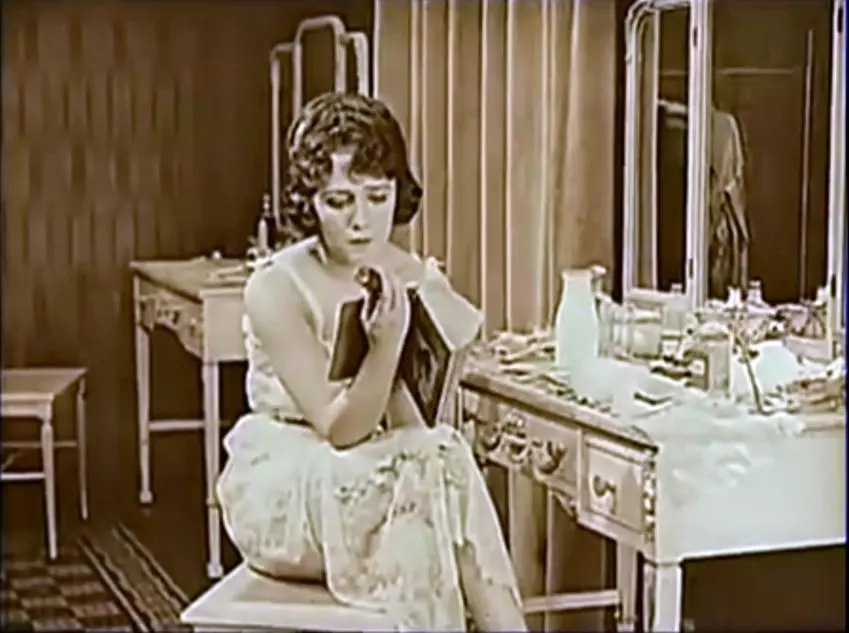
Similarly, Children of Eve (1915) delved into the gritty reality of the New York East Side, featuring a prostitute who reforms but ultimately feels unworthy of her social station. These narratives didn't just entertain; they provoked. They forced audiences to look at the “untouchables” of society, creating a bridge of empathy that the mainstream often sought to burn. Cult cinema has always been the home for these transgressive echoes, providing a voice to the voiceless through the medium of celluloid.
Class Friction and the Romantic Rebel
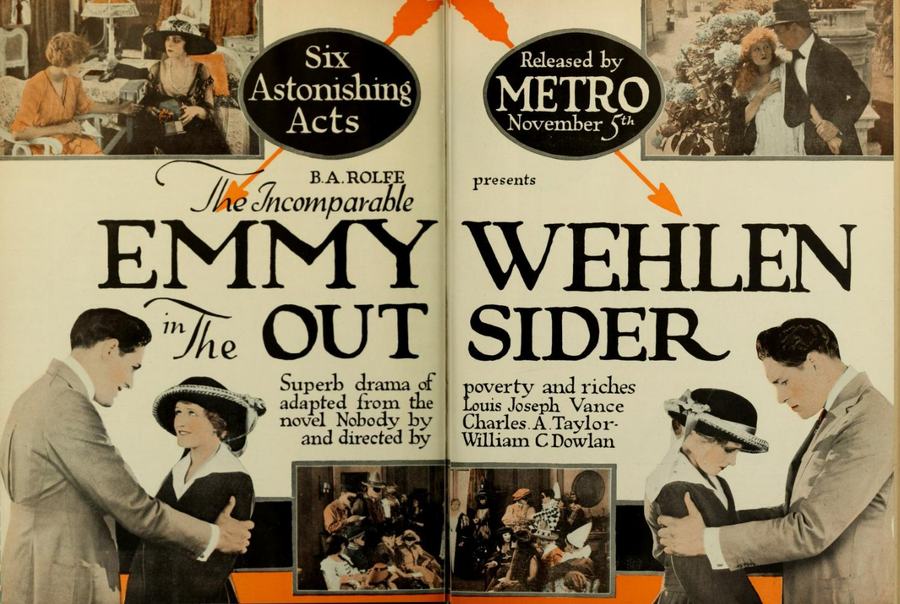
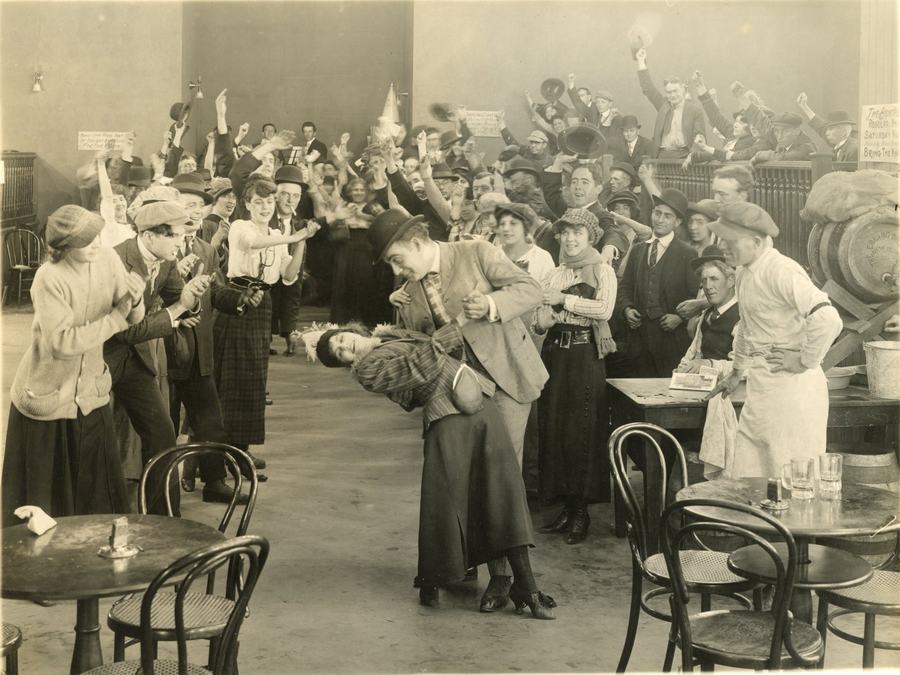
The friction between classes is another recurring motif that fuels cult devotion. In Saturday Night (1922), the crossing of class lines through marriage leads to a chaotic cycle of divorce and remarriage. It’s a cynical, almost satirical look at the “American Dream” of social mobility. This kind of narrative anarchy—where the expected social order is dismantled—resonates with viewers who feel alienated from the status quo.
We see this again in Something to Think About (1920), where a wealthy man’s attempt to “civilize” a blacksmith’s daughter leads to tragedy and social upheaval. These films suggest that the structures of society are fragile and often hypocritical. For the cult film enthusiast, these stories are not just dramas; they are manifestos of the unconventional life.
The Allure of the Geographic Fringe
Early cinema often found its most potent “cult” energy in the exploration of the unknown—the mountains of Kentucky, the frozen wastes of Alaska, or the tiny, imagined republics of South America. Films like Mountain Dew (1917) and Her Inspiration (1918) took urban audiences into the “primitive” heart of the Appalachian mountains. These films provided a sense of “local color” that was both voyeuristic and myth-making.
In Burning Daylight (1914), the Alaskan Gold Rush serves as a backdrop for a tale of wealth and eventual disillusionment. The protagonist’s journey from the Klondike to the “lower 48” is a metaphor for the loss of soul that often accompanies mainstream success. This theme—the purity of the fringe versus the corruption of the center—is a vital component of the cult movie psyche. The cult fan often views their favorite films as “gold” found in the frozen tundra of forgotten archives.
The Transgressive Power of the Forbidden
Perhaps the most direct ancestor of the cult film is the “forbidden” narrative—stories that touched on racial or social taboos. Forbidden Paths (1917), which explored the romance between a Japanese man and his American employer’s daughter, was a daring piece of cinema for its time. By challenging the racial hierarchies of the early 20th century, it positioned itself as a maverick work of art.
Even the seemingly simple The Clemenceau Case (1915), featuring Theda Bara as a “wife-vampire,” tapped into the primal fears and desires of the audience. The “vamp” archetype was the original cult icon—a figure of dangerous femininity that disrupted the domestic peace. These films were the precursors to the midnight movies that would later celebrate the monstrous, the queer, and the radical.
Surrealism and the Birth of Visual Anarchy
Before the avant-garde movements of the 1920s fully took hold, there were flashes of visual anarchy in mainstream shorts and features. Felix Finds a Way (1922) and other early animations introduced a logic-defying world where the impossible was routine. This sense of cinematic hypnosis—where the viewer is transported to a world that follows its own esoteric rules—is what draws people back to cult films repeatedly.
Even a biographical work like The Life and Works of Verdi (1913) utilized the “stormy” circumstances of the subject’s birth to create a sense of destiny and grandiosity that feels larger than life. When a film manages to capture this ethereal radiance, it moves beyond being a mere historical document and becomes a sacred object of fandom.
The Enduring Legacy of the Early Misfit
The journey from a film like The Fighting Trail (1917) to the modern cult classic is shorter than one might think. Both are defined by a sense of adventure that refuses to be tamed by the expectations of the average viewer. Whether it is the daredevil flyers of The Great Air Robbery (1919) or the impoverished lovers of The Colleen Bawn (1911), these stories celebrate the struggle of the individual against a world that demands conformity.
The “cult” status of a film is ultimately a reflection of its soul—a soul that was forged in the alchemical fires of early cinema’s most daring experiments. By looking back at these forgotten fringe masterpieces, we see that the rebellion didn't start with the counter-culture of the 60s; it was there from the very first time a camera was pointed at a misfit, a rebel, or a dreamer.
In the end, the enduring power of cult cinema lies in its ability to act as a celluloid sanctuary. It is a place where the weird is welcomed, the broken is beautiful, and the silent shadows of the past continue to speak to the misfits of the present. As we continue to unearth these early gems, we aren't just watching history; we are participating in a century-long ritual of cinematic devotion.
Community
Comments
Log in to comment.
Loading comments…