
Cult Cinema Deep Dive
The Anomalous Archive: Decoding the Transgressive DNA and Enduring Magnetism of Cinema’s Early Fringe Mavericks
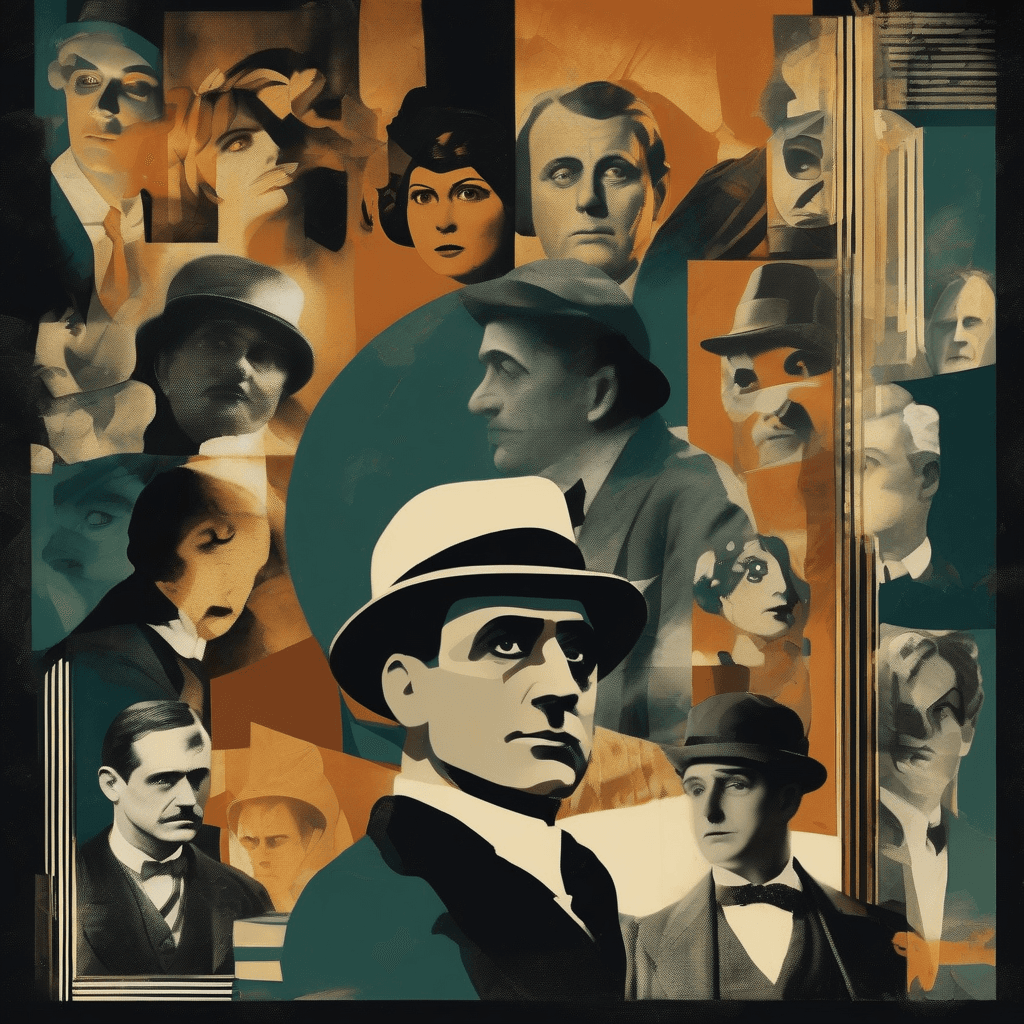
“A deep dive into the primal roots of cult cinema, exploring how the silent era's moral outcasts and narrative mutants forged the modern midnight movie obsession.”
To understand the modern obsession with the weird, the wired, and the wonderful in cinema, one must look past the neon-soaked 1970s and dive into the flickering shadows of the silent era. Cult cinema is often defined by its rejection of the mainstream, its embrace of the marginalized, and its devotion to the transgressive. Long before the midnight movie phenomenon took hold of urban centers, a collection of early fringe mavericks was already laying the groundwork for what we now recognize as the cult aesthetic. These films, often produced on the periphery of the burgeoning studio system or imported from the avant-garde movements of Europe, possessed a primal magnetism that defied the moral rigidity of their time.
The Genesis of the Cinematic Outlaw
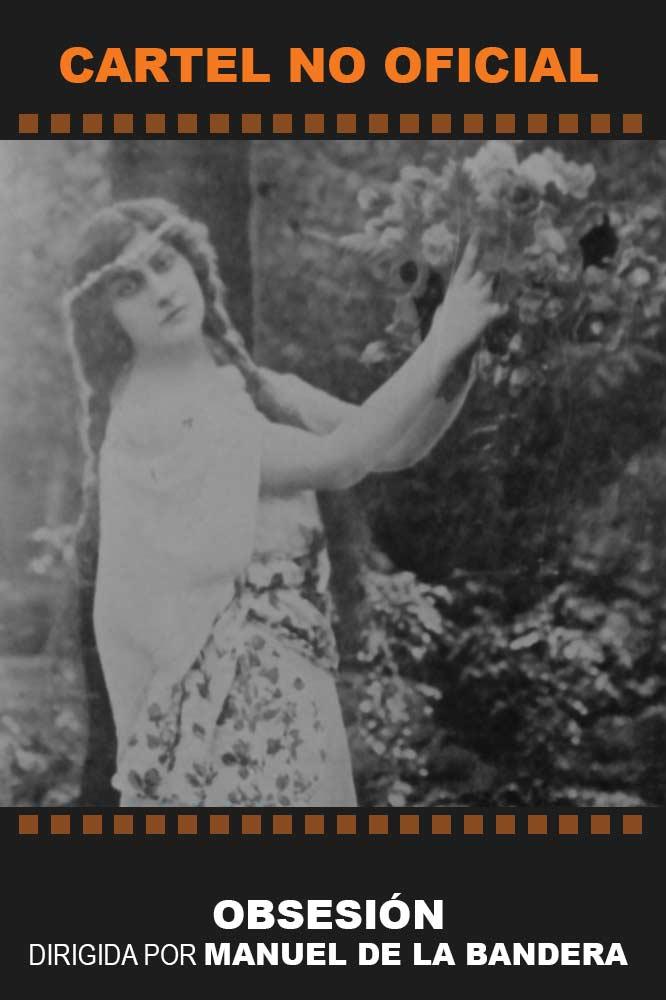
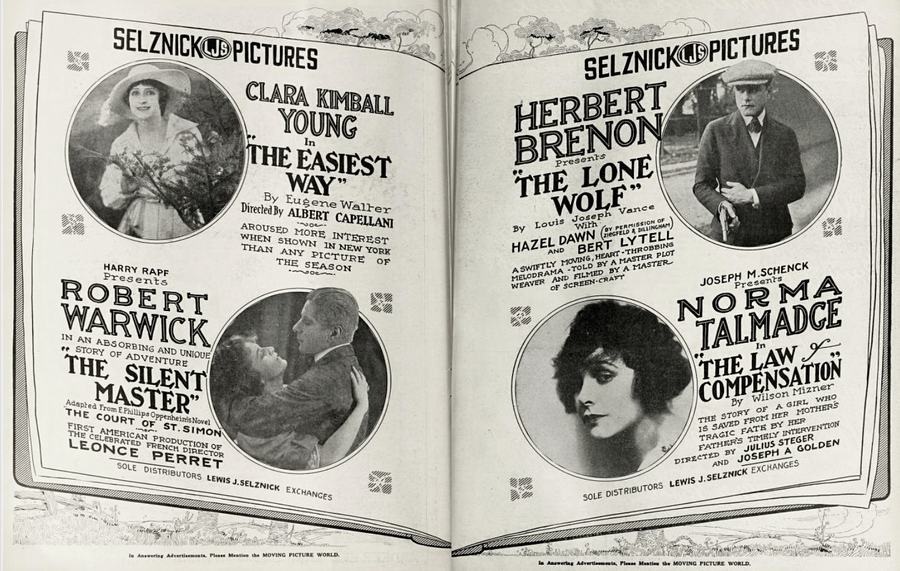
The concept of the 'cult' film begins with the figure of the outsider. In the early 20th century, this was personified by characters who operated in the grey zones of morality. Consider the enduring legacy of The Lone Wolf (1917). This film introduced audiences to Marcel, a waif-turned-master-crook who operates with a code of honor that exists outside the law. This narrative of the 'straight crook'—the criminal who finds a path to redemption while maintaining their edge—is a foundational pillar of cult storytelling. We see this same DNA in Blackie's Redemption (1919), where Boston Blackie’s struggle to go straight is thwarted by the very systems meant to uphold order. These films didn't just provide thrills; they spoke to a disenfranchised audience that saw themselves in the struggle of the misunderstood protagonist.
This fascination with the 'other' extended to the darker aspects of the human psyche. The Wolf Woman (1916), starring Leila Aradella as a predatory narcissist, offered a terrifying yet hypnotic look at the femme fatale. Unlike the standardized romances of the era, these films explored the destructive power of obsession. By centering narratives on characters who were 'morally ruined,' early filmmakers tapped into a subconscious desire for rebellion. The cult film, at its heart, is a rebellion against the sanitized version of reality, and these early icons were the first to throw the stones.
The Geography of Despair and the Backstairs Aesthetic
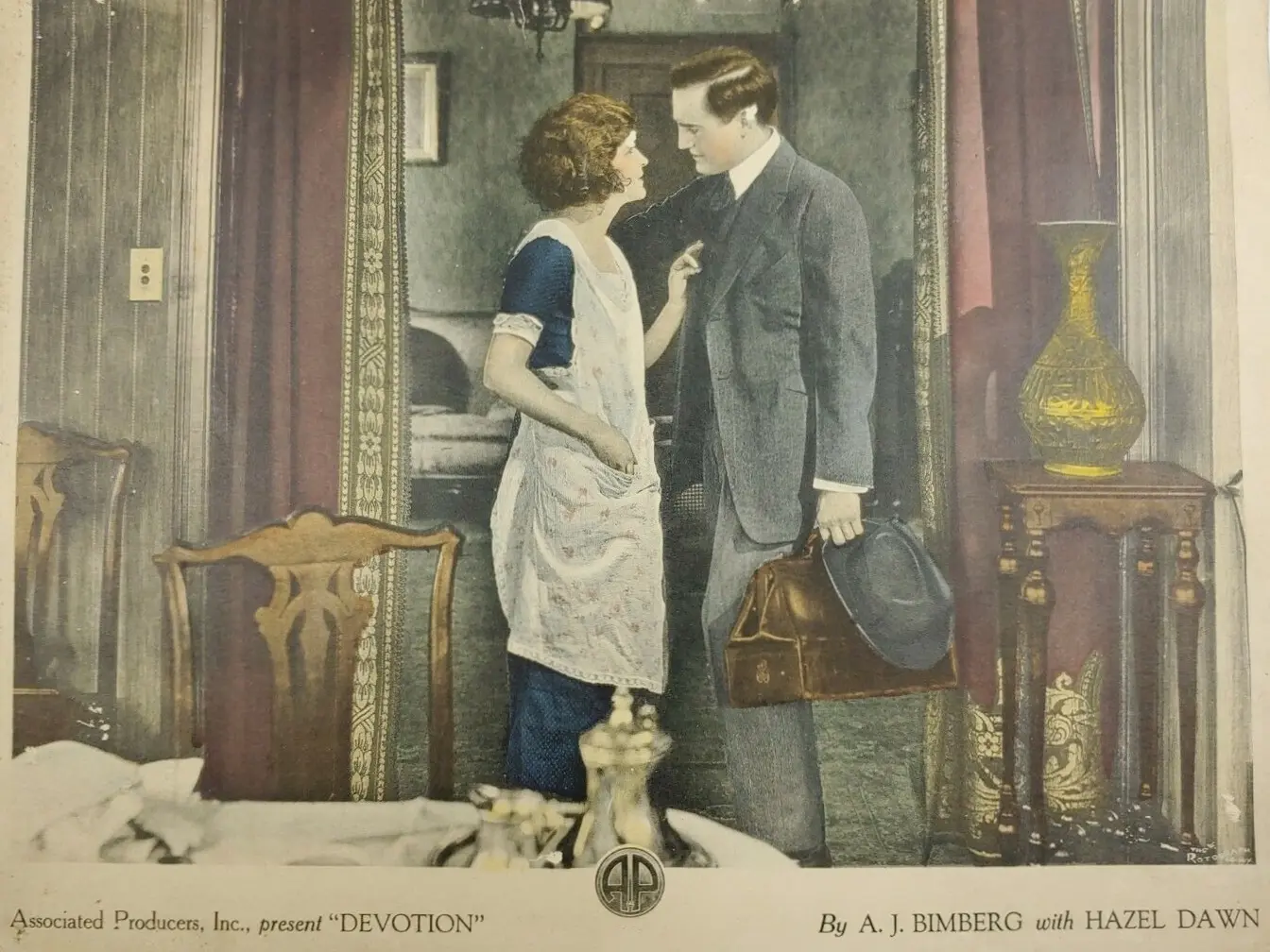
Cult cinema is frequently defined by its sense of place—often a place that is claustrophobic, decaying, or hidden from the light of day. The German Kammerspielfilm movement, exemplified by Hintertreppe (1921), utilized the 'backstairs' of tenement buildings to create a visual language of class struggle and unrequited longing. The crippled mailman and the maid in Hintertreppe are not the glamorous heroes of a Hollywood epic; they are the forgotten citizens of a harsh urban landscape. This focus on the 'low-born' and the 'unseen' is a hallmark of the cult sensibility, which finds beauty in the grotesque and the mundane.
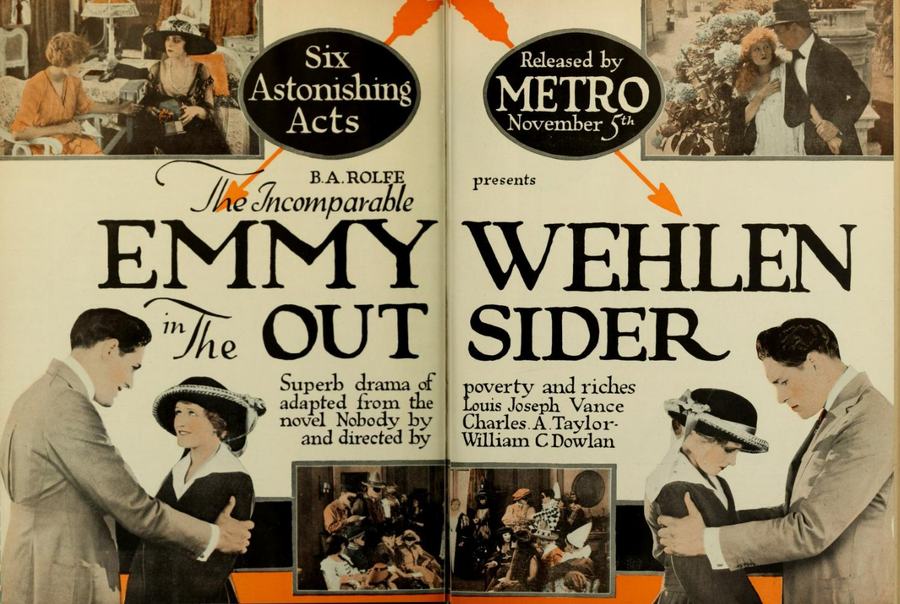
Similarly, the exploration of the urban tenement in East Is East (1916) showcases the 'rough-tongued' and 'quick-tempered' Viccy, a character whose grit and generosity provide a stark contrast to the polished protagonists of mainstream melodrama. These films served as a mirror to the lived experiences of the working class, but they did so with a stylistic flair—Expressionist shadows, tight framing, and a heavy atmosphere—that elevated them from simple social commentary to objects of aesthetic worship. The cult audience doesn't just watch a film; they inhabit its world, and the worlds created in these early dramas were as immersive as they were unforgiving.
Narrative Mutations and the Quest for Eternal Life
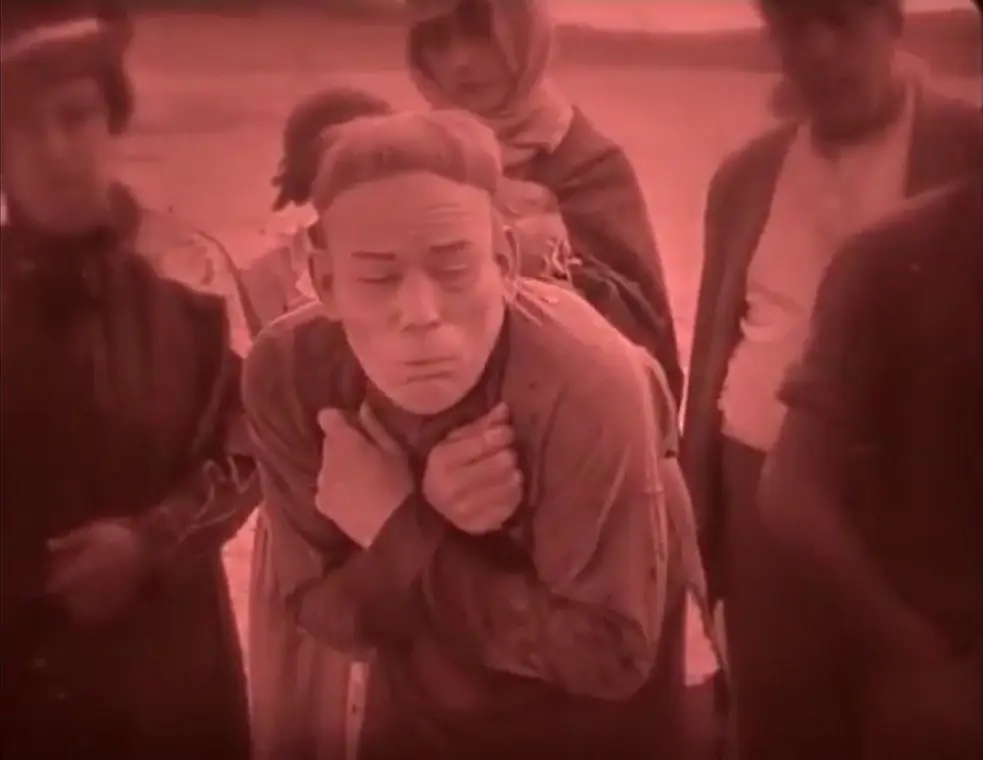
If the drama of the era provided the soul of cult cinema, then the adventure serials and 'orientalist' fantasies provided its sense of the bizarre. The Dragon's Net (1920) is a prime example of narrative mutation, where the quest for eight golden lotus leaves and the secret of eternal life creates a hallucinatory journey that prefigures the psychedelic cult films of the 1960s. These stories were often fragmented, episodic, and filled with logic-defying leaps that demanded a specific type of viewer—one willing to surrender to the 'sacred weirdness' of the celluloid dream.
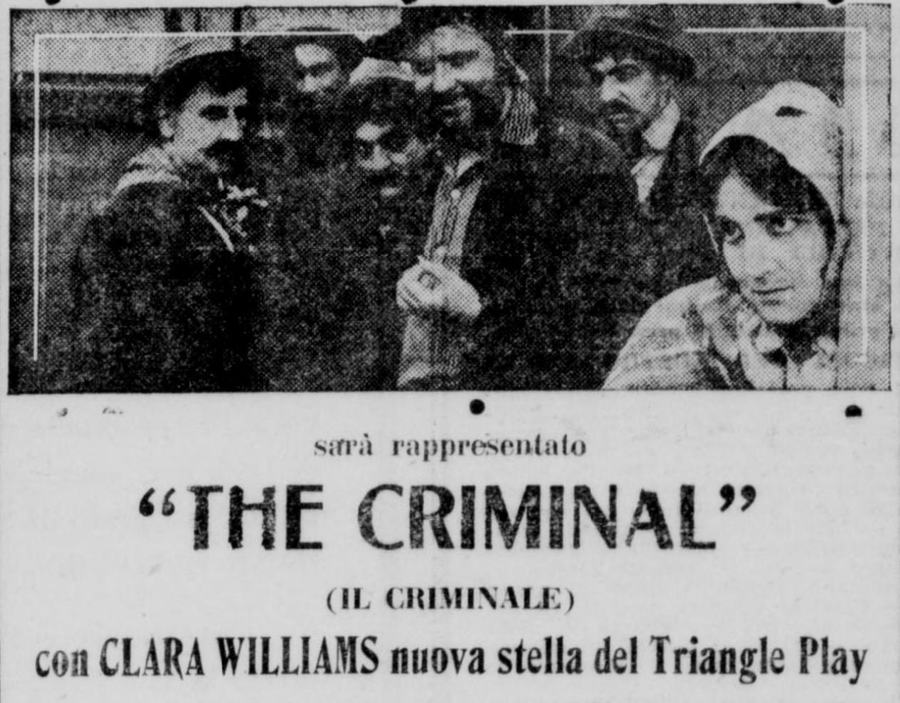
In Die Pagode and The Mysterious Lady, we see the early cinematic obsession with espionage, secret societies, and revolutionary technology. These films often featured 'agent' characters and 'notorious criminals' collaborating in ways that blurred the lines between hero and villain. This ambiguity is essential to the cult experience; it allows the audience to project their own values onto the screen, creating a personal connection that transcends the intended message of the filmmakers. The 'secret language' of these films was written in the shadows of the underground, a place where the Anomalous Archive continues to grow.
The Independent Spirit: Oscar Micheaux and the Birth of Niche Worship
One cannot discuss the roots of cult cinema without acknowledging the monumental impact of The Homesteader (1919). Directed by Oscar Micheaux, the first major African-American filmmaker, this film was a radical act of independence. By telling a story centered on a Black homesteader in the Dakotas, Micheaux bypassed the exclusionary Hollywood system and spoke directly to an audience that had been systematically ignored. The Homesteader is a 'cult' film in the truest sense: it was produced outside the mainstream, addressed taboo subjects (such as interracial relationships and systemic racism), and fostered a dedicated community of followers.
This spirit of independence is what fuels the enduring magnetism of the cinematic fringe. Whether it is the Western grit of The Fighting Streak (1922) or the rugged survivalism of Wolves of the Range, these films were often made under duress, with limited budgets but unlimited vision. The 'genetic rebellion' of these early filmmakers was their refusal to conform to the expectations of the 'lumber kings' and 'iron works' owners who controlled the capital. They were the original renegades, using the camera as a weapon to carve out a space for the marginalized and the misunderstood.
The Ritual of Redemption and the Moral Misfit
Many early cult favorites dealt with the theme of redemption through suffering, a motif that resonates deeply with the 'midnight mindset.' In Mod lyset (1919), we witness the transformation of a spoiled socialite into an evangelist after her world collapses. This 'into the light' narrative—also seen in the aptly titled Into the Light—suggests that the path to grace is paved with trauma. Cult cinema thrives on this intensity; it seeks out the moments of peak emotional and moral crisis.
Consider Golfo (1914), a tragic tale of eternal devotion and betrayal set in the shadow of Mount Chelmos. The hopelessness of the protagonist and her contemplation of death create a somber, ritualistic atmosphere that is common in cult tragedies. These films do not offer easy answers or happy endings; instead, they offer a catharsis that is as dark as the shadows on the screen. The audience for these films isn't looking for comfort; they are looking for a reflection of the 'valley of doubt' that exists within the human condition.
Conclusion: The Undying Flame of the Fringe
The films of the early 20th century—from the slapstick surrealism of Mutt and Jeff in Paris to the high-stakes drama of Under Two Flags (1922)—formed a complex tapestry of subversion. They experimented with form, challenged social norms, and embraced the 'yellow streak' of human fallibility. When we look at the 'Anomalous Archive' today, we see more than just old movies; we see the blueprints for every midnight movie, every underground hit, and every niche obsession that has followed.
The transgressive DNA of these early mavericks is what keeps the flame of cult cinema alive. They taught us that the most powerful stories are often found in the margins, that the most compelling heroes are often the ones the world has rejected, and that the flicker of a projector in a dark room can create a community of the disenfranchised. As we continue to decode the 'celluloid cipher' of the past, we ensure that the rebel heart of the fringe will never stop beating. The cult of the uncanny is not a modern invention; it is a century-old ritual of light and shadow, a testament to the enduring power of the anomalous.
Community
Comments
Log in to comment.
Loading comments…