
DbcultAccessing Vault...
Recommendations
Senior Film Conservator
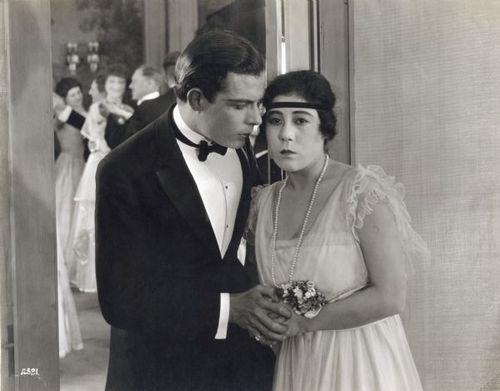
Ever since Alien Souls hit screens in 1916, fans have sought that same unique vision, the search for similar titles reveals the deep impact of Frank Reicher's direction. These recommendations provide a deep dive into the same stylistic territory occupied by Alien Souls.
Whether it's the unique vision or the thematic depth, this film to capture the existential zeitgeist of 1916.
A Japanese maiden is pursued by an unscrupulous American young man who falsely believes her to have great riches.
The influence of Frank Reicher in Alien Souls can be felt in the way modern cult films handle unique vision. From the specific lighting choices to the pacing, this 1916 release set a high bar for atmospheric immersion.
Based on the unique unique vision of Alien Souls, our vault has identified these titles as the most compelling follow-up experiences for fans of cult cinema:
Dir: Frank Reicher
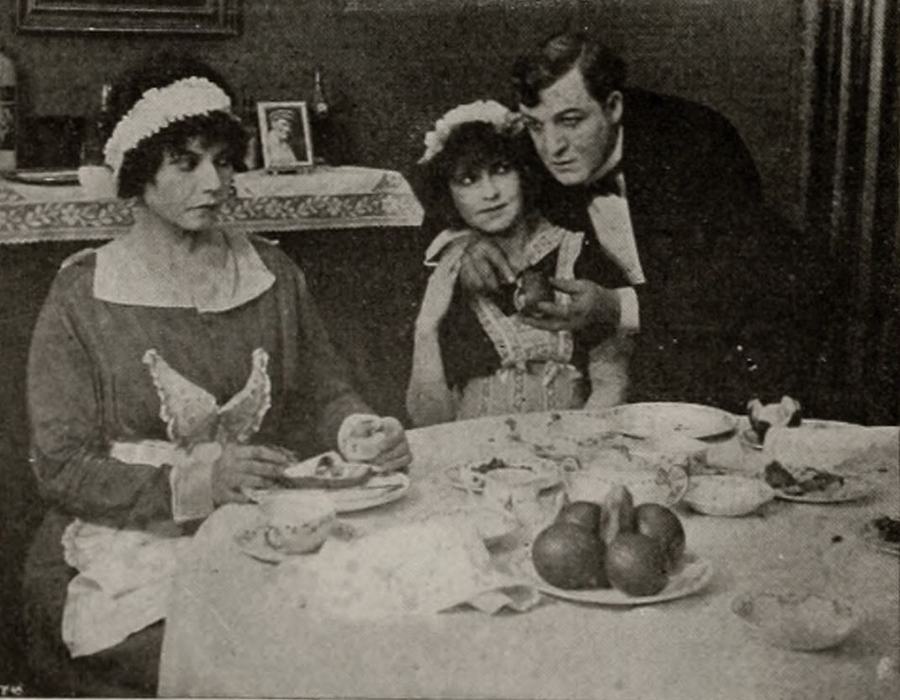
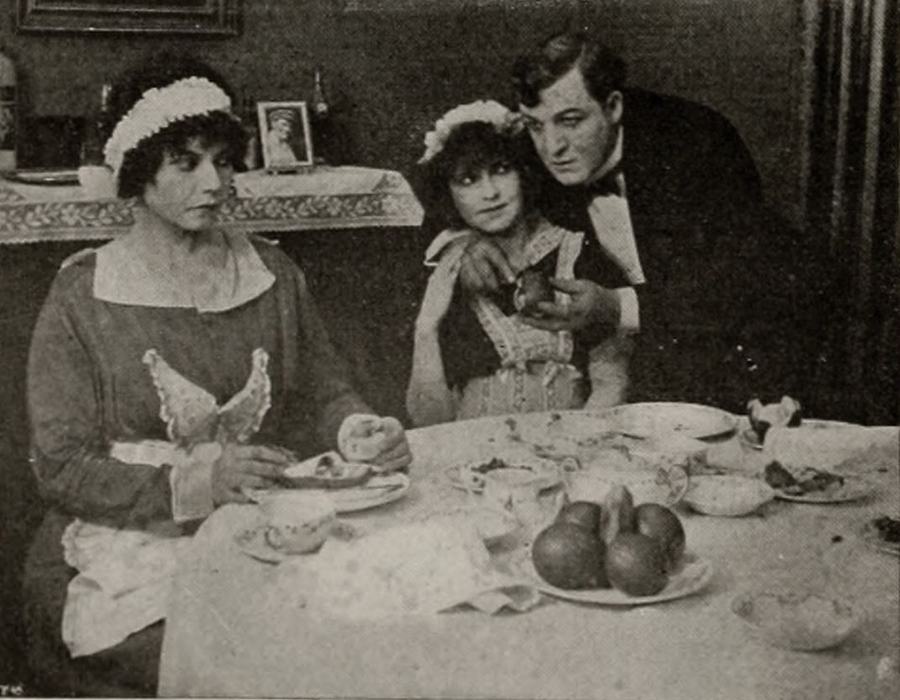
Two playboys stumble drunkenly home, where the owner falls asleep and the other attacks the maid. The butler intervenes and a fight results in the death of the assailant. A French girl, escaping from a pimp who kidnapped her, witnesses the crime. The butler convinces his master he is the killer, and must flee. He joins the girl but is caught. She helps police expose the real killer by going undercover as another maid.
View Details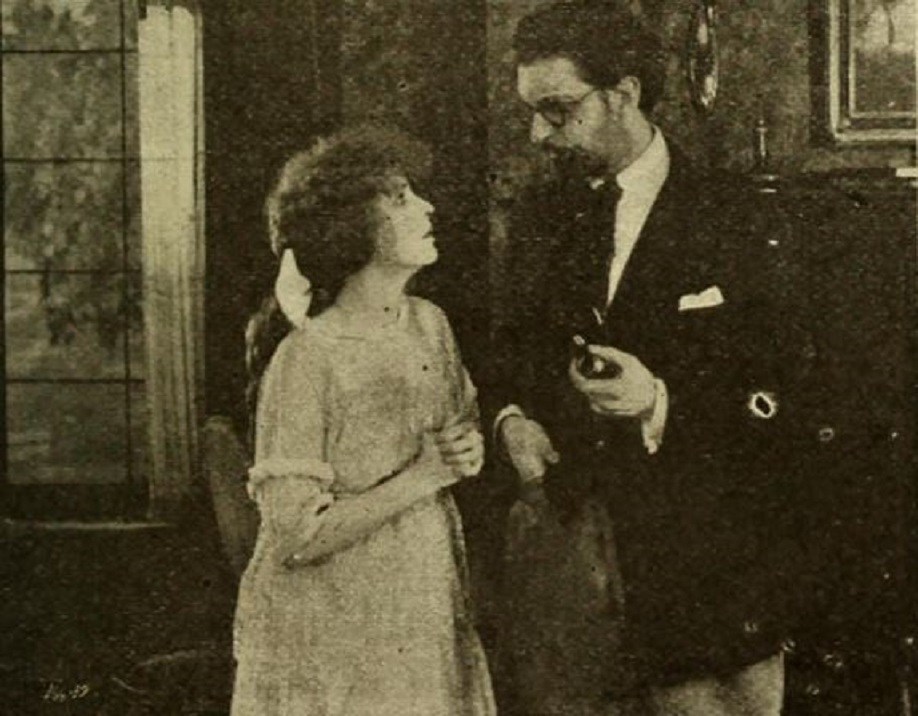
Dir: Frank Reicher
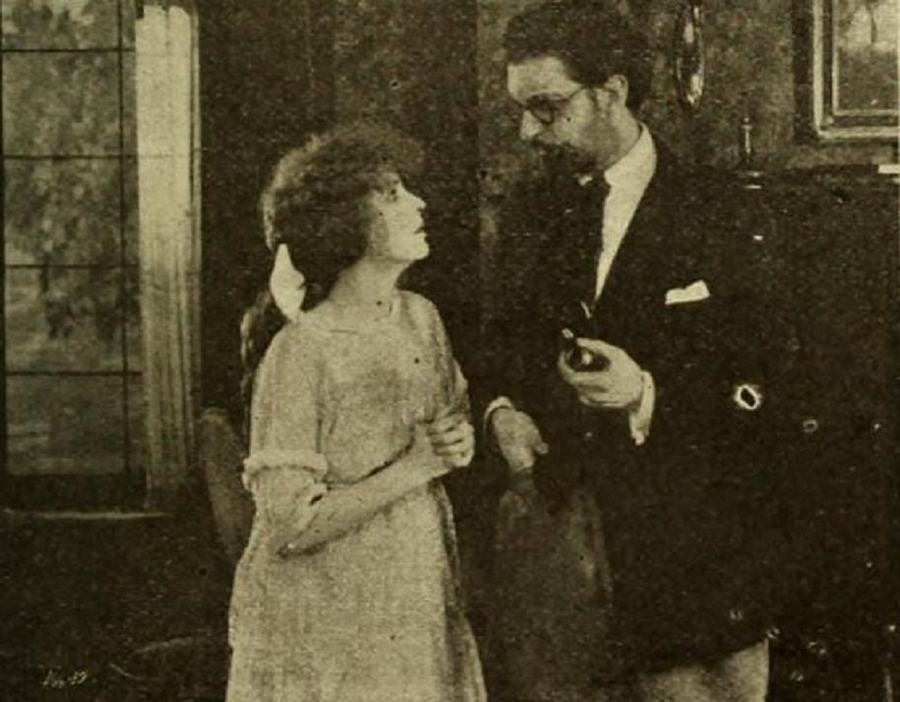
Henry Sherwin has every cent invested in a mine which is apparently valueless. James Fleming, a mine expert, discovers a rich vein of gold in the mine but keeps it secret. Mr. Sherwin dies and leaves Betty, his daughter, in the care of John Kenwood and his sister, Constance who, finding the estate worthless, allows Betty to believe she has an income. She goes to boarding school, lives luxuriously, and when she returns home is shocked to find John and Constance working, so she hires two servants. A frost wipes out the orange crop, their last hope. Fleming proposes to Betty and is refused. Betty tells John he may have all her money, and although heartbroken and discouraged, he is greatly amused. Fleming finally tells Betty her mine is worthless, again asks her to marry him and is again refused. Betty dreams she sees gold pouring from her mine and runs away. Going to the mine she finds Big Jim, and together they search for gold. The boys "salt" the mine and Betty is delighted at her supposed find of gold. She learns of the joke and decides to try her luck at gambling. She stakes her nuggets in a roulette game and loses. Fleming finds her here and takes her in his arms, announcing, just as Kenwood enters, she is to become his wife. As Jim and the proprietor of the gambling house are looking over the nuggets Jim notices a strange one and asks Betty where she found it. She leads him to the mine and he discovers a rich vein, worth a million. Fleming's conspiracy is discovered. John takes Betty in his arms and tells her he has always loved her, and is informed of the discovery of the gold. Her sudden wealth seems in his mind to create a great gulf between them, but she wriggles back into his embrace. She tells him she loves him and asks him to be her husband. He takes her closer in his arms and their happiness is complete.
View Details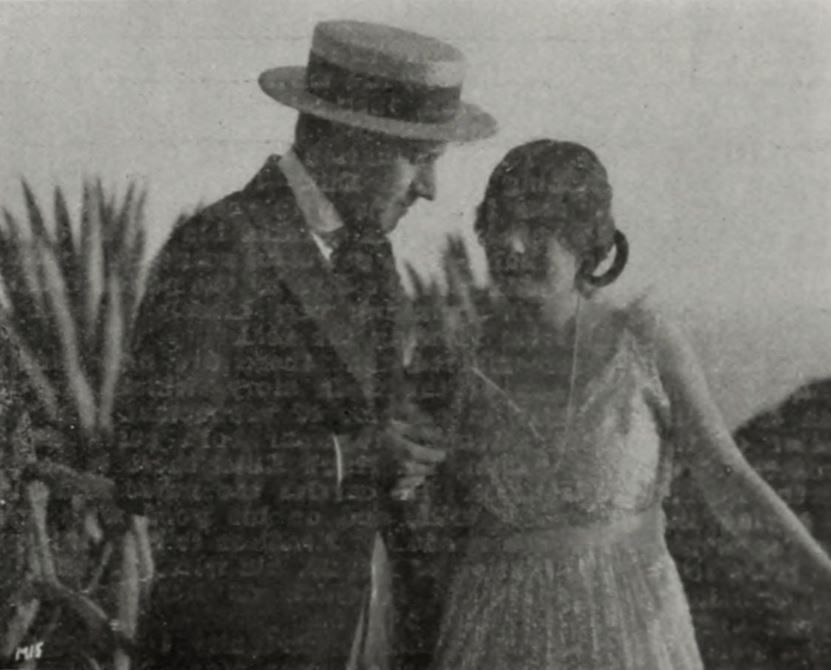
Dir: Frank Reicher
"Mr. Grex of Monte Carlo" is an interesting play of intrigue between the Grand Duke Augustus Peter of Russia, whose incognito is Mr. Grex, an English Secret Service agent, Lord Huntersley and a young American millionaire on pleasure bent, Richard Lane. Mr. Grex and two other diplomats who unofficially represent France and Germany, plan to meet as if by chance in Monte Carlo for the purpose of arranging a secret pact. The American millionaire sees and falls violently in love with Miss Grex, that is, the Grand Duchess Fedora. After several fruitless efforts to gain an introduction to this mysteriously inaccessible young lady, he secures the services of a bandit who is to pretend to hold up Fedora's car so that Lane may effect a rescue. Lane arrives on the scene as per schedule and is informed by the bandit that he has changed his mind and intends to make a real hold-up instead of a fake one. Lane, therefore, makes a real rescue and meets Miss Grex. He is informed by Lord Huntersley that his efforts are useless as she is a Grand Duchess of Russia. The third member of the conference arrives and coming across Lane in the middle of a love scene with Fedora, thrusts the papers into his hand saying "Give these to Huntersley," and disappears. Complications arise between Fedora and Lane. Lane finally manages to get rid of Fedora's father for a few hours and hiring a yacht they pick up a parson who for $5,000 and his trip home consents to go with them to America. Once outside the three-mile limit they are married under the laws of the United States.
View Details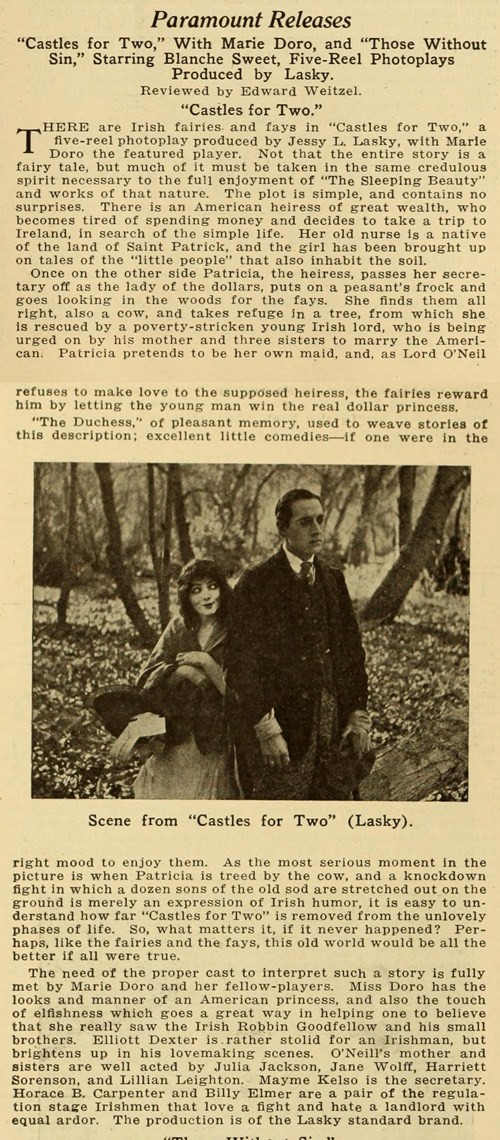
Dir: Frank Reicher
The family of an Irish landlord want him to wed who they think is a visiting heiress from the US but the real heiress pretends she is just a servant and hides her identity.
View Details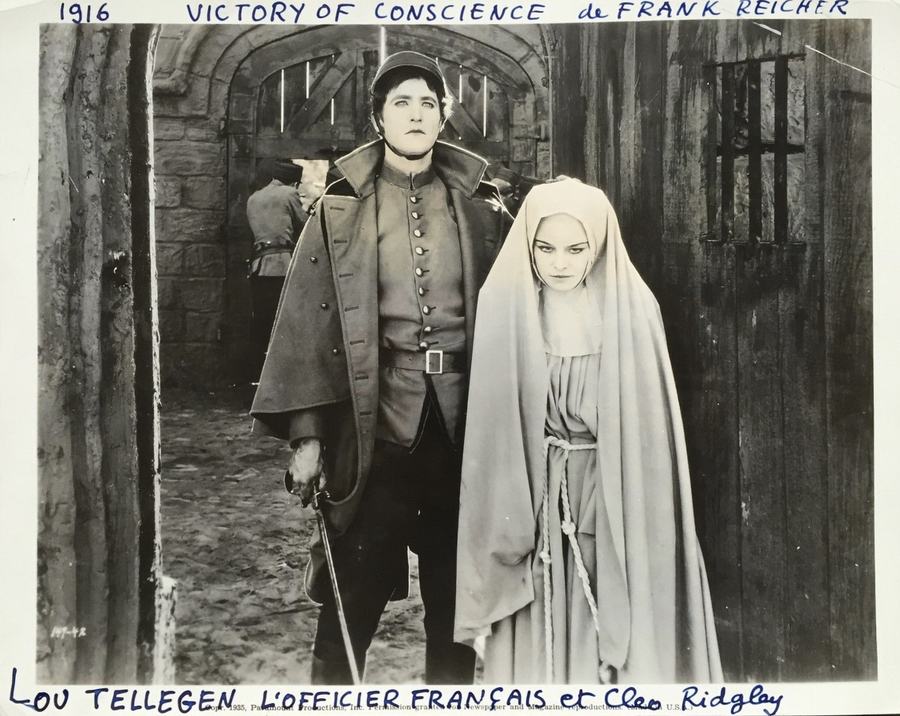
Dir: Frank Reicher
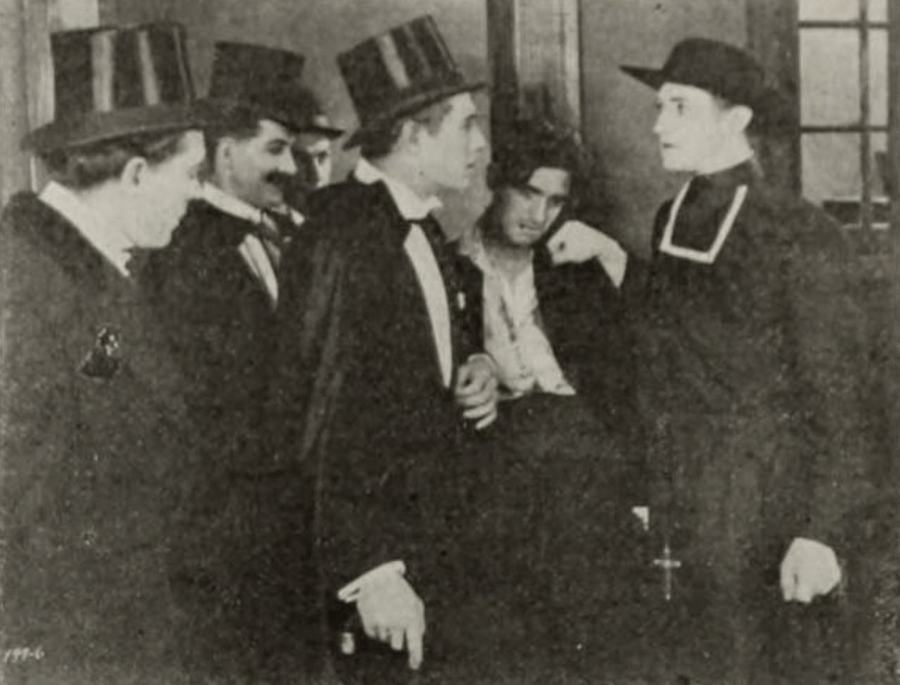
Louis, Count de Tavannes, and his companion, Dimitri, lead a gay life in Paris. On the return trip of a motor tour, they stop at an inn and discover Rosette, the daughter of the innkeeper, who dances for the guests, not from choice, but necessity. Dimitri suggests they take her to Paris. The patrons of the inn, jealous of the fashionably-attired young men and the attention paid them, raise a riot. During the uproar Rosette is taken to the motor and to Paris, where she goes to a hotel with Louis, her favorite of the two young men. During their breakfast the next morning, she learns from Louis' lips that he will not marry her. Remy, the faithful servant of the inn, has sought her out, grasps the situation, strikes Louis in the face and a fight ensues between the two men. Louis is discovered, bleeding and unconscious, and taken to the home of a young priest. Through the influence of the good men whom he has thus accidentally met, he enters the priesthood. Rosette secures a position as dancer in a café of the underworld in Paris, patronized by the rough element, and occasionally by the wealthy class in search of excitement. Dimitri is at this café, trying to induce Rosette to drink and dance, as Father Louis enters in search of a man whose wife is ill. The recognition is mutual, and none is so surprised as Dimitri. The latter plans an elaborate supper for himself and Rosette, and Louis interrupts them. As Louis uses his good influence for the girl, Dimitri is exerting a conflicting power, and Rosette bids them fight it out, "for God and my soul, or the devil and my body." With only their hands for weapons, the men go to battle, Louis with a righteous determination to win, and he does. He takes the girl to a convent, where she realizes her great love for Louis and a desire to live a pure life. Father Louis has won the love of the patrons of the café, and when the war is on and France calls for her men, he with his followers tries to defend the convent where Sister Rose Marie is. Mortally wounded, Sister Rose Marie falls across the dead body of the man she loves, and they are united in spirit, although their lives have been sacrificed in an attempt to save other souls, endeared to them.
View Details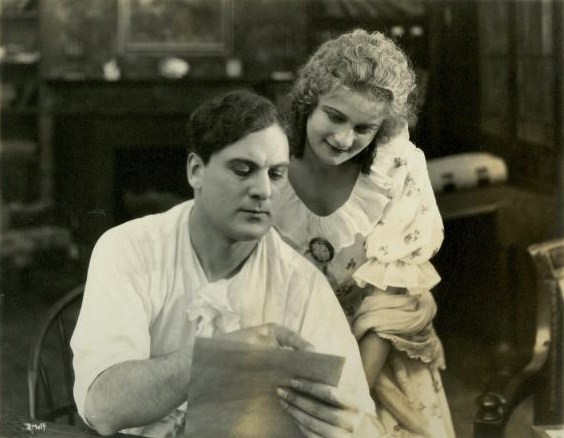
Dir: Frank Reicher
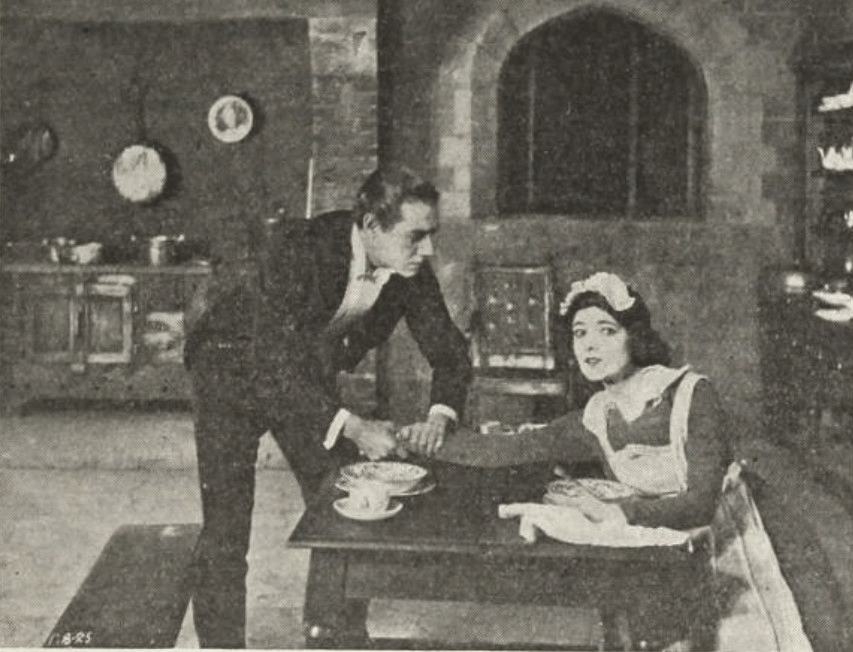
A slave switches her light-skinned baby with her master's baby. The child grows up raised by whites.
View Details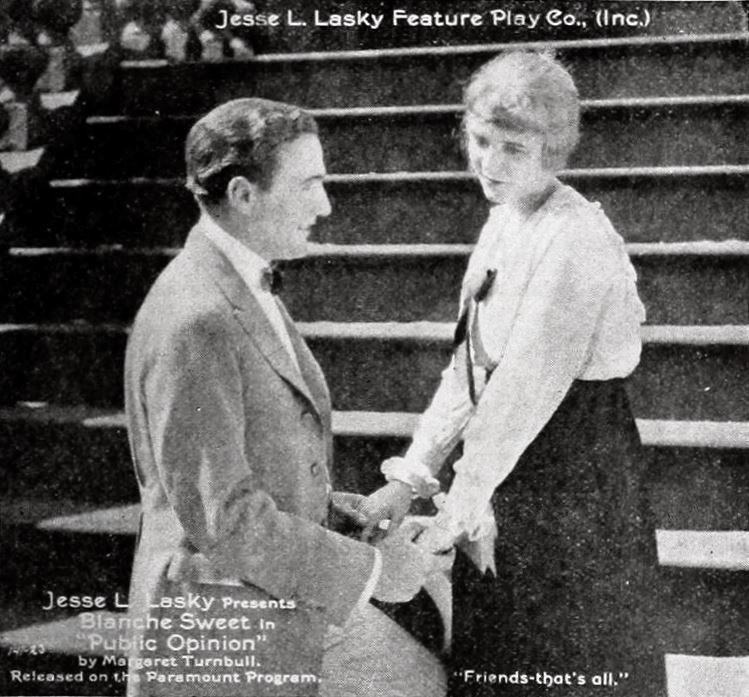
Dir: Frank Reicher
Hazel Gray, a young nurse, is in love with Phillip Carson, son of Mrs. Carson-Morgan, a philanthropist. Phillip, having quarreled with his step-father, leaves home, secures a position, and lives at the same boarding house as Hazel. Called home by his mother's sudden illness, Phillip manages to have Hazel called on the case. Her recognition of the doctor as the man whose trickery she discovered in time to save her own honor, is concealed from Phillip, but her stay is rendered almost unbearable by the doctor's forced attentions. Mrs. Morgan dies suddenly and in terrible agony, from arsenic poisoning. Suspicion points to Hazel, proof of her knowledge of the location of a bottle of arsenic being established by Morgan. Her former supposed relations with the doctor appear as a reason for the crime. Phillip's testimony is against her, but Gordon Graham, a wealthy young man who is on the jury, is at once impressed with the girl's innocence, and succeeds in securing a verdict of "not guilty." Throughout the trail the spirit of the poisoned woman endeavors to point out the guilty person. The weight of public opinion, however, falls heavily upon the girl, sensational newspapers doing their share to increase it, until Hazel can find no place to stay. Finally Graham takes her to his sister's home where he declares his love for Hazel and an unshaken belief in her innocence. Smith, a dope fiend, refused drugs by Dr. Morgan, threateningly reveals his knowledge that the doctor has substituted arsenic for powders prescribed for his wife by the attending physician. During the struggle which follows, Hazel, Graham and a policeman appear, and Smith, having secured possession of the doctor's pistol, fires the shot which mortally wounds Dr. Morgan, who confesses in his dying moments that he is the guilty person. Hazel's innocence is thus established, the public opinion is quickly changed, and the girl goes to the waiting arms of the man who has so valiantly defended her.
View Details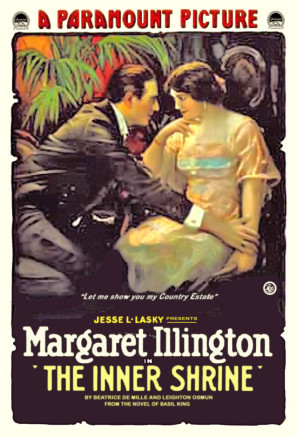
Dir: Frank Reicher
Bad woman turns good, but as a recent widow finds her past a roadblock in terms of accepting remarriage.
View Details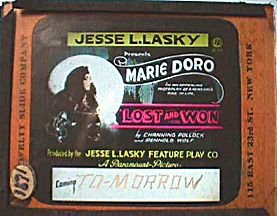
Dir: Frank Reicher
Cinders, a news girl, with a love for books, idealizes as her hero a "Daddy Long-legs," who will someday make her a great lady. Bill Holt, a reporter, is one of her best friends. Walter Crane and Kirkland Gaige observe Cinder's independence as she turns over to a policeman a man who has been annoying her. Later Crane wagers $50,000 that within a year he can transform and improve the girl that one of the men will want to marry her. Crane places her in the care of his aunt, who sends her to a boarding school. At the end of a year she returns home and at once becomes a favorite. Cleo Duvene, an adventuress, demands of Gaige a necklace which he is unable to purchase. Crane meets with reverses and Gaige, anxious to win Cinders, reveals the bet, suggesting she marry him in order that Crane may realize the $100,000 stake. She refuses and goes to her friend. Holt, securing a position as reporter on the paper. Crane accepts the position of assistant cashier in the bank of which Gaige is vice president. In order to buy the necklace for Cleo Gaige takes a bag of currency and Crane, accused of the theft, is placed in jail. Cinders goes to Gaige and by placing chewing gum on the end of her umbrella, picks up the pieces of a receipted bill for the necklace. She gets into the apartment of Miss Duvene, and is demanding that she tell all she knows of Gaige just as he comes in. They bind Cinders but she manages to get the telephone receiver down, calls Holt, who hears the conversation of the three, and with Crane and a policeman apprehend the guilty man just as he is about to escape. Crane frees the brave little girl and takes her to his arms with the statement that it pays to lose some bets.
View Details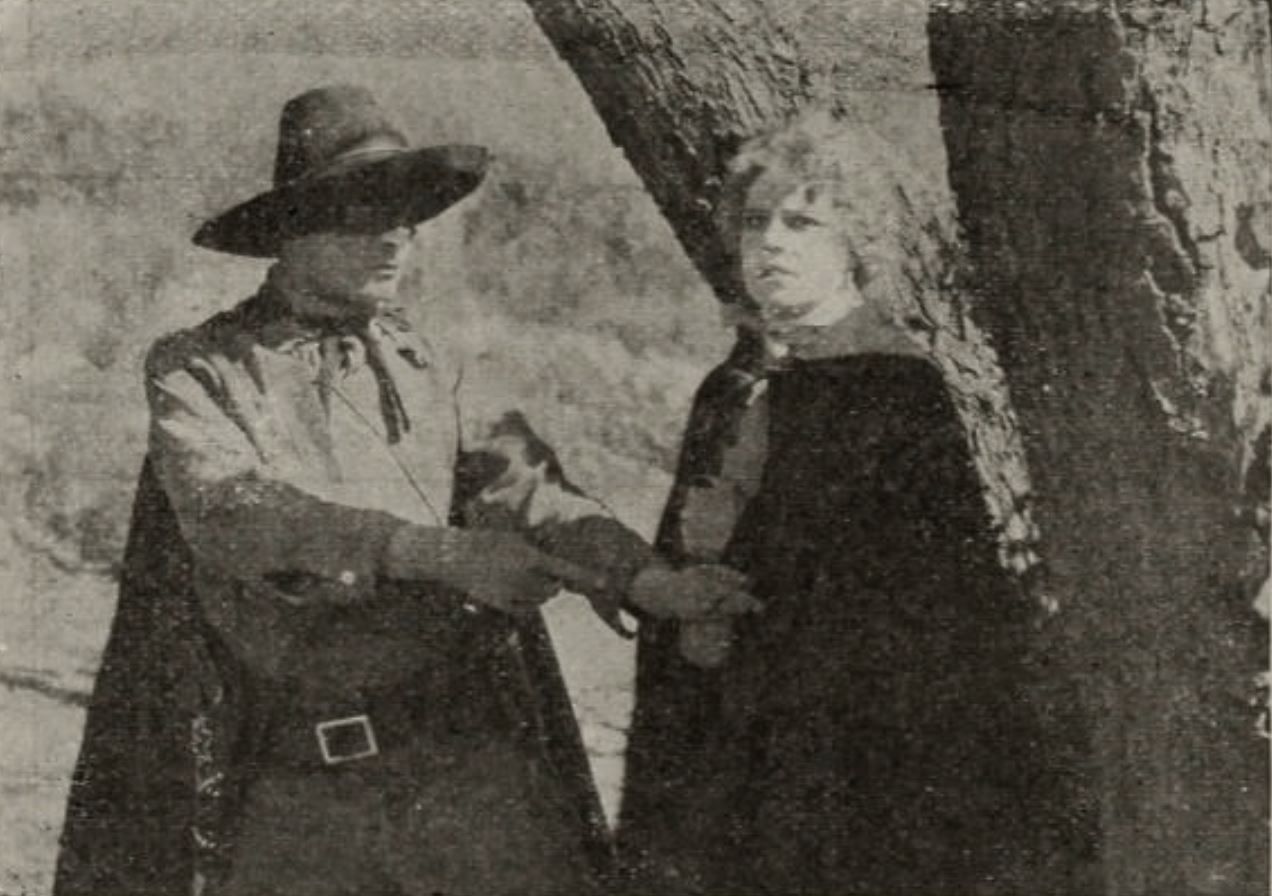
Dir: Frank Reicher
During the California gold rush, four unsuccessful miners assume that a woman prospector will give in without a fight, so they jump the claim of Kate Kenner and take her gold away from her. Afterward, although she is Sheriff Dan Deering's sweetheart, Kate decides to take the law into her own hands. Donning the trademark black mask of Silver Spurs, the noted bandit, Kate holds up the saloon where the crooks have stored the gold. As she makes her getaway, however, Dan catches her, and after unmasking her, is astonished to discover Silver Spur's true identity. The town puts Kate on trial immediately and a guilty verdict seems assured until the real Silver Spurs, who had greatly admired the masquerade, himself steals the gold and leaves a note exonerating Kate. Then, taking time out from his sheriff's duty, Dan, instead of pursuing Silver Spurs, starts making plans with Kate for their wedding.
View DetailsAnalysis relative to Alien Souls
| Film Title | Atmosphere | Complexity | Similarity |
|---|---|---|---|
| For the Defense | Ethereal | Layered | 98% Match |
| Betty to the Rescue | Ethereal | Abstract | 88% Match |
| Mr. Grex of Monte Carlo | Ethereal | Abstract | 92% Match |
| Castles for Two | Surreal | High | 88% Match |
| The Victory of Conscience | Gritty | Dense | 97% Match |
This guide was algorithmically generated using the cinematic metadata of Frank Reicher's archive. Last updated: 6/27/2026.
Back to Alien Souls Details →