
DbcultAccessing Vault...
Recommendations
Senior Film Conservator
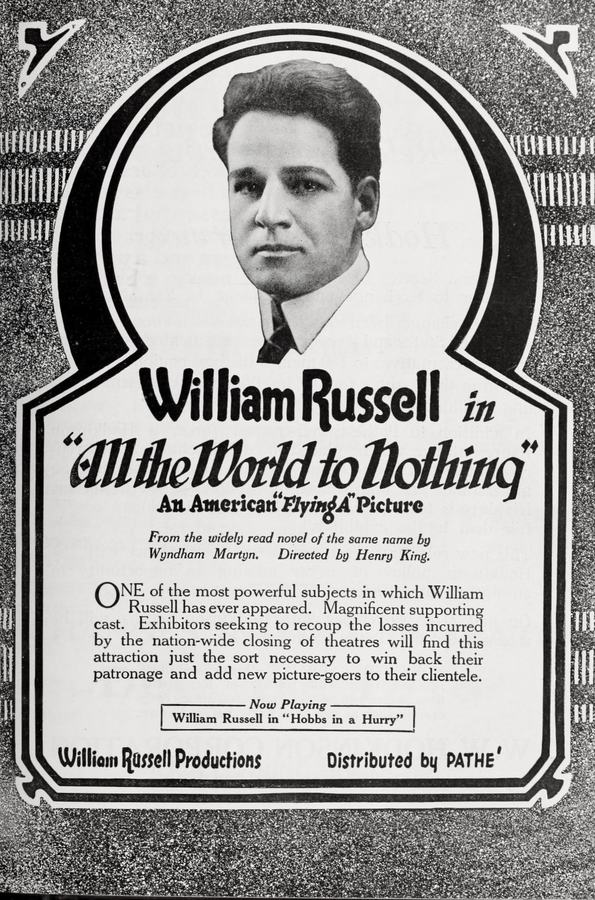
After experiencing the unique vision of All the World to Nothing (1918), finding other movies that capture that same lightning in a bottle is a top priority. These recommendations provide a deep dive into the same stylistic territory occupied by All the World to Nothing.
This 1918 cult classic stands as a testament to challenge the status quo through its avant-garde structure.
Richard Chester, a bachelor who has lost everything in a poker game, blunders into the apartment of Nora Ellis, who has just inherited a fortune under the stipulation that she marry immediately. Assuming the name Chester Dick, Richard marries Nora and leaves. Unaware of this marriage of convenience, Charles Renalls, Nora's suitor, later assumes that her wealth is the only impediment to their union and conspires to ruin her on the market. Upon learning of his scheme, Richard ruins Charles. Nora falls in love with Richard, not recognizing her benefactor as her husband of an evening. Hoping to spoil Richard's chances with Nora, Charles tells her that Richard is already married and that he carries his wife's picture in his pocket. To her surprise and delight, Nora discovers that the incriminating picture is her own photograph and that Richard is already her husband.
Critics widely regard All the World to Nothing as a cult-favorite piece of cult cinema. Its unique vision is frequently cited as its strongest asset, solidifying its place in United States's film legacy.
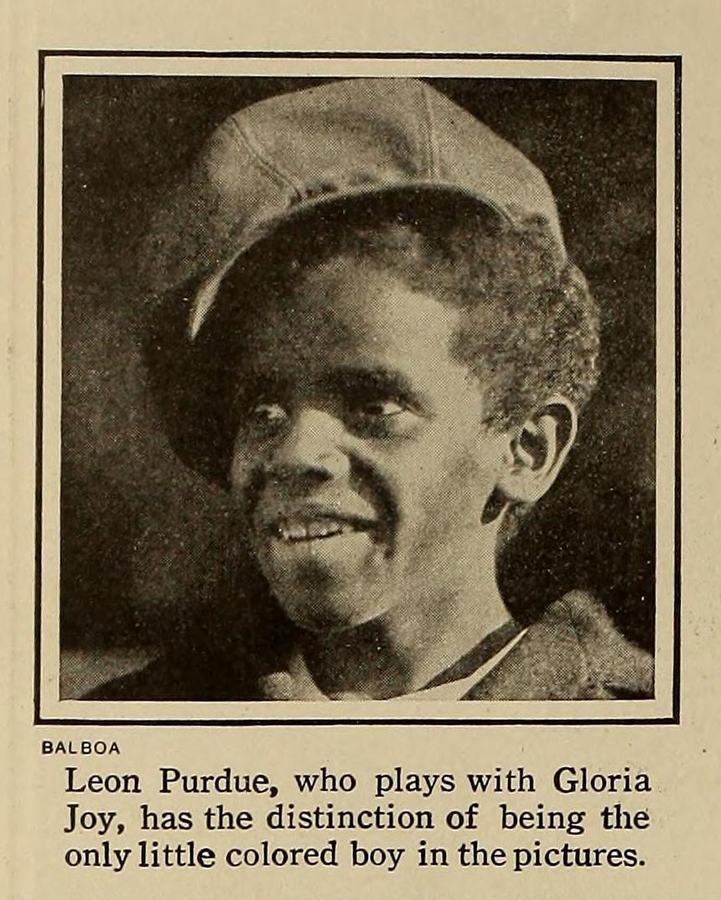
Based on the unique unique vision of All the World to Nothing, our vault has identified these titles as the most compelling follow-up experiences for fans of cult cinema:
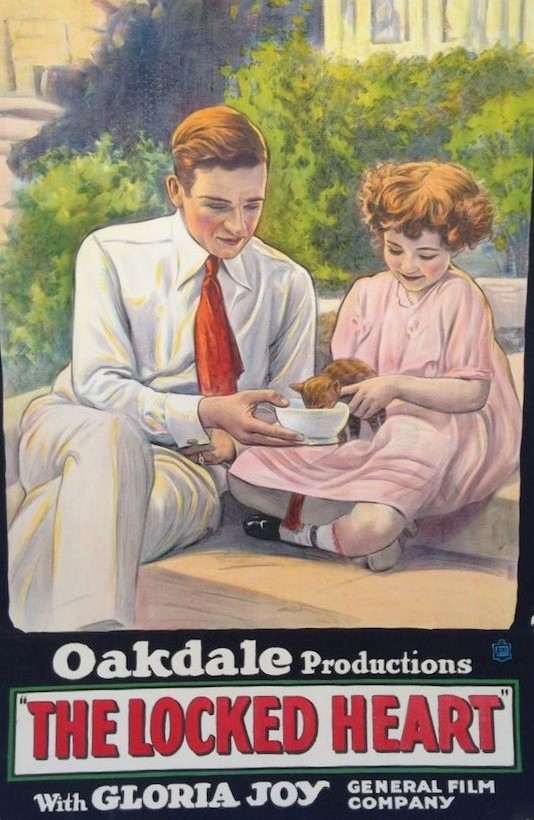
Dir: Henry King
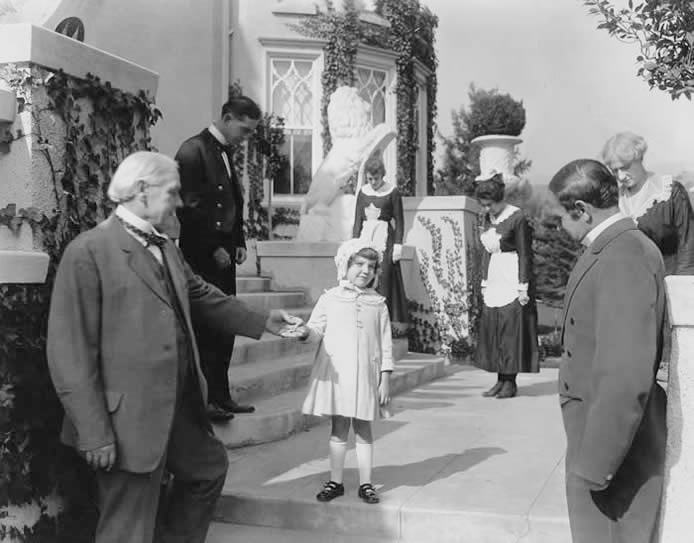
Harry Mason is called home by wire, but when he arrives, he finds that his wife Ruth has just died in childbirth. Thoroughly shaken, Harry refuses to look at the baby, and after locking the door to the room that Ruth had prepared as the nursery, he departs for Europe, leaving little Martha in the care of her grandfather, Colonel Mason. In an attempt to escape his grief, Harry travels throughout the world, but the spirit of his wife continually distracts him, and he finally decides to return home. Unaware of her father's identity, Martha, now a charming and spirited little girl, befriends Harry and soon convinces him to unlock the nursery door. On the bureau, he finds the letter his wife had left him years earlier, requesting that he care for their child in the event of her death. Realizing his blindness, Harry takes Martha to his heart.
View Details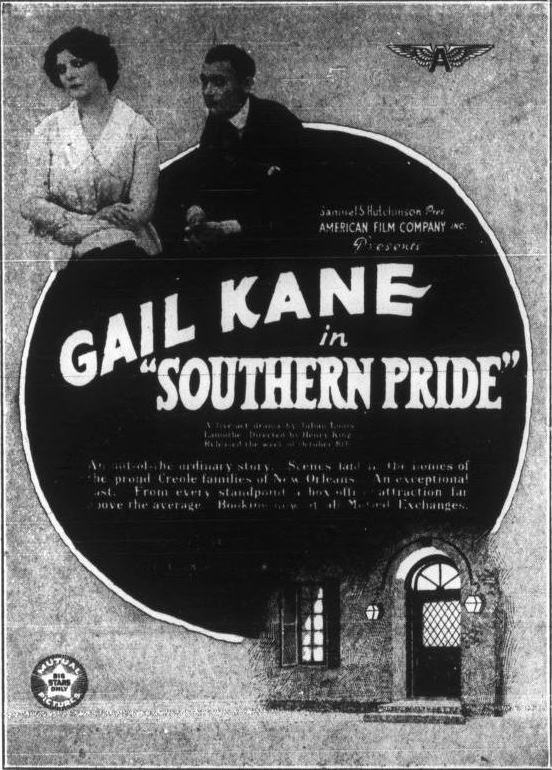
Dir: Henry King
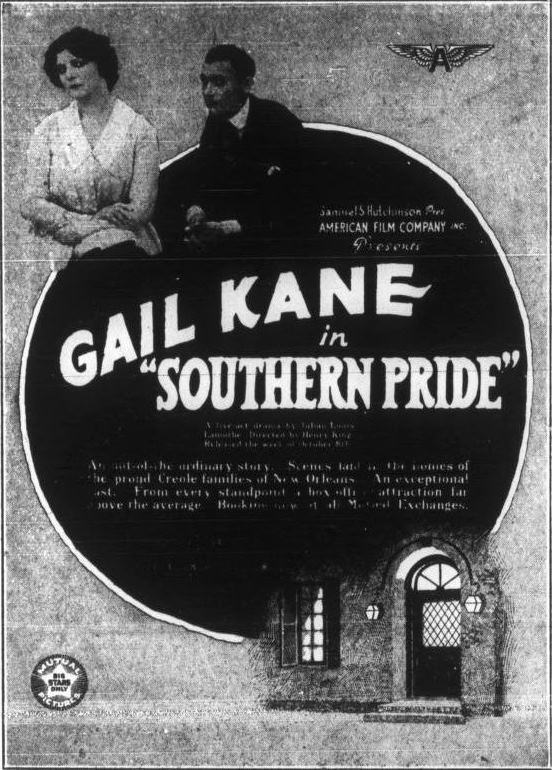
The only remaining members of New Orleans' proud but poor Creole family are Lucie De Montrand, her brother François and their aunt, Tante Jeanne. Two men are in love with Lucie: James Morgan, a wealthy plantation owner whom her aunt wishes her to marry, and the impoverished Robert Orme, whose love Lucie returns. Desperate to win the favor of the town vampire, François gives her the jewels that Gaspar La Roche, an old antique dealer, had earlier given to Lucie. Then, when Lucie fails to wear them as the queen of the Knights of Consus Ball, Gaspar refuses to believe that she is ignorant of their whereabouts. If she marries him, he suggests, she may keep the jewels, but otherwise, she must return them immediately. Lucie learns from Corinne, the cook, that François has taken the gems, whereupon she visits his sweetheart and demands their return. As she walks home, Gaspar insults her, but she is defended by François and Robert. In the confusion, the gun that Gaspar had pointed at François is discharged and the antique dealer is killed. Repentant, François abandons the vampire and assumes his position as the head of the family, while Lucie, through the mediation of Father Moret, finally is allowed to marry Robert.
View Details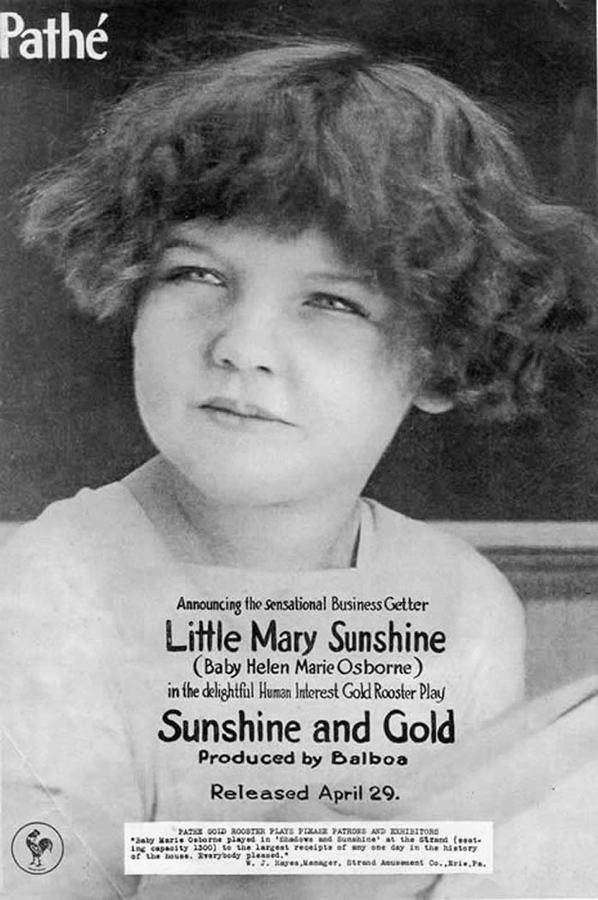
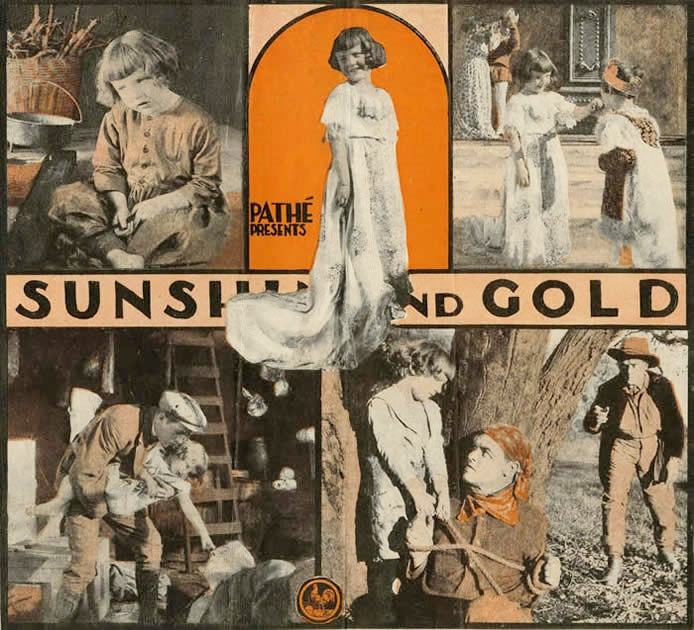
Dir: Henry King
Shouts of joy and the clapping of many tiny hands welcomed the arrival of the big birthday cake. For this was Little Mary's birthday. To celebrate all Mary's little friends had been invited and the big event which preceded the supper and the cutting of the cake was a performance of Cinderella and the affair of the glass slipper. Little Mary forgot to leave at the hour of 12, and when she was called away by the fairy she dropped her glass slipper on the stair. Of course, to every one's amazement, when the Prince went looking for the owner of the slipper, the only one whom it fitted was Little Mary. The party and the excitement was all over, and, as an added help to recuperate from the strain of starring. Little Mary the next day went auto riding with the chauffeur. But fate then took a hand in the story of Mary's life. Captured by Gypsies and later escaping in the midst of a battle royal amongst the tribe she finally made her way to the hut of a crabbed old man, but she finally overcame his crabbedness by her cute and winning smile. Unknown to Little Mary, her benefactor was in reality her grandfather, James Andrews, who had taken his money to this backwoods place because of his son, Dr. Andrews, who had married against his wishes. The chauffeur, wild with anxiety, finally located Little Mary in the cellar, where she had gone to help the old man, who had fallen while miserly counting his money. Would they be able to reach the city in time? They faced a hard task, but Little Mary had known harder work when she had starred in Cinderella.
View Details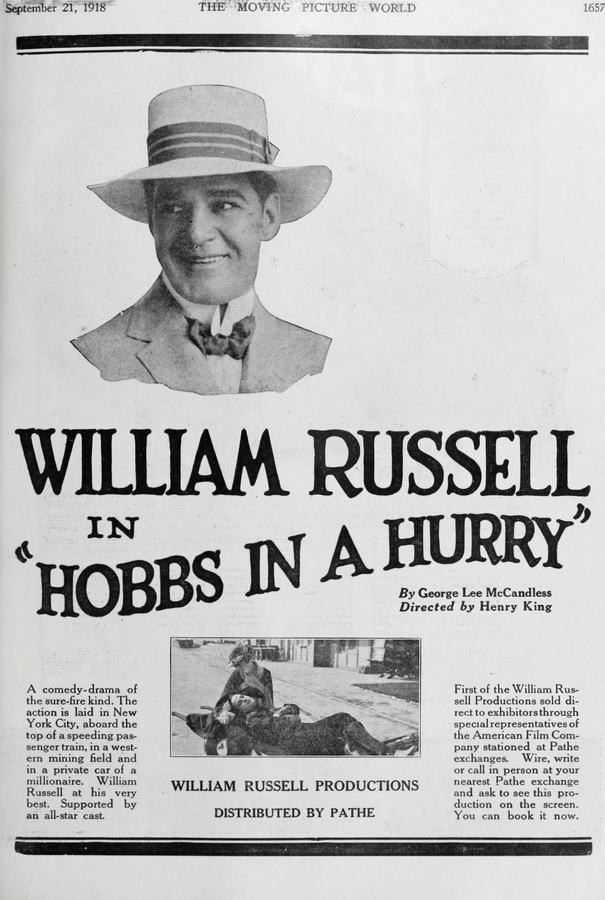
Dir: Henry King
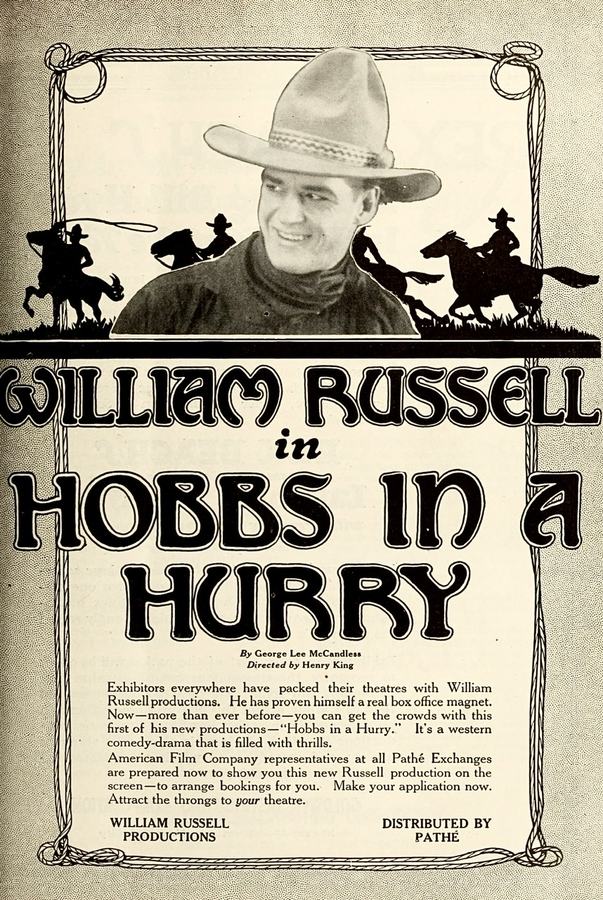
Millionaire J. Warren Hobbs, Sr., sends his lively young son to New Mexico to buy back a mine he previously had thought worthless but since has discovered is rich in tungsten deposits. Lord Willoughby, the mine owner's twin brother, suggests to Hobbs's business rival, Rufus Renshaw, that he buy the mine, after which Willoughby, Renshaw and Renshaw's daughter Helen, the sweetheart of Hobbs, Jr., catch a westbound train. Angered when Helen scorns his advances, Lord Willoughby disguises himself as his brother and sells Renshaw the mine; meanwhile, Hobbs, Jr. purchases it from its real owner, Louis Willoughby. Soon after Renshaw discovers that Lord Willoughby tricked him, Hobbs, Jr. learns that the mine is worthless after all and sells it to Renshaw in return for the old man's permission to marry Helen. Having successfully tricked the whole party, Hobbs and his fiancée make a quick exit.
View Details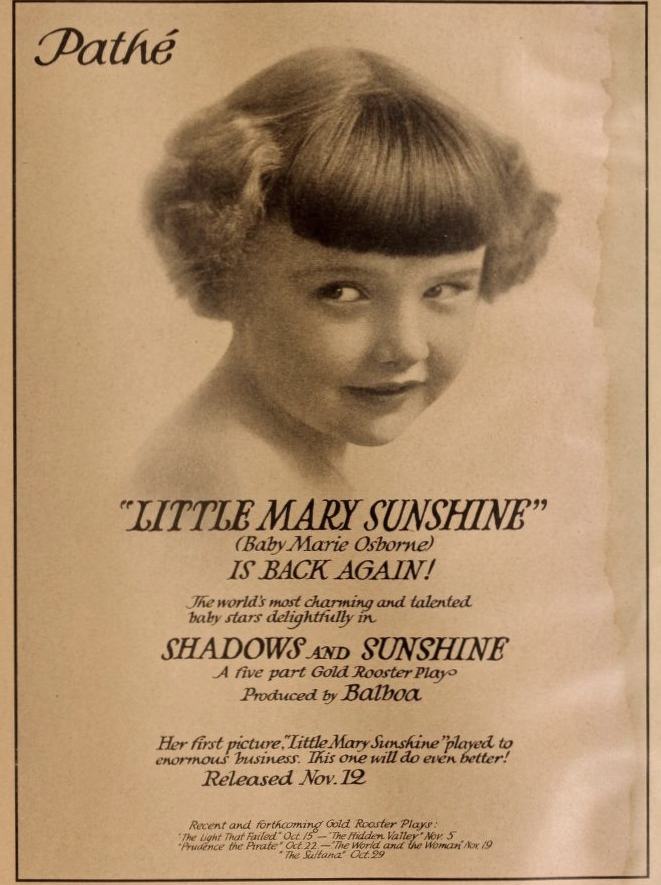
Dir: Henry King
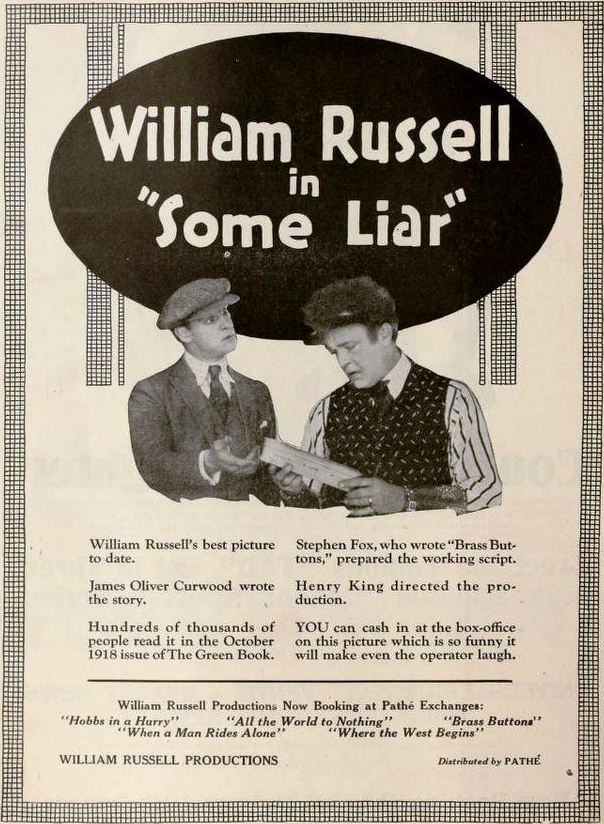
Traveling salesman and teller of tall tales Robert Winchester McTabb arrives in Yellow Jacket, Arizona selling coffins and cradles with his motto that he "catches 'em coming and going." Celie Sterling believes McTabbs lies about his prowess and promises to buy a coffin if he will kill the man she wants to occupy it--Sheldon Lewis Kellard, who has papers which jeopardize her father's reputation. Celie refuses to comply with Kellard's desires in order to gain the papers. Meanwhile, High Spade McQueen is angered by McTabb and threatens to kill him. McTabb agrees to kill Kellard, although his cowardliness makes him stay close to Celie for protection. When McTabb buys two horses, he is accused of being a horse thief by a posse, until he proves his innocence. McTabb tells Celie he has killed Kellard, when McQueen has actually beaten him to it. Celie recognizes that McTabb is a liar, but she forgives him after he promises never to lie again.
View Details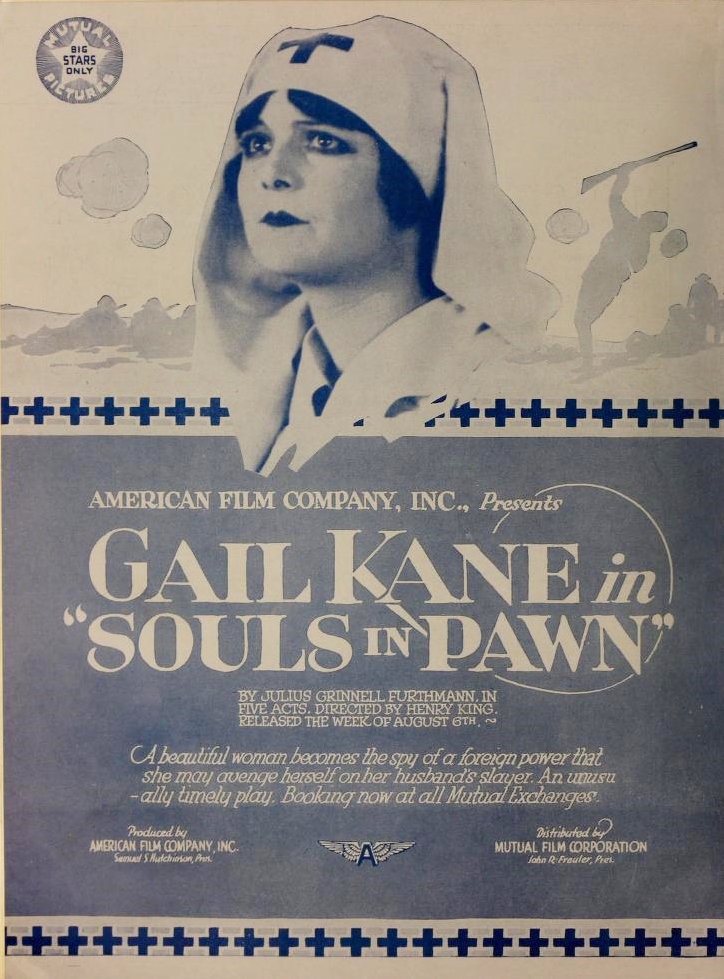
Dir: Henry King
Chief of the German secret service in Paris, Prince Kondemarck has been ordered to secure for his government the service of the most clever and beautiful woman obtainable. Liane Dore, widow of the late Sebastian Dore, who was killed mysteriously, agrees to serve on the prince's promise to reveal in one year the name of the man who killed her husband, against whom she has sworn vengeance. Unknown to Liane, the prince himself accidentally killed Dore who, posing as a bachelor, betrayed the prince's sister. In the course of their association as spies, Liane and the prince fall in love. When war comes, Liane throws her home open to wounded Frenchmen, and Baron Arnorld von Pollnitz, a German spy seeking revenge on the prince, denounces Liane as a spy. Arrested and sentenced to death, she is saved by the prince. After learning that her rescuer was her husband's killer, Liane is on the verge of betraying him when he produces letters which prove her husband's duplicity, and together they flee on board the prince's yacht.
View Details
Dir: Henry King
Wealthy diamond collector Larry Hanrahan is given the opportunity to assist the beautiful, jewel-bedecked woman he admires in a Broadway café when she and her guardian are attacked by robbers. Larry is invited to visit the grateful pair, Col. Paul Gascoyne and his ward Adrienne, at the colonel's laboratory, where he is introduced to Wintermute, a chemist who produces imitation diamonds. In return, Larry asks them to view his priceless diamond collection. Although he has fallen in love with Adrienne, Larry is forced to believe that she is a thief when he is robbed by a woman wearing Adrienne's scarf. Larry finds his jewels in Gascoyne's house, but before he can escape, a group of thugs overpowers him. Adrienne assists him in contacting the police, who arrive in time to capture Gascoyne and his gang. Badly wounded, the colonel confesses that Adrienne has been his innocent dupe, whereupon Larry happily takes her to his heart.
View Details
Dir: Henry King
Just after Bob's fiancée breaks off their engagement, he meets young Mary, whose mother has just died, and the two of them comfort each other.
View Details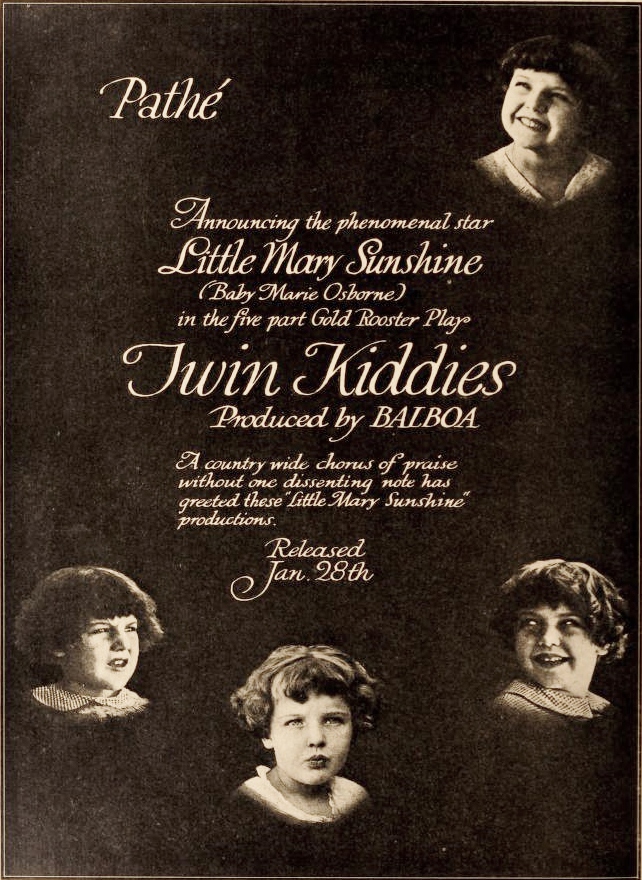
Dir: Henry King
No one seems to understand or love Fay, the little spoiled granddaughter of William Van Loan, a hard-hearted capitalist, but the old family butler, who tells her fairy stories. In Powhatan, a mining town controlled by Van Loan, Bessie, a sweet motherless child of Jasper Hunt, a mine foreman, lives with their housekeeper, Mrs. Flannigan. The mining company raises the price of food stuffs at the only store; the men resent this, and failing to get increased pay, strike. Van Loan refuses to yield and decides to use scab labor. Scenes of violence follow and, compelled to go to Powhatan, Van Loan takes Fay with him. Fay meets and plays with Bessie and for fun they change dresses. Separated, the unusual likeness deceives the Van Loan governess, who supposes Bessie to be Fay and whisks her away. Mrs. Flannigan finds and takes Fay, sick from exposure, to the Hunt home. Business hurriedly recalls Van Loan and mistaken for a changed Fay, Bessie revolutionizes the Van Loan household by her sweetness. Hunt, the real leader of the striking men, is summoned to meet Van Loan. During the unsuccessful arbitration meeting, Bessie comes in to bid her "grandfather" good night and, seeing her father, rushes to his arms. Hunt, busy with the strike, supposes her to be ill at home. They are all dumbfounded. Bessie tells them how she and Fay changed clothes. Looking up the family trees, the likeness of the "twin" kiddies is explained, and, completely won over, Van Loan yields to the men and Hunt is made mine superintendent. Years of dread follow, and just as a report of the other's death reaches him, his foe appears, immensely wealthy and wreaks the vengeance in a spectacular manner.
View DetailsAnalysis relative to All the World to Nothing
| Film Title | Atmosphere | Complexity | Similarity |
|---|---|---|---|
| The Locked Heart | Gritty | Dense | 87% Match |
| Southern Pride | Tense | High | 87% Match |
| Sunshine and Gold | Tense | Linear | 96% Match |
| Hobbs in a Hurry | Gritty | Dense | 97% Match |
| Shadows and Sunshine | Gritty | Abstract | 95% Match |
This guide was algorithmically generated using the cinematic metadata of Henry King's archive. Last updated: 8/16/2026.
Back to All the World to Nothing Details →