
DbcultAccessing Vault...
Recommendations
Senior Film Conservator
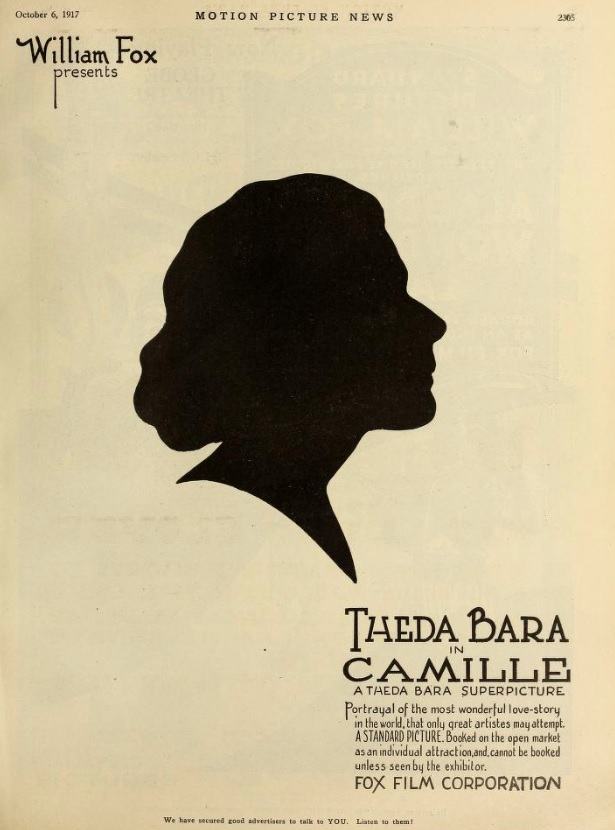
After experiencing the unique vision of Camille (1917), you are likely searching for more films that share its specific artistic vision. Unlock a new level of cinematic understanding with these cult alternatives.
This 1917 cult classic stands as a testament to push the boundaries of conventional storytelling.
Camille is a courtesan in Paris. She falls deeply in love with a young man of promise, Armand Duval. When Armand's father begs her not to ruin his hopes of a career and position by marrying Armand, she acquiesces and leaves her lover. However, when poverty and terminal illness overwhelm her, Camille discovers that Armand has not lost his love for her.
The influence of J. Gordon Edwards in Camille can be felt in the way modern cult films handle unique vision. From the specific lighting choices to the pacing, this 1917 release set a high bar for atmospheric immersion.
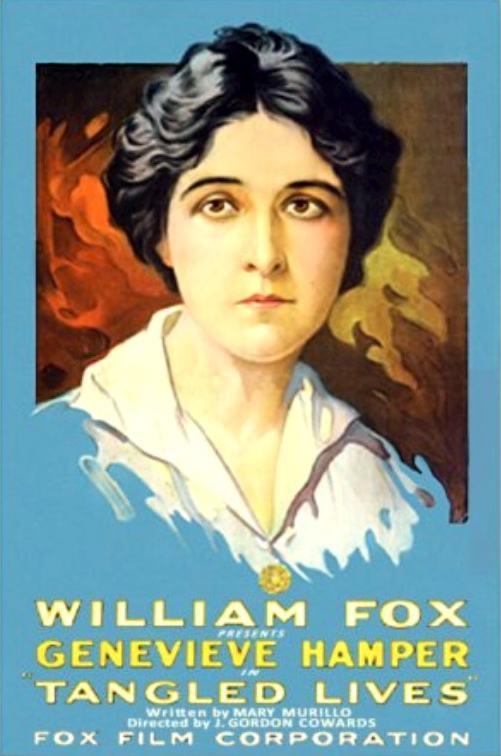
Based on the unique unique vision of Camille, our vault has identified these titles as the most compelling follow-up experiences for fans of cult cinema:
Dir: J. Gordon Edwards
After squandering his entire estate, Roy Schuyler is forced by his creditors to marry wealthy Laura Reid. Her half-sister Ann tries to warn her of Roy's motives, but is kidnapped by Roy and incarcerated in an asylum before she can. Roy then tries to force Laura to sign a document which would accord him control of her estate. When she refuses, Roy, with the aid of Dassori, a traitor from Italy, brings Ann and Laura together. Ann dies and Laura, who closely resembles her, is placed in the asylum in her stead. Laura is finally saved when her cousin Marion bribes a nurse to allow her to escape and Dassori, with moments to live, confesses his part in the crime, thus establishing Laura's true identity. Justice is then served when Roy is driven to his death by his tortured conscience.
View Details
Dir: J. Gordon Edwards
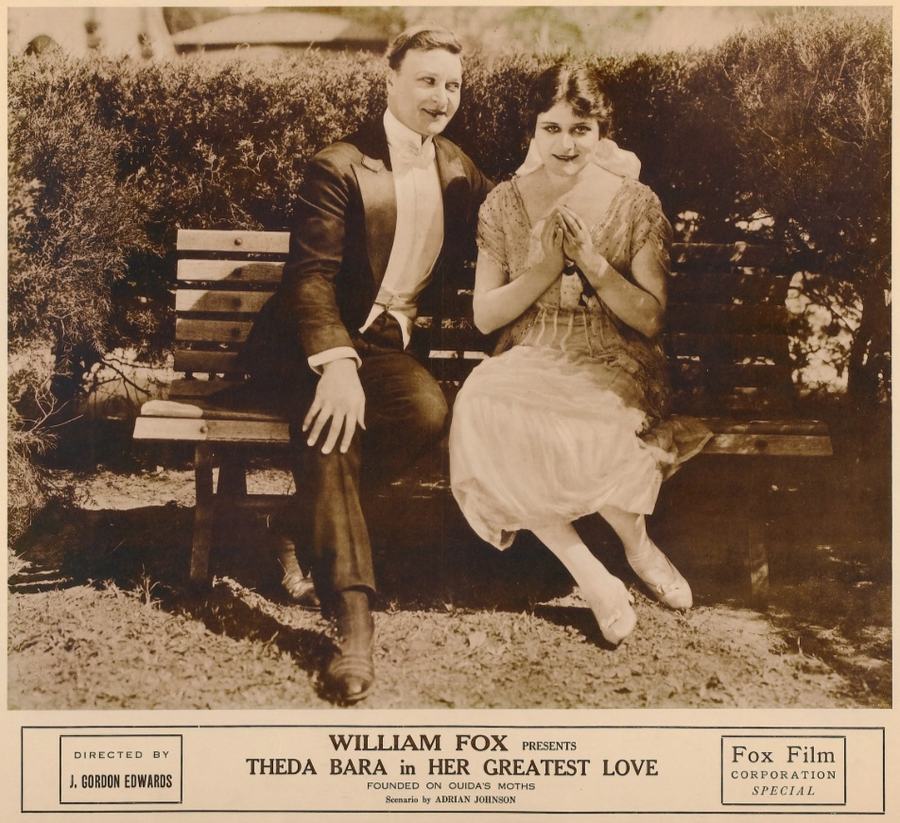
The story tells of the maneuvering, the machinations and the subtle intrigue of Lady Dolly, Vere Herbert's mother, who is anxious to make an advantageous marriage for her daughter. In doing so she eventually schemes away her child's happiness by marrying her to Prince Zuroff. Some time before she was introduced to the Prince, Vere met and fell in love with Lucien Correze, an opera singer, who became attracted to her. Told by her mother that she must sever her friendship with the singer and marry the Russian Prince, Vere heartbroken, leaves Correze, and her wedding to the Prince is a social event. Soon after her marriage Vere discovers that the Prince is harboring his mistress, Duchess De Sonnaz, under the same roof. A scene follows, after which the Prince banishes his wife, together with her faithful German nurse, to a Russian monastery. Shortly after her incarceration she is followed to the retreat by Correze and Lord Jura, the latter a friend of her mother's. Correze entreats Vere to leave the place and go with him. She is about to succumb to his impassioned plea when the Prince enters the room. Words are followed by a duel in which the Prince and Lord Jura are both killed. The Princess, free, marries Correze.
View Details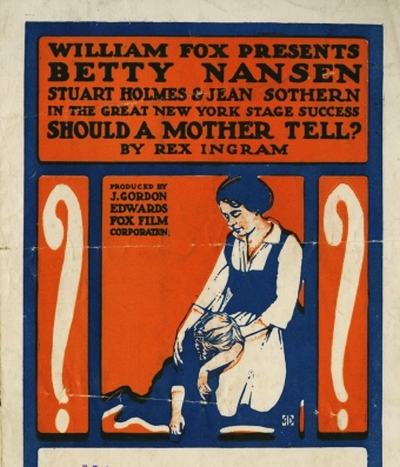
Dir: J. Gordon Edwards
Faced with the tragic responsibility of choosing between the happiness of her 16-year-old daughter Pamela or saving the life of an innocent man, Marie Baudin's first impulse is to sacrifice all for her own. But she has second thoughts that bring complications to all.
View Details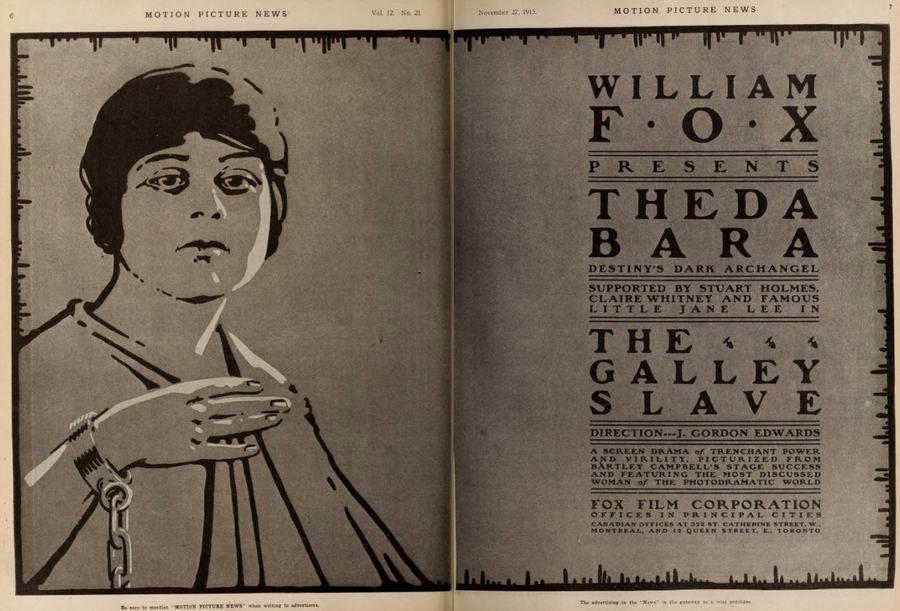
Dir: J. Gordon Edwards
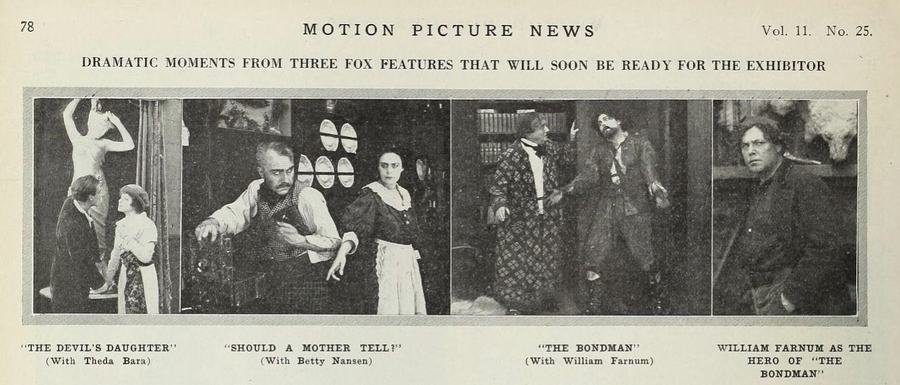
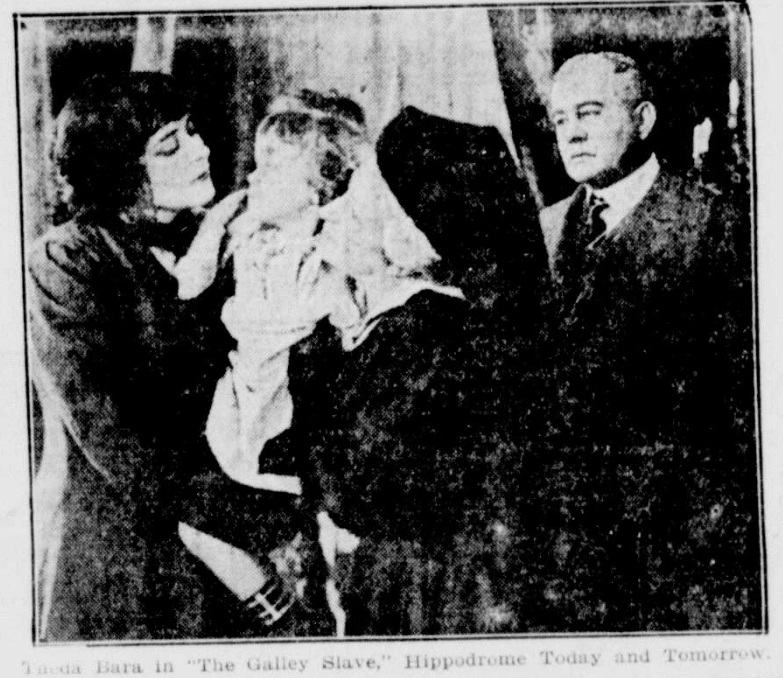
Francesca Brabaut, who married an artist against her father's advice, regrets her decision when her husband Antoine, in debt, sends her to his misanthropic uncle to plead for money. After Francesca refuses the uncle's offer to change his will if she will have sex with him, the uncle, declaring that he has misjudged women, decides to leave money to provide for Francesca and her child but dies of heart failure first. Antoine inherits a castle and title and deserts Francesca. Later, while posing in Florence for an American artist, Francesca meets the artist's sweetheart, American heiress Cecily Blaine, whose mother wants her to marry someone with a title. When Francesca learns that Antoine plans to marry Cecily, she threatens to expose him, but he convinces Cecily that Francesca and the artist are married. Cecily then consents to marry Antoine. After Francesca and the artist are sent to the galleys unjustly for theft, Antoine is exposed. When he tries to kidnap their child, Francesca shoots him, whereupon Cecily marries the artist.
View Details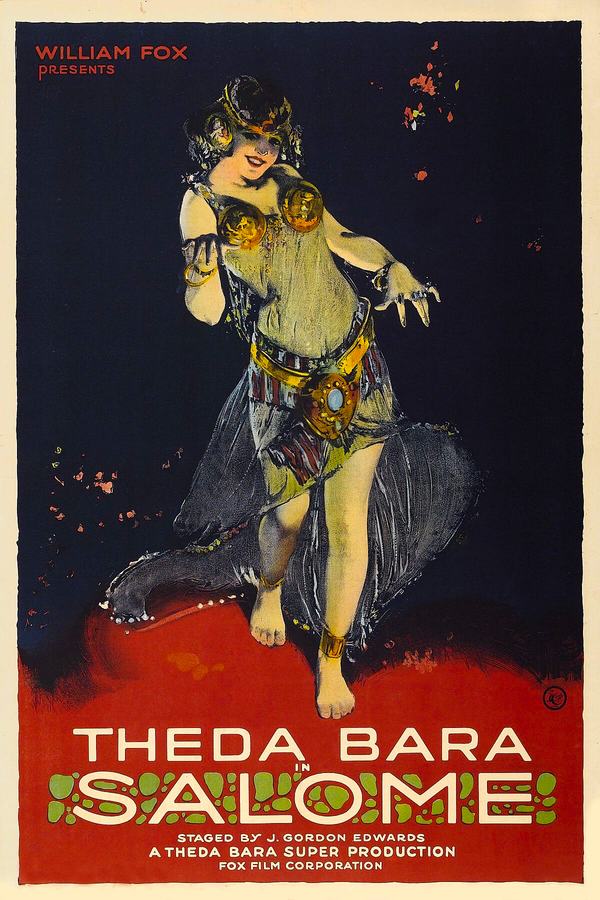
Dir: J. Gordon Edwards
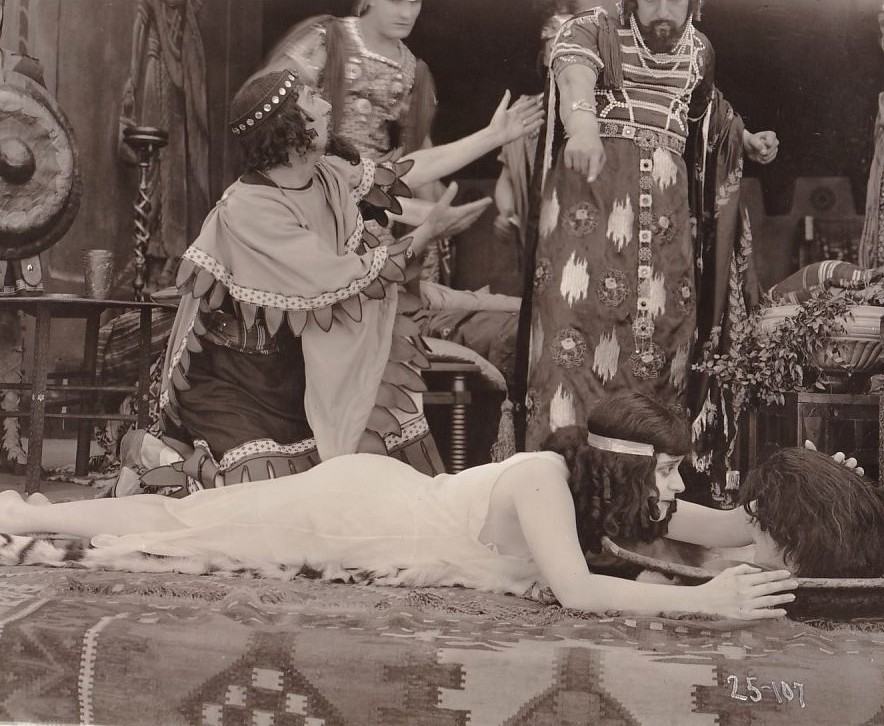
When Herodias divorces her husband and marries his brother Herod Antipas, governor of Judea, the prophet John the Baptist protests and is imprisoned. Salome, daughter of Herodias and both niece and stepdaughter to Herod, dances seductively and wins the prize of anything she asks of Herod. The prize she asks is the head of John the Baptist.
View Details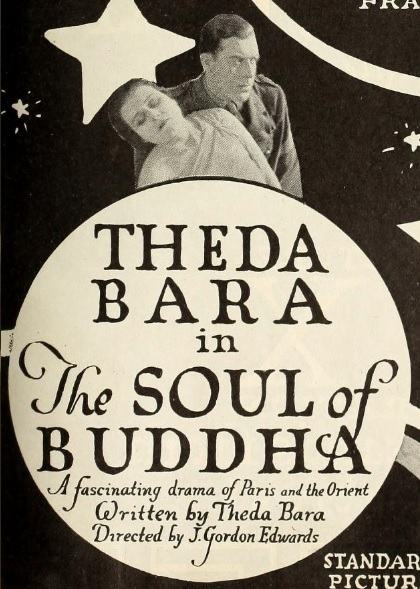
Dir: J. Gordon Edwards
Bavahari, a half caste Indian girl, renounces her oath as a sacred dancer to the worship of Buddha. The High Priest, who secretly loves the girl, is enraged and vows vengeance. Bavahari marries an English army officer, and they move to Paris where she becomes a sensation as a dancer. After she deserts her husband, he kills himself at her feet. The High Priest, discovering that Bavahari is in Paris, announces his presence by marking the "Sign of Death" on her dressing room door. He then disguises himself as a Buddha idol. As Bavahari dances on stage, the High Priest kills her in front of the audience.
View Details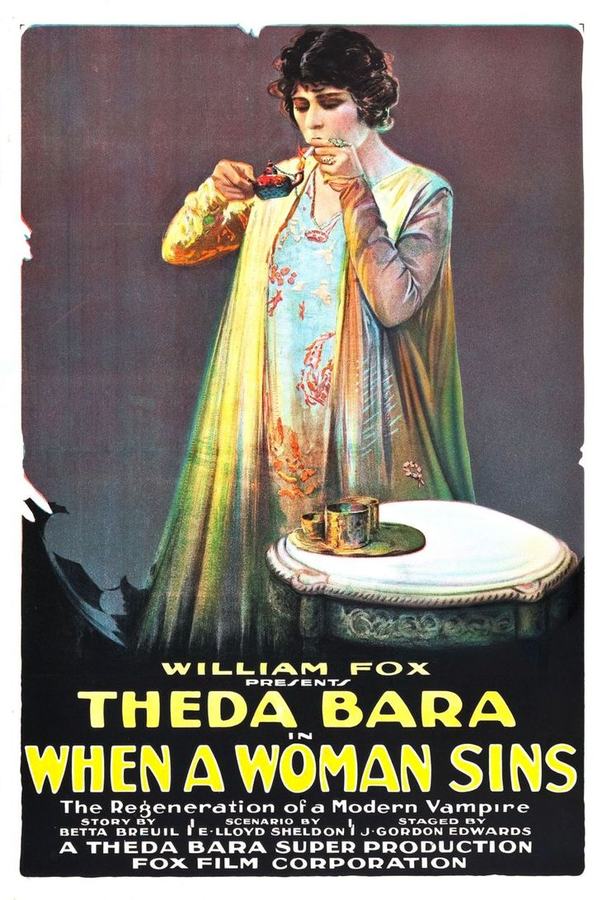
Dir: J. Gordon Edwards
Bara is unusually cast as a nearly virginal nurse and actress. She does manage to get one man to blow his brains out before she reforms and marries an Episcopal priest.
View Details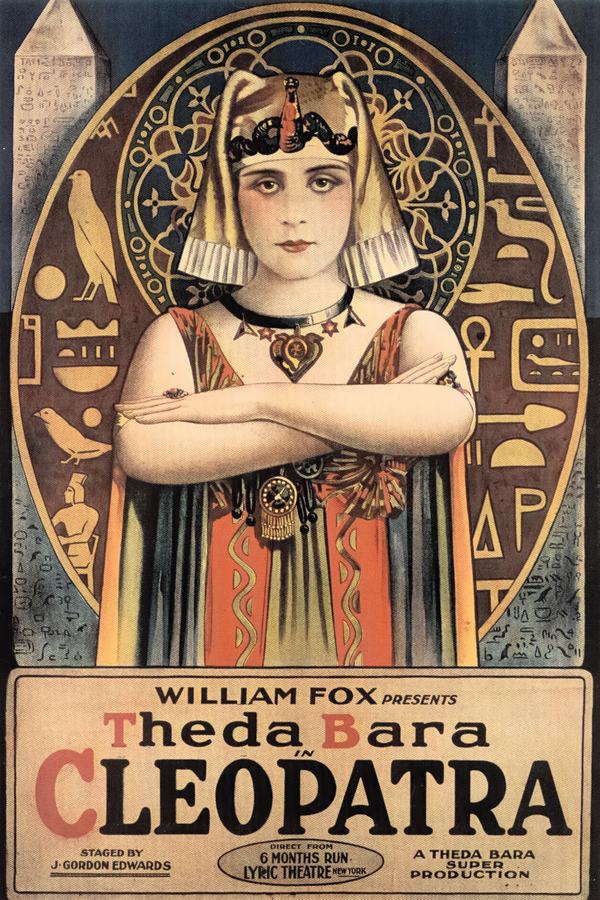
Dir: J. Gordon Edwards
The story of Cleopatra, the fabulous queen of Egypt, and the epic romances between her and the greatest men of Rome, Julius Caesar and Antony.
View Details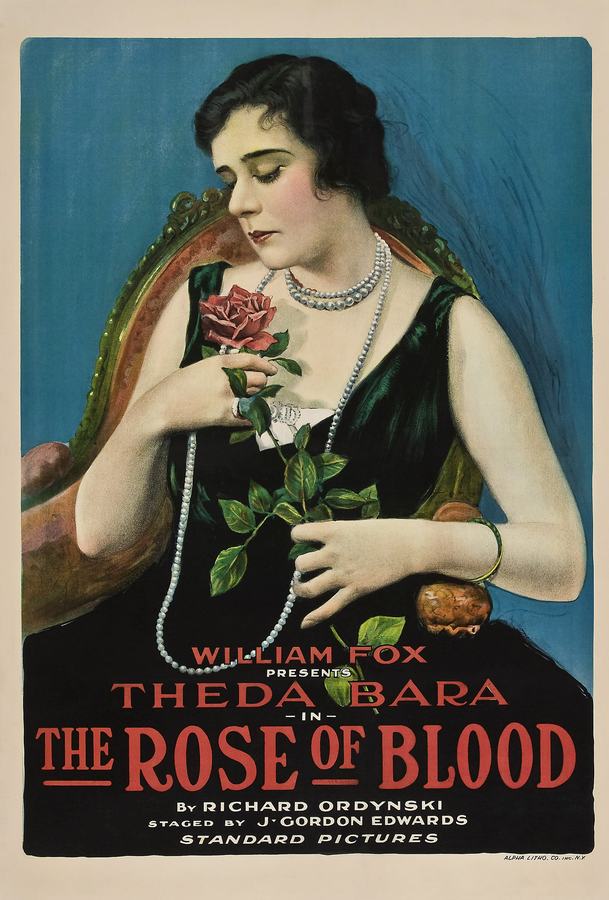
Dir: J. Gordon Edwards
After the death of Princess Arbassoff, Lisza Tapenko, a governess in the household of Prince Arbassoff, fills her place in everything but name. When the prince refuses to marry her because of the difference in their social positions, Lisza's former lover, Vassya, urges her to join the cause of the revolution. Smarting under the prince's refusal, she does so and leaves for Switzerland, the headquarters of the revolutionaries. The prince eventually yields to his son's pleas for Lisza's return and agrees to make her his wife. As Princess Arbassoff, Lisza still continues her activities with the revolutionaries, assassinating government officials and leaving a red rose on each of her victims. Torn between her love for the prince and her love of Russia when the revolutionaries order her to slay her husband, Lisza's devotion to the cause triumphs and she dynamites her house, meeting her death along with the prince's.
View Details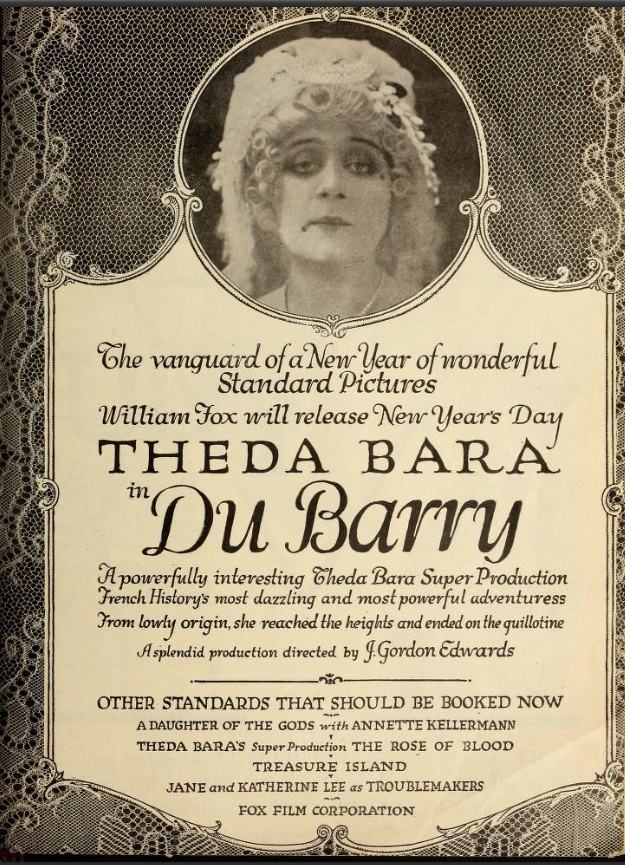
Dir: J. Gordon Edwards
Du Barry attracts the attention of the King of France as he rides through the streets. A meeting follows, she losing her garter and the King his heart. Installed at court, Du Barry holds the King's favor in spite of her love for a soldier. The King dies and Du Barry plans to wed her soldier sweetheart, but she falls a victim of the Revolution.
View DetailsAnalysis relative to Camille
| Film Title | Atmosphere | Complexity | Similarity |
|---|---|---|---|
| Tangled Lives | Gothic | Linear | 97% Match |
| Her Greatest Love | Surreal | Layered | 94% Match |
| Should a Mother Tell | Gritty | High | 95% Match |
| The Galley Slave | Surreal | Layered | 86% Match |
| Salome | Gritty | High | 87% Match |
This guide was algorithmically generated using the cinematic metadata of J. Gordon Edwards's archive. Last updated: 6/27/2026.
Back to Camille Details →