
DbcultAccessing Vault...
Recommendations
Senior Film Conservator
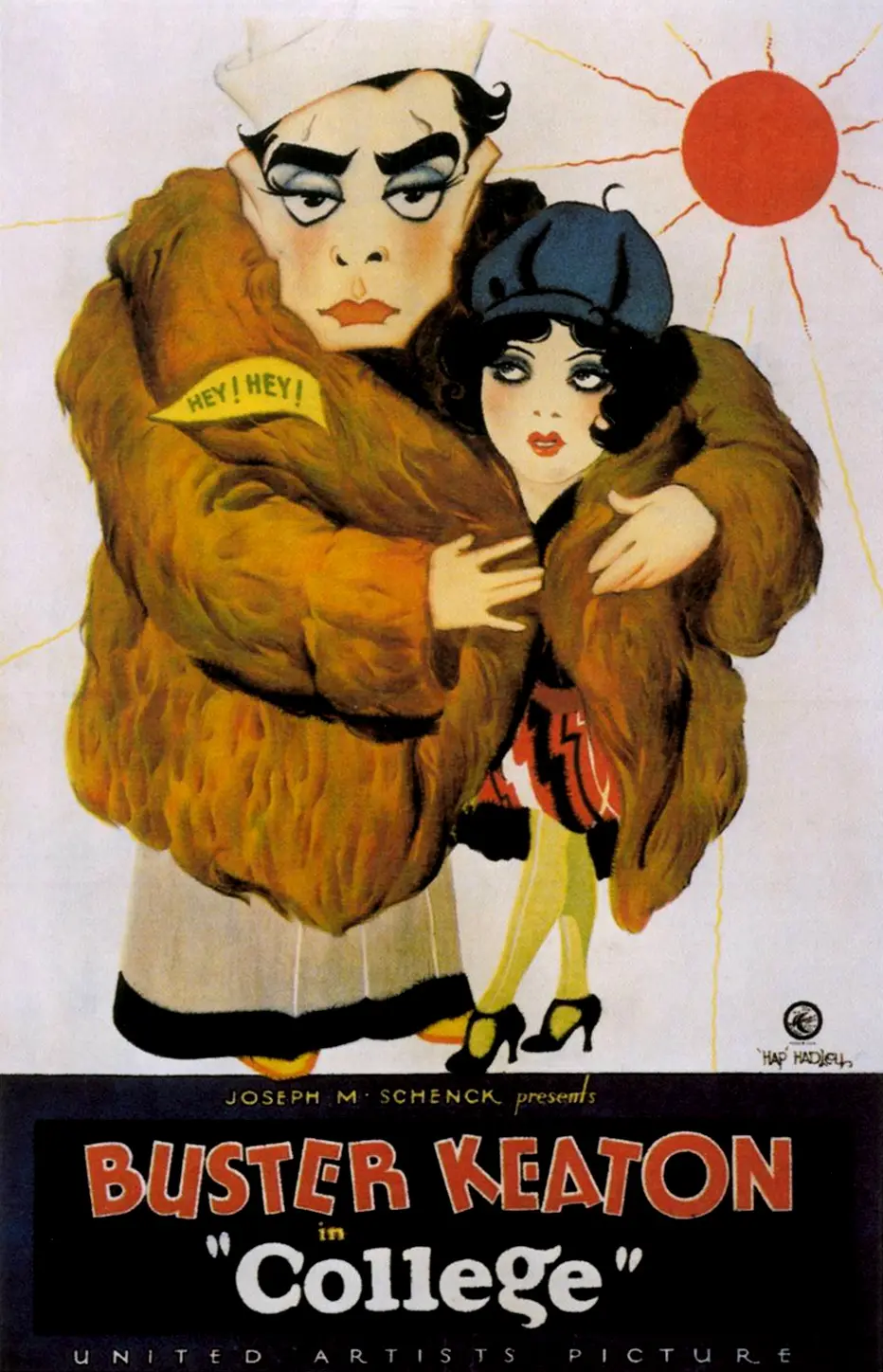
Looking back at the 1927 milestone that is College, the cinematic shorthand used by James W. Horne is both ancient and revolutionary. Dive into this collection and find the spiritual successors to James W. Horne's vision.
As James W. Horne's most celebrated work, it defines to articulate the unspoken anxieties of United States's 1927 era.
Ronald's high-school valedictory address praises books and condemns sports. His girlfriend Mary condemns his attitude. Fearing to lose her to rival Jeff, he decides to go to college and pay more attentions to sports.
Based on the unique thematic gravity of College, our vault has identified these titles as the most compelling follow-up experiences for fans of Sport cinema:
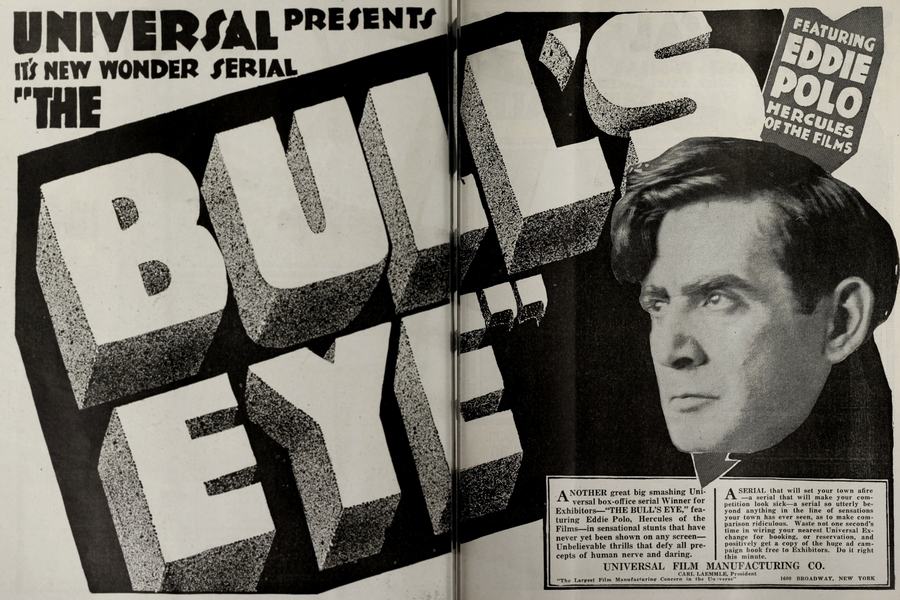

Dir: James W. Horne
A fascinating piece of cinema that shares thematic elements.
View Details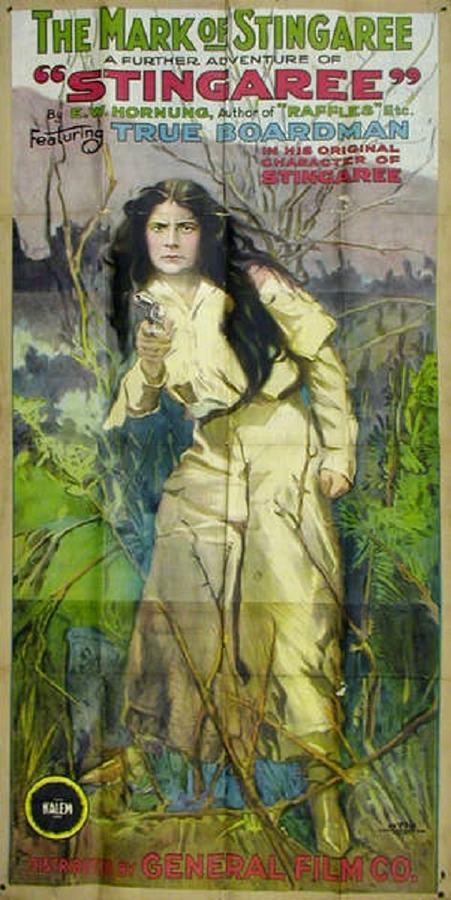
Dir: James W. Horne
In the Australian outback, a young woman falls for a dashing bandit known as Stingaree, who is actually a wealthy Englishman cheated out of his fortune by his greedy brother.
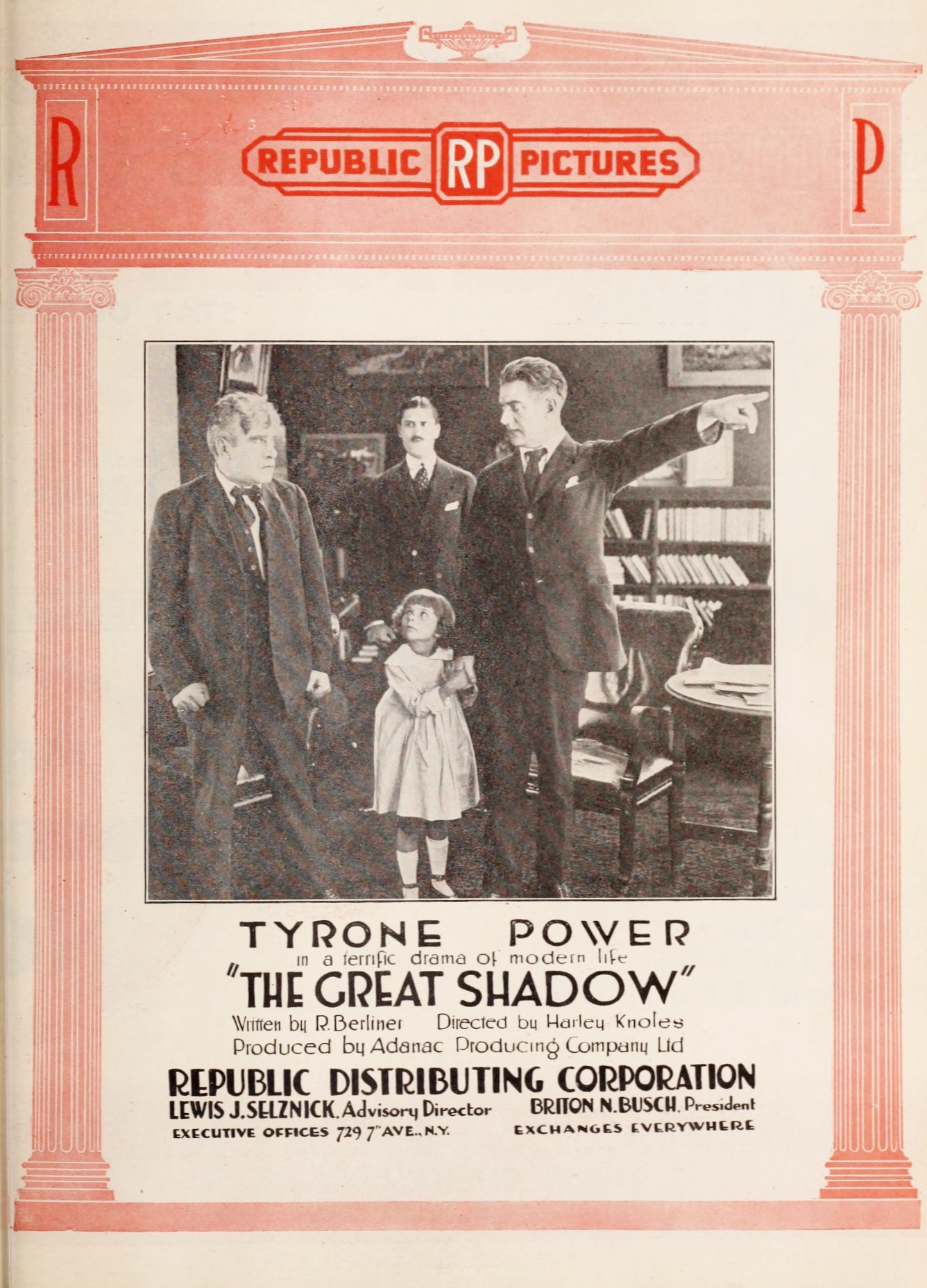
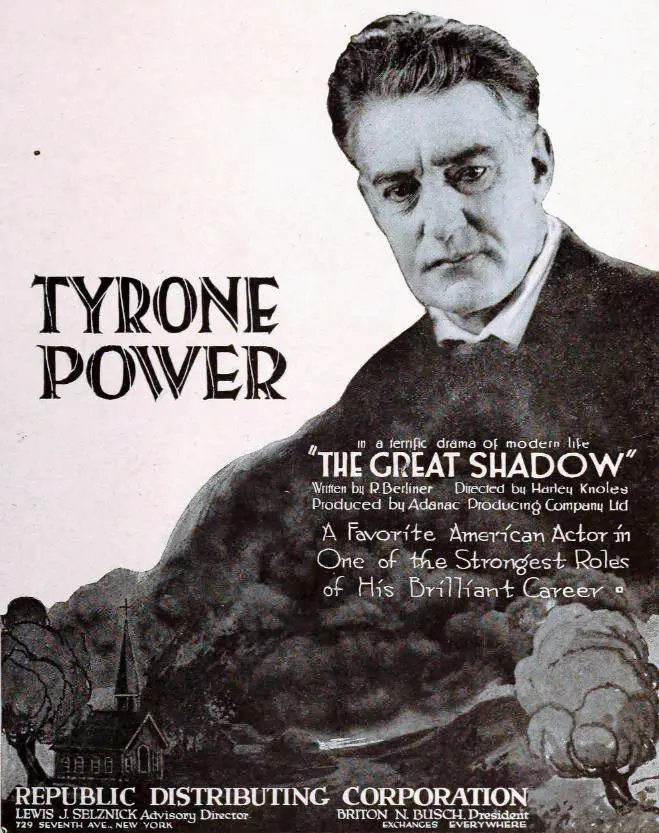
Dir: Harley Knoles
Jim McDonald, the foreman of a shipbuilding plant and head of the labor union, strives to combat the anarchistic propaganda being put forth by Klimoff, the leader of a Bolshevik gang whose goal is to disrupt the country with strikes and anarchy. Despite McDonald's efforts, a strike is called, resulting in chaos. McDonald's child is knocked down by runaway horses abandoned by their striking driver, and dies. Mob scenes take place in America, as well as in Russia. Eventually, the unrest is quelled with an armistice called between Capital and Labor for a year, during which time wages are to be increased to reflect the cost of living, and leaders are to work out a common plan for their mutual advantage. The strikers now realize that they have been pawns of the Bolsheviks and call off the strike, agreeing to the plan.
View Details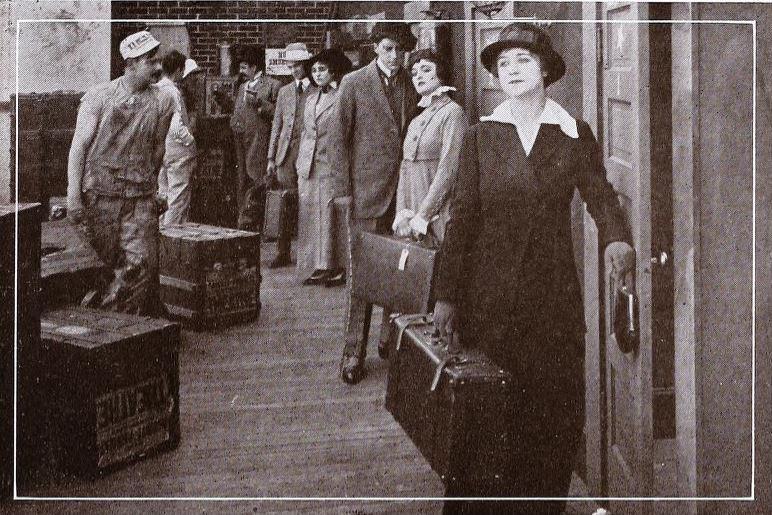
Dir: James W. Horne
Adam, the proprietor of a country hotel, loses his heart to Nell, a soubrette. Unknown to the old man, the girl and his son Jack were formerly sweethearts, but had quarreled because of her refusal to leave the stage. Knowing of Adam's love for Nell, Mason, the leading man, and Eppstein, the manager, induce him to finance the show. This is on its last legs. The members of the company stop at Adam's hotel while in Preston and thus Nell meets Jack again. Upon her refusal to give up the stage, Jack angrily leaves her. When the show departs early next morning, Adam goes with it. Nell is fascinated by Mason and the latter plays her against Clara, who also fancies she loves him. Nell does not know that it is Adam's money which is backing the show. When she does discover the manner in which the old man is being fleeced, she promptly declares her intention of quitting the company. The conspirators vainly plead with the girl. Desperate, Mason and Eppstein kidnap Adam and wire Jack in the old man's name asking him to telegraph $600. His suspicions aroused, Jack determines to investigate. In the meantime, Nell has discovered Adam's predicament. Securing assistance, she rescues him just as Jack arrives. In gratitude, Adam advances enough money to send all the members, with the exception of the plotters, home. Nell, sick of the stage, returns to Preston with Jack and his father. The latter learns of their love affair, and concealing his own love, gives them his blessing.
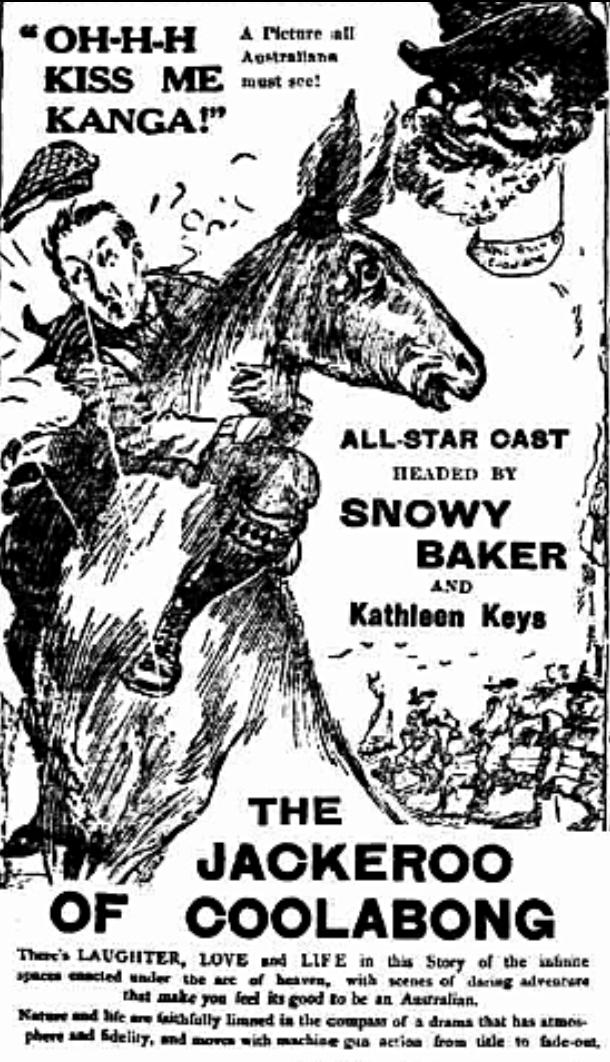
Dir: Wilfred Lucas
Brian O'Farrell (Snowy Baker), is an English 'new chum' who takes a job at an Australian cattle station. He is teased by station hands because of his appearance (including spats and a monocle) but he soon impresses them with his skills at riding and boxing. The station manager, John MacDonald (Wilfred Lucas), takes O'Farrell to Sydney to meet his daughter Edith (Kathleen Key) who is working in the slums. Edith is kidnapped by criminals after witnessing a crime but O'Farrell rescues her. It is later revealed he is the owner of the station.
View Details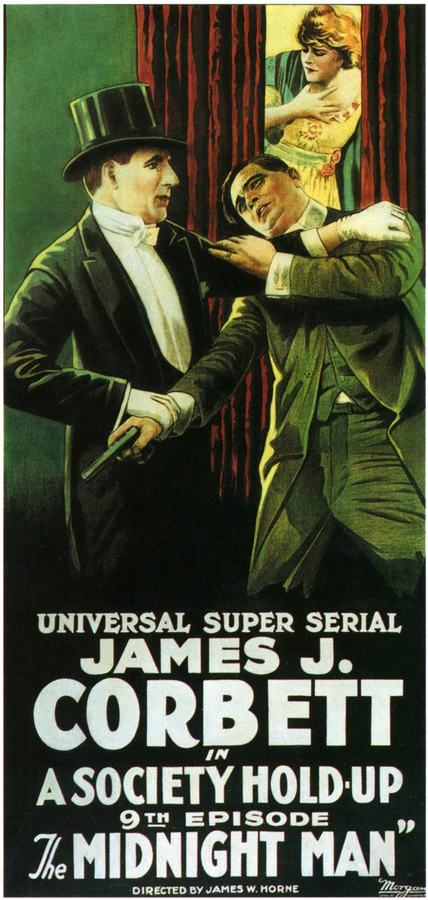
Dir: James W. Horne
Young clubman Bob Gilmore is called by telephone to his home, where his parents are giving him a birthday party. He overhears one of the male guests make a slurring remark about his mother's appearance, and punishes him right there, throwing the entire gathering into an uproar. Later in the evening he assumes guilt for a check which had actually forged by his foster father, in order to save the mother's feelings, but obtains a written confession from the guilty man for future use if necessary. Learning that he had been adopted from a foundling asylum in infancy, Bob decides to go to New York to see if he cannot learn his real name, which he understands begins with "Mor." He disguises himself and enters many homes, attired in evening clothes, and is soon known to the police as "The Midnight Man." In the meantime he has come into contact with members of the White Circle gang, and has many close physical encounters with them.
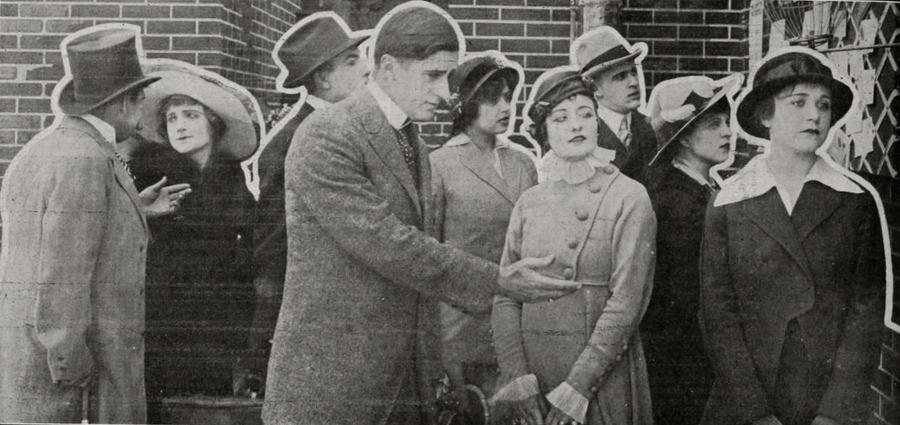
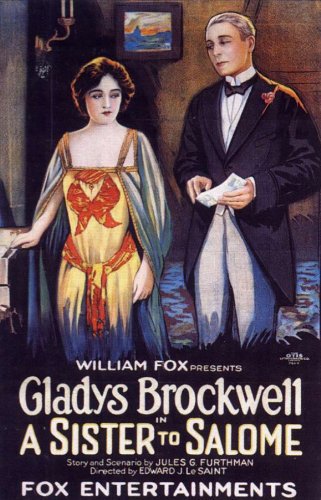
Dir: Edward LeSaint
When famous opera singer Elinore Duane undergoes an operation on her throat, she has a series of ether-induced visions. In one, she is transported to ancient Rome where she appears as a much-admired woman in love with Paul, a young heretic, and at odds with Lutor, the high priest. To save her love, she poisons Lutor with her ring. After several other visions which involve variations on this love triangle, Elinore awakens to discover that Lutor is actually her doctor, Sascha Jaccard, and that Paul is the son of a friend who has come to visit the recovering prima donna.
View Details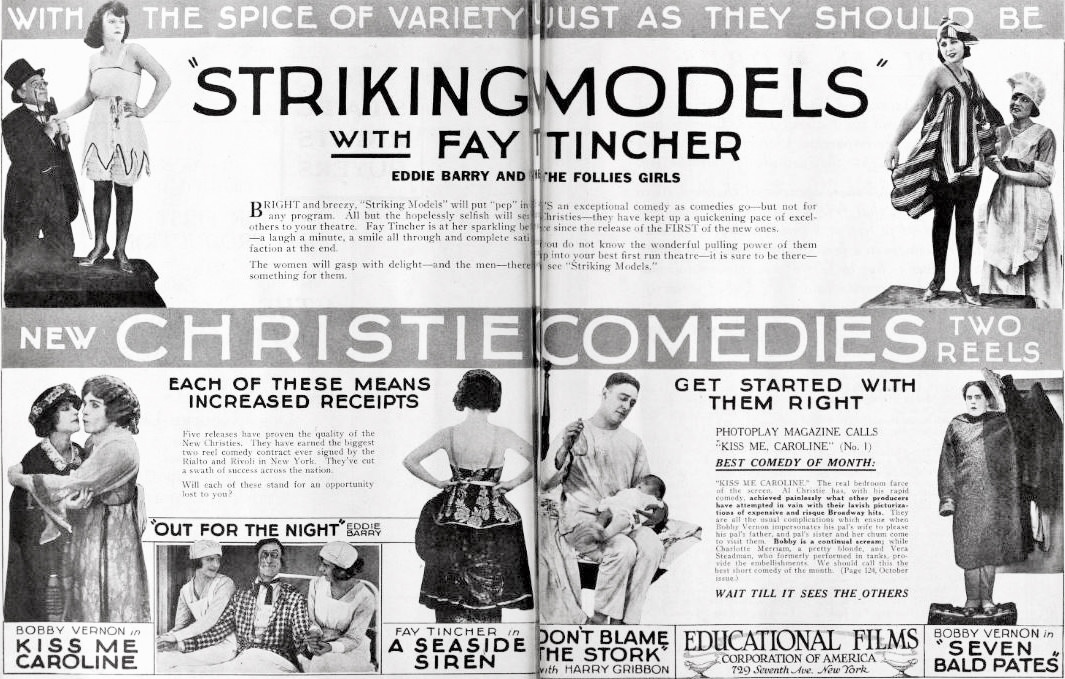
Dir: Reggie Morris
A fascinating piece of cinema that shares thematic elements.
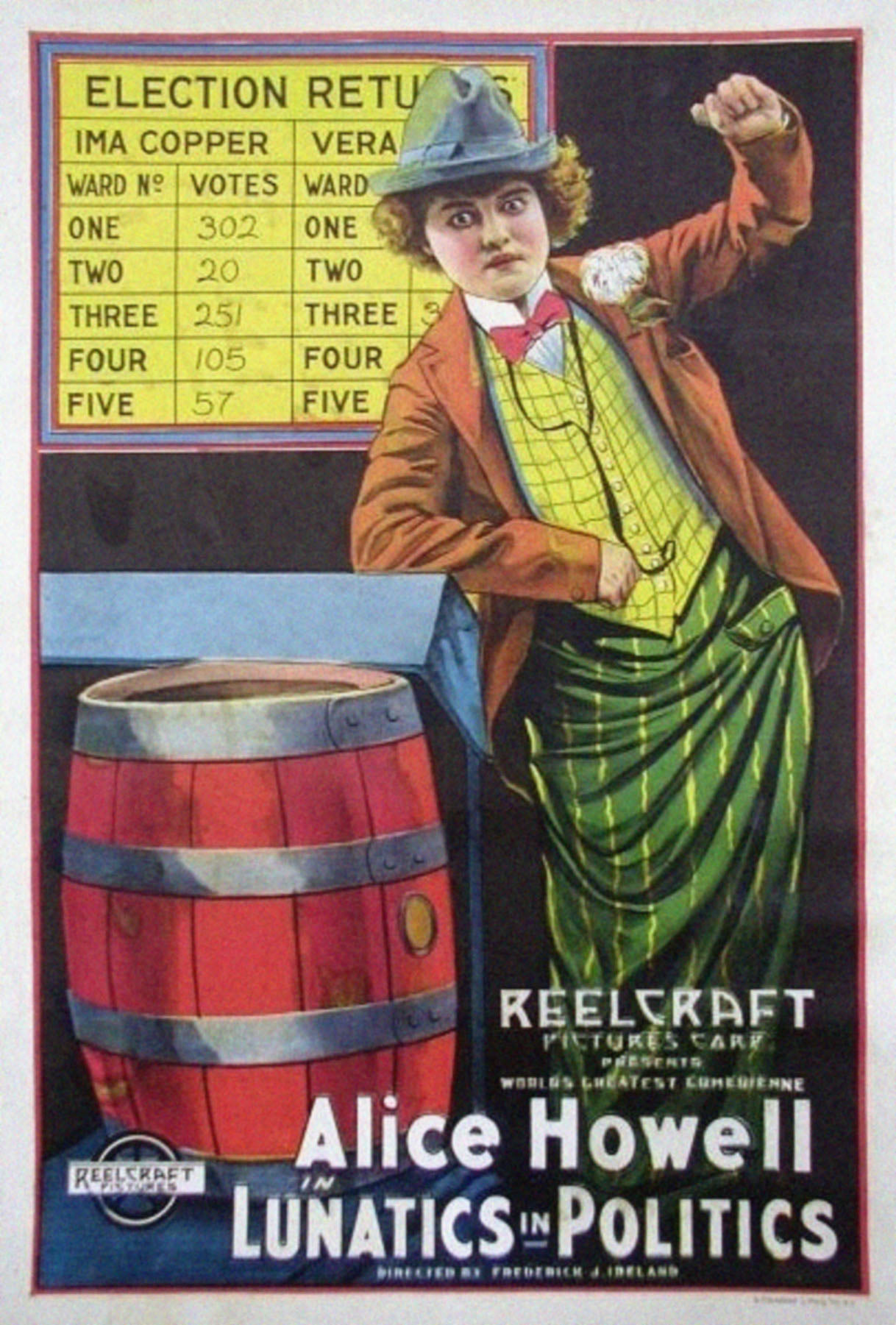
Dir: Richard Smith
Two female candidates for Chief of Police live across the hall from each other, and their political rivalry follows them home, leading to plenty of hi-jinks.
View Details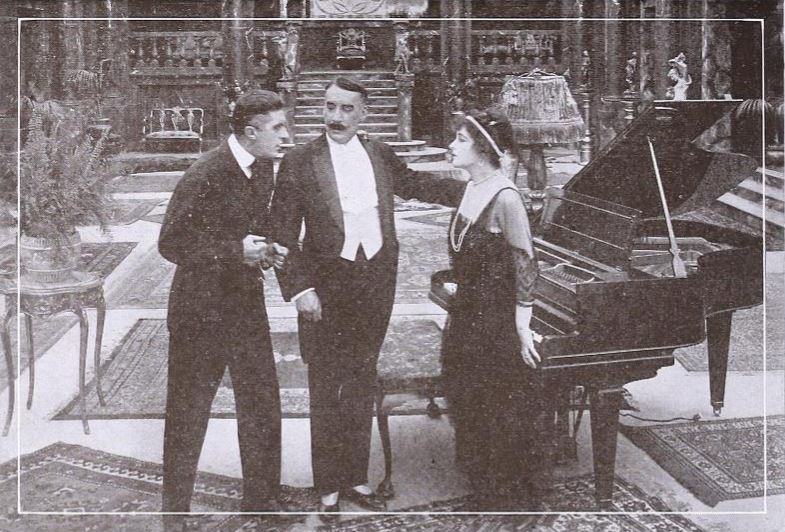
Dir: James W. Horne
Although she loves Clive, a young lawyer, Margaret weds Deering to save her father from financial ruin, while passing years bring fame to Clive and result in his being elected district attorney, the man cannot forget Margaret. Deering conducts a magnificent gambling establishment in his mansion. His conduct toward Margaret causes her to hate him. In the meantime, having promised to break up the ring, headed by Garvin, which is protecting the gamblers, Clive arranges a raid upon the Deering establishment. Due to a leak, however, this raid comes to naught. While in the mansion, Clive comes face to face with Margaret. Deering watching the two, sees their old love well up anew. It causes the man to become more brutal than ever to his wife. The district attorney discovers his secretary to be the source of the leak which had frustrated the raid. A second raid proves successful. Before this takes place, Clive dispatches a note to Margaret urging her to leave before his men arrive. Deering, believing his wife had known of this raid all along, is wild with rage and attempts to kill her. This is frustrated and the gambler is arrested. He later makes a sensational escape and returns to his mansion in time to see Ramon, his partner, rifling the secret safe containing their funds. After mortally wounding the man, Deering attempts to kill Margaret. Dying, Ramon summons Clive and the police. The latter come just in time to save the woman. Again Deering tries to escape, but this time he meets his death in leaping from a balcony.
View DetailsAnalysis relative to College
| Film Title | Atmosphere | Complexity | Similarity |
|---|---|---|---|
| The Bull's Eye | Surreal | High | 90% Match |
| Stingaree | Gothic | High | 90% Match |
| The Great Shadow | Gothic | High | 94% Match |
| The Barnstormers | Tense | Layered | 90% Match |
| The Jackeroo of Coolabong | Ethereal | High | 85% Match |
This guide was algorithmically generated using the cinematic metadata of James W. Horne's archive. Last updated: 8/17/2026.
Back to College Details →