
DbcultAccessing Vault...
Recommendations
Senior Film Conservator
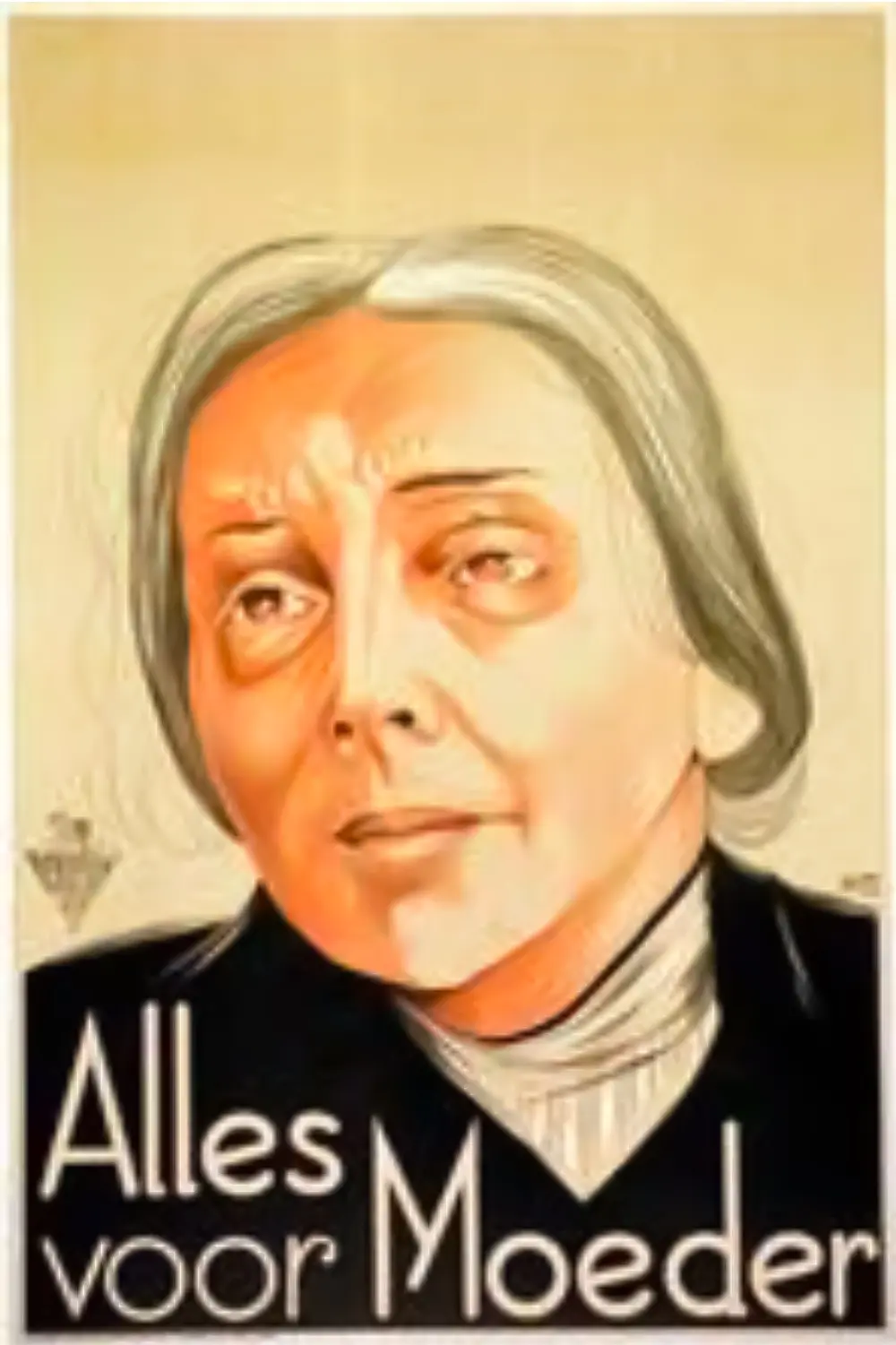
Since its 1927 debut, Die heilige Lüge has maintained a cinematic excellence status, the legacy of Die heilige Lüge is a beacon for those seeking the unconventional. Our criteria for this list were simple: only the most cinematic excellence and relevant titles.
The 1927 landscape was forever altered by the arrival of to sustain a sense of mystery that persists after the credits roll.
Critics widely regard Die heilige Lüge as a cult-favorite piece of cult cinema. Its cinematic excellence is frequently cited as its strongest asset, solidifying its place in Germany's film legacy.
Based on the unique cinematic excellence of Die heilige Lüge, our vault has identified these titles as the most compelling follow-up experiences for fans of cult cinema:
Dir: Holger-Madsen
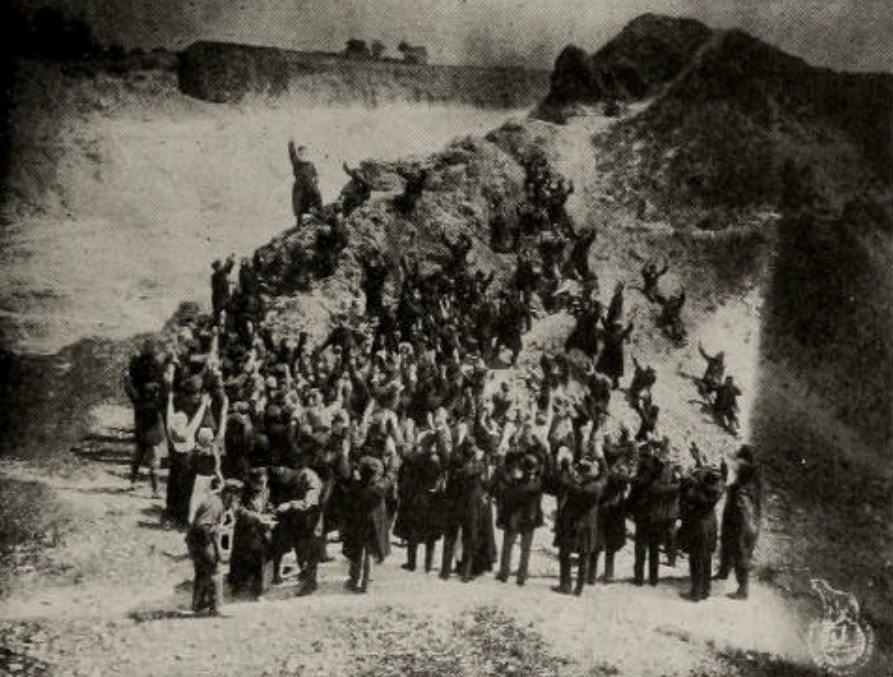
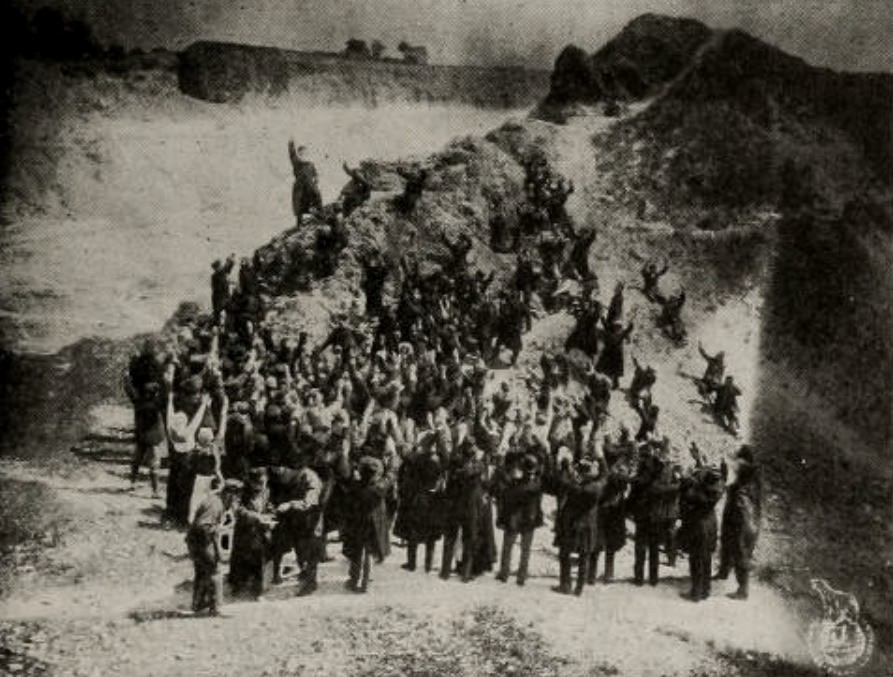
The members of the "Sidi" sect are informed that the Chancellor of State intends to submit to the Prince a bill calling for their persecution. Judith, the daughter of Samuel Hurst, a wealthy jeweler and member of the sect, is in love with the Prince, but is rebuked by her father for being in love with their persecutor. Gregory, a clerk in the employ of Hurst, whose infatuation with Judith is not reciprocated, discovers a letter from the Chancellor asking Hurst to call to do some work for him, and brands him a traitor at the meeting of the sect. A frenzied mob storms the old man's house, but the Prince himself appears and quickly disperses the crowd. That night, observed only by Gregory, Judith elopes with the Prince. Though ignorant of the fact, Samuel Hurst is denounced, but is promised exoneration if, through his daughter, he can influence the Prince to reject the bill. In this he succeeds and is exonerated. But the Chancellor orders his henchmen to gather all the soldiers they can rely upon. The Prince and Judith, realizing that the joy of life for them is ended, ascend the highest mountain peak, bid "Fare-Well" to the world, and leap to Eternity. The order for the expulsion is put into the effect that night, and as the vast numbers of the sect leave the country, Samuel Hurst comes upon the lifeless bodies of his daughter and her royal sweetheart.
View Details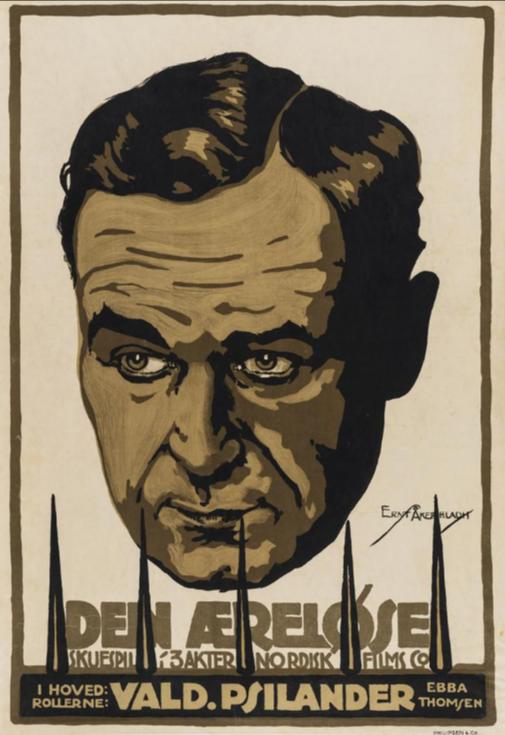
Dir: Holger-Madsen
A fascinating piece of cinema that shares thematic elements.
View Details

Dir: Holger-Madsen

An upperclass war widow marries again. The new husband is also an officer, and soon he has to go to the next war. At the outbreak, she's the only one who does not cheer about it. And the terrors of war soon bring almost all of her friends and relatives, among them generals and high government officials to the same conclusion: War does not pay.
View Details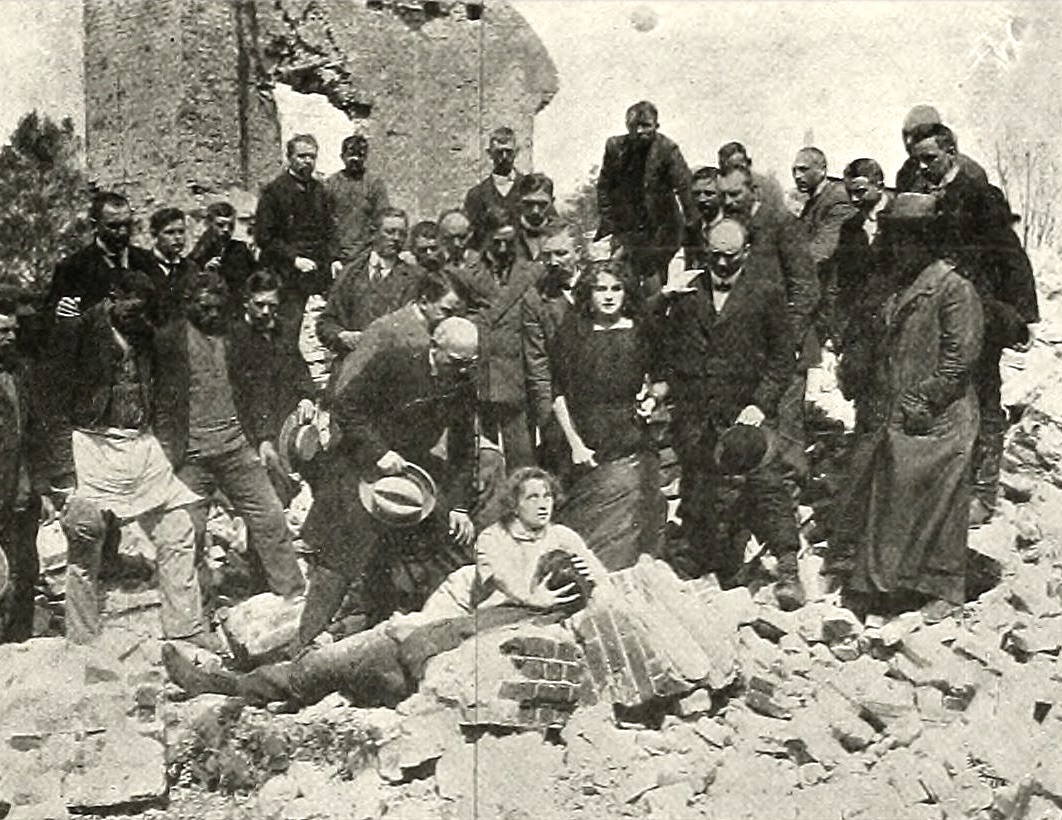

Dir: Holger-Madsen
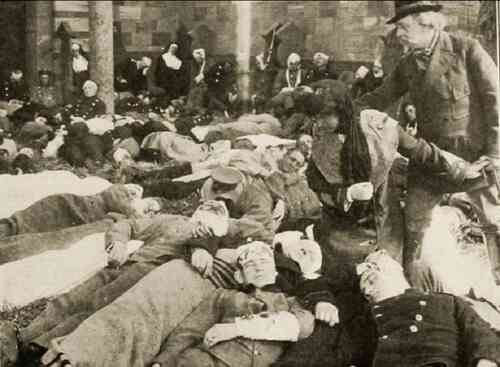
Family father Poul Berg is tempted by a dubious investment offer and retaliates so deeply that he takes his own life. His widow Ketty struggles to keep the family afloat.
View Details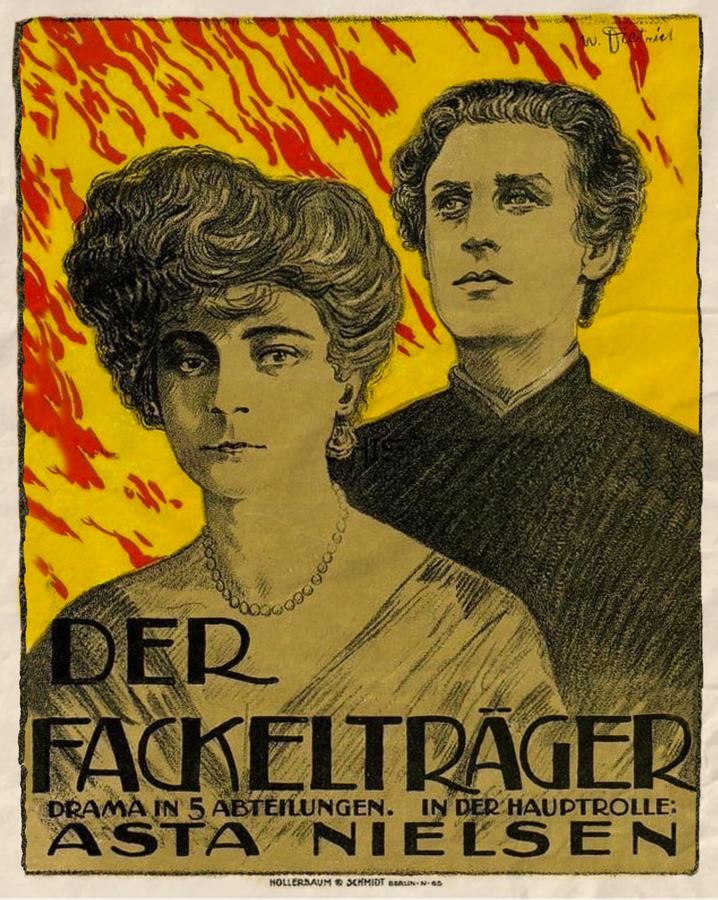
Dir: Holger-Madsen
Spoiled Ysabel marries a man of respectability but he later turns out to a criminal. Consequently, her mother breaks down, and on her deathbed, Ysabel wows to become an evangelist.
View Details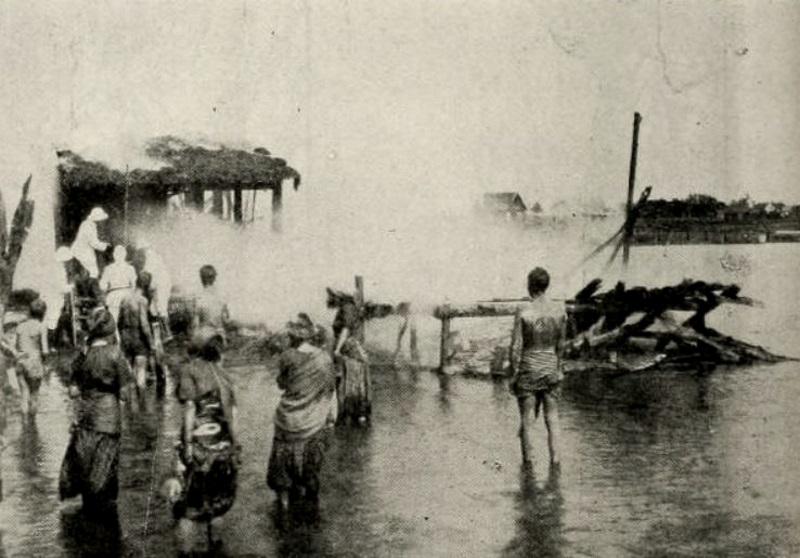
Dir: Holger-Madsen
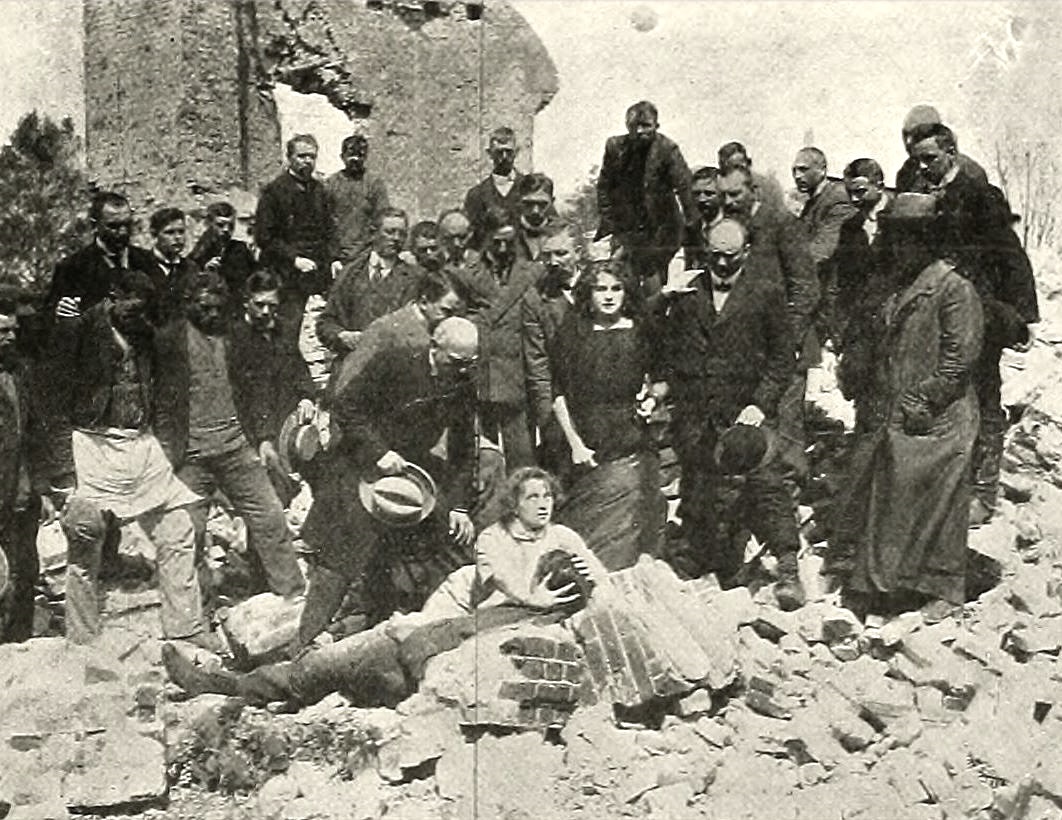
Dr. Warren, a reserved man of a seemingly stern, cold nature, which is roused only in behalf of his loved profession, is an army surgeon, stationed in India. In the pursuit of his duties, he leaves his beautiful, pleasure-loving wife, Alice, to her own devices. Captain Richard Alston, a handsome young officer, tries to make up for the husband's neglect by paying the pretty wife decided attention. Dr. Warren's suspicions are aroused, but at this juncture he is called away by an attack of plague at the river camp, some distance away, where a serum that he has discovered is demanded to stem the death rate. Dr. Warren works heroically among the wretched huts of the natives, nursing the sick and burning down the hovels to prevent the spread of the infection. In her loneliness, Alice sends for Captain Alston. On the road he encounters a child stricken with the plague. Alston puts the little one on the saddle before him and gallops away toward the hospital. When later he arrives at the Warren villa he reels with an awful sickness; the deadly infection has overtaken him. Alice, horrified and distressed, suddenly discovers a note to her husband, advising him of the plague at the river camp. This is her first knowledge of the reason for his absence, and suddenly she realizes that it is her husband she fears for most, and loves most, after all. At this moment the Indian servant announces the approach of Dr. Warren, returning after successfully accomplishing his surgical labors. Alice drags Alston into an adjoining room and goes to meet her husband. The doctor wonders at her nervous, frightened manner, when there is a sudden crash in the next room. The doctor rushes in, his terrified wife following, and finds Captain Alston prostrate on the floor. Alice springs between the angry husband and the helpless officer. Dr. Warren pushes her aside, and going into his laboratory, selects a revolver from the wall. As he turns to go, Alice confronts him and forcefully reminds him of his duty as a soldier and a surgeon. Torn by conflicting emotions but moved by his sense of professional duty to suffering humanity, the doctor hesitates only a moment. Forgetting all other impulses, he treats and cures the stricken captain. After Alston recovers, he goes to the doctor and promises to do whatever may be asked of him as atonement. The doctor asks him to promise to leave the country forever. Then, turning to his wife, he tells her to choose whether she will go with the captain or remain with him. Alice, now awakened to the full nobility of her husband, asks him to let her remain. The doctor, too, realizes his neglect of Alice, and husband and wife are at last united on the basis of a greater understanding and a truer and more abiding bond.
View Details

Dir: Holger-Madsen
After losing his parents, who died from grief over their son's unjust sentence to jail, John Redmond obtains his release and devotes his life to the uplift and betterment of mankind. After preaching to a crowd one day he is accused of having served a term in jail himself. The leader of a gang and his followers are planning an act of burglary in a saloon. John Redmond happens into the same place, but he is mocked and leaves. One of the gangsters decides to lead an honest life and appeals to John for moral aid. The lay-preacher tells him his story: How in a quarrel one evening his sweetheart was killed by the bullet of a rival suitor, which was meant for him, and for which he was sentenced to jail. Through the intervention of this prison chaplain, however, the case was retried, his innocence was proven and he was set free. His first way was to his ill mother who, shortly after his return, died in his arms. Nellie, the reformed gangster's sweetheart, rejoices over his reformation, and the lay-preacher continues his life's vocation.
View DetailsAnalysis relative to Die heilige Lüge
| Film Title | Atmosphere | Complexity | Similarity |
|---|---|---|---|
| Uden Fædreland | Tense | High | 93% Match |
| Den Æreløse | Gritty | Layered | 87% Match |
| Hvor Sorgerne glemmes | Tense | High | 86% Match |
| Down with Weapons | Ethereal | High | 91% Match |
| The Steel King's Last Wish | Gothic | Dense | 87% Match |
This guide was algorithmically generated using the cinematic metadata of Holger-Madsen's archive. Last updated: 6/27/2026.
Back to Die heilige Lüge Details →