
DbcultAccessing Vault...
Recommendations
Senior Film Conservator
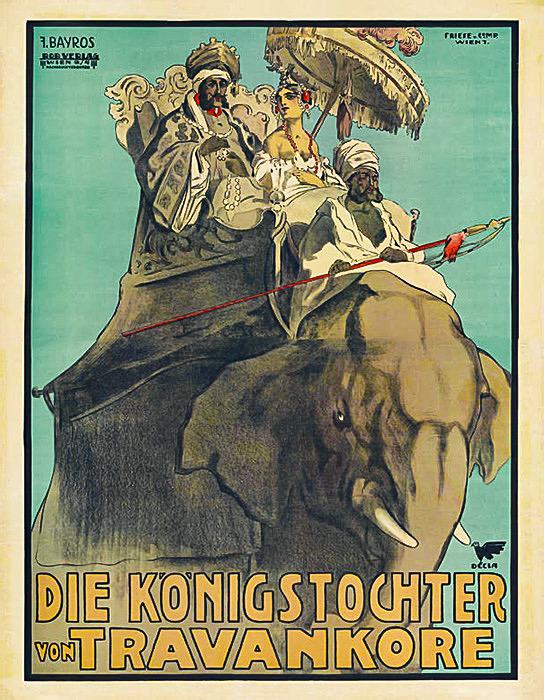
If the cinematic excellence of Otto Rippert's work in Die Königstochter von Travankore left an impression, the cinematic shorthand used by Otto Rippert is both ancient and revolutionary. We've prioritized films that capture the 1917 aesthetic with similar precision.
By merging cinematic excellence with cult tropes, it to articulate the unspoken anxieties of Germany's 1917 era.
Die Königstochter von Travankore was a significant production in Germany, bringing a unique perspective to the global stage. It continues to be a top recommendation for anyone studying cult history.
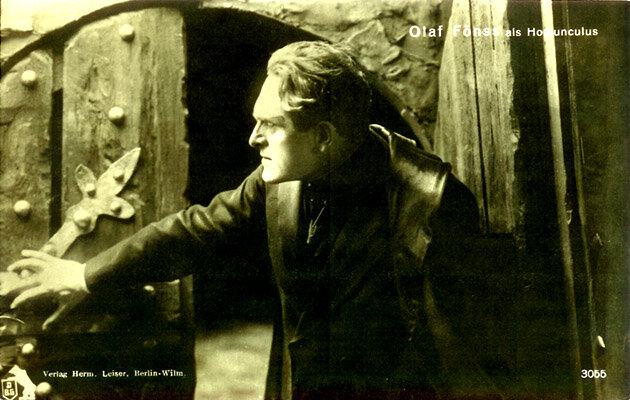
Based on the unique cinematic excellence of Die Königstochter von Travankore, our vault has identified these titles as the most compelling follow-up experiences for fans of cult cinema:
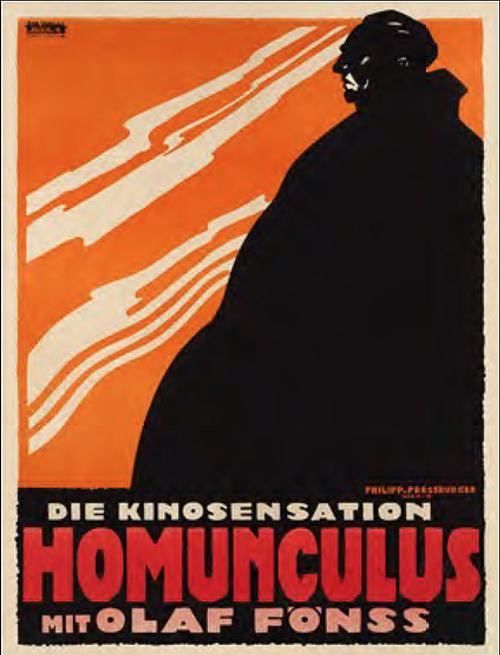
Dir: Otto Rippert
Foenss, a Danish star, is the perfect creature manufactured in a laboratory by Kuehne. Having discovered his origins, that he has no 'soul' and is incapable of love, he revenges himself on mankind, instigating revolutions and becoming a monstrous but beautiful tyrant, relentlessly pursued by his creator-father who seeks to rectify his mistake.
View Details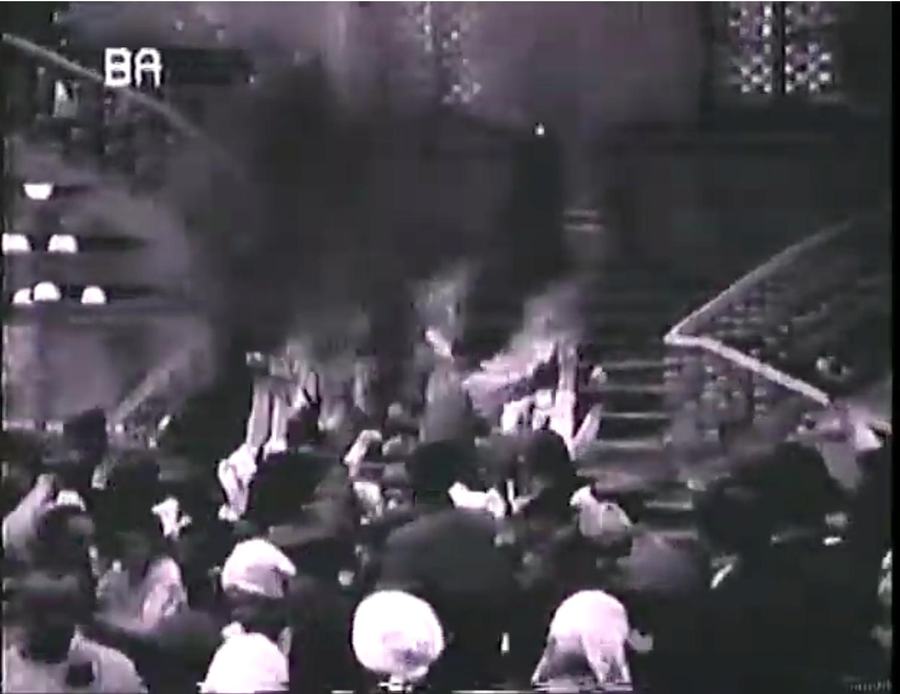
Dir: Otto Rippert
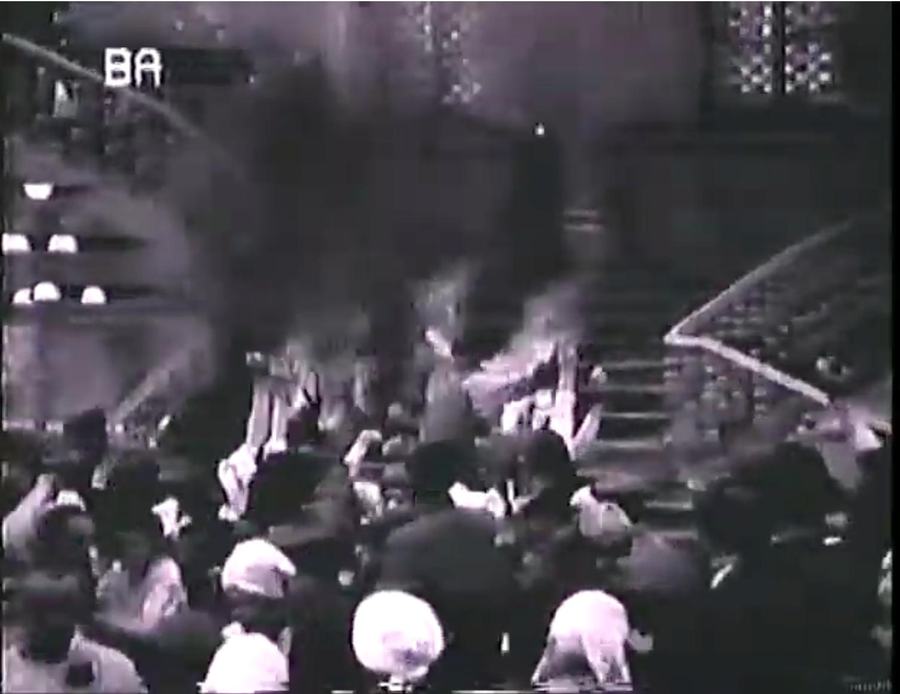
Richard Ortmann the artificial man (Homunculus) has become the head of the corporation that represents the capital and power of the country, but he has stopped believing in human love. All the more clear is his goal now: the annihilation of mankind.
View Details
Dir: Otto Rippert
Film made in 1919 by the Gesellschaft zur Bekämpfung des Mädchenhandels [Society for the Struggle Against White Slavery or Society for the Prevention of Girl Trafficking (the translation can vary)] to inform the public about the trafficking of European girls and their impressment into prostitution (often in South America).
View Details
Dir: Otto Rippert
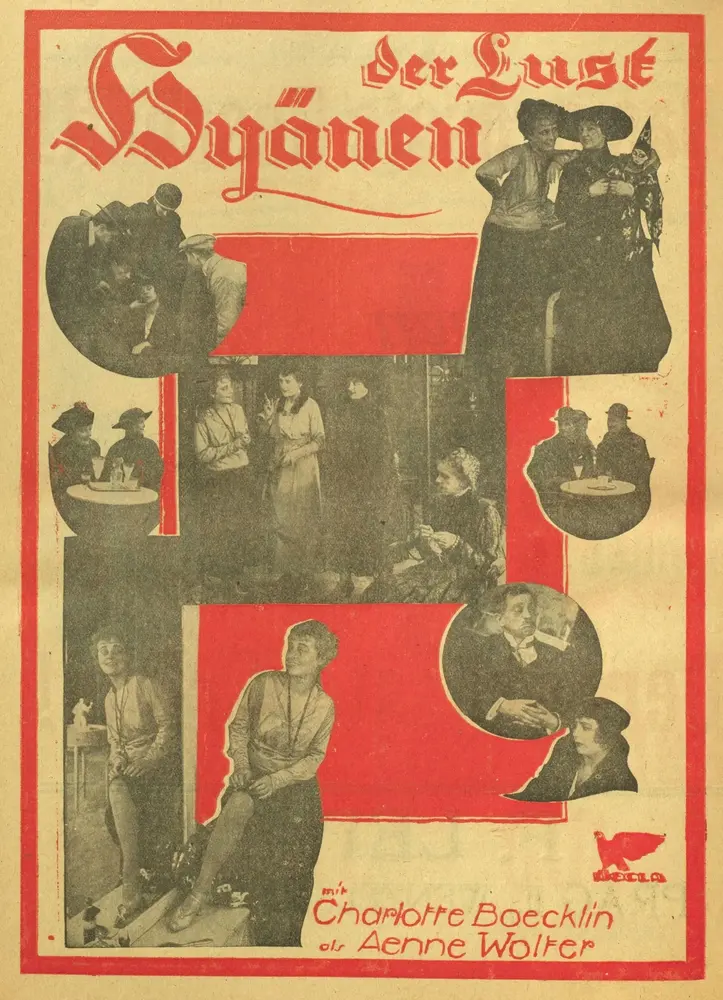
The dancer Lena Schmidt wins ten thousand mark at the lottery. With the money she leaves for a fashionable resort. Lena meets there the penniless painter Gustav Lindner, who is looking for a rich wife.
View Details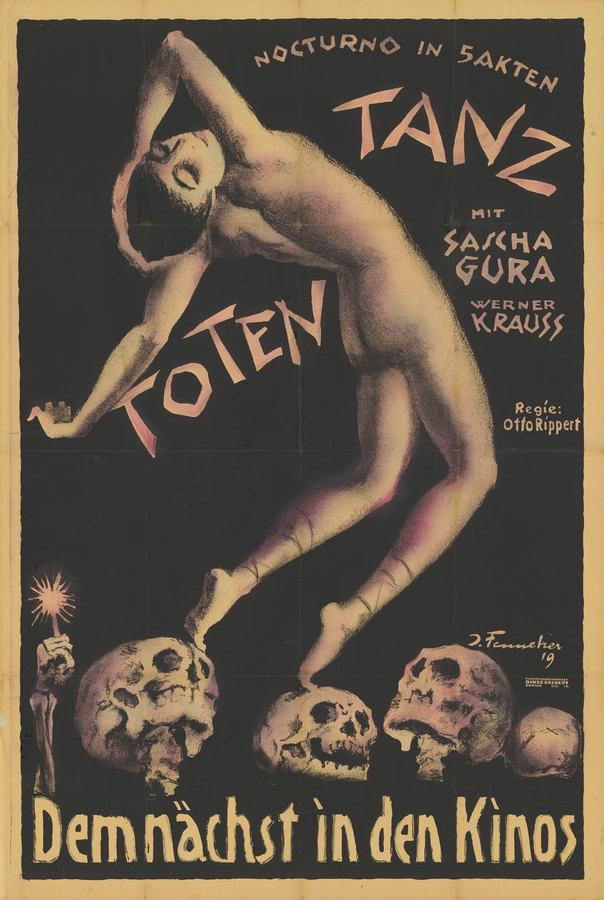
Dir: Otto Rippert
In this apparently lost film, a beautiful dancer's sexual allure is used by an evil cripple to entice men to their deaths. Falling in love with one of the potential victims, she is told by the cripple that he will set her free if her lover, actually a murderer himself, survives and escapes a bizarre labyrinthe which runs beneath the cripple's house.
View Details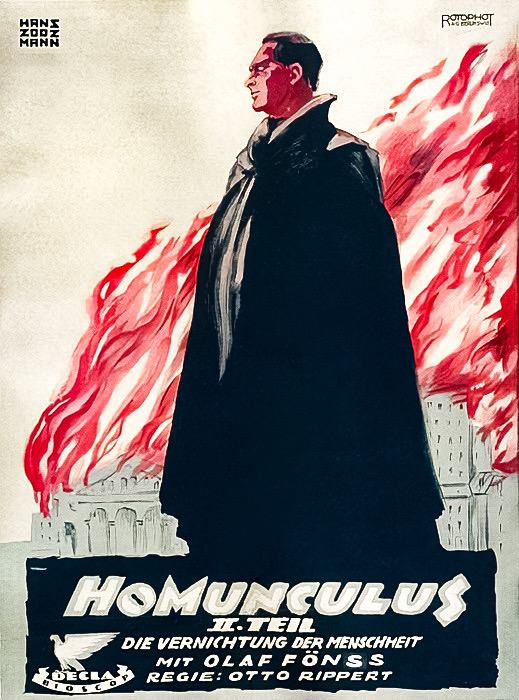
Dir: Otto Rippert
A fascinating piece of cinema that shares thematic elements.
View Details
Dir: Otto Rippert
A fascinating piece of cinema that shares thematic elements.
View Details
Dir: Otto Rippert
A fascinating piece of cinema that shares thematic elements.
View Details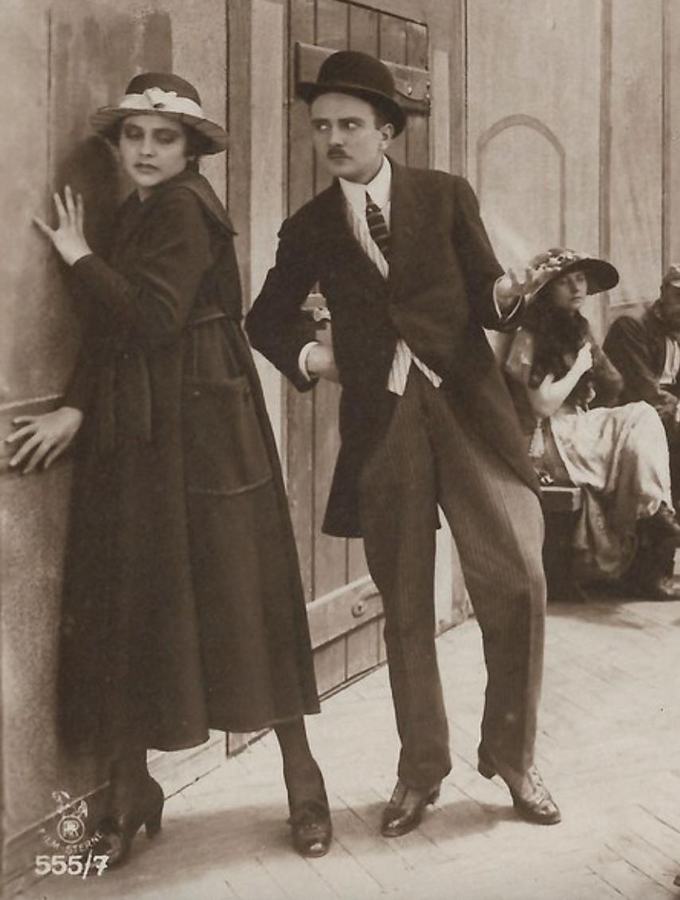
Dir: Otto Rippert
Young Aenne Wolter comes from a safe and secure world, but carelessness leads her down the wrong path when she seeks adventure in the big city. She is seduced and abducted and ends up in the quagmire of brothels and prostitution. Grete Kröning also has to share her ordeal. She also falls into the hands of unscrupulous traffickers led by Ignatz Czyslow, and she too ends up in a brothel.
View Details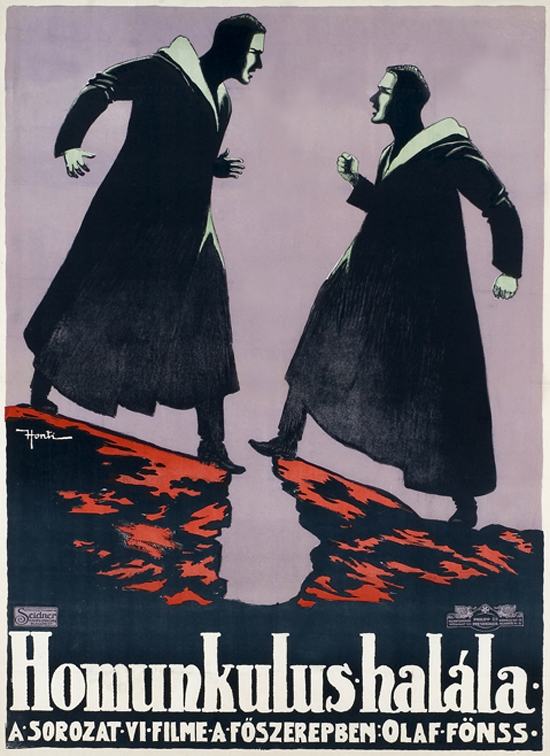
Dir: Otto Rippert
A group of scientists, led by a Professor Ortmann, produce a living human child using scientific processes - a "homunculus." This creature is human in every way, except that he cannot experience love.
View DetailsAnalysis relative to Die Königstochter von Travankore
| Film Title | Atmosphere | Complexity | Similarity |
|---|---|---|---|
| Homunculus, 1. Teil | Ethereal | High | 88% Match |
| Homunculus, 4. Teil - Die Rache des Homunculus | Gothic | Layered | 89% Match |
| Der Weg, der zur Verdammnis führt, 2.Teil - Hyänen der Lust | Gritty | Linear | 94% Match |
| Arme Lena | Ethereal | Dense | 90% Match |
| The Dance of Death | Gritty | Linear | 94% Match |
This guide was algorithmically generated using the cinematic metadata of Otto Rippert's archive. Last updated: 6/19/2026.
Back to Die Königstochter von Travankore Details →