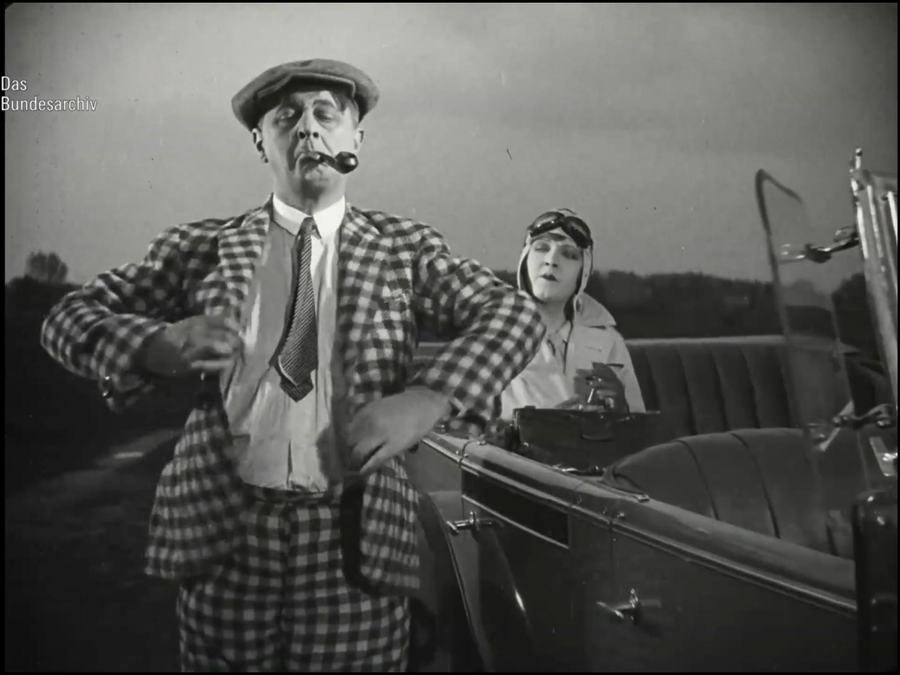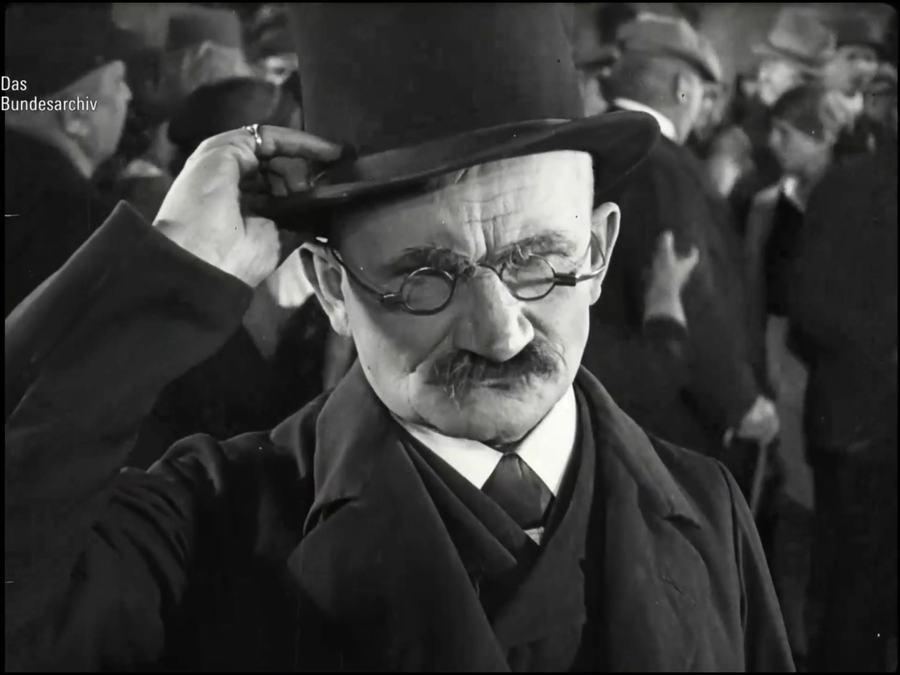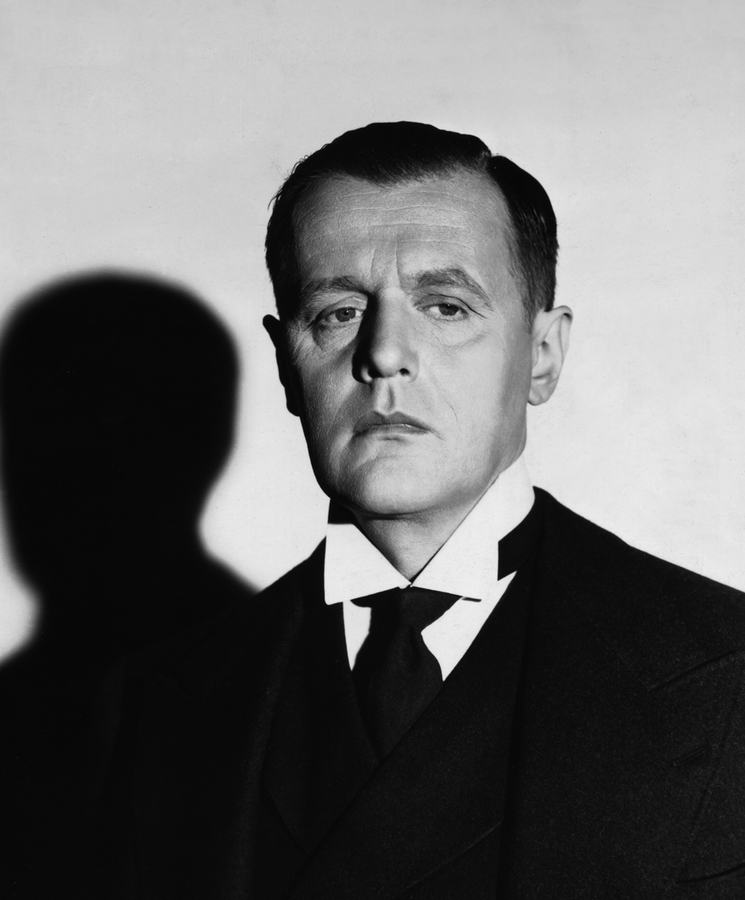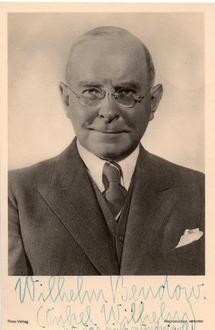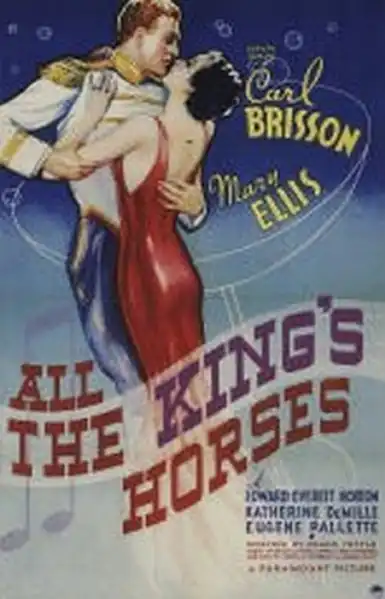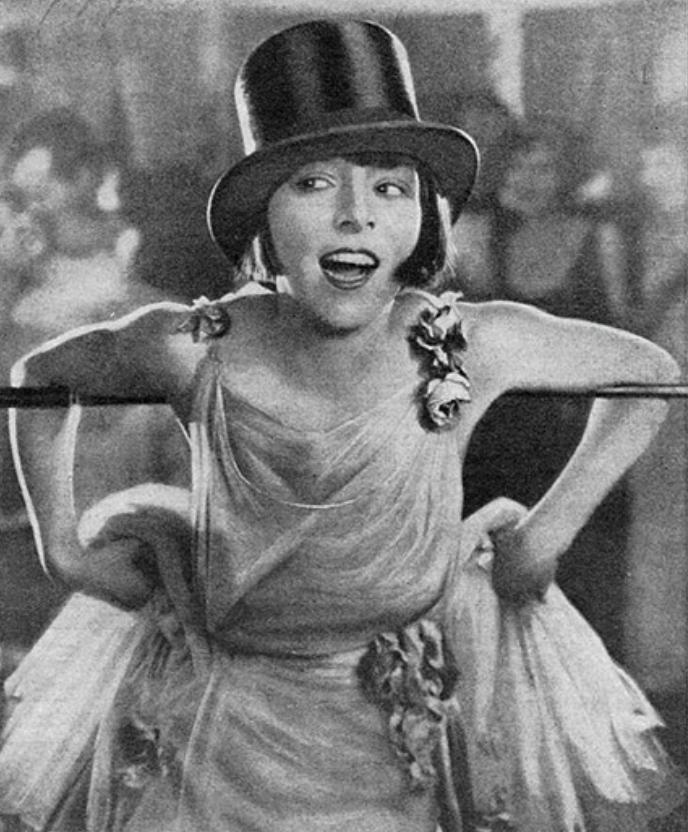
Berlin, 1927. Outside, the pavement glistens with November rain; inside, the neon vomits sodium lemon onto cracked velvet seats. Tingeltangel doesn’t walk onstage—it slithers, cigarette clamped between its teeth, winks, and promises you the kind of thrill that leaves bite-marks on morality. What Sieburg and Lüthge ha...
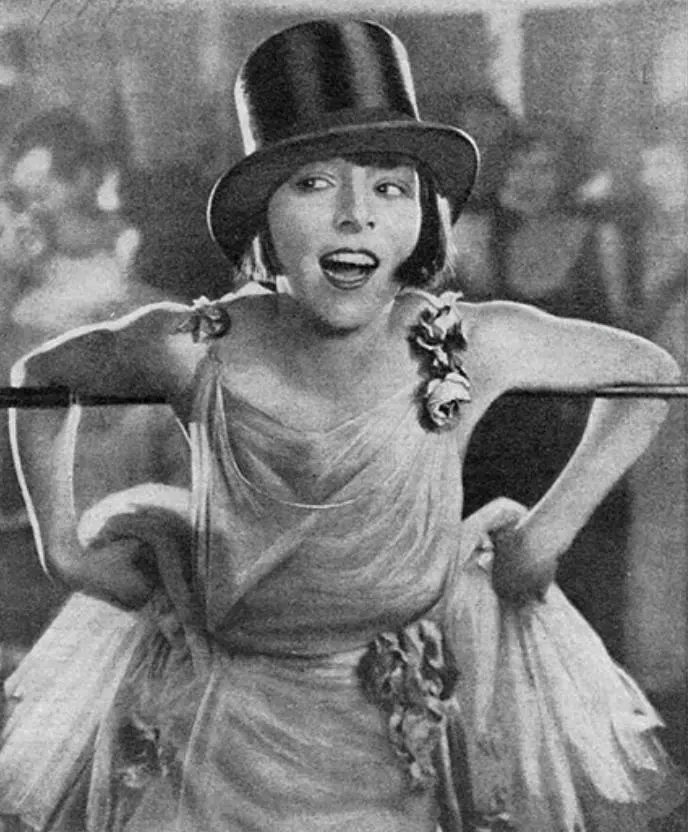
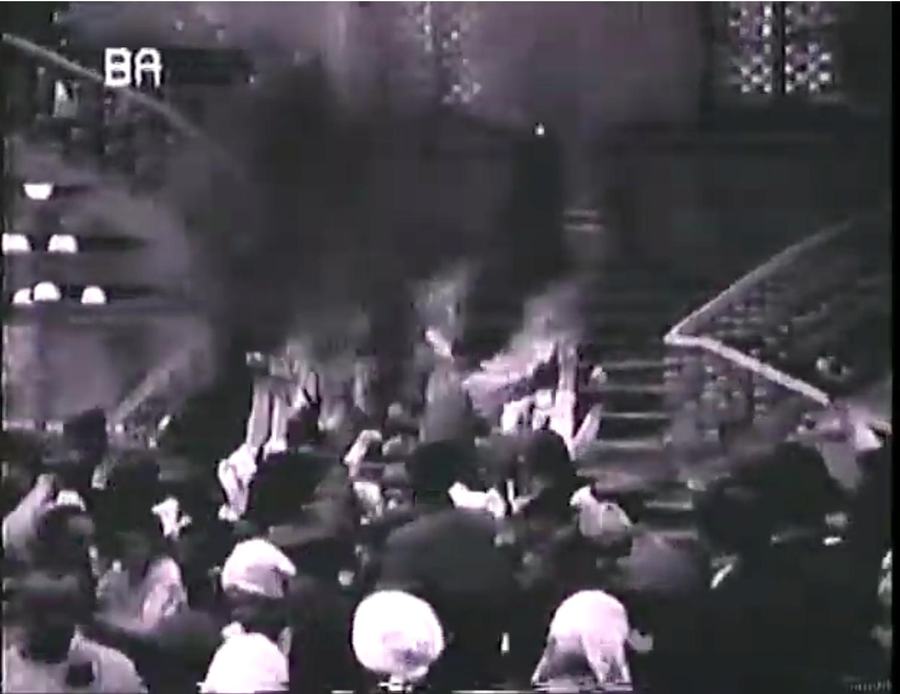
still_frame

Comparing the cinematic DNA and archive impact of two defining moments in cult history.
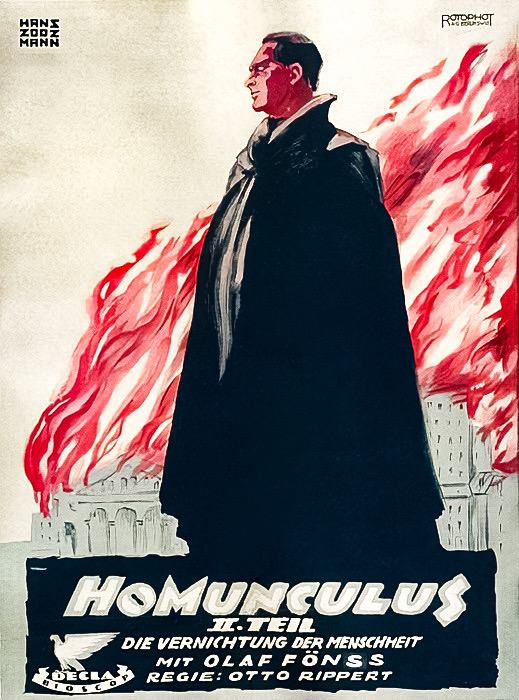
Otto Rippert
Otto Rippert
Community
Log in to comment.
" Berlin, 1927. Outside, the pavement glistens with November rain; inside, the neon vomits sodium lemon onto cracked velvet seats. Tingeltangel doesn’t walk onstage—it slithers, cigarette clamped between its teeth, winks, and promises you the kind of thrill that leaves bite-marks on morality. What Sieburg and Lüthge have stitched together is less a narrative than a fever dream pinned to a corkboard: a collage of thighs, top-hats, and suicide notes written on the backs of unpaid bar-tabs. Charlo..."
Friedrich Sieburg, Bobby E. Lüthge
Germany