
DbcultAccessing Vault...
Recommendations
Senior Film Conservator
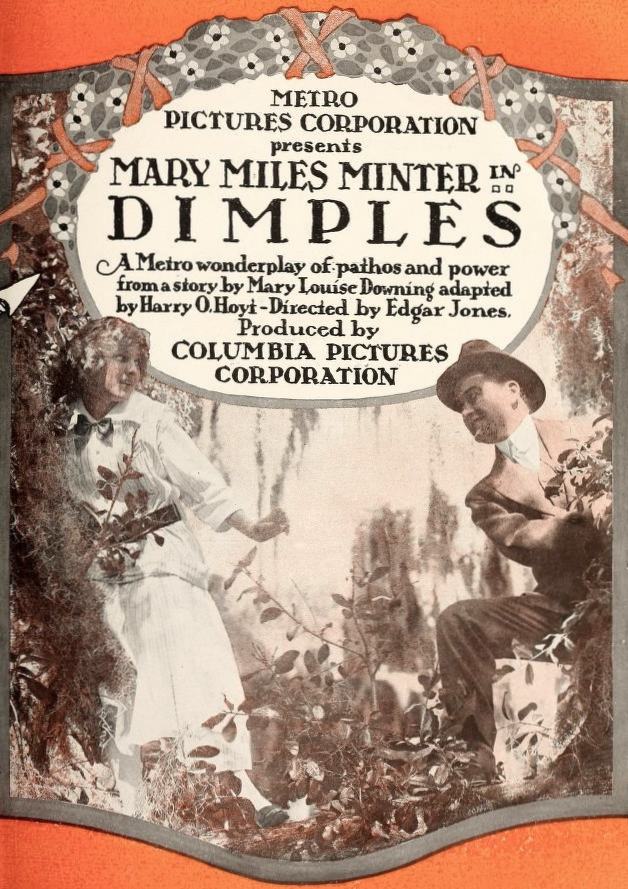
The evocative power of Dimples (1916) continues to haunt audiences with its artistic bravery, the artistic provocations of Dimples demand a follow-up of equal intensity. Explore the following titles to broaden your appreciation for cult excellence.
The visceral impact of Dimples (1916) stems from to transcend the limitations of its 1916 budget and technology.
A young girl goes South to live with her aunt after the death of her miserly father, unaware that her father's treasure is hidden inside her doll.
The influence of Edgar Jones in Dimples can be felt in the way modern cult films handle artistic bravery. From the specific lighting choices to the pacing, this 1916 release set a high bar for atmospheric immersion.
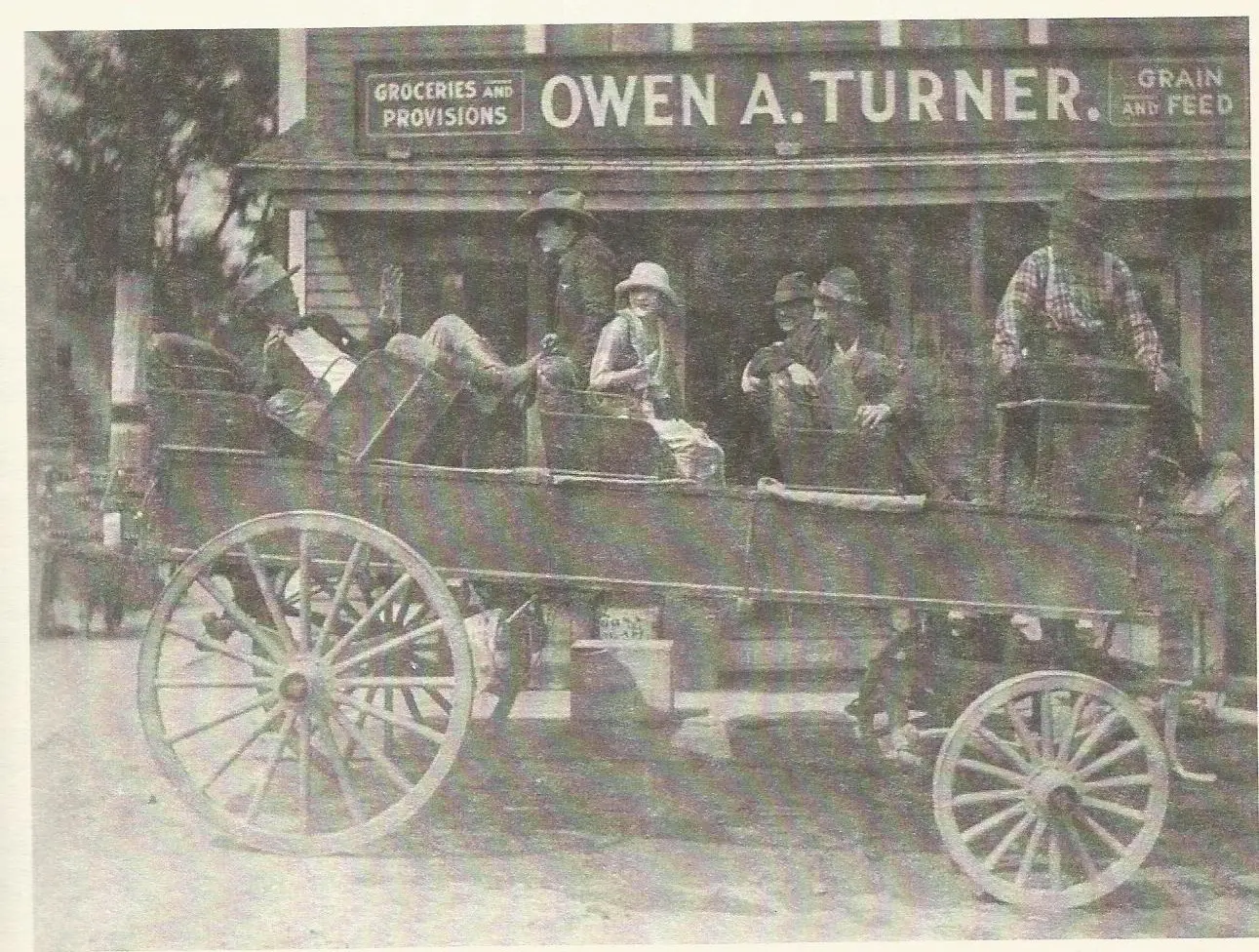
Based on the unique artistic bravery of Dimples, our vault has identified these titles as the most compelling follow-up experiences for fans of cult cinema:
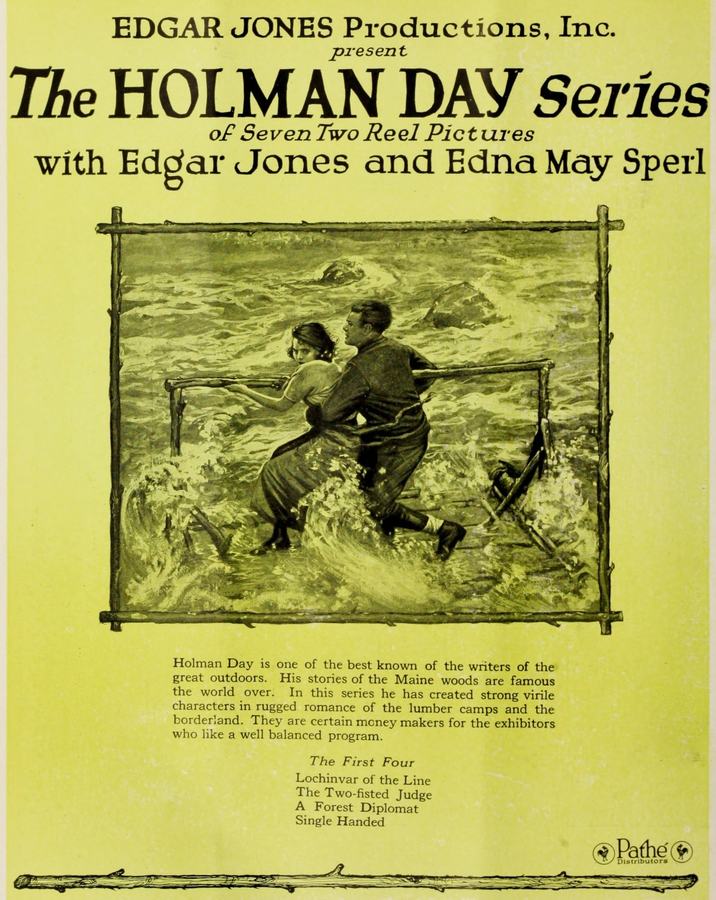
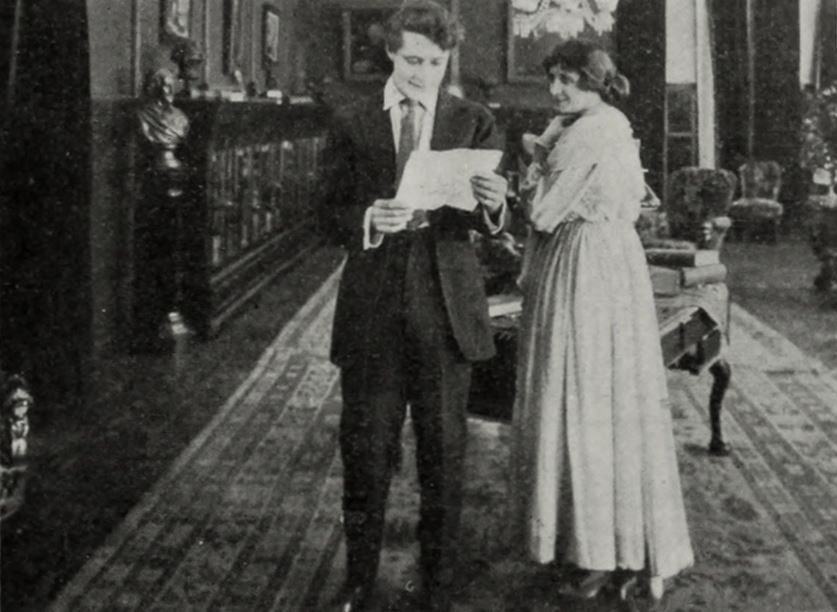
Dir: Edgar Jones
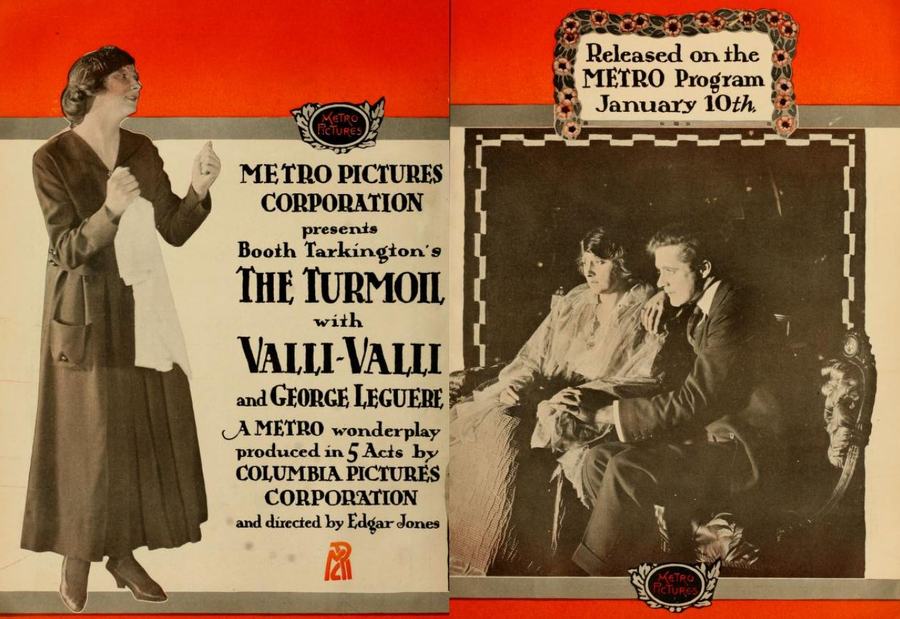
James Sheridan becomes wealthy and a power in a Middle West city, where his entire life is absorbed in the turmoil of his own creation. The only thing he lacks is social standing, and this he strives to gain by methods he has successfully employed in driving a business deal. His two oldest sons, Jim and Roscoe, like him are products of the turmoil, but the youngest, Bibbs, is a weakling with a penchant for books. The father insists on Bibbs working in the factory, but as it is distasteful to him, and he is physically unfit for the task, his health fails and he is sent to a sanitarium. In the same city lives the Vertrees family, poor, but true aristocrats, and Sheridan determines that his son Jim should marry the young daughter Mary, and thus make a wedge for the family into social prominence. He arranges a big dinner, with a vulgar display of luxury, which Mary Vertrees is compelled to attend because of a financial obligation Sheridan holds over her father. That night she is made to understand that she is to marry Jim, and she concedes to make the sacrifice. At the height of the dinner party Bibbs returns from the sanitarium but the family ignores him and Mary is attracted to him out of pity. Middle son Roscoe is unhappily married to Sibyl; like his father he is lost in the turmoil of endeavor, and she is obliged to seek companionship elsewhere. She becomes infatuated with Robert Lamhorn, a worthless young man who is secretly engaged to Edith, the only daughter of the House of Sheridan. Jim proposes to Mary Vertrees, and she asks him to wait a while for her answer. Sibyl and Edith quarrel over Lamhorn, and Sibyl, knowing Mary's hold over the elder Sheridan, asks her to go to him and tell him that Edith and Robert are engaged and that Robert is only marrying her for her money. Sibyl's words remind Mary that she will be doing the same thing if she marries Jim. She writes Jim a letter refusing his offer of marriage. Much to his father's delight, Jim has built a large warehouse in half the time contractors said was necessary for the undertaking. Accompanied by inspectors, Jim is on the roof of the building when it collapses, and he is killed. Sheridan is brokenhearted over his death; his sorrow is doubled by the fact that Roscoe, worried over "domestic affairs, has taken to drink. He then strives harder than ever to make Bibbs a thorough businessman, and his successor. Edith elopes with Robert, and Bibbs is the only one left to him. Bibbs has become attached to Mary, and on her advice agrees on a business career. She loves him, but thinks his attentions are prompted through pity for her. She refuses his proffer of marriage for the same reason she refused his brother. When Bibbs learns this, he quits his place with his father, and he informs him he does not want any of his fortune. Sheridan awakens to the situation, and pays Mr. Vertrees $50,000 for some worthless street railway stock. Mary's family thus becomes financially comfortable, she accepts Bibbs' renewed proposal of marriage, and he becomes the leading spirit in the Sheridan enterprises.
View Details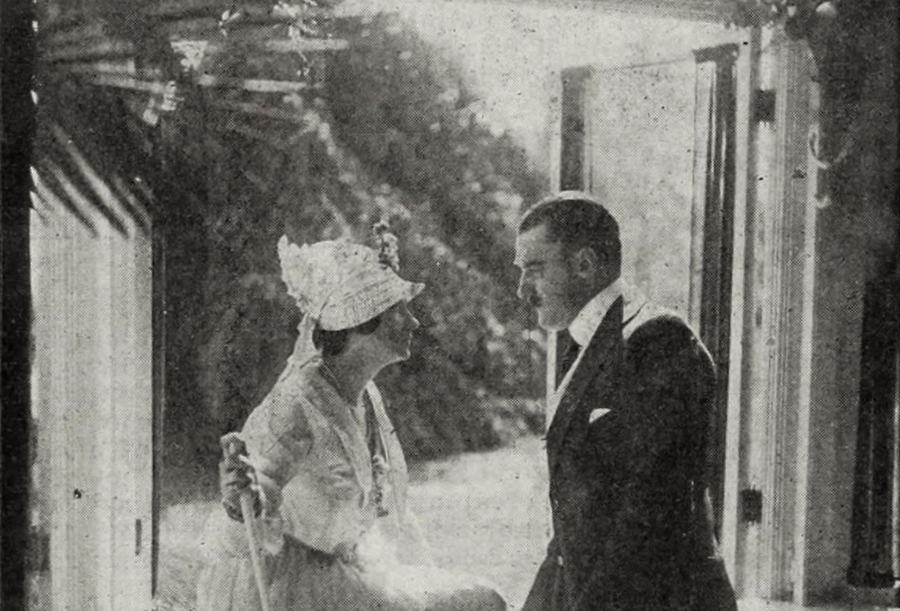
Dir: Edgar Jones
Beth Coventry, society favorite and ward of a wealthy aunt, is beloved by three men: rich broker Philip Murdock; Marquis de Tourville, a polished, brilliant social lion; and poor but promising young banker John Langton. Following an impulse, coupled with the advice of her aunt, Mrs. Gordon, Beth accepts Langton and they are married. Mrs. Connie Beverly, a young widow whose husband was Langton's best friend, mistakes Langton's kind interest in her for a deeper feeling and becomes infatuated with him, but in her determination to win his love she plans to ruin his home. John and Beth are living in a modest little home which they call "Love Cottage." Mrs. Beverly calls on Beth there and finds her reading letters which she had written to the Marquis before her marriage, which he graciously returned. Her eyes fall on the pages of one letter in which Beth had written among other things, "Europe is so far away I must have time to consider your proposal." This letter Mrs. Beverly steals. Murdock, too, is bent on breaking up the Langton home if possible, hoping yet to have Beth for his own. With Mrs. Beverly he makes an appeal to Beth's vanity, her one failing, and they succeed in getting her dissatisfied with her lot. Beth insists on John leaving the "Love Cottage" and moving into a pretentious home, where she proceeds to entertain lavishly and far beyond John's means. Murdock, posing as John's friend, induces him to speculate in stock. John is desperate as Beth tells him he will lose her love if he cannot supply her with an unreasonable allowance. He is finally driven to misappropriate bonds entrusted to his care by Beth's aunt. The couple become estranged. John strives to recover the money he has lost in speculation, while Beth gives herself up entirely to social life. At the height of a great ball, lightning strikes a tree, it crashes through a window and falls upon Beth. She is severely wounded and a cut on her face mars her beauty for life. John is called, but Beth mistakes his look of pity for one of disgust. The next day she leaves to go in seclusion while a specialist attends her. Mrs. Beverly tells John she has gone away with the Marquis, and to prove it shows him part of Beth's letter, written when she was considering De Tourville's proposal before her marriage. Beth's aunt dies several months later, leaving her fortune to her niece. Rather than face the disgrace which will attend the exposure of John's theft of the aunt's bonds, he determines to end his life at the "Love Cottage." Beth's lawyers notify her about the missing bonds. She protects John by saying she knows where they are, then she goes in search of him. Through a strange coincidence, they meet at the "Love Cottage," where they renew their first vows of love.
View Details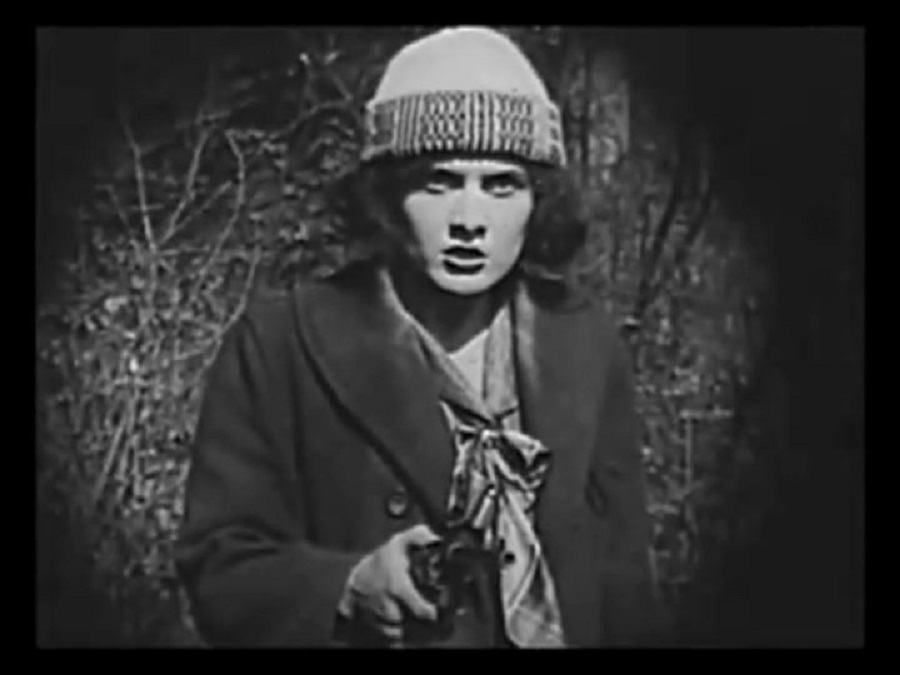
Dir: Edgar Jones
A Mountie searching for known moonshiners falls in love with the sister of a man associated with them.
View Details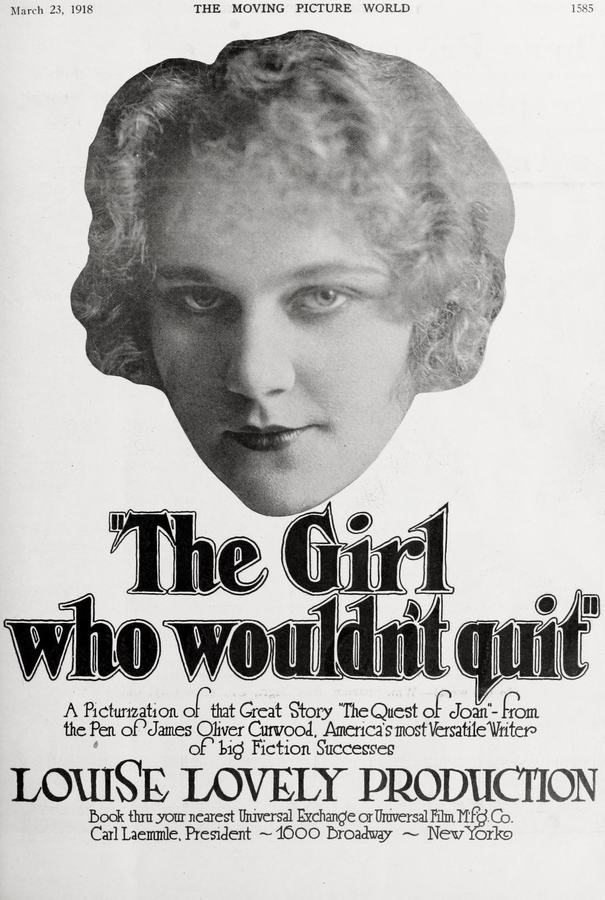
Dir: Edgar Jones
Roscoe Tracy, the foreman of a large mining camp, is unjustly sentenced to life in prison for robbery and murder. In his absence, his little daughter Joan is raised by mine superintendent Robert Carter. Many years after her father's conviction, Joan receives an anonymous note advising her to examine the contents of a chest that is stored in a certain warehouse. Carter, alarmed by this development, tries to secure the trunk himself, but not before it is purchased at an auction by Jim Younger and his friends. Joan, who loves Jim, informs the young man of the chest's value, and when Carter and his men steal the box, Jim pursues them and retrieves it. The trunk contains a note revealing that Carter and his accomplice Joe Morgan, the mine's telegrapher, framed Tracy for the crimes that they had committed. Tracy is finally released from prison, and Joan weds Jim.
View Details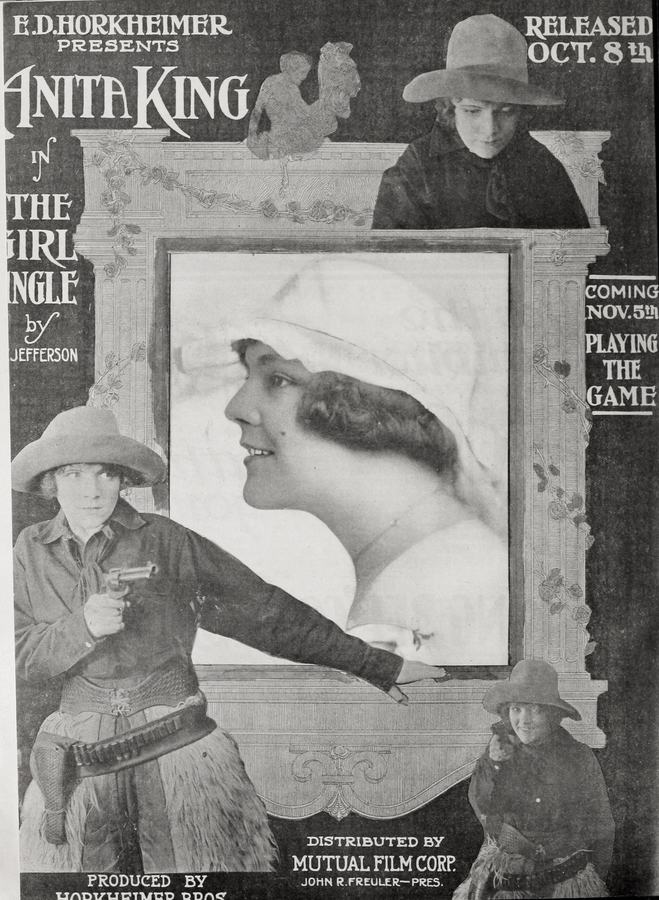
Dir: Edgar Jones
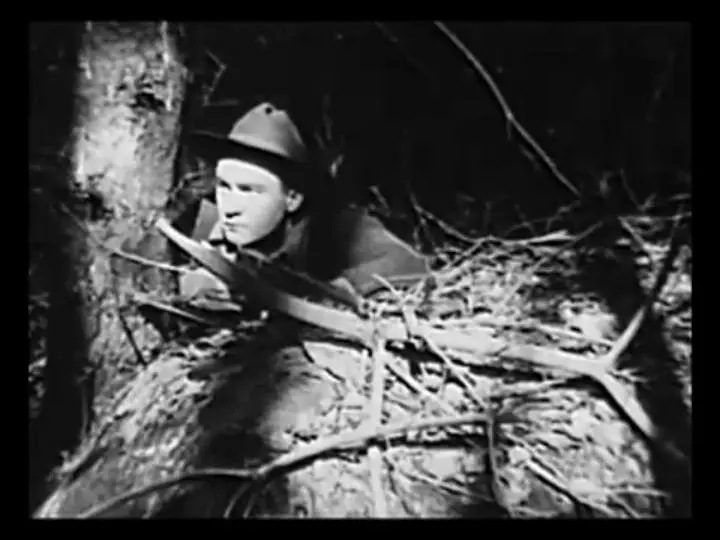
Jilted on her wedding day, Maud Wainwright becomes a confirmed man-hater. Homesteading in the Southwest, she ignores the attentions of both bandit "Three Gun Smith" and Sheriff Steve Kennedy. When Smith's gang accidentally knocks over Maud's cabin, the men take her to Smith's cabin while they rebuild her dwelling. There, Maud discovers a mail pouch and believing that it was stolen by Smith, reports him to the sheriff, who persuades her to assist him in arresting the bandit. After Smith is captured, Maud discovers papers that prove he is actually a secret service agent and that the sheriff is the real bandit. Riding to Smith's rescue, Maud prevents him from being lynched at the hands of vigilantes and then proclaims her love for him.
View Details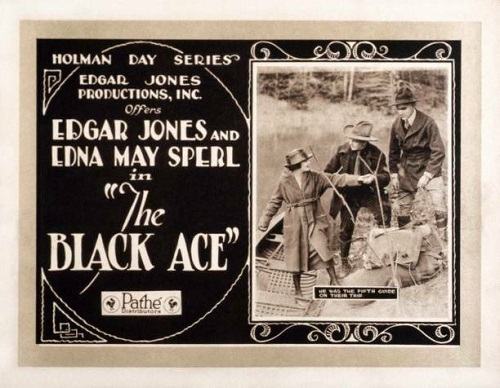
Dir: Edgar Jones
A guide teaches a rich man and his spoiled daughter a lesson in the Maine woods.
View Details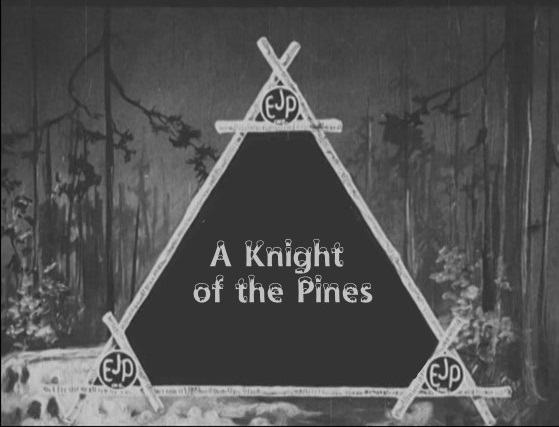
Dir: Edgar Jones
A fascinating piece of cinema that shares thematic elements.
View Details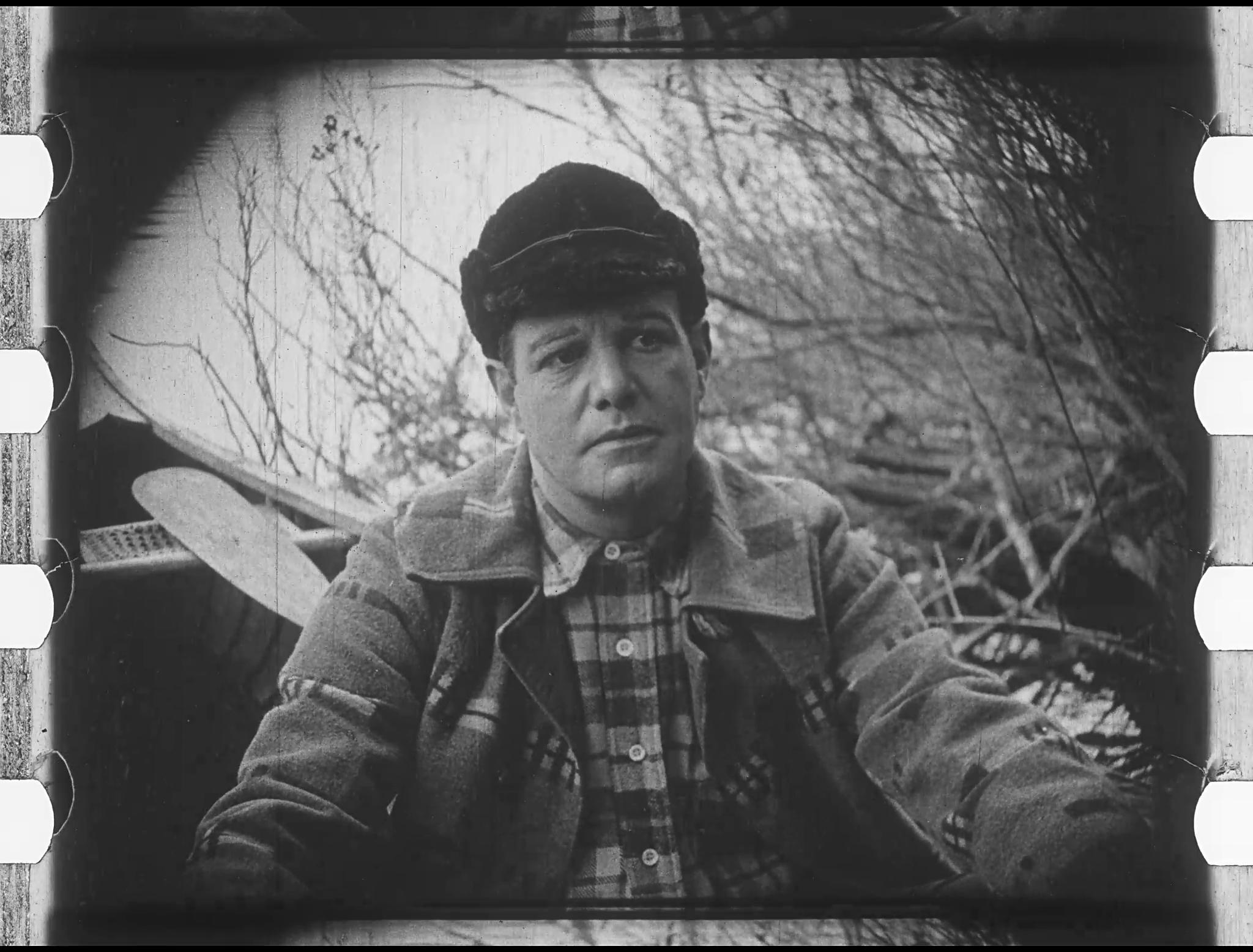
Dir: Edgar Jones
A mail-order bride arrives at a Maine lumber camp but doesn't like her prospective husband.
View Details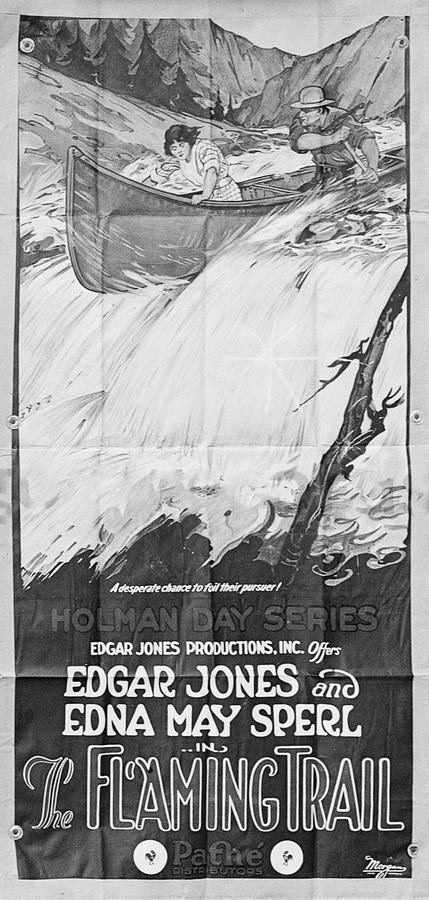
Dir: Edgar Jones
A girl's brother has an ungovernable temper. After an outburst of great vehemence, the hero persuades the girl to elope with him. They are followed by her brother. A pious man, known as the Mediator, tries to hold him while the pair seek to get away. It develops that he is the girl's father. In the melee a lamp is overturned and a forest fire results. The old man, without disclosing his secret, leads them to safety but the brother perishes in the flames.
View DetailsAnalysis relative to Dimples
| Film Title | Atmosphere | Complexity | Similarity |
|---|---|---|---|
| Lochinvar o' the Line | Tense | Layered | 95% Match |
| The Turmoil | Gritty | Abstract | 94% Match |
| The Woman Pays | Gothic | Dense | 92% Match |
| Border River | Tense | High | 95% Match |
| The Girl Who Wouldn't Quit | Gothic | Dense | 91% Match |
This guide was algorithmically generated using the cinematic metadata of Edgar Jones's archive. Last updated: 6/21/2026.
Back to Dimples Details →