
DbcultAccessing Vault...
Recommendations
Senior Film Conservator
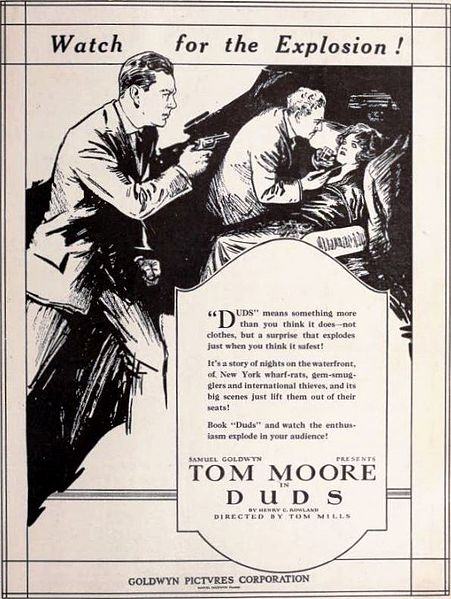
After experiencing the artistic bravery of Duds (1920), you are likely searching for more films that share its specific artistic vision. Unlock a new level of cinematic understanding with these Mystery alternatives.
This 1920 Mystery classic stands as a testament to push the boundaries of conventional storytelling.
Returning from the war front, Captain Phoebe Plunkett accepts an assignment to apprehend jewel smugglers in pursuit of the Sultana diamond. On his mission, he meets Patricia Melton, who introduces herself as a French Secret Service agent also in search of the diamond. Plunkett is in love with Olga Karakoff, daughter of a wealthy jeweler, and he soon comes to suspect that Olga's father is in league with the smugglers. However, Patricia is the true impostor, and after she discovers that the jewel is encased in a locket worn around Olga's neck, she captures Olga and the diamond. Plunkett comes to the rescue and wins both Olga and a large reward for recovering the jewel.
The influence of Thomas R. Mills in Duds can be felt in the way modern Mystery films handle artistic bravery. From the specific lighting choices to the pacing, this 1920 release set a high bar for atmospheric immersion.
Based on the unique artistic bravery of Duds, our vault has identified these titles as the most compelling follow-up experiences for fans of Mystery cinema:
Dir: Thomas R. Mills
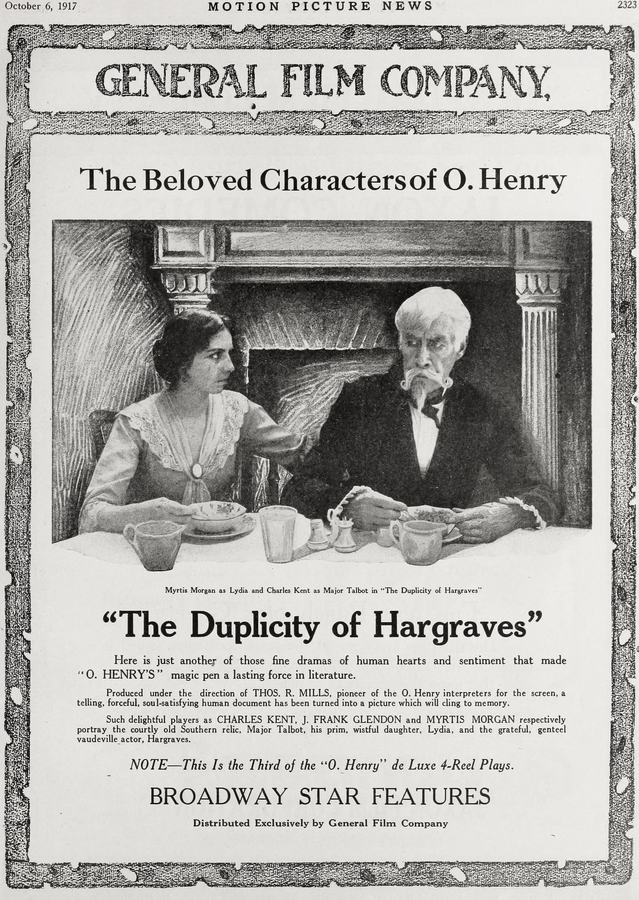
Old Major Pendleton Talbot of Mobile moves with his daughter Lydia to Washington, D.C., where he works on his book of reminiscences about Alabama, while Lydia scrimps to keep up appearances. Although the young government clerks ridicule the Major's dress, vaudeville actor Henry Hopkins Hargraves, the Talbots' boardinghouse neighbor, cultivates their friendship and listens attentively to the Major's stories. When a new Southern play opens, the Major splurges and buys tickets for himself and Lydia. Hargraves, playing the lead, imitates the Major's dress, mannerisms, and speech, and delights the audience, while infuriating the Major. He castigates Hargraves, who leaves, to Lydia's dismay. Later, when the Major is broke and refuses to seek a loan, an old slave from the Talbot plantation, Uncle Mose, arrives and gives the Major $300 which, he claims, is payment for a pair of mules which the Major's father gave him. The Major soon finds a publisher for this book, and Lydia gets a letter from Hargraves revealing that he, as Uncle Moses, repaid the Major for his help with the role.
View Details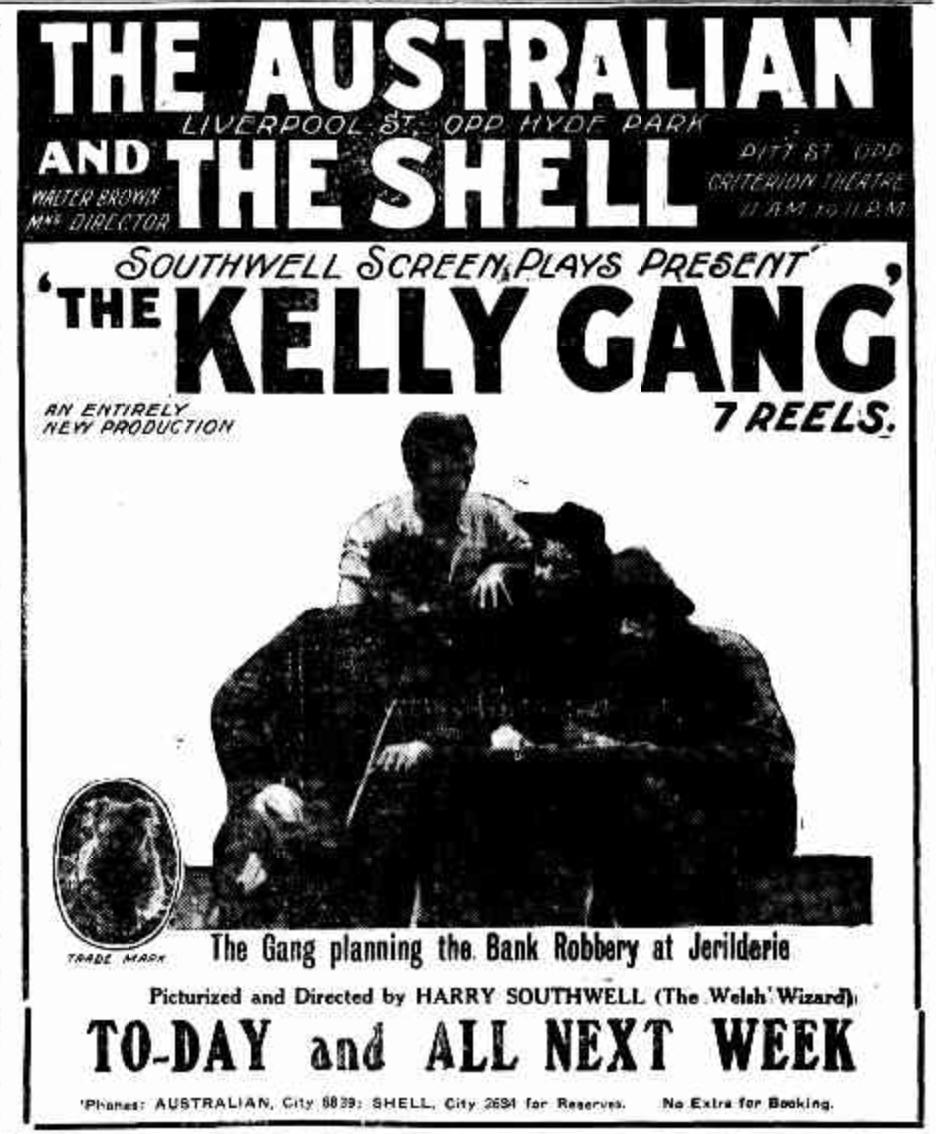
Dir: Harry Southwell
A fascinating piece of cinema that shares thematic elements.
View Details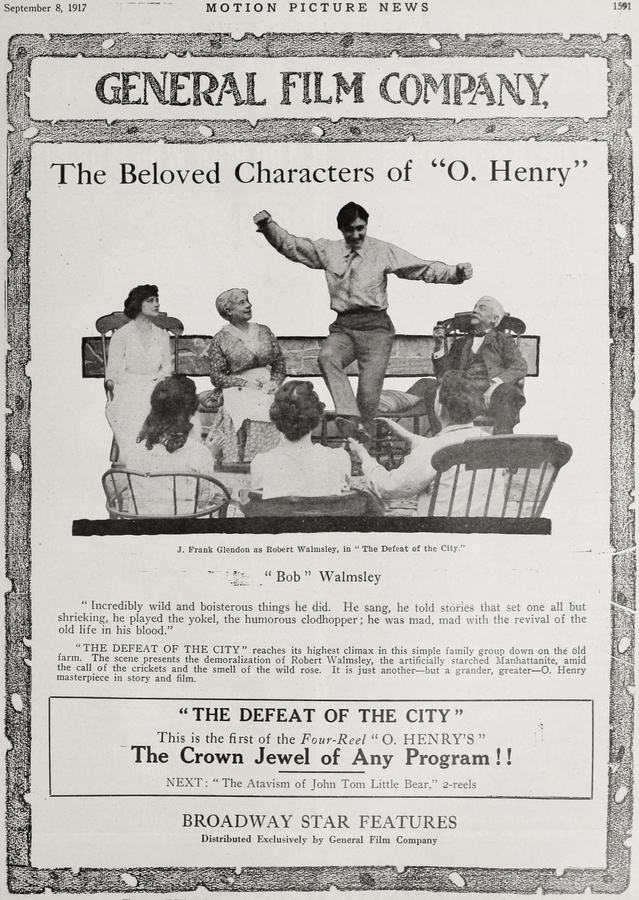
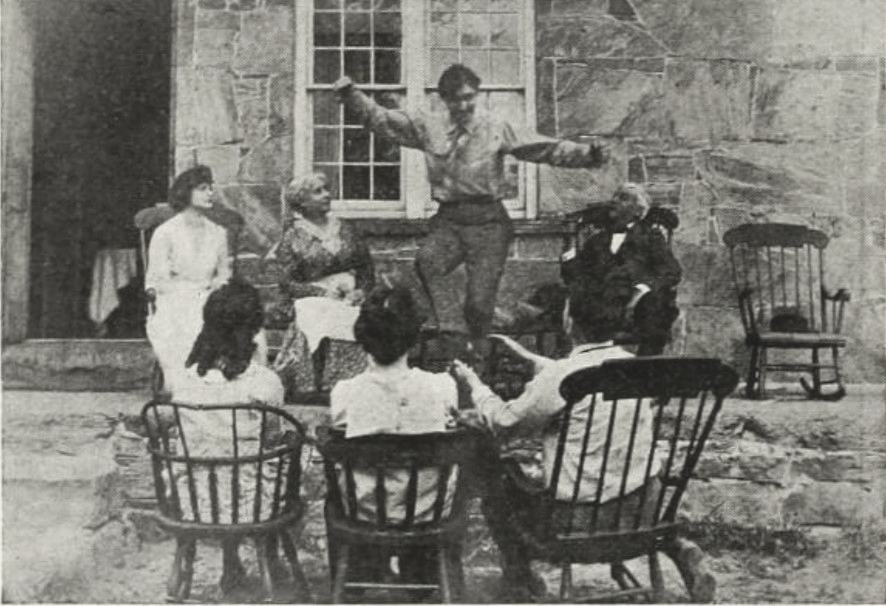
Dir: Thomas R. Mills
Robert Walmsley, at the end of six years in the city, has won fortune, fame, and Alice Van Der Pool, a "daughter of the old burghers, high and cool and white and inaccessible." So Robert feels that he has achieved the ultimate end of success and happiness. Alice finds a letter written to Robert by his mother, a letter straight from home, full of farm lore and gossip. She prevails upon Robert to take her for a visit to the farm. Robert is dismayed at the prospect, fearing Alicia will be shocked at the crudeness of his rural atavism. There his wife sits silent and immovable while Robert cuts ridiculous capers. Alicia presently ascends to her room. Robert, suddenly feeling that he is disgraced in her eves, and that he has been unmasked by his own actions and that "all the polish, the poise, the form that the city has given him has fallen from him like an ill-fitting mantle at the first breath of a country breeze," grows quiet. Presently he follows Alicia upstairs, prepared to meet his fate. He knew the rigid lines that a Van Der Pool would draw She is standing at the window, in the twilight. Robert silently takes his place beside her. "Robert," said the cool, calm voice of his judge, "I thought I married a gentleman," Alicia steps closer to Robert. "But," she continues, "I find that I have married something better, a man. Bob, dear, kiss me, won't you?"
View Details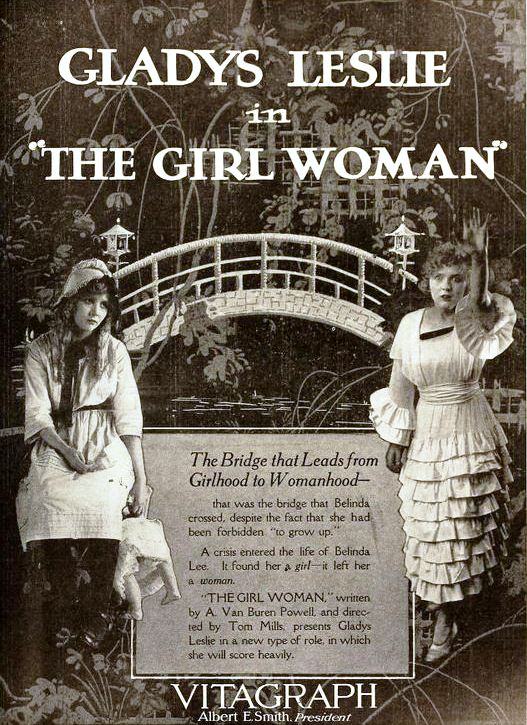
Dir: Thomas R. Mills
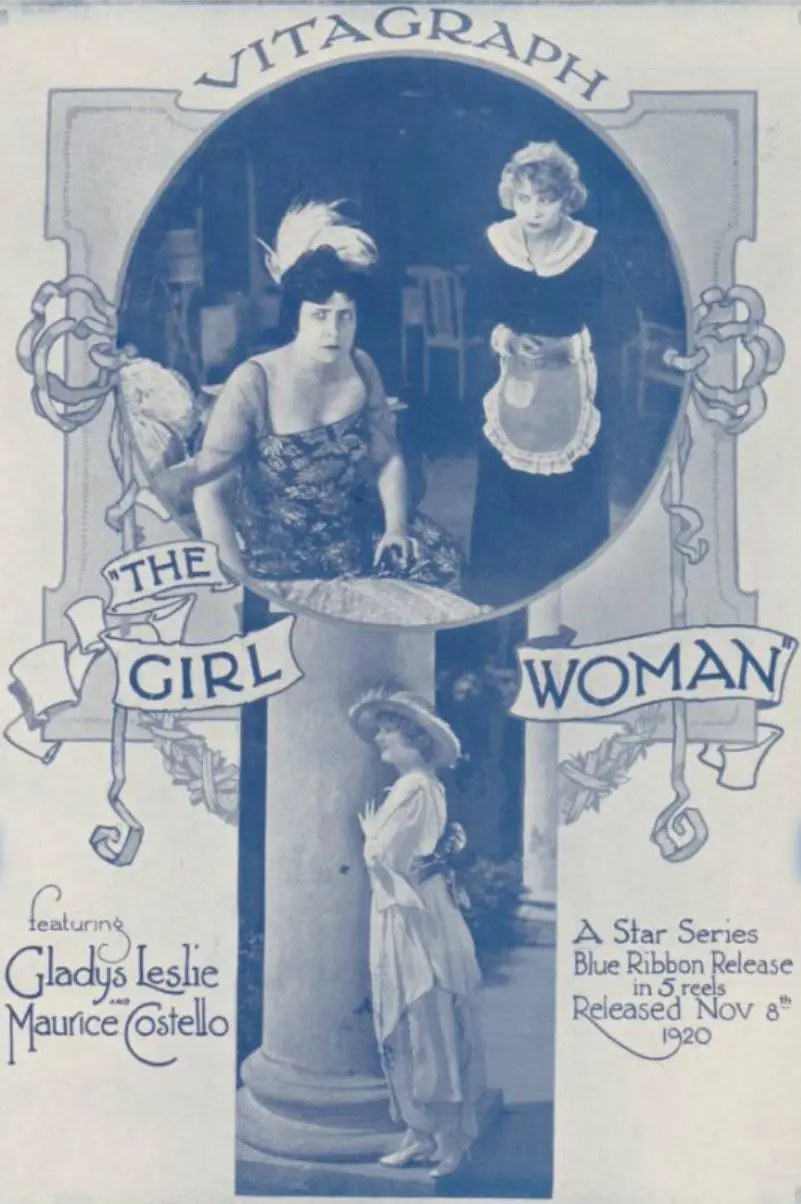
Even though she's 17, Belinda is tired of being treated like a small child in the small Southern village where she lives with her father, Judge Lee. Out of frustration, she arranges a "growing-up" party, and makes her appearance dressed "to the nines", in a long, elegant gown with her hair and face all made up. That night an Sanford, an escaped convict, breaks into Judge Lee's home, bent on revenge for the judge having sent him to prison. However, both he and Belinda are in for a big surprise.
View Details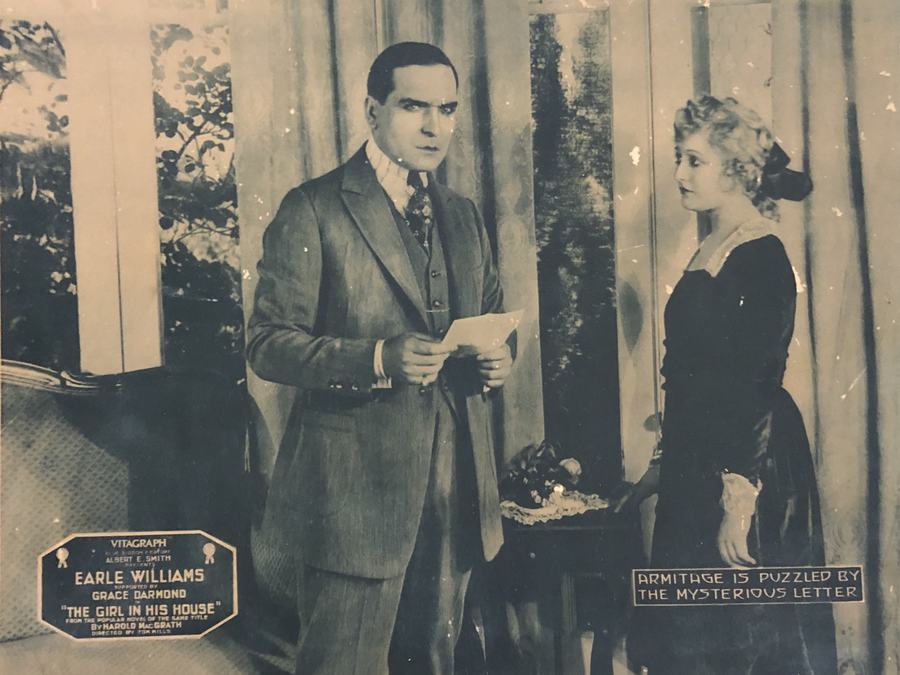
Dir: Thomas R. Mills
When James Armitage, a wealthy young man, is jilted by Clare Wendell, he leaves for Burma after committing the care of his estate to his lawyer. Years later he is informed that Clare is a widow. His old love for her flames anew and he returns to find that the lawyer has absconded with half of his fortune and that his mansion has been sold to the father of Doris Athelstone. Armitage's love for Clare dies, and an investigation reveals to him that the lawyer is in reality the thief and the father of Doris, and that the young girl, who has not seen her father since she was a baby, is under the impression that he is an explorer. In his love for Doris, who is the sole occupant of his mansion, he keeps this a secret, but is impelled to disclose the facts to her when, entering his house for some papers, he is shot by Doris. He starts out to unravel the mystery and locates the father dying in Yucatan. The old man tells Armitage that he stole to keep his daughter from want, and forgiven, he dies happy. Armitage, returning, marries Doris, but keeps secret that her father was a thief.
View Details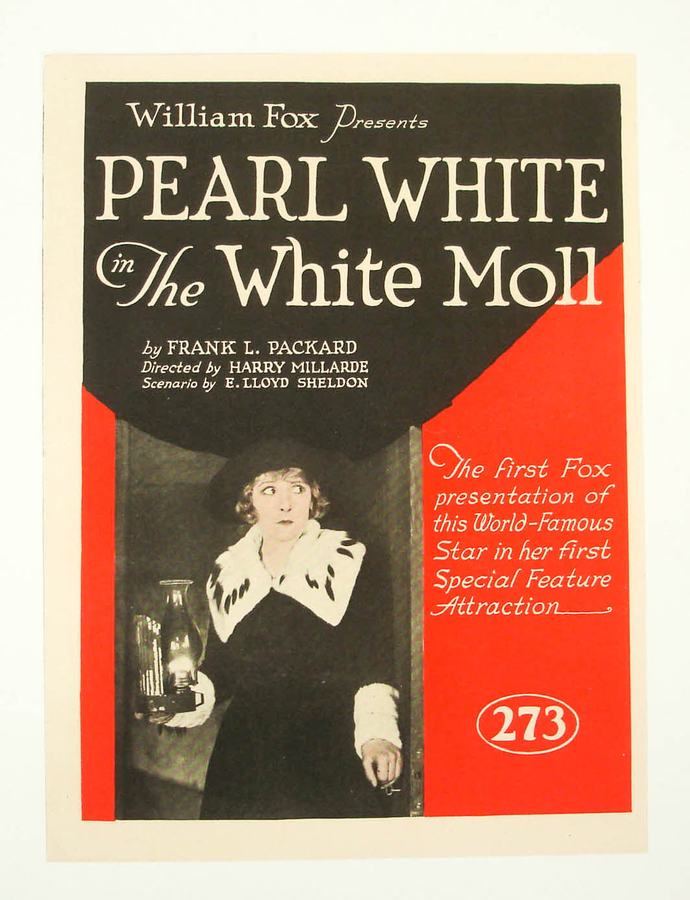
Dir: Harry F. Millarde
Desperate because a wealthy man has reduced her father to thievery, Rhoda agrees to rob the poor box of the church, although she finds the act abhorrent. During the robbery, Rhoda's father is shot and dies in the priests's arms, seeking absolution, while the man who ruined him looks on. Penitent, the man appoints Rhoda as his representative to return the ill-gotten gains to those he has robbed. Rhoda enters the underworld as an angel of mercy, gaining the sobriquet of "The White Moll." After many thrilling escapades, she brings The Dangler, the leader of a gang of crooks, to justice, saves others from death and finally wins The Pug, the man of her choice.
View Details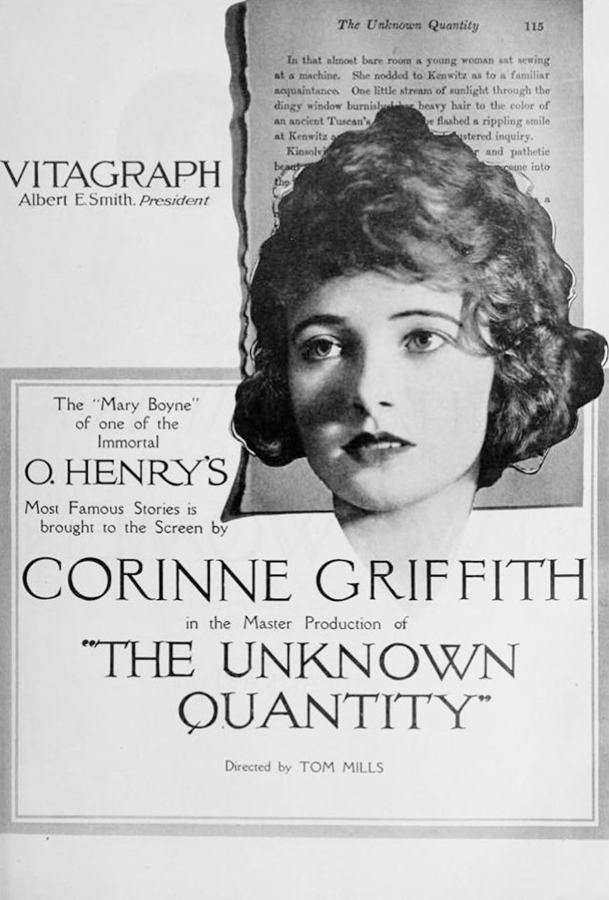
Dir: Thomas R. Mills
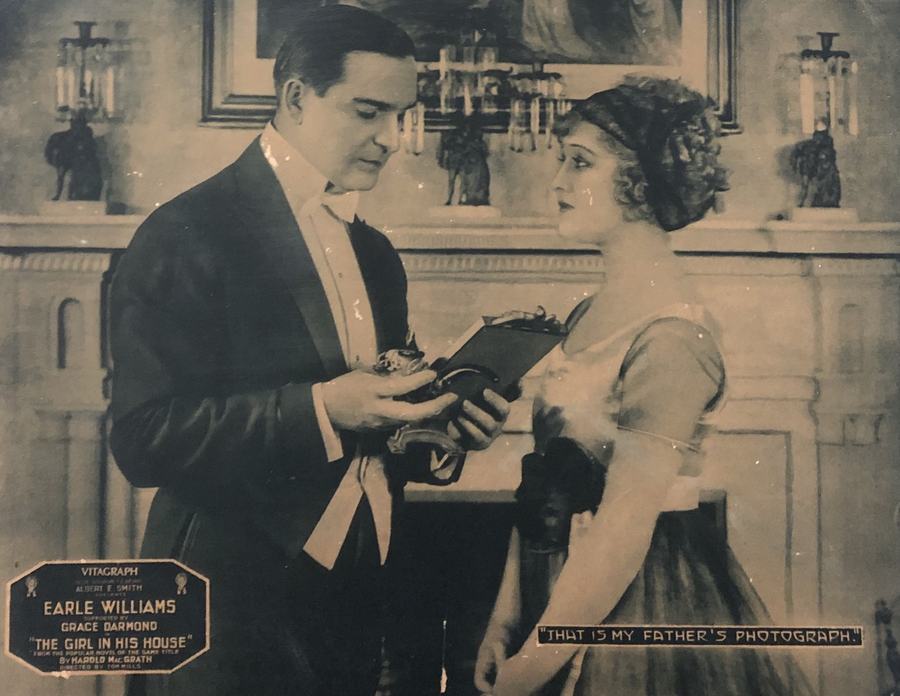
Mary Boyne, who made shirts at four dollars a week, had no place for love in her life - only despair and hate for the son of the man who had plunged her family into deepest distress. Peter Kenwitz loved Mary, but because he was a mathematician and a pessimist by trade, his love was as hopeless as her chance for happiness. Dan Kinsolving was the son of the man who ruined Mary's family. He loved Mary and gloried in her hatred for him. He set about moving the problem of turning her hate into love. He let X represent The UNKNOWN QUANTITY in life's greatest problem. Did he win?
View Details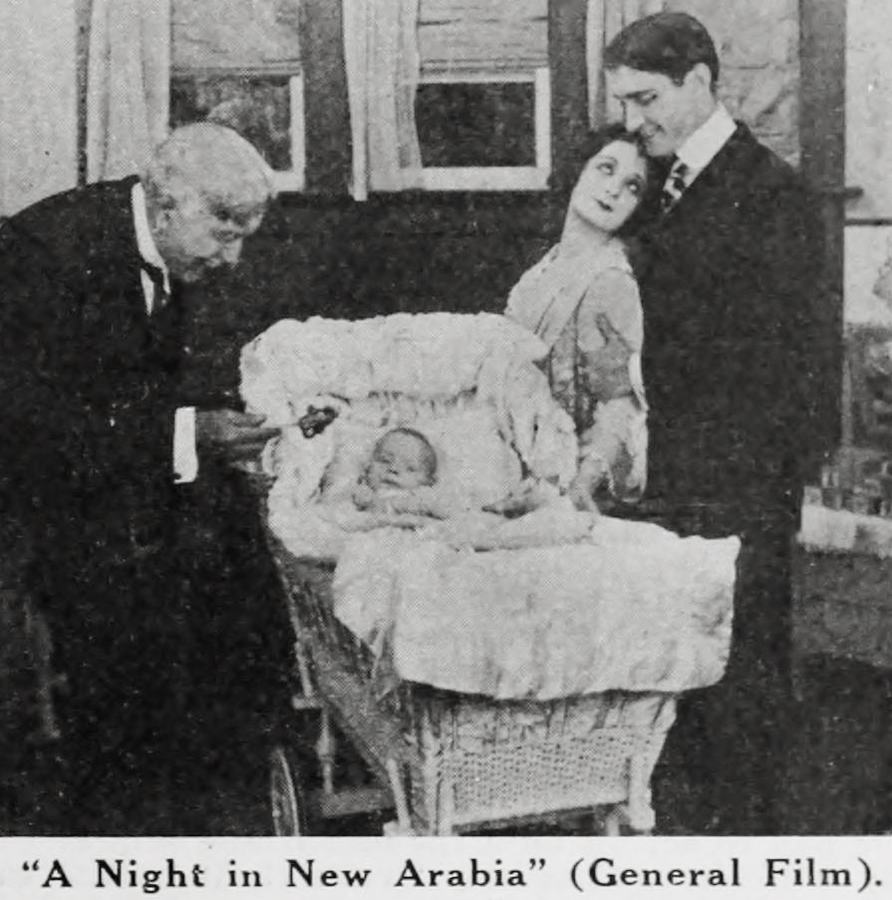
Dir: Thomas R. Mills
Jacob Spraggins, veteran general of a breaker-boy-to-multi-millionaire campaign, is driven by a troublesome conscience into the ranks of the amateur Haroun al Raschids, who infest Bagdad-on-the-Subway. Donations to hospitals, charities and universities fail to bring him happiness. At last he traces his uneasiness to a piece of legitimate business whereby he swindled one McLeod out of property worth ten thousand dollars. Detectives find the grandson of McLeod, a delivery youth for a large provision store. To him old man Spraggins hands ten thousand dollars in bills. Impressed by the young man's insouciant independence, the money monarch makes further advances, even hints at the possibility of matrimony between McLeod and his daughter, Celia. But Thomas McLeod is already engaged to a parlor maid at a house on his round. Neither he nor Spraggins has any idea that the parlor maid is Celia, who has fallen in love with Thomas's whistling. She whistles, and the accomplishment has helped her from the social life of her father's financial class. Aided and abetted by Annette McCorkle, the romantic housemaid, Celia has donned cap and apron and set out to be loved for herself alone. She has succeeded. So the ten thousand dollar benefaction, having brought peace to the soul of the Caliph, proceeds to bring happiness to McLeod and Celia as well, for their financial way to elopement is now clear, and they go. Mr. Spraggins gives chase, but, recognizing the prospective bridegroom, adds his blessing. It would seem so far that this one benefaction had failed to harm the Caliph-ridden populace of New Arabia. However, a year later old Jacob Spraggins orders all his donations to charities canceled. The working girls can continue to work for all he cares. The sun must shine on the Sunshine Fund without the aid of his money. Celia has a child. The child, Jakey, must have an unprecedented fortune by the time he attains twenty-one. So Mr. Spraggins raises the price of all vinegar three cents. Moving Picture World, November 3, 1917
View Details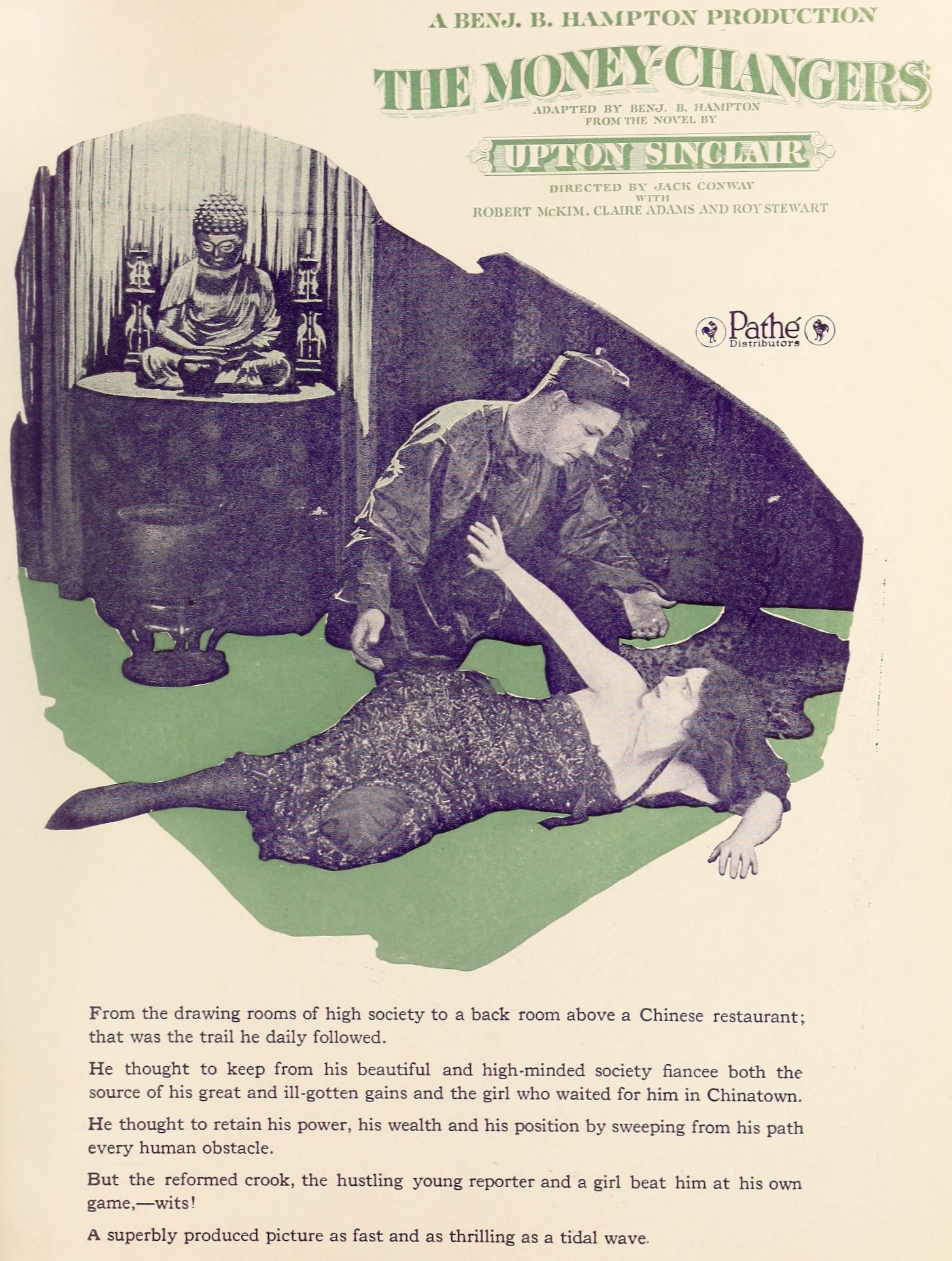
Dir: Jack Conway
Lucy Hegan, the proprietor of a settlement house for the poor, is engaged to Hugh Gordon, the head of a large pharmaceutical and chemical firm who, unknown to Lucy, is also the ringleader of a powerful drug and white slave operation in the Chinese quarter. While conducting an investigation into illicit drug traffic for his paper, newspaper reporter Allan Martin meets Lucy and falls in love with her. In the course of her work, Lucy has befriended reformed crook Monk Mullen and his mother, and when Monk learns that she is to marry Gordon, the ex-crook provides Allan with proof of Gordon's underworld drug trafficking. Armed with his information, Allan leads a raid on Gordon's headquarters, and in the ensuing battle, the drug king is killed by his henchman, Ling Choo Fang, thus freeing Lucy to marry her young reporter.
View Details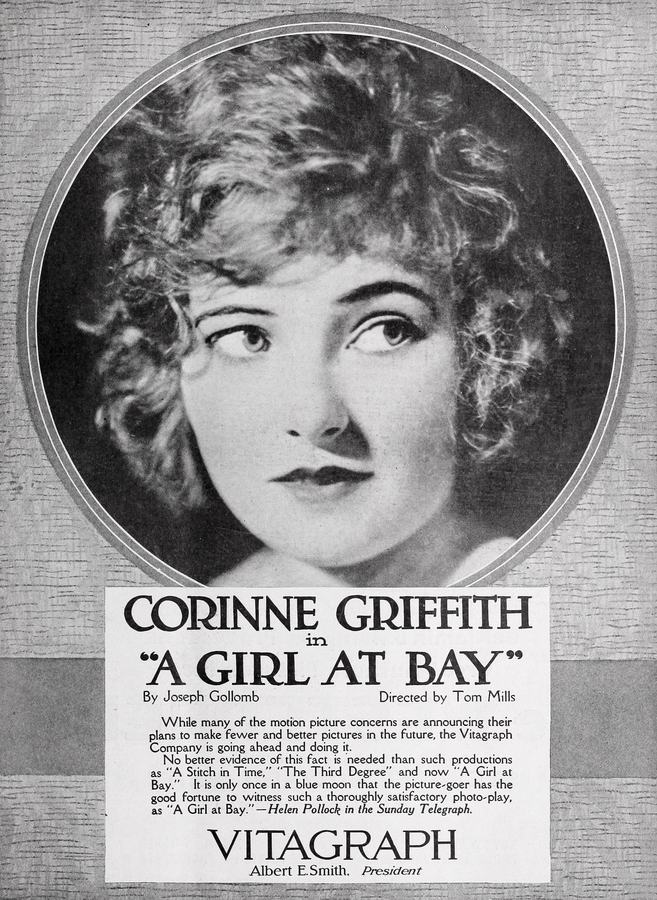
Dir: Thomas R. Mills
After Mary Allen drops a blood-stained knife, Judge Robert Craigin's dead body lies next to her. Mary secures a secretarial position with Judge Bruce Craigin, the dead man's younger brother. Professor Galt, a criminal psychologist, and Detective Hooker believe that Mary committed the crime. Craigin and Mary fall in love and are married. Galt persuades Craigin to let Mary furnish their new home because a clue to the solving of the murder is the artistic furnishings of the room in which the murder victim was found. The similarity between the decor of the house and the crime room convinces Craigin that Mary murdered his brother, but Thomas Gray confesses to the crime. He had been in the room waiting to avenge his wife's wrongs on Craigin. When Craigin attacked Mary, she lifted her paper-knife and fainted, and Gray killed Craigin, leaving the murder weapon in Mary's hand. Mary and Bruce find happiness together.
View DetailsAnalysis relative to Duds
| Film Title | Atmosphere | Complexity | Similarity |
|---|---|---|---|
| The Duplicity of Hargraves | Surreal | Linear | 91% Match |
| The Kelly Gang | Tense | Linear | 95% Match |
| The Defeat of the City | Gothic | High | 91% Match |
| The Girl-Woman | Surreal | Linear | 89% Match |
| The Girl in His House | Gritty | Layered | 86% Match |
This guide was algorithmically generated using the cinematic metadata of Thomas R. Mills's archive. Last updated: 6/25/2026.
Back to Duds Details →