
DbcultAccessing Vault...
Recommendations
Senior Film Conservator
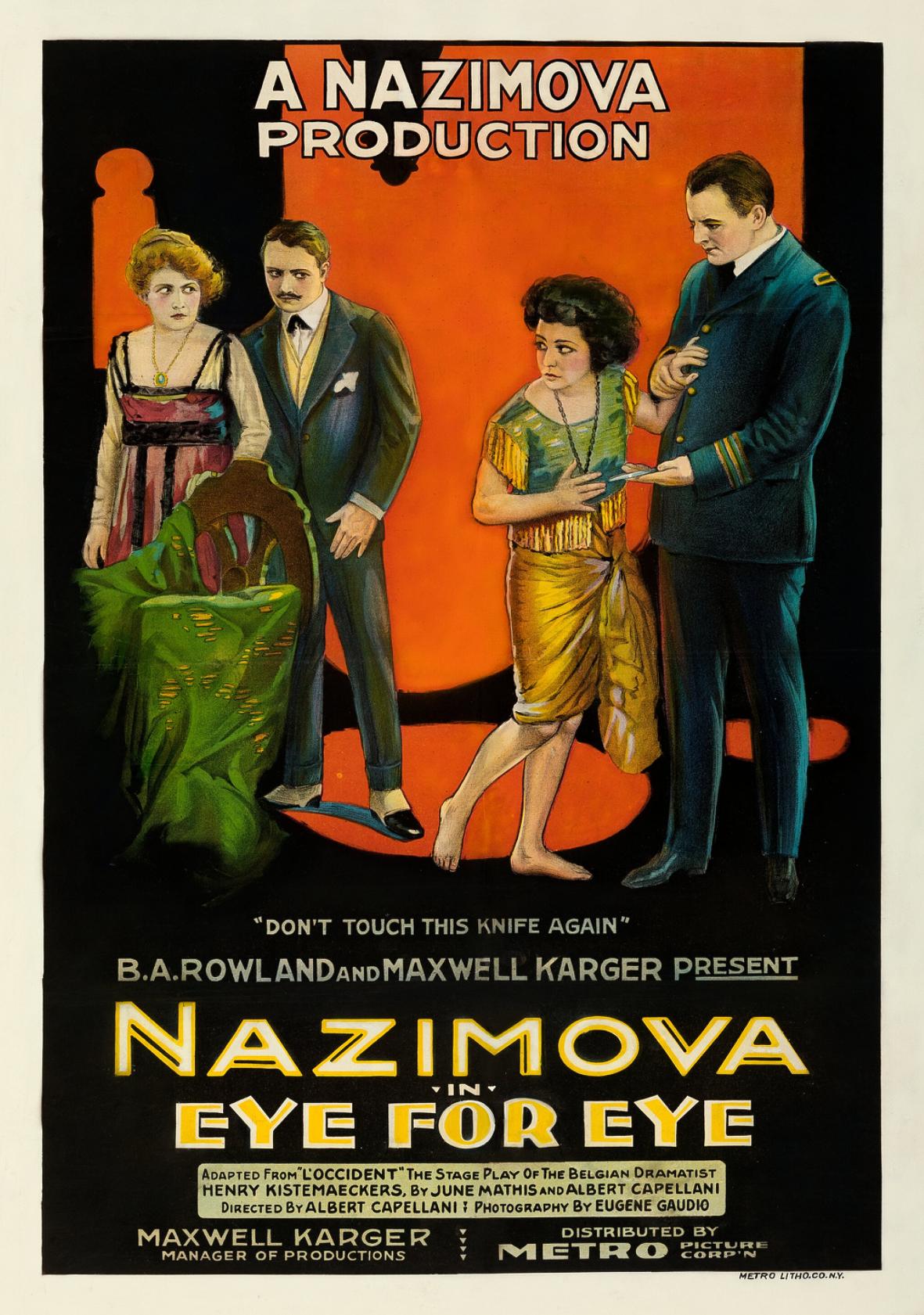
If you found yourself captivated by the artistic bravery of Eye for Eye (1918), the profound questions raised in 1918 still require cinematic answers today. Experience the United States influence in these recommendations that echo Eye for Eye.
Eye for Eye remains a monumental achievement to provide a definitive example of Albert Capellani's stylistic genius.
The daughter of an Arab sheik falls in love with a French naval officer, thus breaking the strict rule of social law of her people, as well as her religion. She follows him to France, where, torn between her love and her devotion to her own tribe, she seeks to resolve her dilemma through dangerous means.
Eye for Eye was a significant production in United States, bringing a unique perspective to the global stage. It continues to be a top recommendation for anyone studying cult history.
Based on the unique artistic bravery of Eye for Eye, our vault has identified these titles as the most compelling follow-up experiences for fans of cult cinema:
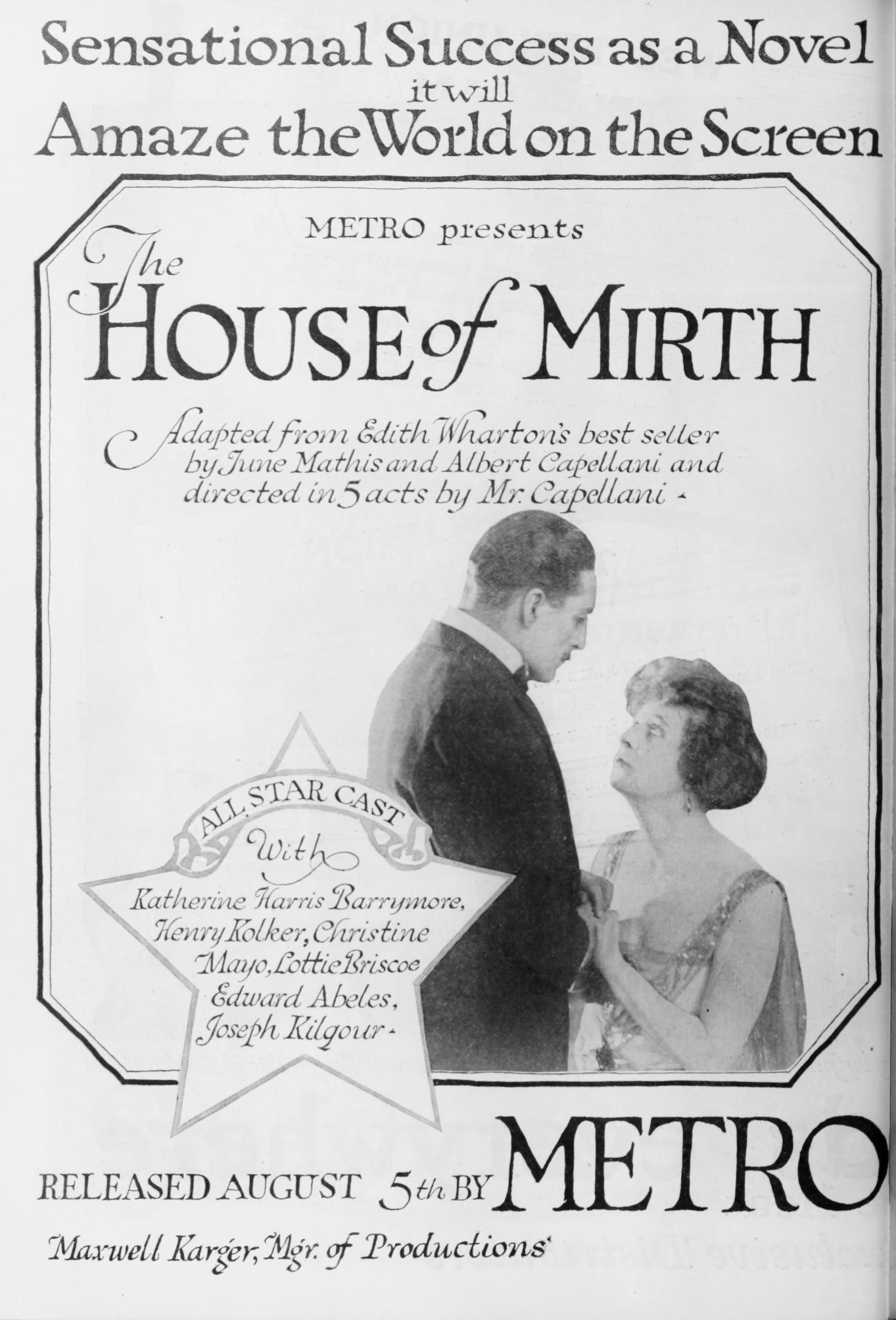
Dir: Albert Capellani
Lily Bart loves Lawrence Selden, a lawyer of moderate means, but she is also pursued by Simon Rosedale, a wealthy businessman, and Augustus Trenor-Dorset, a married man. When Dorset's wife Bertha announces that she is going to the country (although she really plans to meet Ned Silverton, with whom she is having an affair), Dorset asks Lily to dine at his home. Alone with him at the house, she rejects his advances, but when Mrs. Dorset returns, she publicly insults Lily, forcing her to move to another town. Lily's aunt dies and leaves her penniless, whereupon she reluctantly begins to seek employment. She is about to kill herself when Selden, who has never stopped loving her, enters the room and convinces her to marry him.
View Details
Dir: Albert Capellani
Based on Robert W. Chambers' novel about New York CIty life among the upper crust: Artist/model and philosopher Valerie West undergoes much sorrow and joy,many trials and tribulations ,and final triumph on her journey to become the living personification of sweet, noble womanhood.
View Details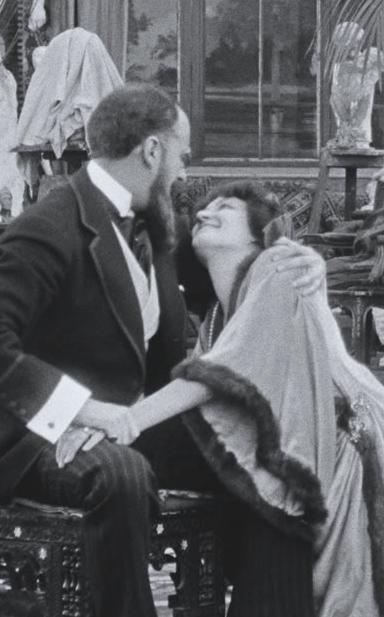
Dir: Albert Capellani
Bernard Jansoulet, a fine specimen of the sons of Vulcan, kept the little farmstead of the Jansoulets by means of the profits from his smithy. His aged mother, a dear old lady, and a good-for-nothing brother, Louis, were the other members of the household. One day as Bernard passed along the little village, he saw poor, wayward Louis being exhorted to join a bibulous crowd at the inn. Bernard, himself of a temperate disposition, at once interposed, and soon led his brother towards home. There a good meal, served in true French farmhouse style, soon mollified the erring Louis, and during a chat there came the postman on his usual round. The missive, in an unusual writing, proved to be a letter saying that a friend had secured a situation in Paris for Louis. The answer was sent, and a few days later preparations were made for Louis' departure this, however, Bernard, in his usual quiet manner, negotiated a loan of 200 francs from a neighbor, and as Louis was on the point of going pressed upon him the little fortune to help him along his way. Full of seeming gratitude and with the kisses of his sorrowing mother still fresh upon his lips, Louis departed, with a promise to redeem the past in a new life. Life in Paris proved a vastly different thing to what Louis had expected ; but having succeeded to some extent by dint of resolution, he soon found time to look around and visit the many show places of the "gay capital." One evening, at a ball in the Montmartre district, he succumbed to the advances of a lady of somewhat doubtful morals, and eventually became the object of a quarrel between the woman and another, who had also been in his company. Filled with rage and pique at the slight which followed, the adventuress trumped up a charge of theft against Louis. The Public Prosecutor made short work of Louis' defense, and a letter, addressed to Bernard, bore the following words : - " My dear Bernard,- I have been fool enough to get mixed up with a woman, who, in a fit of jealousy, has accused me of stealing her jewels, and, as I cannot prove my innocence, I have been condemned to five years' imprisonment. Don't tell mother; it would kill her. - Louis Jansoulet." Bernard from that day went about his work in a dazed way. After the thought of Louis' error he could not settle, and, finally, leaving his mother sufficient for her needs for some time, he set out for a life in South Africa. On the way, at Marseilles, he met one Bompain, who, also in need of a friend, arranged to take him to a ship he knew of. An introduction to the captain secured berths for both as firemen. In the hot and grimy depths of the stokehold, they toiled for the next five weeks, and were pleased indeed to end the period of servitude, and set foot on new soil. After some weeks of search they drifted to the diamond mines, and entered once more upon a period of toil, compared to which the previous task was child's play. Bernard, ever of a strong and lusty way, could dig all day and hew the hard quartz without a murmur, but little Bompain, although a willing worker, soon found the work a severe trial. He was practically at the end of his powers of endurance, when Bernard made a staggering discovery. Within half-an-hour the news had spread all over the mine. The Frenchman, Jansoulet, had made the discovery of the age. Such a diamond had never before been gazed upon, and Jansoulet had suddenly become one of the world's richest men. Some months later Bernard sat in his palatial house in Paris, Bompain at his elbow as major-domo, and dreamed of his desires to conquer the entire city. His mother still preferred the old country life, and he was free to scheme and to gain his ambitions. Knowing his ways, one Moessac, the editor of The Messenger, soon fixed upon him as the one man to turn the tide of lii-fortune from his publishing house. A ball was arranged, on Moessac's suggestion, at Bernard's house, and here Felicia Ruys was introduced to him. Bernard, now named the Nabob, bestowed gifts with great prodigality, and Felicia was soon destined to come in for a share of his attentions. A scheme, evolved by Moessac and fostered by Bernard's growing love for the beautiful sculptress, was set on foot to secure for Bernard the office of Deputy for Corsica. The price of the honor was to be £4,000, to be paid to Moessac. Needless to say, the election proved an easy win for Jansoulet. He was soon able to dispatch a letter informing his mother of his success. He was not destined to live long, however, in his fool's paradise, for during a visit to Felicia's studio he overheard a conversation which showed that she was really in league with Moessac. In consequence of Bernard's denunciation. the rascally editor decided upon vengeance, and published a paragraph to the effect that " a grave political scandal is afoot. The member for Corsica, we are informed, has served a term of imprisonment for theft." Bernard arrived one day at the Chamber to find his alleged crime the one topic of conversation. He, having seen The Messenger, came prepared with the evidence of Louis' letter, and awaited the Chamber's action. The motion came on, and soon the House was intent upon the discussion of their comrade's transgression. At last Bernard was called upon to mount the dais and defend himself. As he commenced, his mother, who had come to congratulate her son, entered the visitors' gallery. She heard, in a dramatic scene, her son's denial of the base charge and his splendid speech. He was about to produce the letter which would fasten the guilt upon Louis, when he saw his mother's face. An instant's thought, and the letter was torn to fragments. Puzzled by his silence from this point, the majority pronounced him guilty. In the entrance-hall mother and son met, and as they left the Deputies began to realize that some reason obtained for the strange result of Bernard's actions. Moessac was shunned by all who knew him, and, disgusted with Paris and its superficial life, Bernard returned to the farm. Here, one evening, came Louis, footsore and starving. With true fraternal charity, he was taken in and succored, and once more the trio led their former plain and unassuming life as of old.
View Details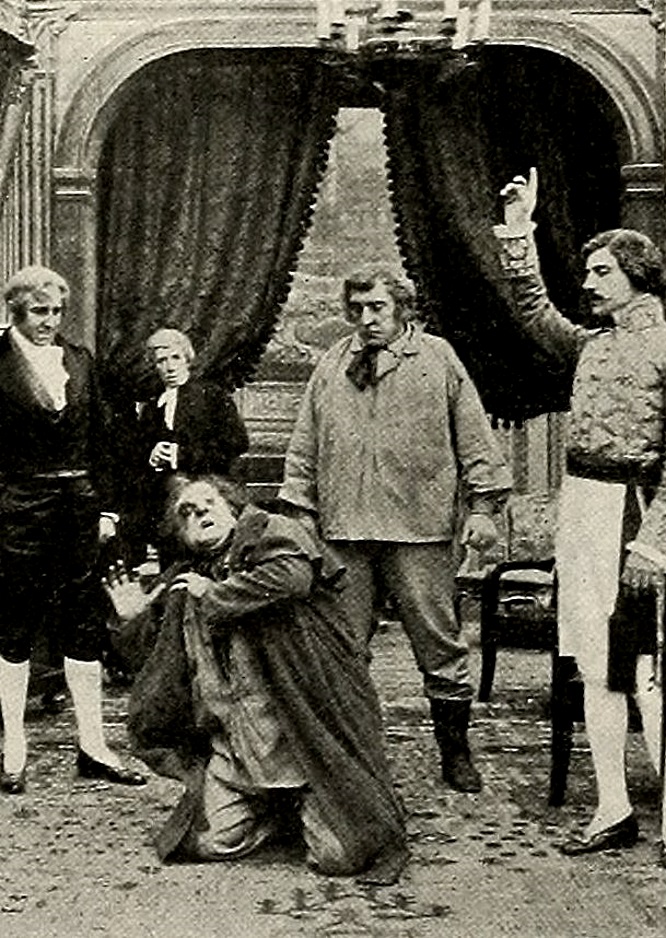
Dir: Albert Capellani
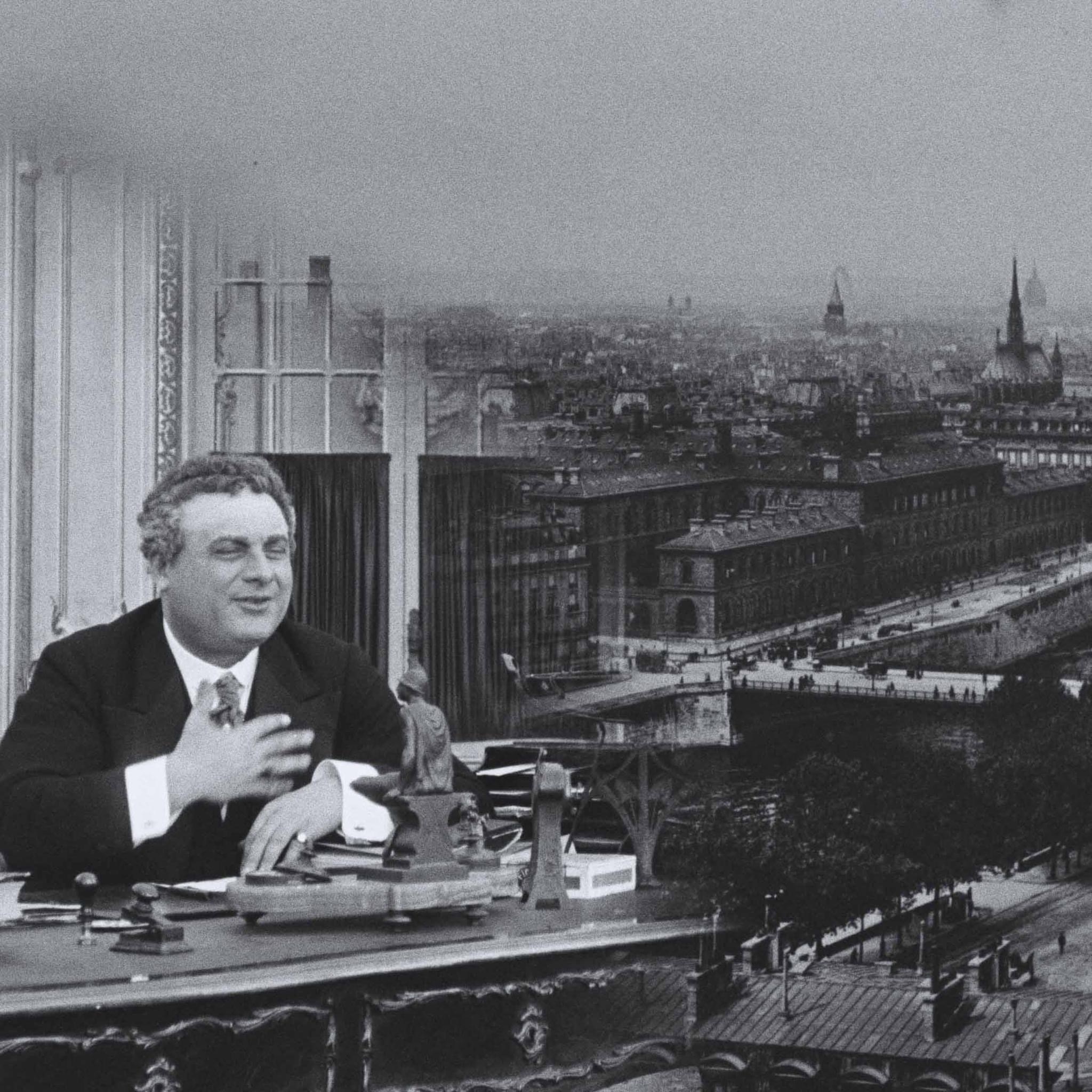
The Archduke Rodolphe d'Illyrie is secretly united to Countess Sarah Mac Gregor and they have a daughter together. The young woman learns that her father-in-law is potting to have the marriage annulled so she writes her brother to ask him to get rid of the old man. When her letter is intercepted, she leaves her child in the care of farmers near Paris and escapes to America. The Archduke finds the whereabouts of his daughter but he finds the house has been destroyed by a criminal fire and figures that she died. He sets out to find his daughter's murderers and meets the evil Schoolmaster and his friend la Chouette. They actually hide the child, that they call Fleur de Marie, and force her to beg for their profit.
View Details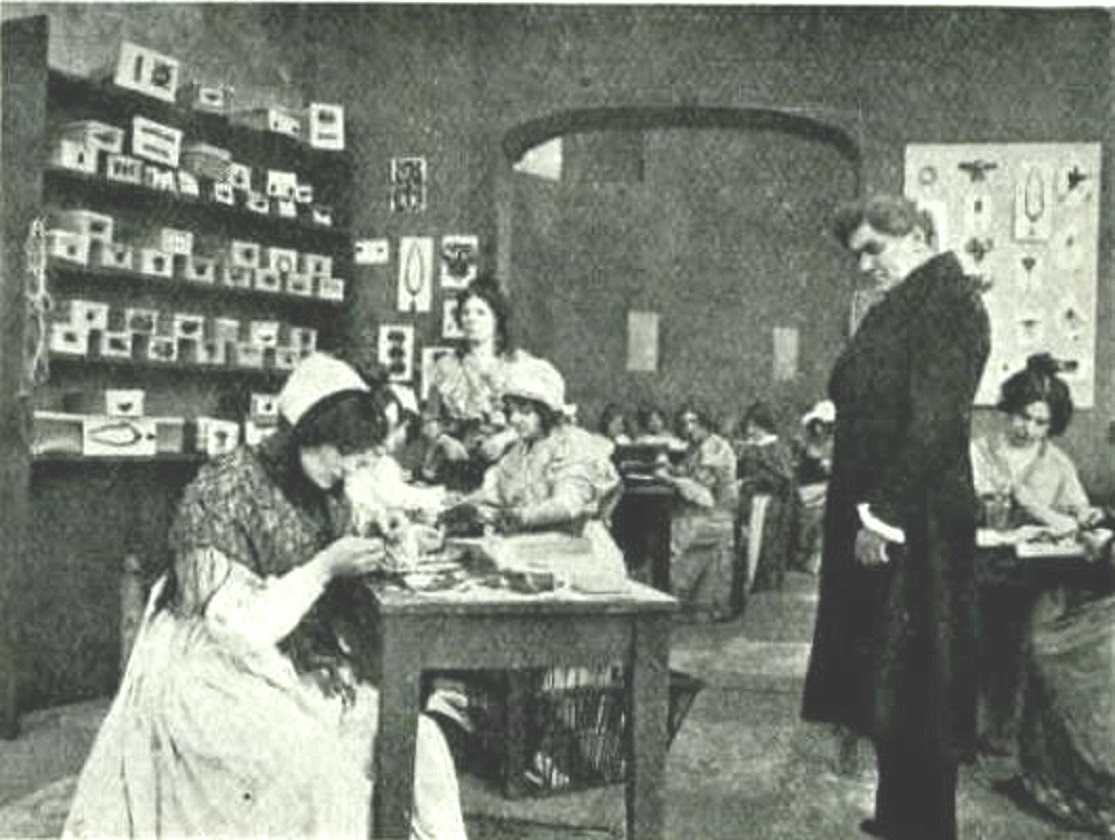
Dir: Albert Capellani
Jean Valjean, guilty of a minor theft of food, is pursued and hounded for years by a relentless lawman, Javert.
View Details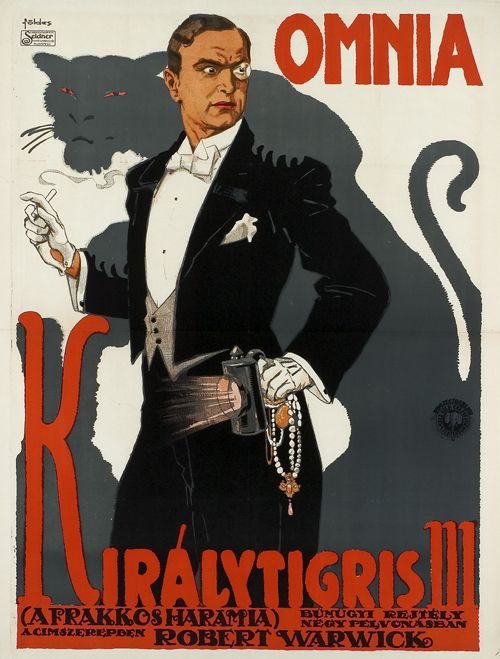
Dir: Albert Capellani
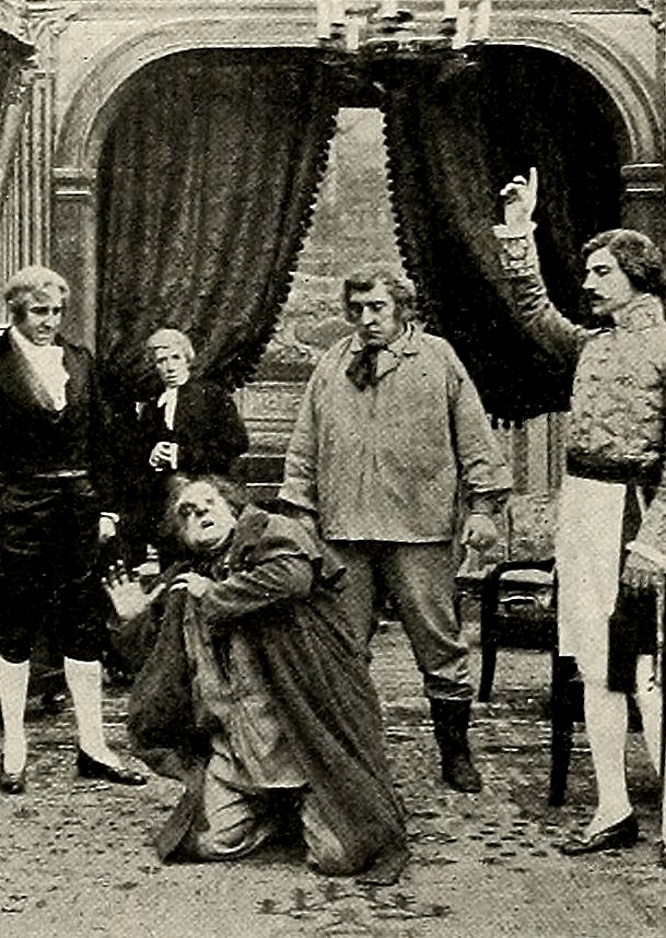
A crook bungles his biggest job, and when the police are put on his trail, he becomes hopelessly lost and commits suicide.
View Details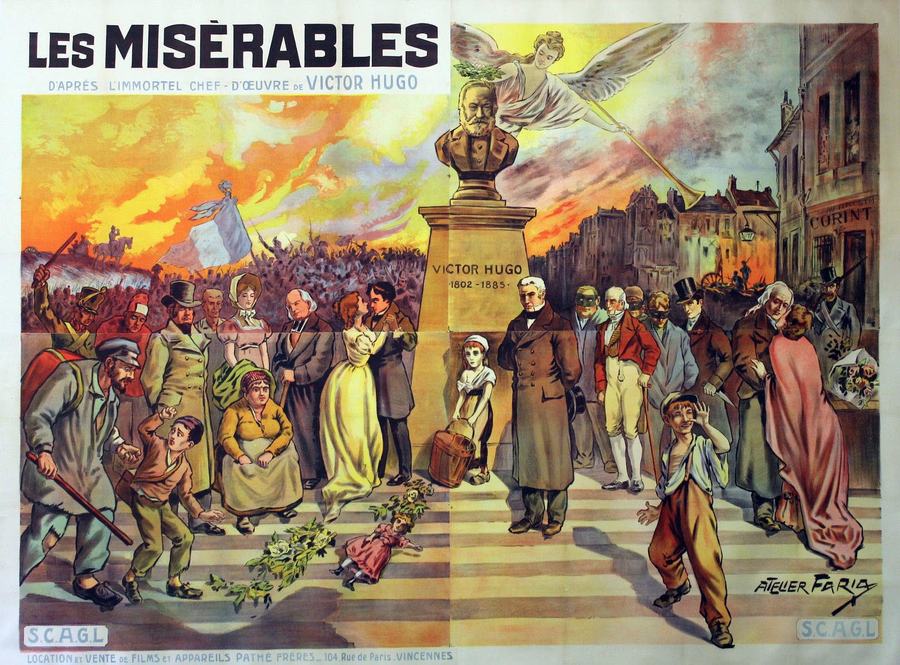
Dir: Albert Capellani
First feature length French film adaptation of the story of former convict Jean Valjean who is hunted down by ruthless inspector Javert in mid 19th century France. Released in four parts, like a serial.
View Details
Dir: Albert Capellani
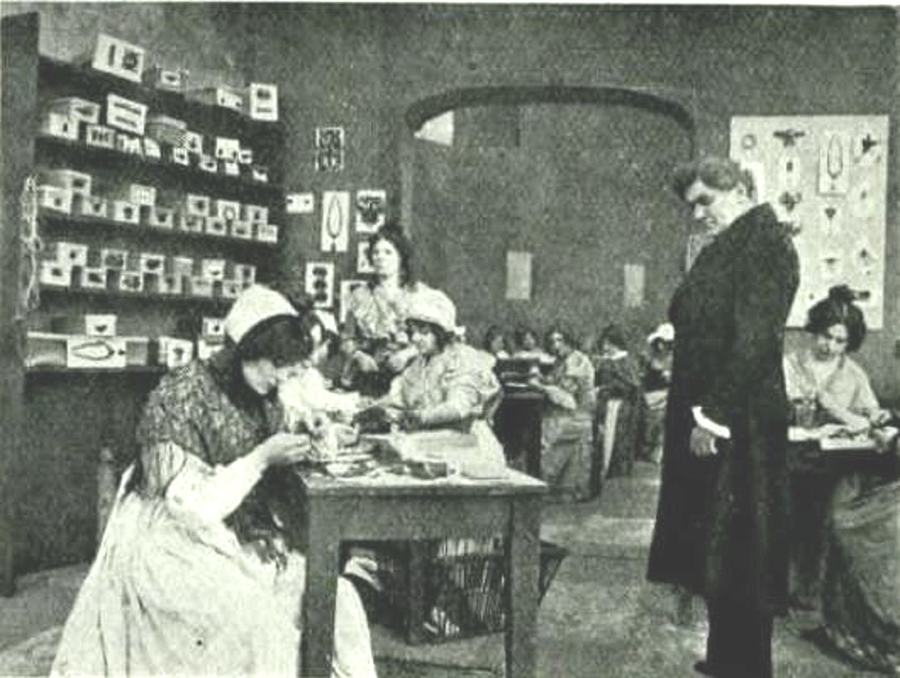
When young schoolteacher Mary Adams is out of the classroom, she dreams of the days when the world was peopled by knights and beautiful ladies in distress. She is so imbued with the spirit of romance that when a strange young man rescues her from a street ruffian, she idolizes her hero, picturing him as a regular Sir Galahad. Mary's rescuer is Jim Anthony, a mechanic with inventive talents. Embittered after his invention is stolen, he becomes a burglar. Knowing nothing of this, Mary falls in love with him and marries him. He's a product of the slums, and in his wandering he has lost track of his mother. When he finally learns that she's living in the Carolina mountains, he persuades Mary to go with him to visit her. He takes with him a bag of jewelry, the plunder gained in his recent robberies. They find Anthony's mother living alone in a hut. The old woman has become a wretched creature. She fails to recognize her son, who asks for a night's shelter for himself and his wife. While unpacking, Mary discovers the jewelry and confronts Jim, who confesses his crime. Horrified, Mary orders Jim from the room, locks herself in, and goes to sleep on a couch in the main room. The old woman finds the jewels and her cupidity leads her to try to kill the man she doesn't know as her son. Mary finds Jim unconscious from his wound and hurries to the village for medical aid. She keeps away from him, and on his recovery he returns to the city and makes restitution of the stolen property. A reconciliation is brought about several years later.
View Details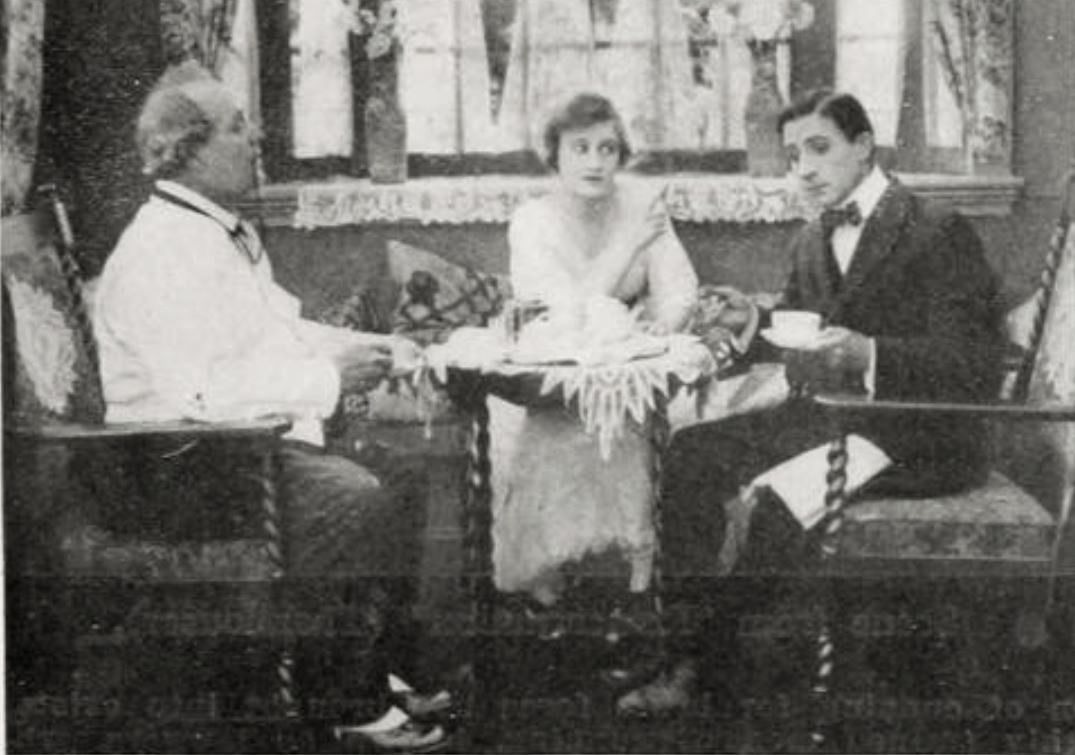
Dir: Albert Capellani
Sir Anthony Gregson, Bart., a wealthy mine owner, is unpopular with his employees, because of his unreasonable temper and lack of sympathy. Sir Anthony has one son, Aubrey, a lovable young man, who has angered his father by refusing to follow the latter's dictation in the matter of his marriage. Sir Anthony also has a twin brother, whom he has not seen for years. The brother, who has humble associates, is known among them as "Blink." Blink is married to a gypsy girl, known as "The Tearer." Sir Anthony makes a sea trip to benefit his health. By chance the yacht anchors off the coast where Blink has his hut. Sir Anthony accepts his brother's invitation to call on him, and while at Blink's hut he has a stroke of paralysis, and dies. Blink changes clothes with Sir Anthony, and taking advantage of his striking likeness to the other man, impersonates him. He proceeds to the yacht, taking "The Tearer" with him, pretending she is Miss Gibson, his trained nurse. Blink, as Sir Anthony, sails homeward with his "trained nurse." The first thing he does is to call on Mary Priestly with Miss Gibson. Miss Gibson tells Mary that she wishes to marry Sir Anthony, but will not take this step without first getting the consent of Aubrey. Sir Anthony (Blink) is apparently reconciled to his son and gives him his consent to marry Mary. Aubrey, of course, gives his consent in return. The troubles in the mines have reached a climax. The men have struck because of small wages and unsafe equipment. The men are enraged against Sir Anthony. To quell the disturbance, Blink, as Sir Anthony, agrees to look over the mines and investigate. This he does, taking Aubrey and Miss Gibson with him. After he investigates, he orders that new and safe equipment shall be bought, and that the miners' wages shall be raised. All this while Gouger, the friend of Blink in his former life, has been trying to see the man he thinks is Sir Anthony. Having found Sir Anthony dead in Blink's hut, he thinks that Sir Anthony has killed Blink and eloped with "The Tearer." Gouger is eager for revenge. He finds "The Tearer" and says that he wishes to have an interview with Sir Anthony. "The Tearer" (Miss Gibson), frightened for Blink's life, keeps putting Gouger off. At last, however, Blink (Sir Anthony) agrees to see him. Aubrey, Mary and Miss Gibson are in the room. To satisfy Gouger it is necessary for Blink to disclose his identity before Aubrey. This, of course, satisfies Gouger. Aubrey does not mind, as he has grown to love Blink. Blink again marries "The Tearer" for appearance's sake, and Aubrey marries Mary Priestly.
View Details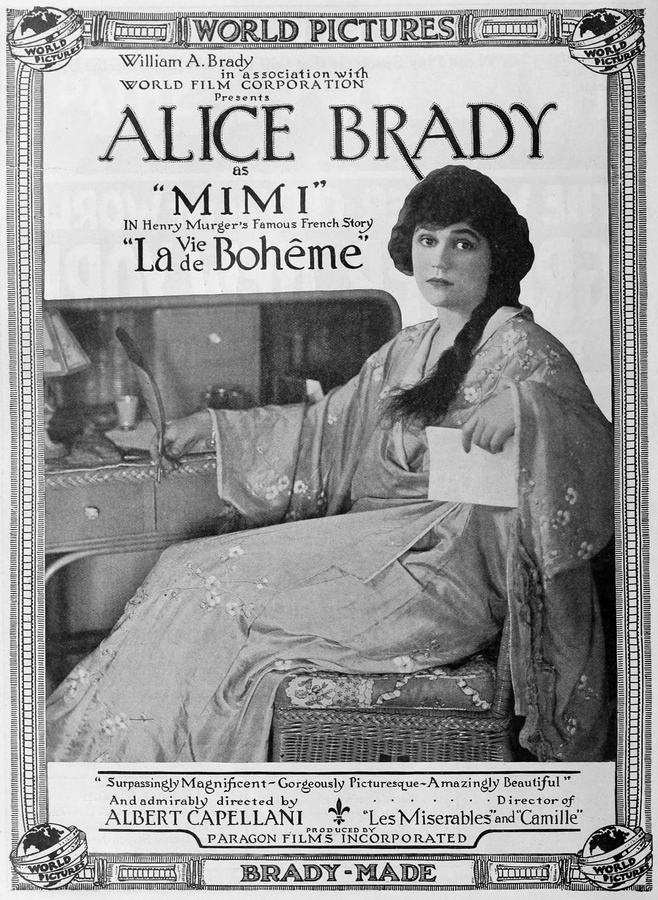
Dir: Albert Capellani
Orphaned Mimi (Alice Brady) is taken in by a drunken innkeeper and becomes a maid. She meets Rudolphe (Paul Capellani), heir of a upper-class family, who rescues her from the unwanted advances of a drunken hotel guest. They fall madly in love, but Rudolphe's uncle, M. Durandin, wants Rudolphe to marry a family friend, Madame De Rouvre, and writes Mimi a letter, telling her that she is ruining Rudolphe's life. Musette and Marcel, friends of Mimi, also try to break up the romance by introducing Mimi to other men, and Rudolphe becomes jealous and leaves her. Shattered, Mimi declines in health and eventually throws herself into the river but is rescued and taken to the hospital. Realizing it is only a matter of time before she dies, she drags herself back to the room where she and Rudolphe were happiest. Rudolphe is there and she dies knowing that he loves her.
View DetailsAnalysis relative to Eye for Eye
| Film Title | Atmosphere | Complexity | Similarity |
|---|---|---|---|
| The House of Mirth | Ethereal | Abstract | 91% Match |
| The Common Law | Ethereal | Layered | 92% Match |
| Le nabab | Gritty | Abstract | 88% Match |
| Mysteries of Paris | Gothic | Dense | 89% Match |
| Les Misérables, Part 2: Fantine | Gritty | Abstract | 93% Match |
This guide was algorithmically generated using the cinematic metadata of Albert Capellani's archive. Last updated: 8/16/2026.
Back to Eye for Eye Details →